DbcultAccessing Vault...
Cult Review
Senior Film Conservator
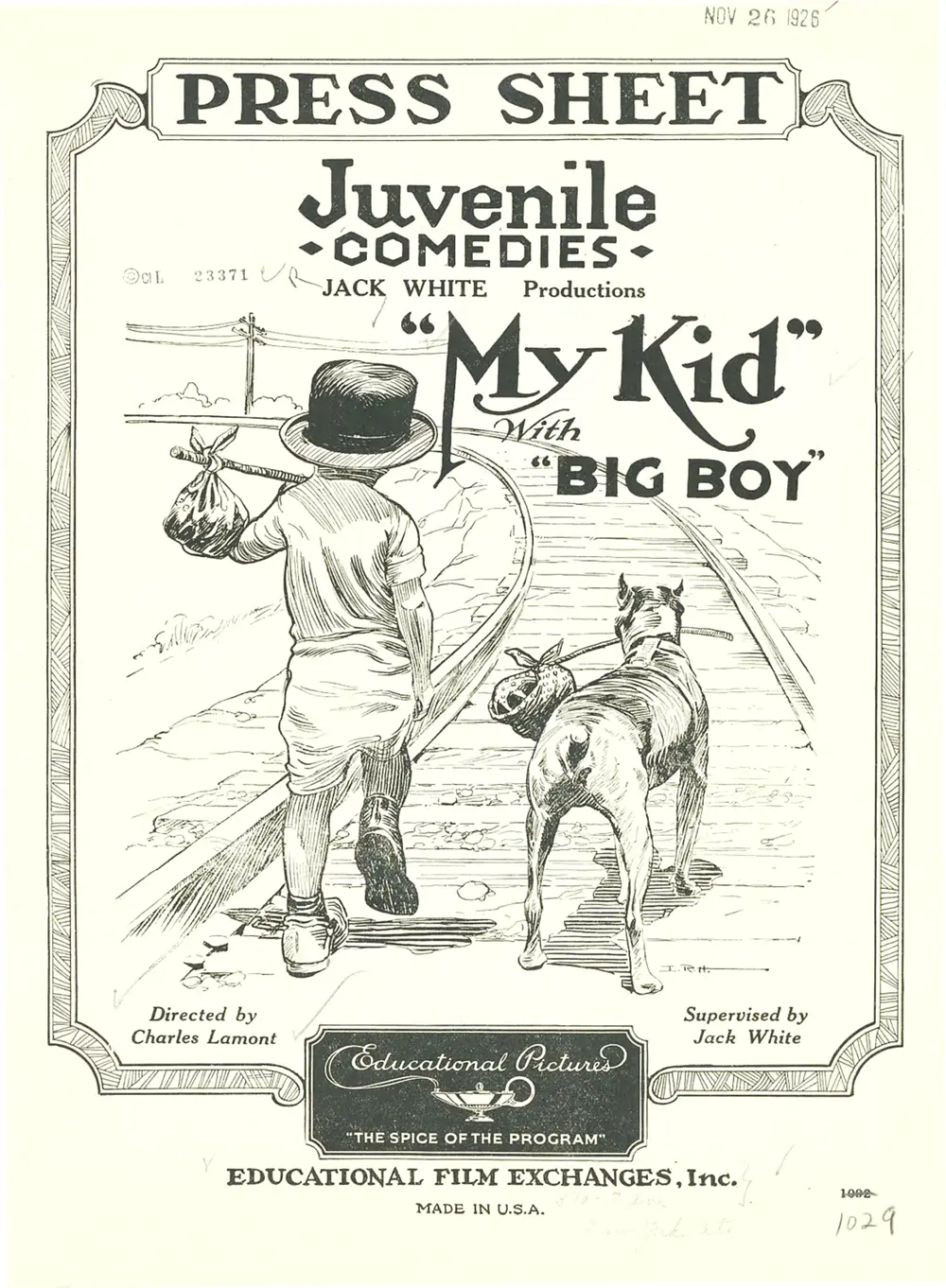
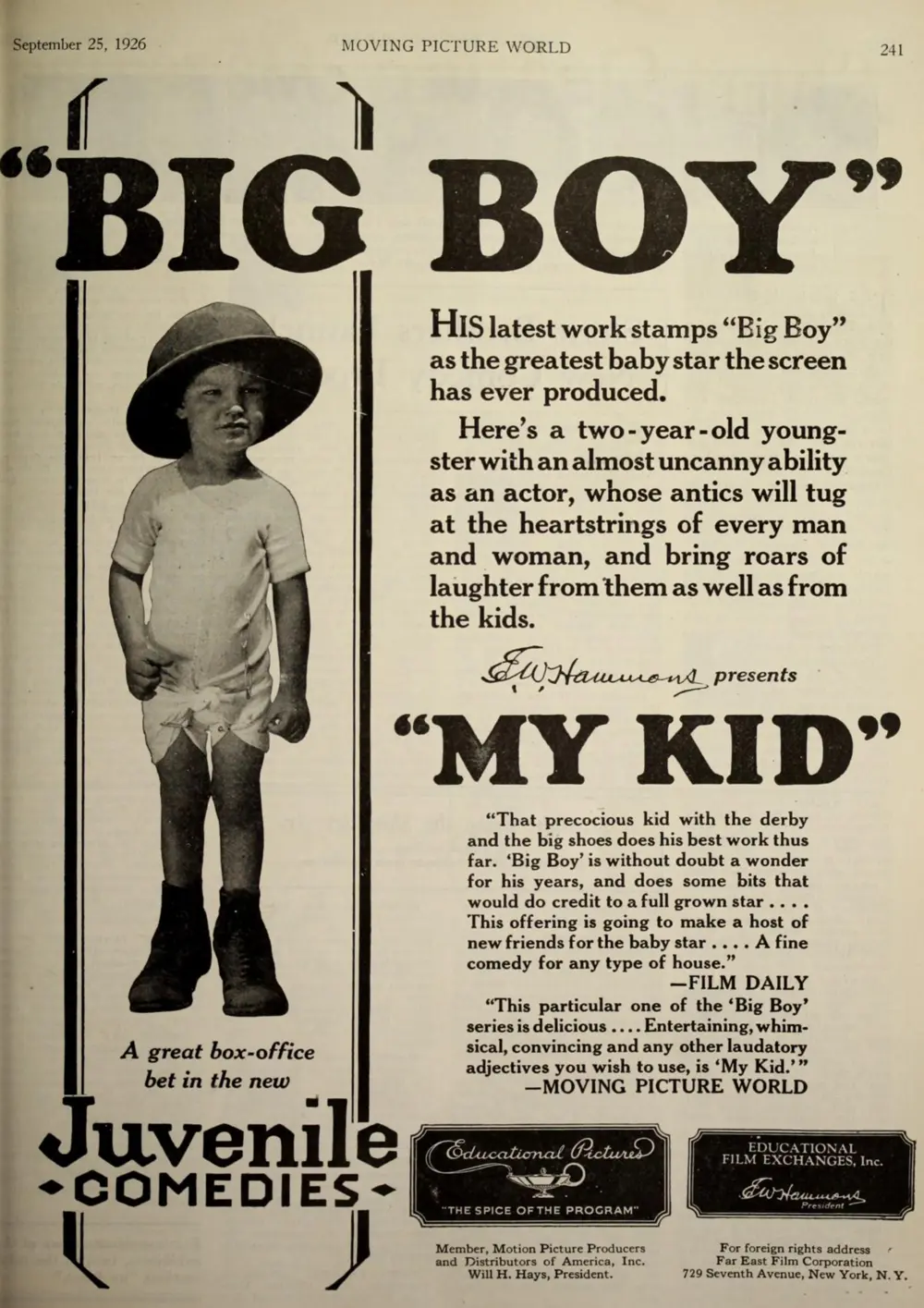
Is this silent short worth your time in the modern era? Short answer: yes, but primarily as a historical curiosity rather than a laugh-out-loud comedy. This film is for those who appreciate the 'Our Gang' era of child-led storytelling and silent film completionists, but it is certainly not for viewers who demand fast-paced humor or high-stakes action.
Before we dive into the weeds of 1920s child-star dynamics, let's establish the baseline for this production. It is a film that balances on the razor's edge between genuine childhood pathos and the era's penchant for saccharine sentimentality.
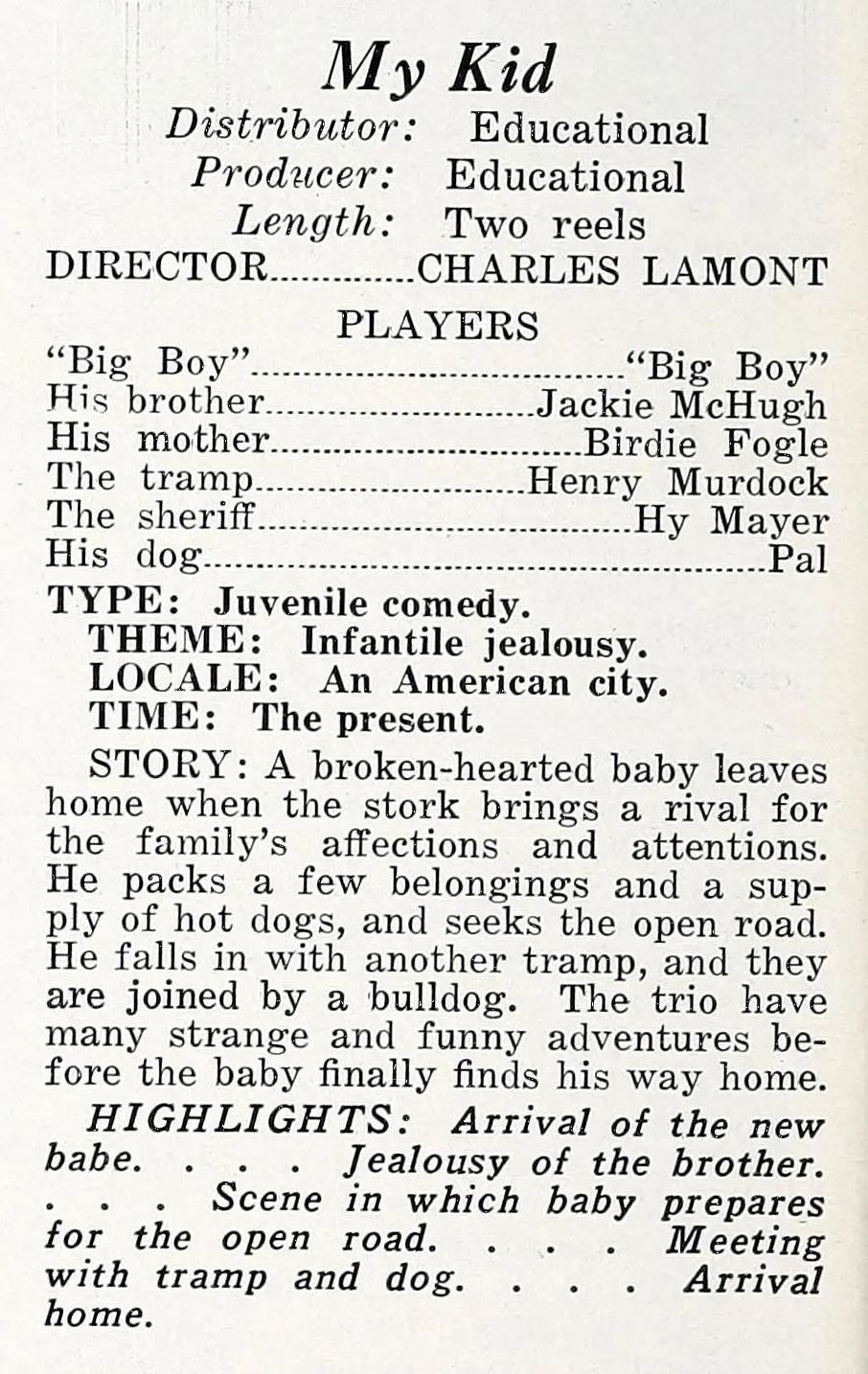
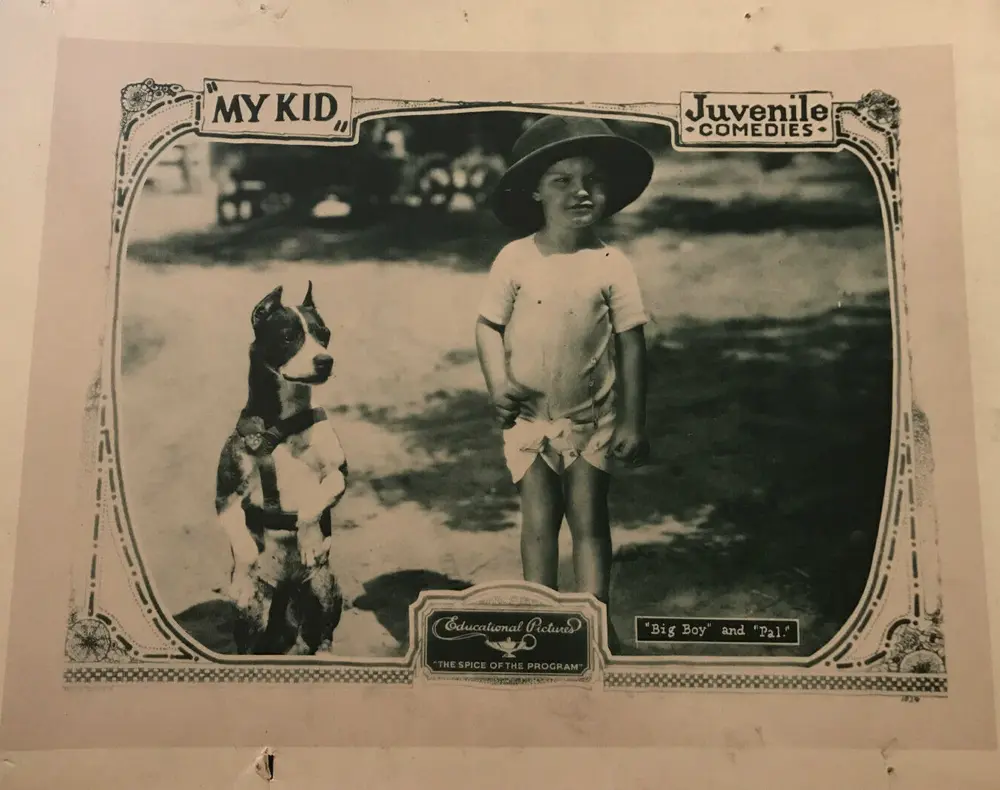
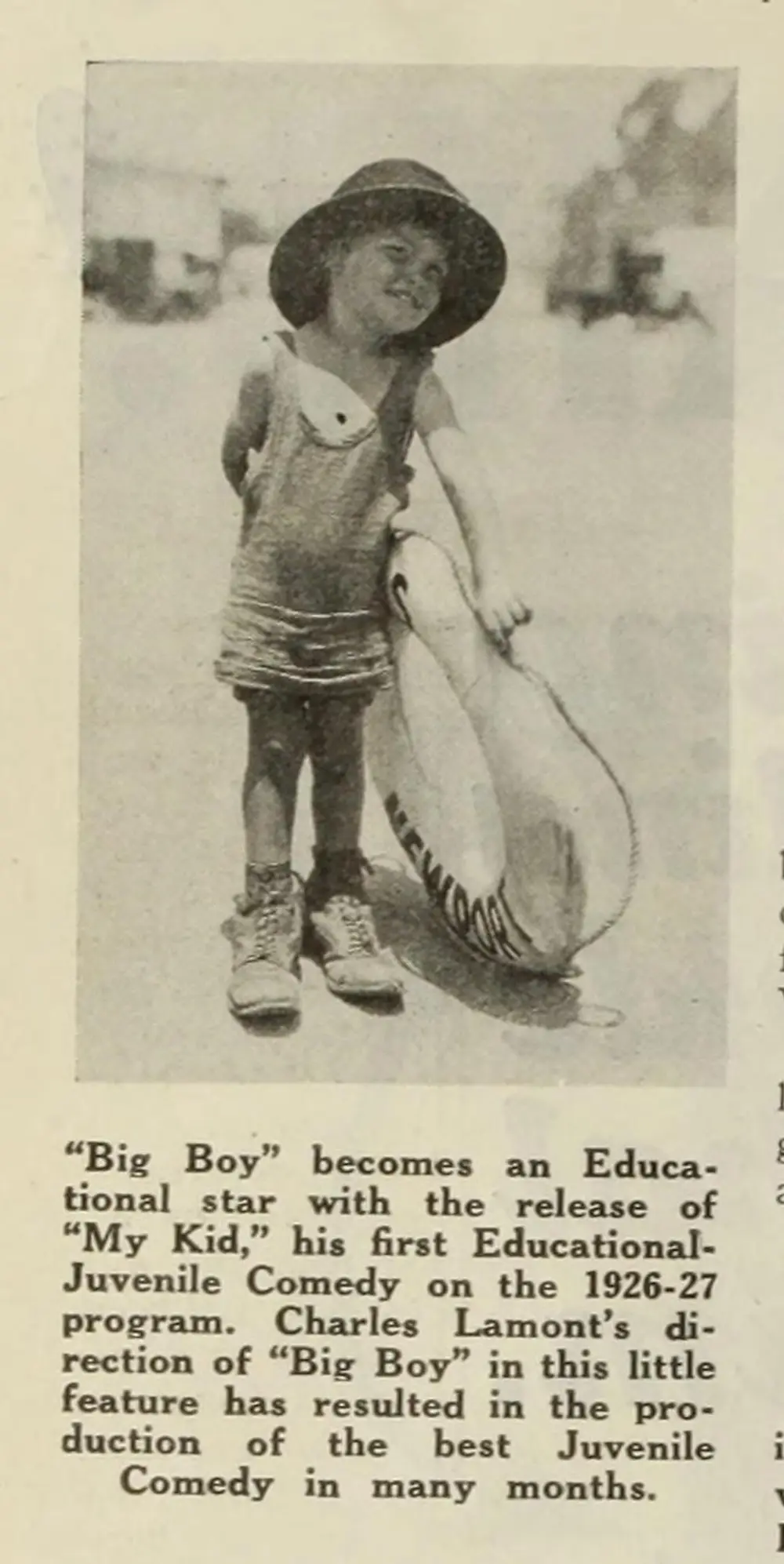
This film works because of the naturalistic, albeit slightly rehearsed, chemistry between Malcolm Sebastian and Pal the Dog, which provides a grounded emotional center.
This film fails because the pacing in the second act drags significantly once the 'hobo' adventure begins, losing the sharp emotional focus of the opening domestic scenes.
You should watch it if you want to see how the silent era handled the complex psychology of sibling rivalry through the lens of a miniature 'road movie'.
The film opens with a sequence that feels surprisingly modern in its depiction of childhood jealousy. We see Big Boy as the center of the universe, only to have that universe implode with the arrival of the stork. The direction here is clever; the camera often frames the mother from the child's waist-high perspective, making her preoccupation with the new baby feel like a literal wall between him and his source of security.
One specific moment stands out: Big Boy attempting to get attention for a 'hurted' finger. The mother’s dismissal isn't cruel, but it is total. It is this mundane neglect that fuels the film's transition into an adventure. Unlike the more dramatic conflicts in The Slanderers, the conflict in My Kid is internal and quiet. It works. But it’s flawed by the speed at which the film pivots to slapstick.
For the average viewer, My Kid might feel like a relic that has lost its luster. However, for the student of cinema, it is an essential look at the 'Big Boy' series produced by Educational Pictures. It offers a glimpse into a time when child stars were expected to carry entire narratives with nothing but facial expressions and physical comedy.
The answer is a conditional yes. If you can appreciate the technical limitations of the time and the specific 'knight of the road' tropes that were popular in the 1920s, there is much to enjoy. It captures a specific American aesthetic of the railroad and the campfire that feels both nostalgic and slightly dangerous.
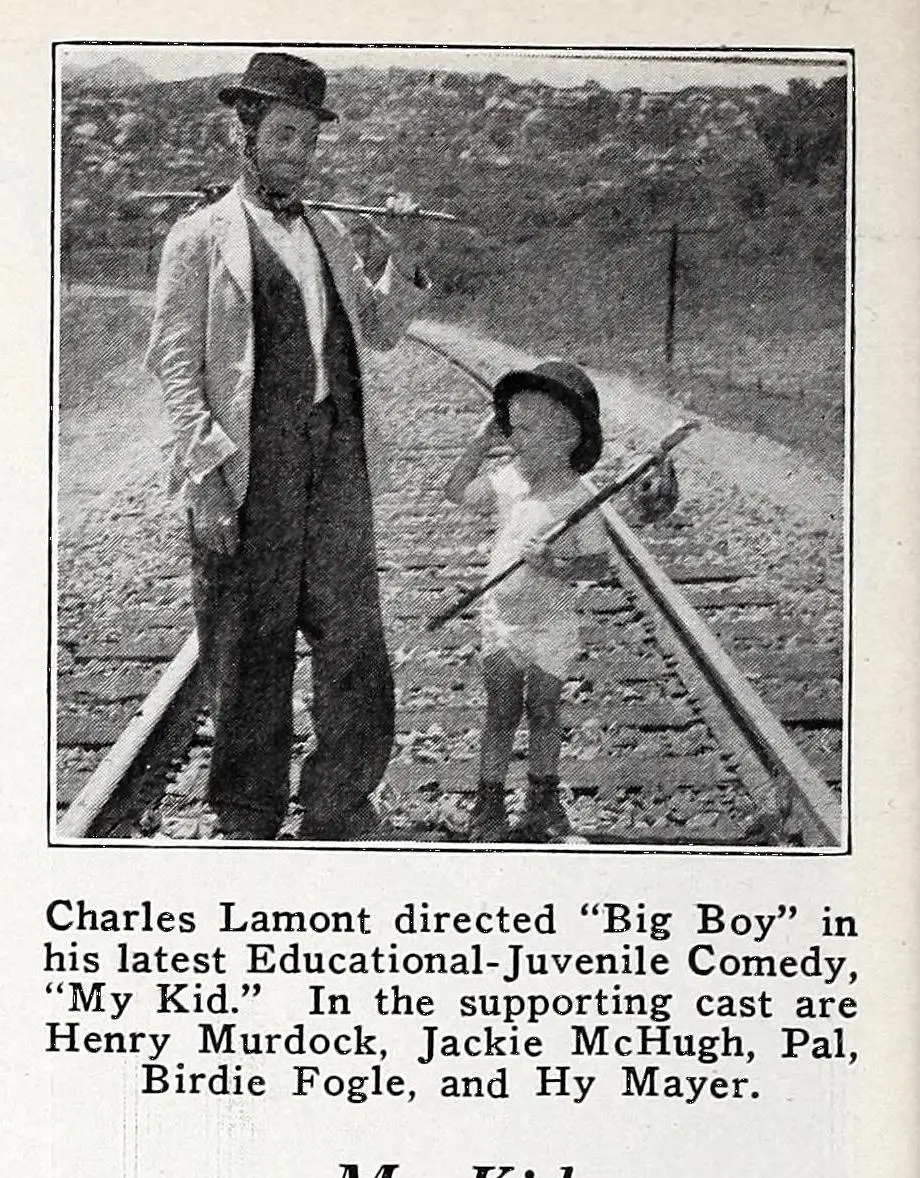
When Big Boy hits the tracks, the film introduces a secondary protagonist: the tramp. This character isn't just a plot device; he serves as a mirror for Big Boy’s own displacement. Both are 'knights of the road,' discarded by a society (or a family) that no longer has a place for them. Their bond over a 'mulligan' stew is the film’s highlight.
Contrast this with the high-octane energy of The Speed Spook. While that film relies on velocity, My Kid relies on the stillness of the campfire. The scene where the mean sheriff chases them away is a classic bit of silent era anti-authoritarianism. Even the dog, Pal, chooses the outcasts over the lawman. It’s a simple, punchy thematic win.
The cinematography is functional, typical of the mid-20s short subject. However, the location shooting on the railroad ties gives the film a sense of scale that domestic comedies of the era often lacked. The wide shots of the 'wide open space' Big Boy seeks are effectively lonely, emphasizing his smallness against the world.
The pacing, however, is where the film stumbles. The transition from the home to the road happens quickly, but the middle section—where the reward is posted and the sheriff begins his hunt—feels repetitive. We see the same chase dynamics multiple times without much escalation. It lacks the tight narrative construction found in contemporary features like Are Parents People?.
The climax involves Big Boy preparing for a spanking by placing a tin pie pan in his trousers. It’s a gag we’ve seen a thousand times, but here it feels earned. It shows the child’s pragmatic approach to a world that alternates between neglect and punishment. The fact that the mother forgives him immediately is a bit of a cop-out, but it satisfies the 1920s audience's demand for a 'happy' resolution.
I find the mother’s sudden shift in character to be the film's weakest point. One moment she is a source of cold neglect, and the next, she is the angelic figure of domestic bliss. It’s a jarring transition that ignores the psychological reality the first ten minutes worked so hard to establish. Life isn't that simple. Even in 1925, it wasn't that simple.
Pros:
- Strong lead performance by Malcolm Sebastian.
- Interesting use of outdoor locations along the railroad.
- Heartfelt depiction of the 'hobo' lifestyle as a refuge for the misunderstood.
Cons:
- Repetitive chase sequences in the second half.
- The 'mean sheriff' character is a one-dimensional caricature.
- The resolution is too sweet for the bitter setup.
My Kid is a fascinating artifact of a bygone era of entertainment. It manages to capture the very real sting of childhood displacement before veering off into a more standard, though still charming, adventure. It isn't a masterpiece of the form, but it possesses a grit in its middle section that elevates it above standard fluff. While it doesn't reach the heights of something like The Star Rover in terms of imaginative escape, it remains a solid example of the short-form storytelling that dominated the silent screens. It’s a minor work, but a memorable one. Watch it for the dog; stay for the surprisingly poignant look at a child trying to find his place in a world that suddenly stopped looking at him.
IMDb —
1915
Community
Log in to comment.