DbcultAccessing Vault...
5.8/10
Senior Film Conservator
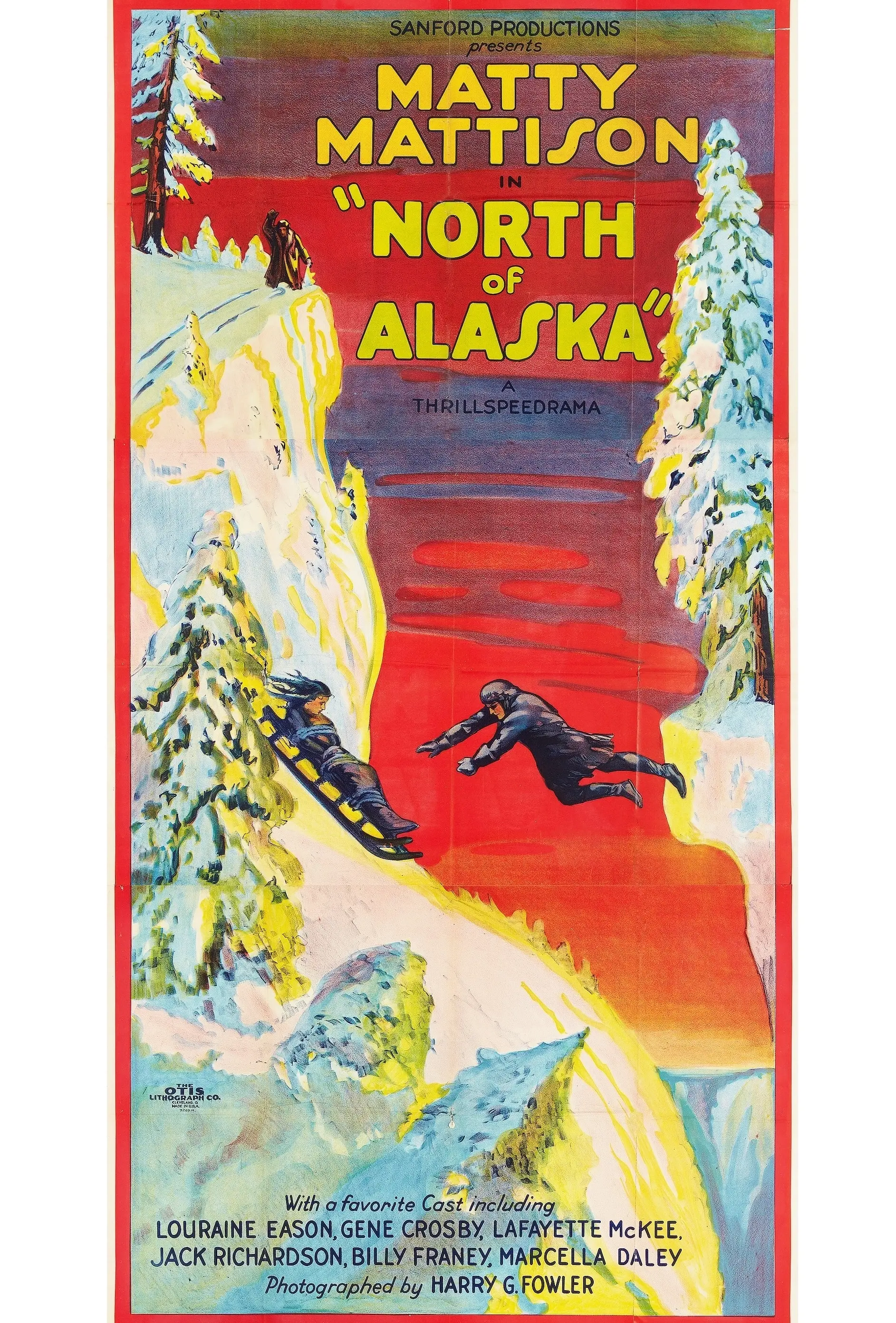
A definitive 5.8/10 rating for a film that redefined the boundaries of cult cinema. North of Alaska remains a cornerstone of transgressive art.
Ah, the silent era! A time of grandiose gestures, exaggerated expressions, and storytelling that relied purely on the visual poetry of the moving image. Among the myriad forgotten gems of this period lies 'North of Alaska,' a film that, despite its relative obscurity today, offers a fascinating glimpse into the nascent art of cinema and the enduring allure of frontier narratives. For a critic, delving into such a piece is less an archaeological dig and more an imaginative reconstruction, painting a vibrant picture from faded celluloid and sparse historical records. It’s about understanding the cinematic language of its time, appreciating the performances that spoke volumes without uttering a single word, and recognizing the thematic undercurrents that still resonate, even across a century of profound societal and technological shifts.
The film, a testament to the raw power of early filmmaking, plunges us headfirst into the brutal beauty of the Alaskan frontier. Here, amidst the relentless pursuit of gold, human nature is stripped bare, revealing both its noblest aspirations and its most base desires. Our protagonist, Jake 'The Grizzly' Harrison, embodies the quintessential prospector: a man forged by solitude and hardened by the elements, whose gruff exterior thinly veils a deep-seated integrity. His monumental gold strike, the catalyst for the entire narrative, isn't merely a stroke of luck; it's a profound disruption, a seismic shift that pulls him from the quiet dignity of his toil into the treacherous currents of human greed.
Marcella Daly, as Clara Belle, delivers a performance that transcends the typical damsel-in-distress trope prevalent in many films of the era. Her character is a beacon of independence and resilience, a woman who fearlessly ventures into a domain predominantly shaped by men and their rugged sensibilities. Clara Belle isn't merely reacting to events; she actively drives the plot, her quest for her missing brother serving as a powerful emotional anchor. Her intelligence and unwavering moral compass allow her to discern the true villainy of Silas Blackwood, portrayed with menacing subtlety by Jack Richardson. Blackwood isn't a cartoonish antagonist; he's a calculating force of nature, a man whose charm is but a thin veneer over a core of pure avarice. His machinations are not just about wealth; they are about power, control, and the ruthless subjugation of those weaker than himself. This nuanced portrayal elevates the conflict beyond simple good versus evil, hinting at the darker undercurrents of frontier capitalism.
Frank S. Mattison, as Jake, manages to convey a complex emotional landscape without the aid of dialogue. His eyes, his posture, the subtle shifts in his demeanor—all contribute to a compelling portrayal of a man torn between his solitary nature and his burgeoning feelings for Clara Belle. The chemistry between Daly and Mattison, though unspoken, is palpable, building through shared adversity and mutual respect rather than overt romantic declarations. It’s a testament to the power of silent acting, where every gesture, every glance, carries immense weight. And let's not forget Billy Franey's 'Shorty,' Jake's loyal sidekick. While often relegated to comic relief, Shorty's unwavering devotion and occasional bumbling provide moments of much-needed levity, a humanizing touch in an otherwise high-stakes drama. His presence underscores the importance of camaraderie in the harsh wilderness, a theme echoed in many frontier tales.
The Alaskan landscape itself is a character of formidable presence in 'North of Alaska.' The film likely leveraged location shooting or meticulously crafted sets to convey the vastness and unforgiving nature of the region. Unlike the relatively contained environments of films like Konsumtionsföreningen Stockholm med omnejd, which focuses on community and urban life, 'North of Alaska' uses its expansive setting to amplify the themes of isolation, survival, and the sheer scale of human ambition against the backdrop of an indifferent natural world. The blizzards, the rugged mountains, the treacherous rivers – these aren't just scenic elements; they are active participants in the drama, constantly challenging the characters and pushing them to their limits. This environmental determinism, a common trope in early adventure films, is handled with a certain grace here, framing the human struggle within a larger, more powerful context.
The cinematography, even in its early stages, would have been crucial in capturing this grandeur. Imagine sweeping vistas, stark contrasts between the white snow and dark forests, and close-ups that emphasize the grit and determination etched on the characters' faces. The lack of sound forced filmmakers to rely heavily on visual storytelling, making every frame a deliberate choice. This visual language, while different from the sophisticated techniques of later eras, possesses a raw authenticity that is often lost in more technologically advanced productions. It compels the viewer to engage more actively, to interpret the emotions and intentions conveyed through purely visual cues, much like the experience of watching a powerful ballet.
The pacing of 'North of Alaska' is a fascinating study in silent film narrative. It balances moments of intense action, such as the climactic showdowns and Clara Belle's desperate race against time, with periods of quieter character development. Unlike the rapid-fire editing often seen in contemporary thrillers, silent films allowed for longer takes, giving the audience time to absorb the visual information and the emotional weight of each scene. This deliberate rhythm, characteristic of films like Peg o' My Heart, allows the dramatic tension to build gradually, making the eventual release all the more satisfying. The use of intertitles, while necessary for dialogue and exposition, is likely kept to a minimum during crucial action sequences, allowing the visual storytelling to take precedence.
The plot, while adhering to certain genre conventions of the time – the hero, the villain, the spirited heroine, the quest for justice – manages to feel fresh due to its specific setting and the compelling performances. It avoids the overt melodrama of some contemporary films, opting instead for a more grounded, albeit heightened, reality. The unfolding of Blackwood's treachery, for instance, is not a sudden revelation but a gradual unmasking, building suspense through his insidious actions rather than relying on a single, shocking twist. This slow burn allows the audience to truly despise the antagonist and root for the protagonists with genuine fervor.
To truly appreciate 'North of Alaska,' it's helpful to consider it alongside its cinematic contemporaries and thematic brethren. While it doesn't possess the groundbreaking formal experimentation of a film like Blackmail (though that came later, it marks a significant shift in cinematic language), it excels in its more traditional storytelling. The strong female lead in Clara Belle, for instance, shares a spiritual lineage with characters found in films such as Daddy-Long-Legs, where Mary Pickford's spirited orphan navigates a challenging world with pluck and determination. Both films showcase women who, despite societal constraints, exhibit remarkable agency and inner strength.
The themes of frontier justice and the struggle against corrupt forces resonate with other adventure narratives of the era. The moral clarity, even amidst the grim realities of the wilderness, distinguishes it from more ambiguous tales. Unlike the intricate character studies or social commentaries found in films like The Average Woman or even the more allegorical Ruslan i Lyudmila, 'North of Alaska' is a straightforward tale of good versus evil, albeit one enriched by compelling performances and a vivid setting. Its focus on the individual's fight against systemic greed aligns it with the spirit of many American Westerns, a genre that was rapidly gaining popularity during this period.
The romantic subplot, subtly woven into the fabric of the adventure, avoids the overt sentimentality that could sometimes plague films like The Desired Woman. Here, the romance is earned, forged in the crucible of shared danger and mutual respect. Jake and Clara Belle's connection grows organically, a testament to the power of companionship in a world where trust is a rare and precious commodity. This understated approach to romance lends the film a greater sense of realism, even within its dramatic confines.
Comparing it to the more focused, often single-issue narratives like Mothers of Men, which delves into social themes, 'North of Alaska' offers a broader spectrum of human experience – adventure, romance, conflict, and the allure of wealth. Its multi-faceted plot, while not as complex as later cinematic epics, showcases an ambition to tell a grand story, a characteristic shared with narratives like St. Elmo, which also features strong emotional arcs and dramatic conflicts. The film's ability to maintain tension throughout its runtime, even without spoken dialogue, is a testament to the directorial skill and the inherent strength of its story, distinguishing it from simpler, more episodic narratives.
'North of Alaska' serves as a reminder of cinema's enduring fascination with the frontier. The idea of untamed wilderness, the promise of untold riches, and the challenge of survival against both nature and human malevolence continues to captivate audiences. This film taps into a primal human desire for exploration and self-discovery, a narrative thread that runs through countless stories, from classic literature to modern blockbusters. The raw, unfiltered emotion that silent films could convey, often through the sheer force of an actor's presence, is on full display here.
The film's climax, with Clara Belle's desperate dash to deliver justice and Jake's valiant defense of his claim, is a masterclass in silent film suspense. The cross-cutting between these parallel actions would have been used to heighten the tension, a technique that remains effective even today. The resolution, while satisfying, doesn't feel overly simplistic. It acknowledges the sacrifices made and the bonds forged, suggesting a future built on mutual respect and shared hardship rather than just the glittering promise of gold. This nuanced ending elevates the film beyond a mere adventure story, imbuing it with a deeper emotional resonance.
Ultimately, 'North of Alaska' stands as a compelling artifact from a pivotal period in cinematic history. It's a film that, despite its age and the technical limitations of its time, manages to tell a powerful and engaging story. It reminds us that the core elements of compelling narrative – well-drawn characters, palpable conflict, and a vivid setting – are timeless. For those willing to look beyond the absence of sound, a rich and rewarding experience awaits, offering a window into a bygone era of filmmaking and a celebration of human spirit against overwhelming odds. It's a testament to the universal appeal of stories that pit courage against corruption, and love against avarice, all set against the breathtaking, formidable backdrop of the Great North.
IMDb —
1926
Community
Log in to comment.