DbcultAccessing Vault...
Cult Review
Senior Film Conservator
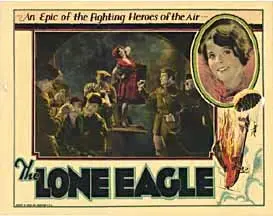
Is The Lone Eagle a film that demands your attention in the 21st century? Short answer: Yes, but primarily as a psychological artifact rather than an action spectacle. While modern audiences are accustomed to the high-octane choreography of Top Gun, this 1927 silent relic offers something far more uncomfortable: a raw look at the terror of the skies before the romanticism of the 'Ace' pilot was fully codified by Hollywood.
This film is for the patient cinephile who finds beauty in the grain of old celluloid and the expressive, sometimes exaggerated, performances of the silent era. It is absolutely not for those who require rapid-fire editing or a traditional orchestral score to stay engaged. This is a slow-burn study of a man coming apart at the seams at ten thousand feet.
To understand the impact of The Lone Eagle, one must look past the technical limitations of its time. It occupies a strange, liminal space in cinema history, released the same year as the Oscar-winning Wings, yet it feels more intimate and perhaps more cynical about the nature of heroism.
The Lone Eagle doesn't just show us planes; it shows us the vulnerability of the men inside them. Raymond Keane, playing William Holmes, delivers a performance that is remarkably restrained for 1927. In the scene where he first encounters the enemy, his eyes don't just register shock; they register a total collapse of the self. He isn't a hero; he is a child trapped in a canvas-and-wire coffin. This specific moment of paralysis is the film’s strongest asset, grounding the high-flying adventure in a very human frailty.
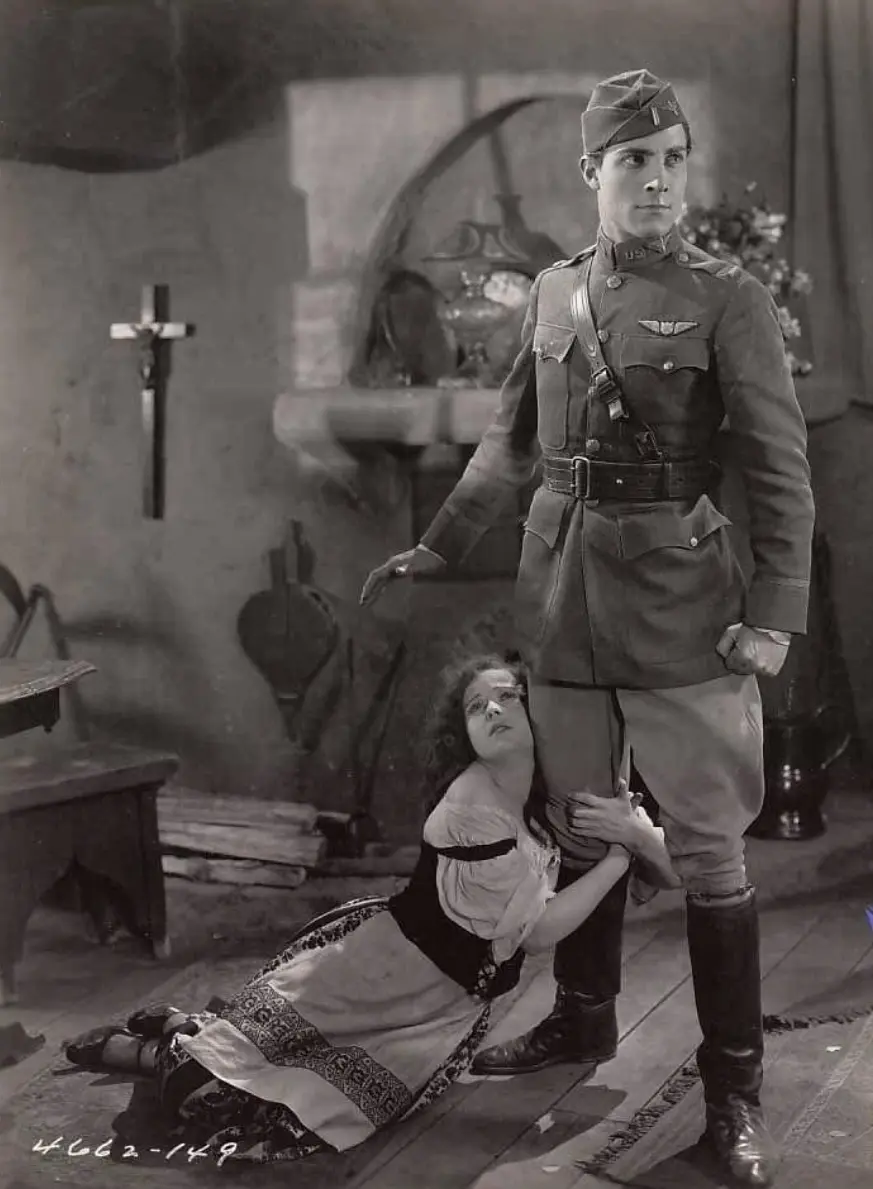
The direction by Emory Johnson (often associated with his mother, writer Emilie Johnson) leans heavily into the claustrophobia of the cockpit. Even though the cameras of the era were bulky, the framing creates a sense of being trapped. You feel the wind—or at least the idea of it—as the planes dip and dive. It lacks the massive scale of The Wolf Man (1924) or the domestic charm of The Narrow Street, but it finds its own rhythm in the clouds.
Yes, The Lone Eagle is worth watching if you value historical context and the development of visual storytelling. It provides a fascinating bridge between the early experimental shorts and the sophisticated war dramas of the 1930s. The film captures a specific post-WWI disillusionment that is often scrubbed from more 'patriotic' features of the same period.
The inclusion of Trixie the Dog might seem like a gimmick to modern viewers, but in the context of 1920s cinema, animals were often used as emotional barometers. Trixie serves as a grounding element for Holmes, a silent witness to his internal shame. It’s a strange, almost surreal choice that works surprisingly well to humanize a character who is otherwise spiraling into self-loathing.
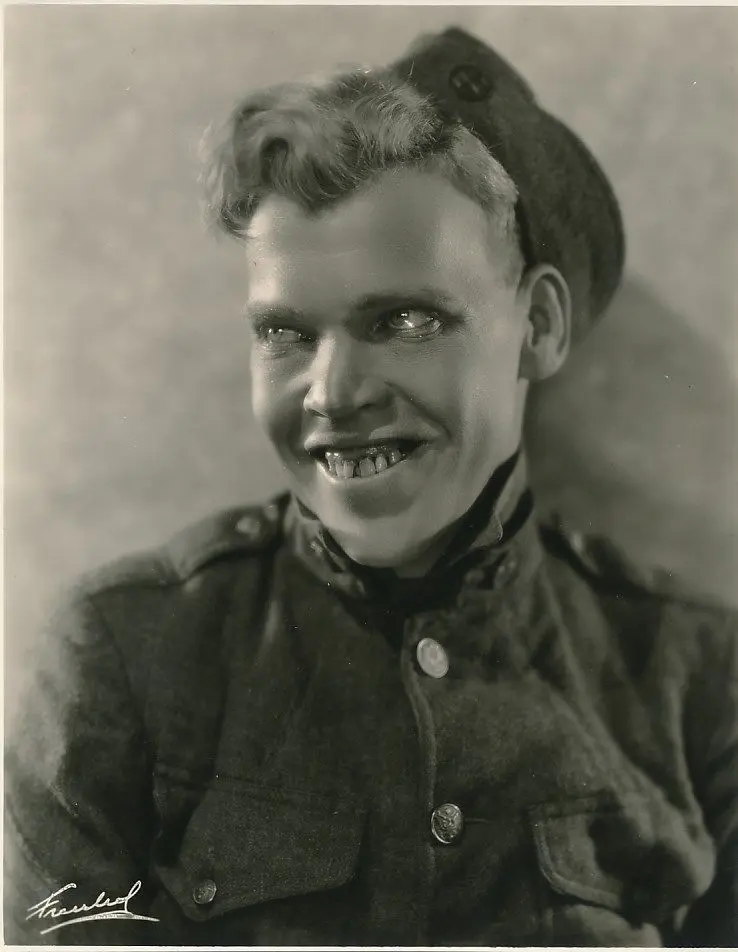
The writing team, including Emilie Johnson and Tom Reed, avoids the easy path. They could have made Holmes a misunderstood genius of the air. Instead, they make him a coward. This is a bold choice for 1927. In a scene midway through the film, Holmes sits alone in the mess hall while the other pilots celebrate. The camera lingers on his shaking hands—a simple, punchy visual that communicates more than ten pages of dialogue could. It works. But it’s flawed by the era’s need for a tidy resolution.
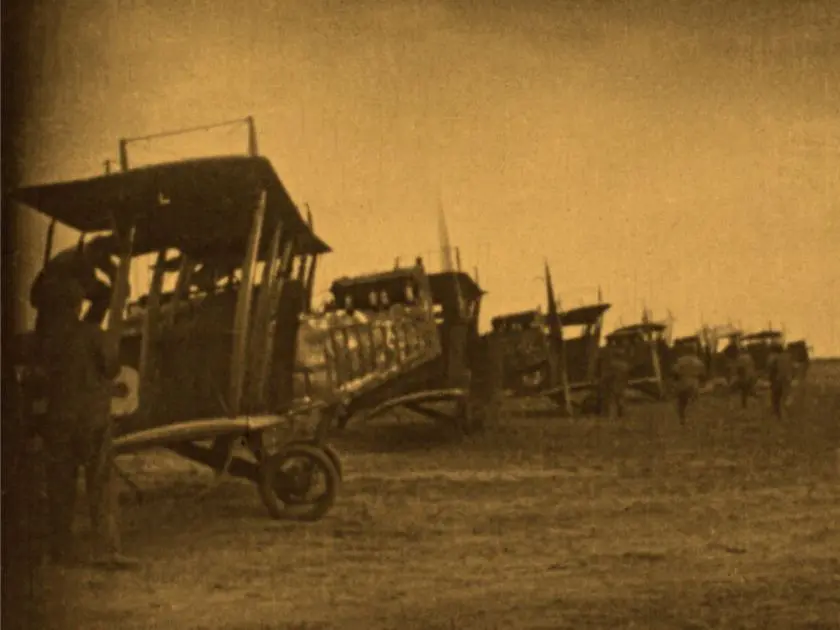
Compared to the melodrama of The Dawn of Love, The Lone Eagle feels significantly more grounded. It doesn't rely on grand romantic gestures to drive the plot; it relies on the sound of an engine and the fear of it stopping. The script treats the aircraft not as tools of war, but as extensions of the pilots' nervous systems. When a plane smokes, the man inside withers.
Visually, the film is a masterclass in using light to convey mood. The contrast between the bright, overexposed airfield and the dark, shadow-drenched interior of the barracks creates a visual shorthand for Holmes’ mental state. When he is in the light, he is expected to be a hero. In the shadows, he is allowed to be afraid. This isn't subtle, but it is effective.
The aerial photography, while primitive by today’s standards, has a terrifying authenticity. There are no digital safety nets here. When you see a biplane banking sharply, you are seeing a real stunt pilot risking their life for the shot. This physical stakes-driven filmmaking is something we’ve lost in the age of green screens. It gives the film a weight that transcends its age.
Pros:
Cons:
One of the most striking things about The Lone Eagle is how it handles the concept of 'the enemy.' We rarely see the German pilots as anything other than distant specks or looming shadows. This depersonalization makes the fear more abstract and, paradoxically, more terrifying. It’s not a man Holmes is afraid of; it’s the sky itself. This is an observation rarely made in contemporary reviews, which often focused on the technical 'thrills' of the dogfights.
Furthermore, the film’s obsession with the 'Lone' aspect of the title is fascinating. While Holmes is part of a squadron, he is visually isolated in almost every frame. Even in a crowded room, the camera finds a way to segment him off. This visual isolation mimics the loneliness of the pilot in the air, a theme later explored in films like The Enchanted City but rarely with this much focus on fear.
The Lone Eagle is a fascinating, if occasionally uneven, exploration of the human spirit under fire. It lacks the polish of a modern blockbuster, but it possesses a grit and a psychological honesty that many contemporary war films lack. It isn't just a movie about planes; it’s a movie about the terror of being seen for who you truly are. It is a vital piece of silent cinema history that deserves a spot in the conversation about the evolution of the war genre.
Ultimately, while it may not reach the heights of something like Headin' Home in terms of cultural impact, it remains a poignant reminder that the bravest thing a man can do is admit he is afraid. It’s a film that asks us to look at the 'coward' and see ourselves. And in that, it is timeless.
IMDb —
1919
Community
Log in to comment.