DbcultAccessing Vault...
Cult Review
Senior Film Conservator
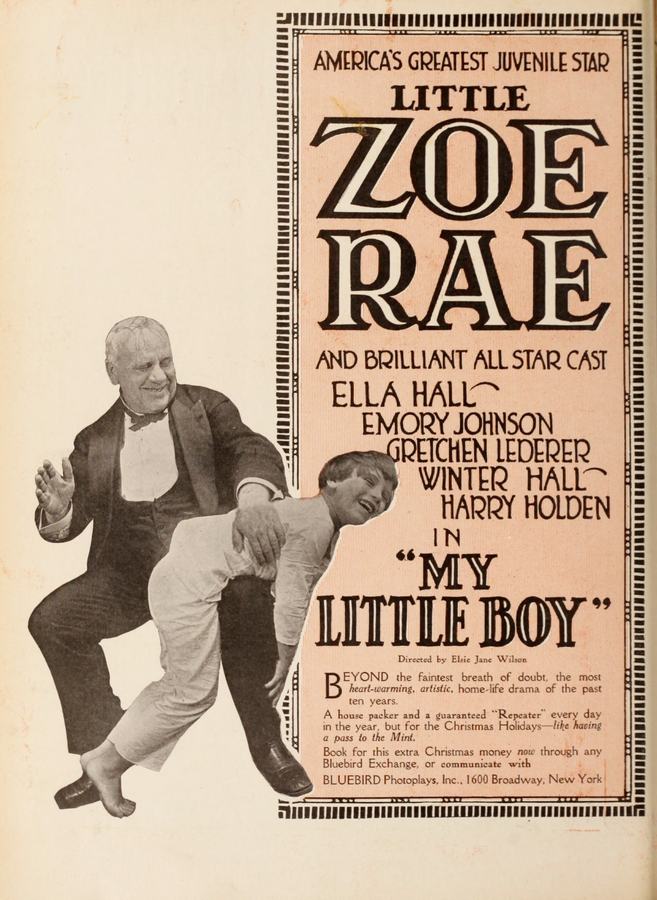
There's a particular enchantment to rediscovering films from the nascent days of cinema, especially those that, despite their age, manage to touch upon universal truths with an almost disarming simplicity. 'My Little Boy,' a quiet, evocative drama penned by Elliott J. Clawson and Rupert Julian, is precisely such a picture. It hails from an era where storytelling often relied on broad strokes of sentiment and gesture, yet within its seemingly straightforward narrative lies a profound exploration of family dynamics, the transformative power of innocence, and the enduring spirit of forgiveness. This isn't just a relic; it's a testament to the timeless appeal of human connection.
At its core, 'My Little Boy' is a domestic drama, a genre that, even in the early 20th century, held a powerful sway over audiences. We are introduced to Fred and Clara, portrayed with a gentle earnestness by Harry Holden and Ella Hall, respectively. Their union is presented as one of deep affection and shared aspiration, a bedrock upon which they intend to build their future. The arrival of their child, whom they lovingly name Little Boy Blue (brought to life with remarkable precocity by Zoe Rae), completes their vision of domestic bliss. This foundational happiness, however, is not without its shadows, cast by a pre-existing estrangement between Fred and his uncle. This familial rift, a common dramatic device, serves as the central conflict, providing the narrative with its emotional tension and ultimately, its redemptive arc.
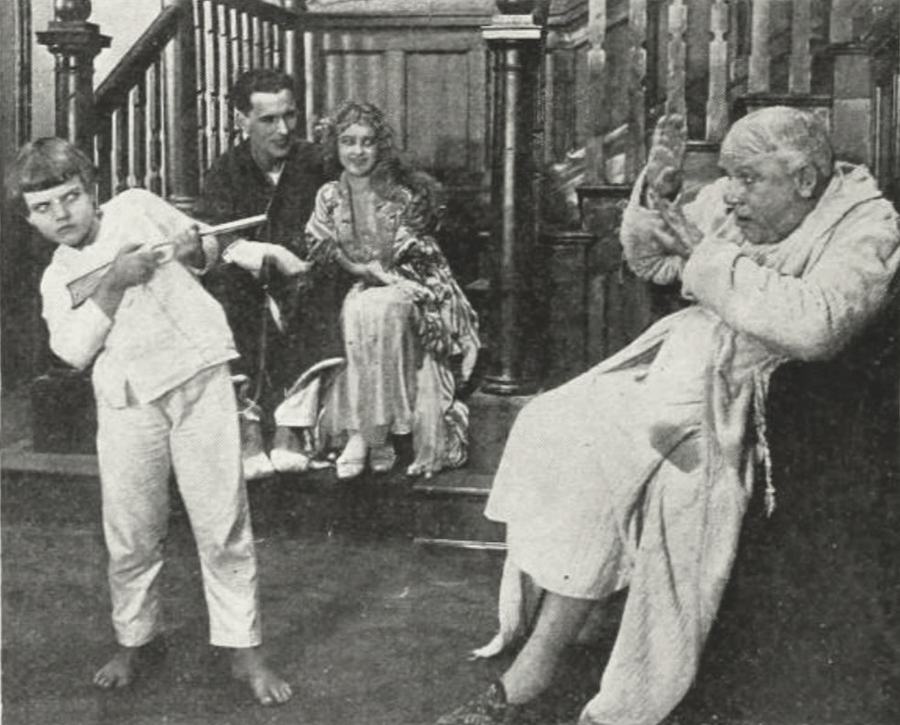
What's striking about 'My Little Boy' is how it leverages a seemingly simple premise to delve into complex emotional landscapes. The uncle, a character whose motivations are initially shrouded in a somewhat rigid, almost Victorian sternness, embodies the stubborn pride that often prevents familial healing. Winter Hall, in the role of the estranged uncle, delivers a performance that, while constrained by the acting conventions of the period, effectively conveys a man hardened by unspoken grievances. His arrival for Christmas, ostensibly a gesture of reconciliation, is fraught with a palpable tension. The hopes of Fred and Clara for a full mending of ties are palpable, and the audience is invited to share in their yearning for harmony.
The script, a collaborative effort by Elliott J. Clawson and Rupert Julian, masterfully sets up this conflict. Clawson, known for his prolific output and ability to craft compelling narratives, often explored themes of moral struggle and redemption. Here, his hand is evident in the careful pacing of the emotional beats. Julian, who also directed many films, likely contributed to the visual storytelling, though his directorial credit for 'My Little Boy' isn't explicitly listed in all historical records. Regardless, the narrative unfolds with a clear trajectory, building towards the inevitable clash when the uncle's deep-seated objections to Little Boy Blue come to the fore. This isn't merely a minor disagreement; it's a profound rejection that threatens to shatter the fragile truce of the holiday season.
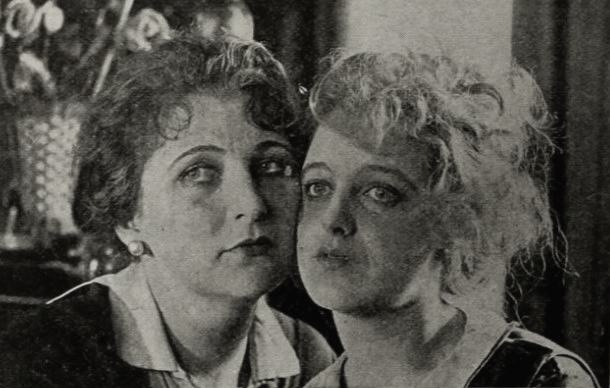
The genius of the film lies in its choice of antagonist: not an external villain, but an internal, self-imposed barrier of pride and prejudice. The uncle's aversion to the child is not explained with explicit detail, allowing the audience to project their own understanding onto his character. Is it a reflection of past hurts? A fear of vulnerability? Or simply a manifestation of a curmudgeonly disposition? This ambiguity, far from being a weakness, strengthens the film's emotional impact, making the eventual resolution all the more powerful. Gretchen Lederer and Emory Johnson, though perhaps in supporting roles, likely contributed to the film's ensemble, providing texture to the family's world.
Little Boy Blue, as embodied by Zoe Rae, is more than just a character; he is the narrative's fulcrum, the innocent agent of change. Early cinema often utilized children to evoke strong emotional responses, and 'My Little Boy' is no exception. Rae's performance, even through the lens of early film techniques, manages to convey the universal charm and unblemished spirit of a child. It is through his unwitting actions, his simple presence, and the sheer vulnerability he represents, that the film begins to wring the heartstrings. The story doesn't rely on grand gestures or dramatic pronouncements; instead, it focuses on the subtle shifts in perception, the gradual erosion of the uncle's resolve, brought about by the pure, unadulterated essence of childhood.
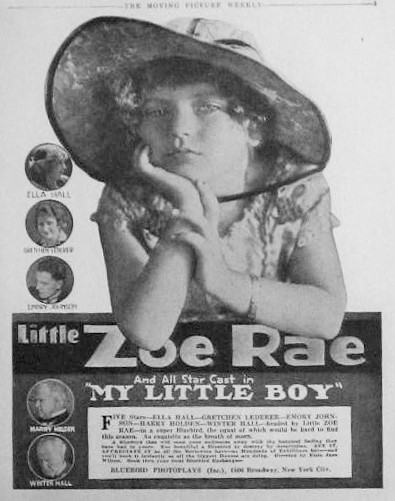
The film's most potent moments often involve silent interactions, stolen glances, and the uncle's internal struggle as he grapples with his own prejudices against the overwhelming force of the child's innocence. This slow, almost imperceptible thawing of a hardened heart is where 'My Little Boy' truly excels. It’s a testament to the power of non-verbal storytelling, a hallmark of the silent era. The intertitles, though sparse, are used effectively to convey crucial dialogue and emotional states, guiding the audience through the narrative's emotional currents without over-explanation.
To appreciate 'My Little Boy' fully, it's helpful to place it within the broader context of early cinema. While films like Tillie's Punctured Romance offered boisterous slapstick and overt comedic relief, 'My Little Boy' leans into a more earnest, sentimental drama, a genre that was equally popular and significant in shaping audience expectations. Unlike the broad comedic strokes of Tillie's Punctured Romance or the thrilling espionage of Filibus, 'My Little Boy' finds its drama in the quiet corners of domestic life. It shares thematic echoes with other family-centric dramas of the period, where the home was often depicted as both a sanctuary and a battleground for emotional conflicts. Films like Molly Entangled or Chains of the Past, while perhaps exploring different facets of familial strife, similarly tapped into the audience's inherent understanding of relational complexities.
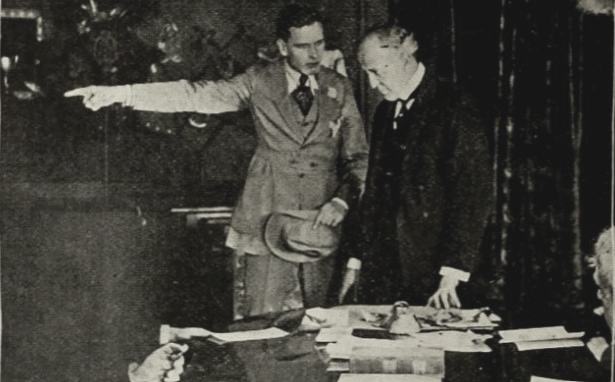
The narrative's focus on reconciliation through a child's influence is a recurring motif in storytelling, one that resonates deeply across cultures and generations. It avoids the more cynical portrayals of society often seen in films like The Conspiracy or the stark realism that might be found in a film like Law of the Land, instead choosing a path of emotional optimism. The film's strength lies in its unpretentious embrace of sentimentality, a quality that, when executed with sincerity, can be incredibly moving. It's a reminder that not all cinematic narratives need to be groundbreaking in their structure or shocking in their content to leave a lasting impression. Sometimes, the simplest stories, told with heartfelt conviction, are the most profound.
The climax of 'My Little Boy' is a masterclass in emotional release, perfectly timed for the Christmas setting. The narrative builds to a crescendo where the uncle's defenses finally crumble, not through logical argument or external pressure, but through a genuine, visceral connection to Little Boy Blue. The film meticulously crafts this turning point, ensuring that the reconciliation feels earned rather than forced. It’s a moment of profound catharsis, not just for the characters on screen, but for the audience watching. The 'things that happen that wring the heartstrings' are not sensationalistic; they are the quiet, often overlooked moments of human vulnerability and connection that ultimately bridge divides.
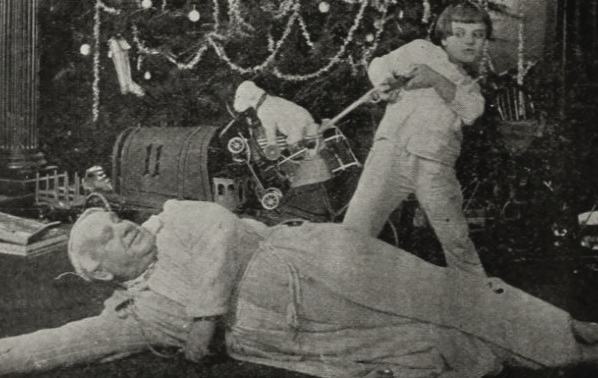
The imagery of a 'truly happy Christmas morning' is potent. It symbolizes renewal, forgiveness, and the triumph of love over bitterness. This resolution, while perhaps predictable to a modern audience accustomed to more ambiguous endings, was a powerful affirmation of traditional values for its contemporary viewers. It offered a comforting vision of family unity restored, a potent balm in an era of rapid social and industrial change. The film doesn't shy away from its sentimental core; it embraces it wholeheartedly, creating an experience that is both heartwarming and genuinely affecting.
While 'My Little Boy' may not feature on every list of groundbreaking cinematic achievements, its value lies in its earnest portrayal of human emotion and its skillful execution of a timeless narrative. It serves as a valuable window into the popular sensibilities of early 20th-century American cinema, showcasing the kinds of stories that resonated most deeply with audiences. The performances, particularly by Harry Holden and Ella Hall as the devoted parents and Zoe Rae as the titular child, ground the story in an accessible reality, making their emotional journey relatable across the decades. Winter Hall’s portrayal of the uncle, while adhering to the dramatic conventions of the era, still manages to convey a compelling transformation.
The film's enduring message about the importance of family, the power of forgiveness, and the redemptive influence of a child's innocence remains as relevant today as it was upon its release. It's a gentle reminder that some of the most profound dramas unfold within the confines of our own homes, and that the greatest victories are often won not on battlefields, but in the quiet chambers of the human heart. 'My Little Boy' is a small, luminous gem from early cinema, a film that, despite its age, still possesses the capacity to stir the soul and affirm the enduring power of love and reconciliation. It's a charming piece of history, a narrative thread woven into the vast tapestry of cinematic storytelling that continues to shine with a quiet, persistent glow, inviting us to reflect on our own familial bonds and the profound impact of those we hold most dear.
In an age saturated with spectacle and cynicism, revisiting a film like 'My Little Boy' offers a refreshing counterpoint. It champions the virtues of patience, empathy, and the often-unseen miracles that occur when hearts are open to change. The writers, Elliott J. Clawson and Rupert Julian, crafted a story that, while simple in premise, is rich in emotional texture and universal appeal. Their work, brought to life by a dedicated cast including Gretchen Lederer and Emory Johnson, ensures that 'My Little Boy' stands as a testament to the enduring power of narrative to explore the depths of human experience, leaving viewers with a sense of warmth and hope. It’s a film that quietly asserts that even the most stubborn divides can be bridged, especially when a 'little boy blue' lights the way.
IMDb —
1916
Community
Log in to comment.