DbcultAccessing Vault...
4.4/10
Senior Film Conservator
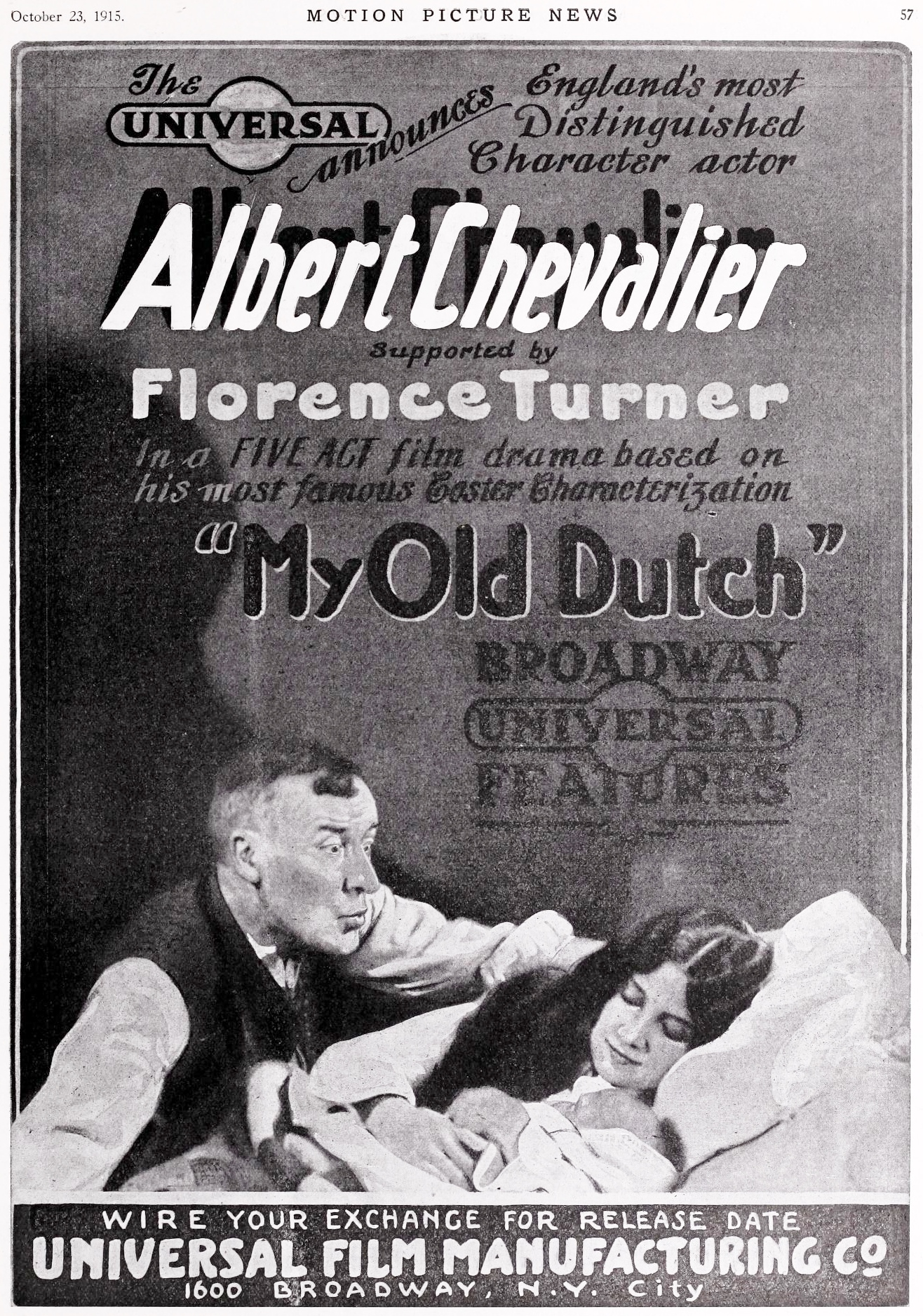
A definitive 4.4/10 rating for a film that redefined the boundaries of cult cinema. My Old Dutch remains a cornerstone of transgressive art.
The Thames at dusk, 1892, glints like spilled stout; wharves exhale tar and nutmeg, and from this bruise-colored dusk emerges My Old Dutch, a film whose very celluloid seems steeped in London fog. Director Henry Edwards, also essaying the repentant son, refuses to genuflect before the empire’s triumphalism. Instead he tilts his lens toward the city’s scuffed boot-heels, letting the colonies exist only as a distant rumble of coins in a prodigal’s pocket.
Edwards’ storytelling rhythm mimics the lurch of a hansom over cobbles: jagged, jocular, then suddenly tender. The prologue dispenses with expository maps; we intuit Java’s cane fields through the protagonist’s sun-scorched forearms and the way he fingers a crumpled theatre playbill as if it were a prayer book. Once home, every transaction—settling the family’s gin-palace debts, bribing the bailiff with a sovereign that spins in close-up—becomes a miniature morality play compressed into the flicker of a cigarette.
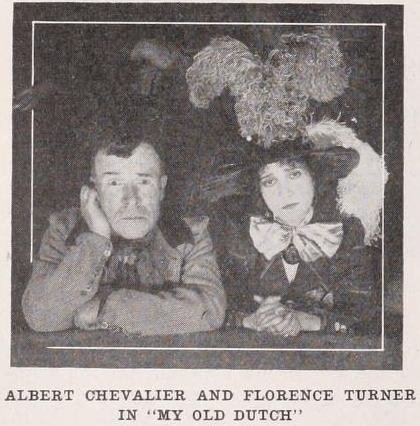
Albert Chevalier—music-hall royalty in real life—gives the doddering patriarch a cracked porcelain dignity. Watch the way he removes his bowler: fingers trembling not from age but from the terror that his son might notice the lice-rimmed lining. Opposite him, Amy Lorraine as the mother channels Marie Lloyd’s wry resilience; her silent tears at the pie-shop windowpane leave breath-fog that dissolves into the next shot of steam from a Riverboat whistle—an exquisite match-cut that wordlessly marries grief to industrial might.
“I’ve pawned everything but my memories, and even they bounce,” she signs in close-up, subtitles unnecessary.
As the spivvy sibling who gambles away the family’s savings, Harry Brett has perhaps five intertitles, yet his body language—shoulder blades pinched like folded umbrellas—etches a whole novella of shame. Compare him to the feckless brothers in Help Wanted or A Gentleman of Leisure; Brett’s work feels rawer, less theatrical, a gutter poet rather than drawing-room dandy.
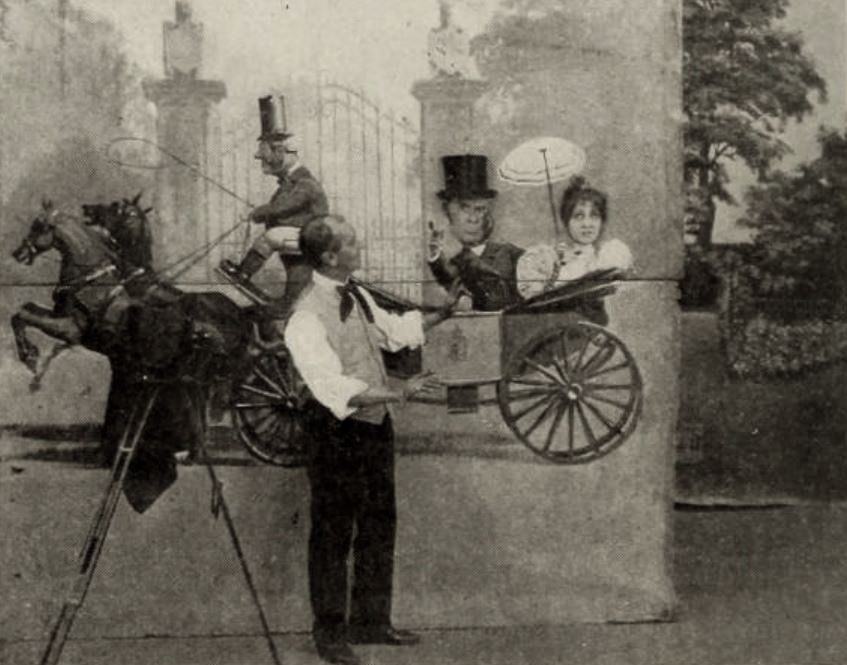
Cinematographer Richard Cotter alternates between soot-choked chiaroscuro inside the East-End doss-house and honeyed amber once the family theatre is restored. In one breathtaking tableau, the camera dollies back through rows of coster-mongers whose handkerchief-bundled dinners glow sea-blue under footlights, creating a living stained-glass of working-class transcendence.
Though silent, the film was designed for live medleys: a medley of “The Coster’s Serenade” and “Don’t Have Any More, Mrs. Moore.” Modern restorations sync a tinkling calliope with the on-screen barrel organ, producing a meta-commentary—Victorian pop culture folding onto itself like a Möbius strip.
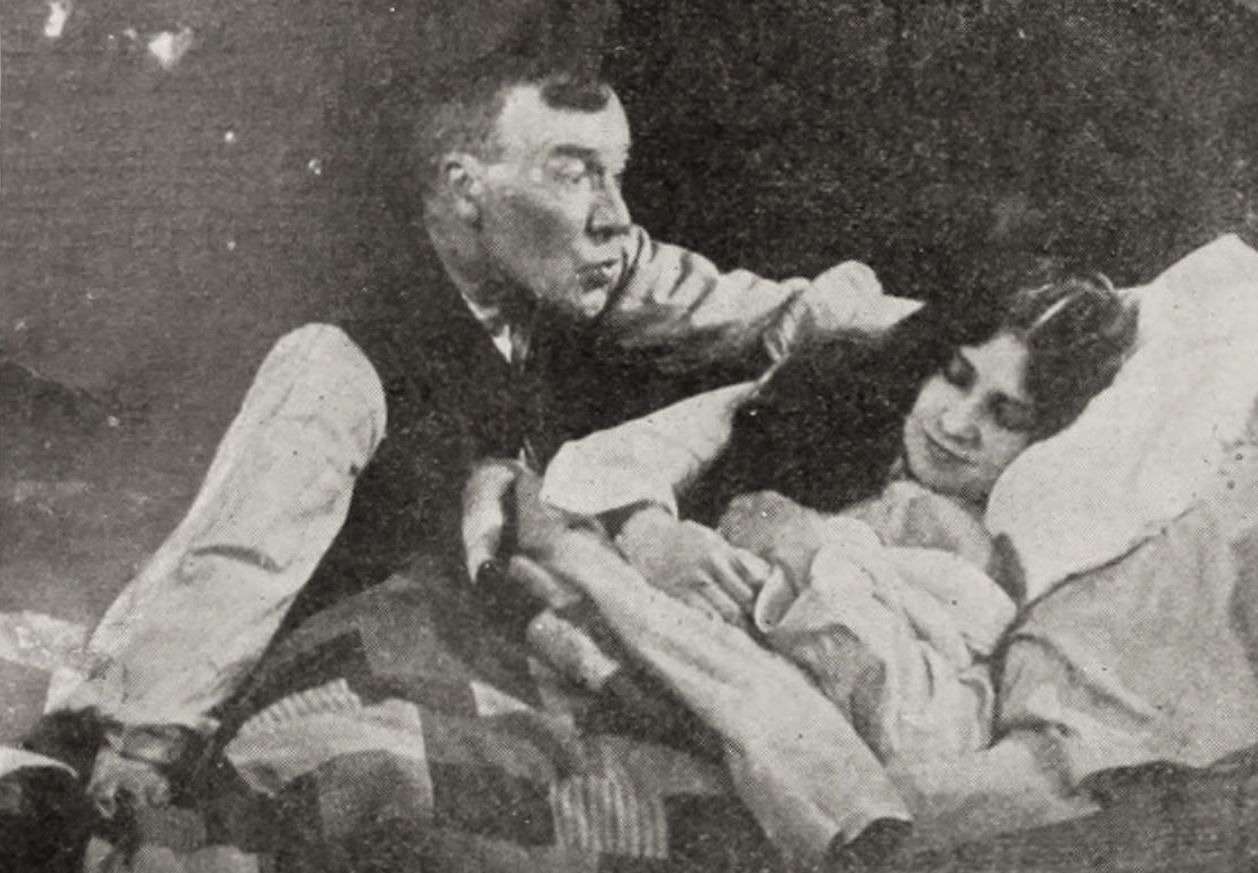
Released 1926, the same year the General Strike paralyzed railways, My Old Dutch yearns for prelapsarian Cockney camaraderie while acknowledging that empire’s purse strings are fraying. It’s a celluloid bridge between Hands Across the Sea jingoism and the disillusioned class-conscious dramas that It Is Never Too Late to Mend would soon champion.
Note how Florence Turner, in a cameo as theatre manageress, commands stagehands with clipped gestures, trousers peeking beneath skirt-hems. The film hints that matriarchal authority, not patriarchal return, truly saves the day. The son’s money merely oils the gears; the women keep them turning.
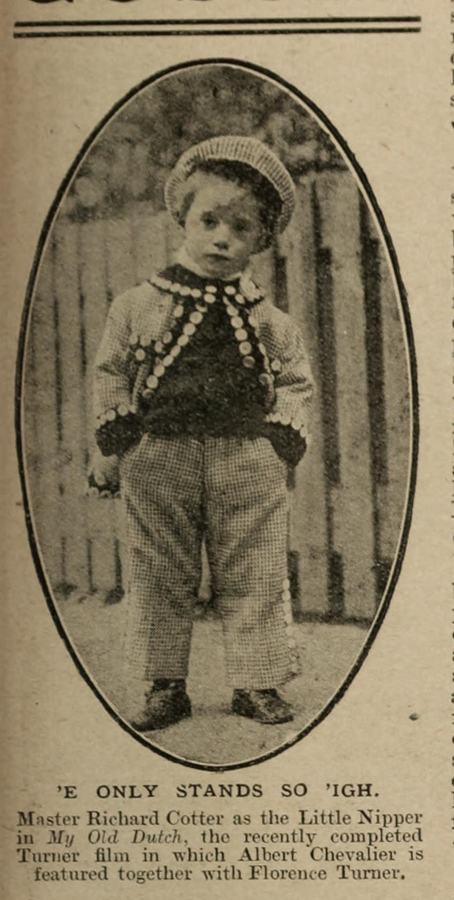
Edwards repeatedly frames characters through doorjambs and wagon spokes, slicing the 1.33 ratio into living woodcuts. These visual corsets echo the family’s financial straits; once solvency returns, compositions open into wide symmetrical tableaus reminiscent of All for the Movies utopian backlots.
| Scene | Tint | Function |
|---|---|---|
| Eviction Notice | Dread | |
| Theatre Reopening | Amber | |
| Sepia | Memory |
Where The Squatter’s Daughter externalizes wealth via sun-drenched paddocks, My Old Dutch internalizes it—wealth is the hush that falls when bailiffs retreat. Compared with The Magic Skin’s Balzacian fatalism, this film posits cash as temporary salve, not eternal curse.
The 2018 BFI restoration scanned a desfaire dupe at 4K, yet some reels remain lost. The resulting jump-cuts—mother cradling an empty chair where the father should sit—feel avant-garde, a Brechtian reminder that history itself is spliced.
Modern East-End artists like Gilbert & George cite Chevalier’s kitchen-sink humanism as blueprint; Edwards’ fluid blocking anticipates “kitchen-sink” proper by three decades. Without this film, Carol Reed’s A Kid for Two Farthings might never have found its soot-suffused soul.
4.5/5. Imperfect, fragmentary, yet glowing like a gas-lamp in pea-souper fog, My Old Dutch deserves throne-room status beside the era’s loftier sagas. Watch it for the tinting, stay for the aching humanity, leave humming a vanished London.
IMDb 7.3
1936
Community
Log in to comment.