DbcultAccessing Vault...
Cult Review
Senior Film Conservator
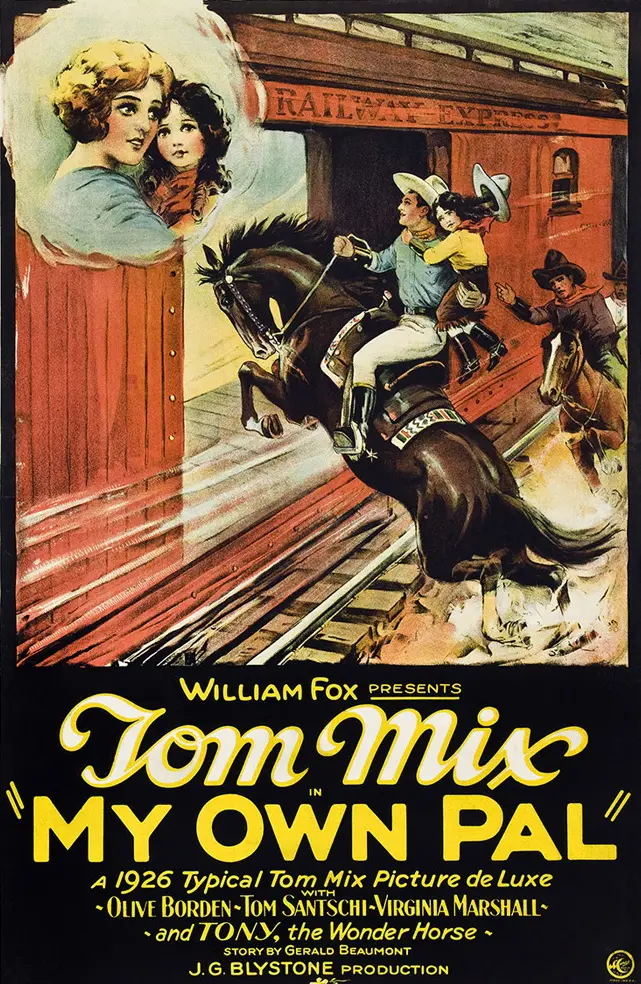
Is 'My Own Pal' a forgotten relic or a foundational text for the modern action hero? Short answer: It is an essential watch for those who appreciate the evolution of the stunt-man as a leading actor, though it may feel narratively thin to the casual viewer.
This film is for the silent cinema enthusiast and the historian of the American West; it is not for those who require complex dialogue or subverted tropes to stay engaged.
1) This film works because it leverages the genuine, tactile danger of 1920s stunt work, specifically the incredible synergy between Tom Mix and Tony the Wonder Horse.
2) This film fails because its plot relies on a dizzying array of coincidences that even for the era feel somewhat lazy and telegraphed.
3) You should watch it if you want to see the exact moment the 'Cowboy' archetype began to merge with the 'Urban Vigilante' trope.
Does 'My Own Pal' hold up in an era of CGI-enhanced spectacle? Yes, but only if you view it as a physical performance rather than a literary one. The film offers a raw look at the transition of the American hero from the wilderness to the city streets. It is a document of a changing world.
By 1926, Tom Mix was more than an actor; he was a brand. Unlike the gritty realism offered in films like The Vanishing American, Mix provided a sanitized, flamboyant version of the West. In 'My Own Pal,' we see O'Hara literally turning his back on the open range. It is a meta-commentary on the death of the frontier.
The opening scenes are paced with a restless energy. O'Hara isn't running from the law; he's running toward progress. This is a rare sentiment in Westerns of the time, which usually mourned the loss of the wild. Mix plays O'Hara with a breezy confidence that borders on the superhuman. He doesn't just ride; he performs.
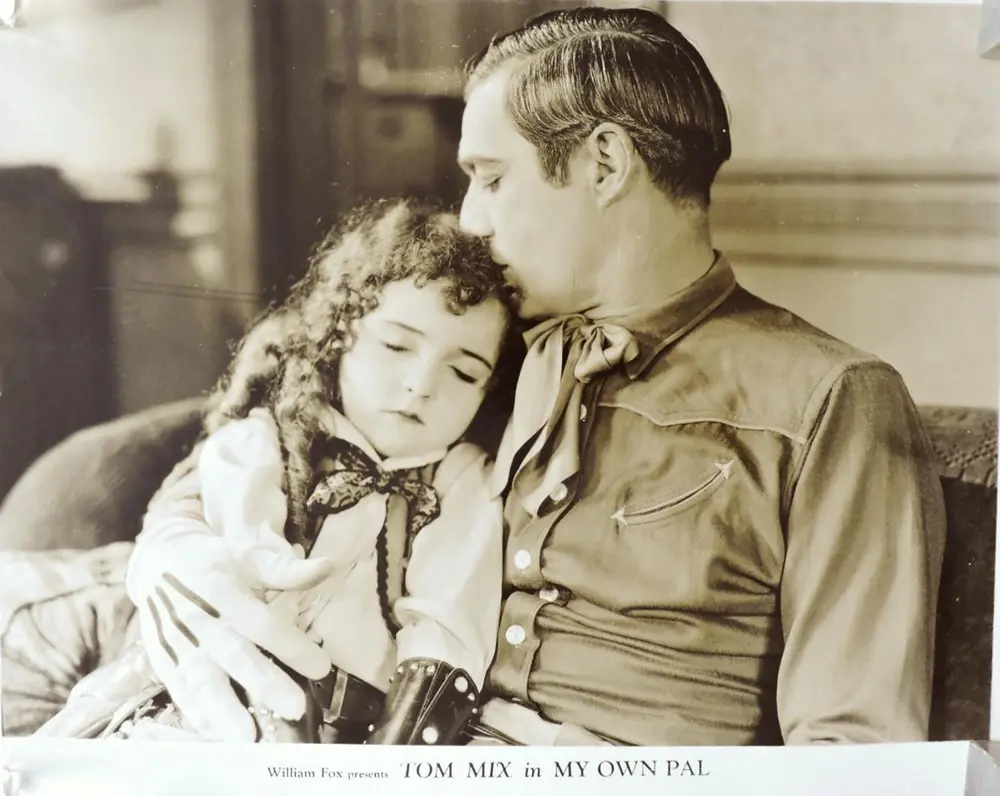
The circus sequence serves as the film’s emotional anchor. When Tom rescues Jill, the six-year-old performer, it isn't just about saving a child. It’s about the cowboy bringing his code of ethics into a world—the circus and later the city—that has abandoned them. The fight with the brutish father is choreographed with a punchy, athletic style that was Mix’s trademark.
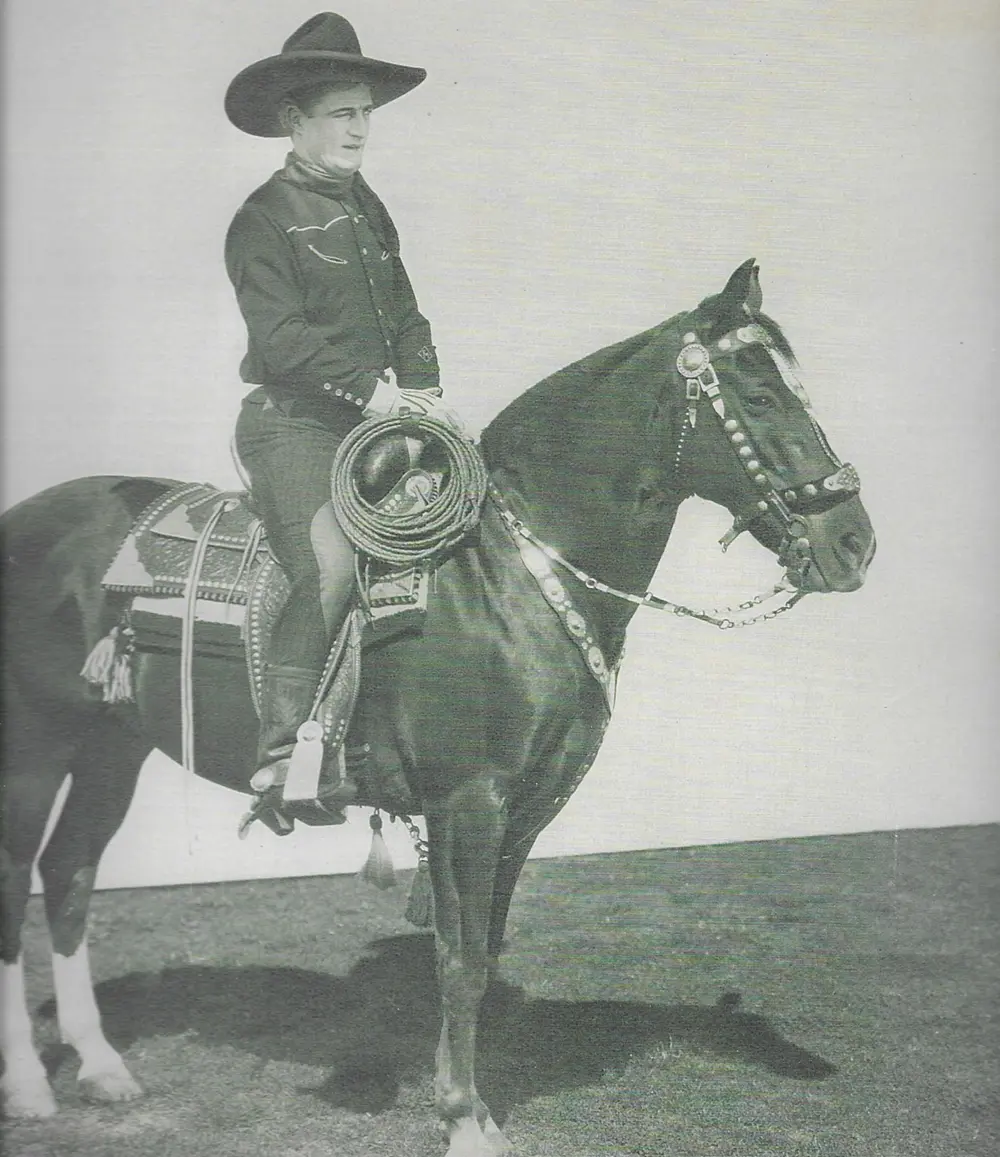
It is impossible to discuss this film without Tony the Wonder Horse. In many ways, Tony has more screen presence than the human supporting cast. The chemistry between man and beast is palpable. It is not just about a horse following commands; it is about a partnership that feels lived-in and authentic.
Take the scene where they jump onto the baggage car of a passing train. There are no green screens here. There are no safety nets. The sheer physicality of the moment is breathtaking. It reminds the modern viewer that silent cinema was often more dangerous to produce than anything we see in today’s Marvel-saturated landscape. Similar high-stakes rail action can be seen in The Dixie Flyer, but Mix adds a layer of equestrian grace that is unique to his filmography.
Tony’s role in the city is equally fascinating. A horse in the metropolis is a visual contradiction. It highlights O'Hara’s outsider status. When Tom rescues Alice from a runaway horse, it’s a moment of 'like curing like.' The cowboy uses his rural expertise to solve an urban crisis, securing his place in the modern hierarchy.
The second half of the film shifts gears into a proto-police procedural. Tom joining the police force is a fascinating narrative choice. It suggests that the only way for the cowboy to survive the 20th century is to wear a uniform and work within the system. This transition is handled with a surprising lack of friction, which is one of the film's weaker points.
The jewel thief subplot, led by Baxter Barton, feels slightly generic. It’s the standard 'gang of thieves' trope we see in films like Bring Him In. However, the way Mix uses his cowboy skills—tracking, lassoing, and high-speed chases—to take down these city criminals is where the entertainment lies. He isn't a detective; he's a hunter in a concrete jungle.
"The city may have taller buildings, but the shadows are the same as the canyons of the West. A man either stands for something, or he falls for anything." - A thematic sentiment echoed throughout O'Hara's journey.
The direction is functional but lacks the poetic depth found in the works of contemporaries like John Ford. The pacing is breakneck, which works in the film's favor. There is little time to dwell on the thinness of the characters because the next stunt is always just three minutes away. This is 'popcorn cinema' from a century ago.
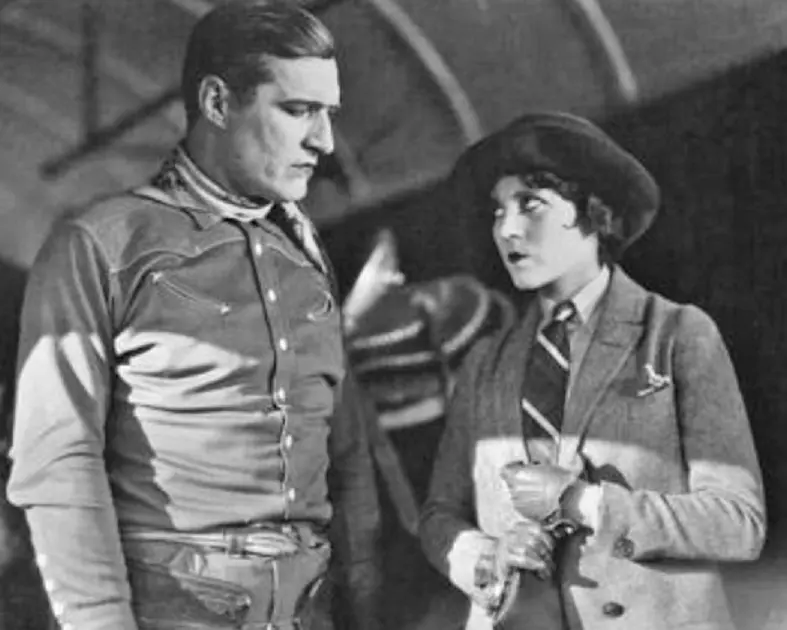
The cinematography by the Fox unit is crisp. The contrast between the dusty, wide-open shots of the prologue and the vertical, cramped framing of the city streets effectively communicates O'Hara's displacement. The use of light in the jewel robbery scene creates a sense of tension that was quite advanced for 1926. It lacks the expressionism of European films like Vampire, but it serves the action well.
The film is a masterclass in physical performance. Tom Mix was a genuine athlete, and it shows in every frame. The integration of the child character, Jill, adds a layer of sentimentality that, while manipulative, gives the audience a reason to root for O'Hara. The final chase sequence is a genuine thrill ride that utilizes the urban environment in creative ways.
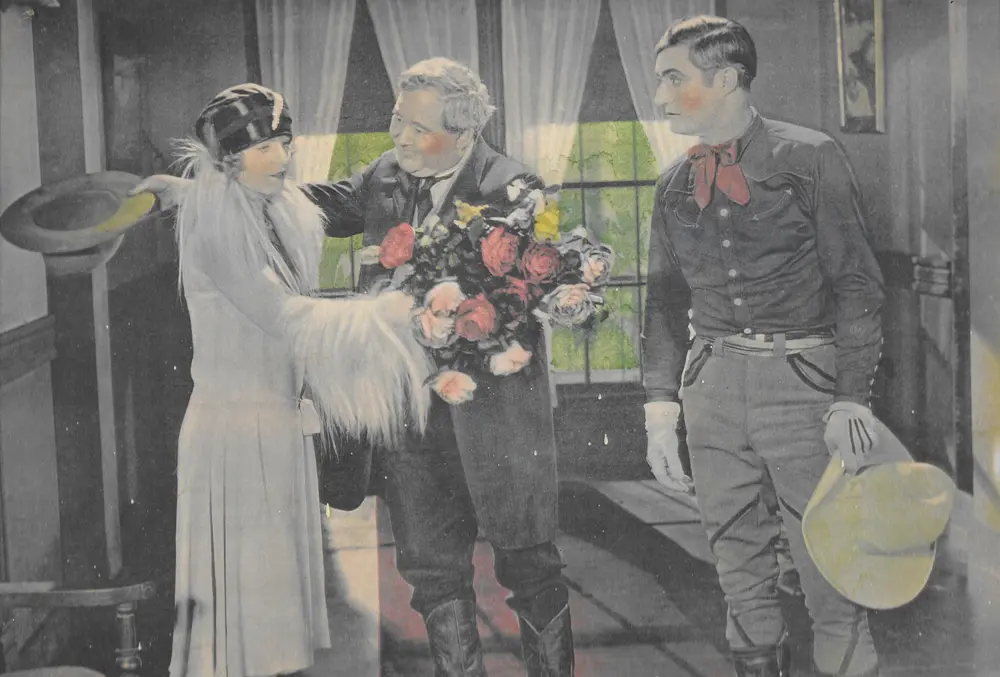
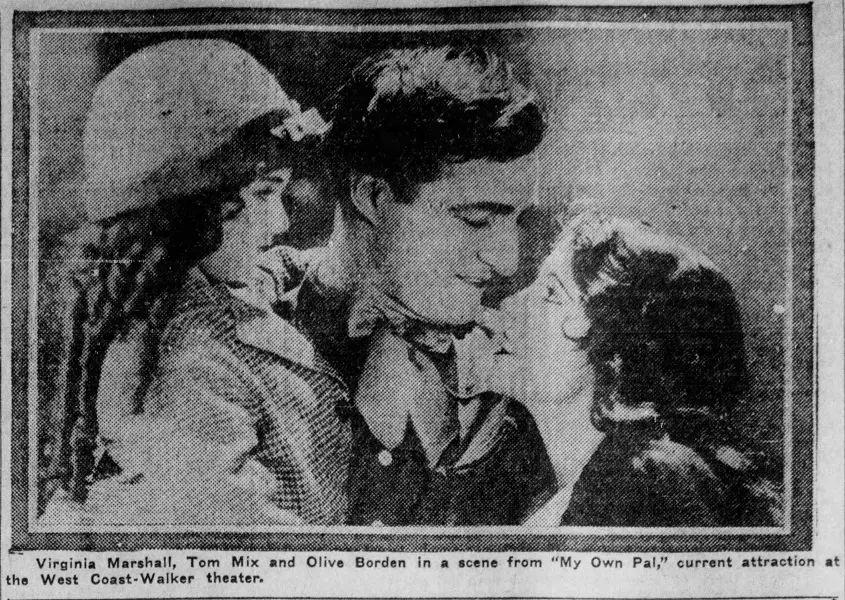
The romantic subplot with Alice Deering feels tacked on. There is very little chemistry between Mix and Virginia Warwick; she is largely there to be a 'damsel in distress.' Additionally, the film's internal logic is often sacrificed for the sake of a cool shot. For instance, the ease with which O'Hara joins the police force is laughably fast.
One of the most striking things about 'My Own Pal' is its optimism. Most films dealing with the 'death of the West' are somber affairs. This film, however, suggests that the cowboy spirit is exactly what the modern city needs. It’s a pro-urban Western, a rarity for its time. It claims that the city isn't the enemy; the 'bad men' are, regardless of where they live.
'My Own Pal' is a fascinating artifact. It isn't a masterpiece of storytelling. It works. But it’s flawed. Its value lies in its energy and its refusal to be a standard, dusty Western. Tom Mix was the bridge between the 19th-century frontier and 20th-century Hollywood, and this film is the perfect illustration of that bridge.
If you can overlook the simplistic morality and the coincidental plotting, you are left with a film that is surprisingly modern in its sensibilities. It understands that the audience wants to see a hero do the right thing, save the girl, and ride off into the sunset—even if that sunset is framed by skyscrapers instead of mountains. It is a loud, proud, and physically impressive piece of cinema that deserves a spot in the conversation of early American action films.
IMDb 6.2
1926
Community
Log in to comment.