DbcultAccessing Vault...
Cult Review
Senior Film Conservator
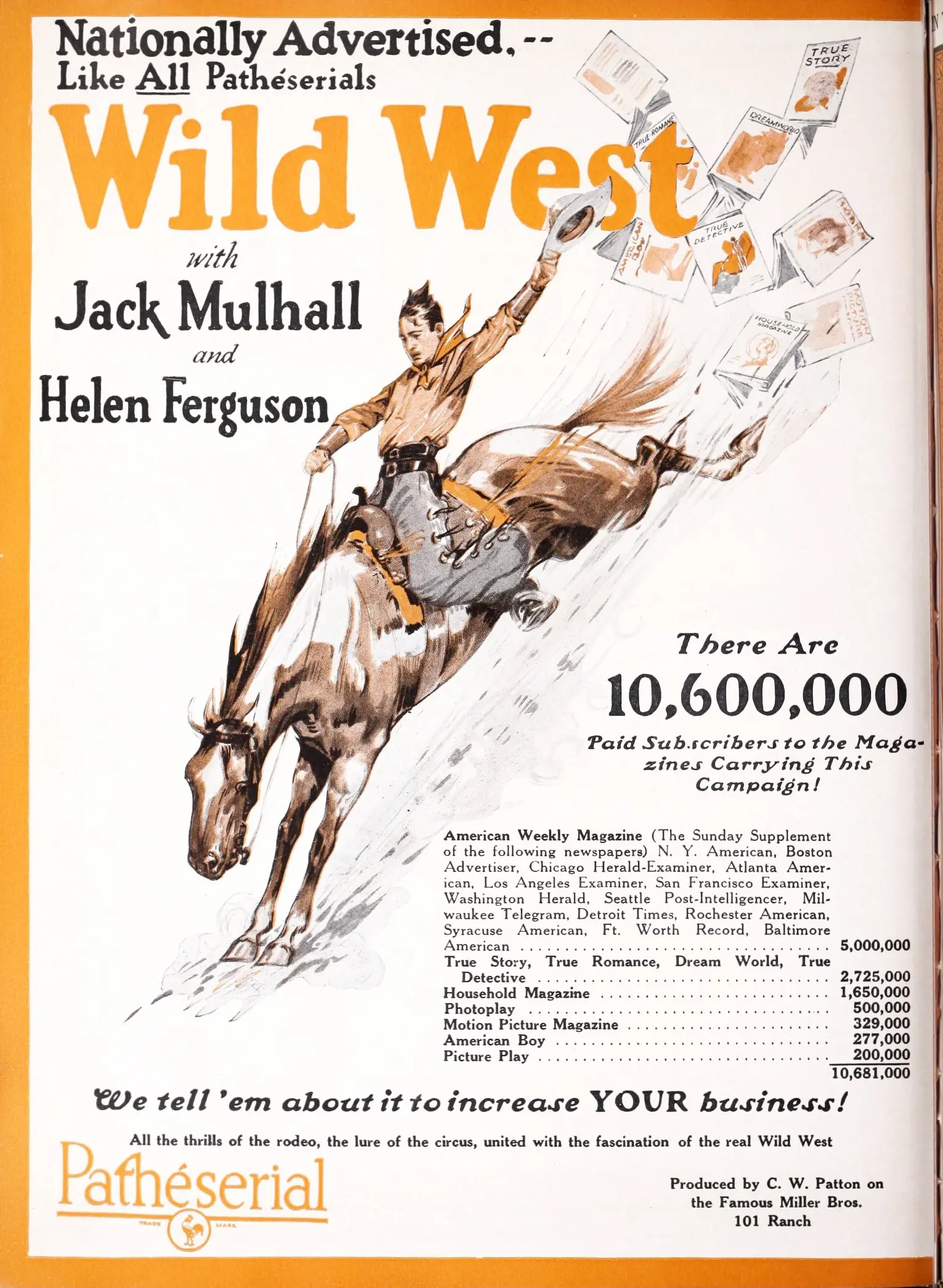
The cinematic landscape of 1923 was a crucible of experimentation, a year where the silent medium began to grasp the profound complexities of human identity and the weight of ancestral expectation. In this milieu, Wild West emerges not merely as a genre piece, but as a poignant exploration of the 'other.' Directed with a keen eye for the rugged aesthetics of the American frontier, the film grapples with the ontological dread of a man caught between two worlds, neither of which he truly belongs to. Jack Natteford’s screenplay provides a sturdy skeleton for this melodrama, weaving together the disparate threads of circus spectacle and Western grit.
At the heart of Wild West is the protagonist’s paralyzing belief in his own 'half-breed' status. In the context of early 20th-century cinema, this trope was often utilized to explore racial anxieties, yet here it serves a more internal, psychological function. Edward Burns delivers a performance of remarkable subtlety, his physicality conveying a man perpetually on the defensive. He is a character defined by what he believes he lacks—purity, status, and the right to love. This 'barrier of blood' is a self-imposed prison, a theme we see mirrored in other contemporary works like Eine weisse unter Kannibalen, where the collision of cultures dictates the emotional stakes.
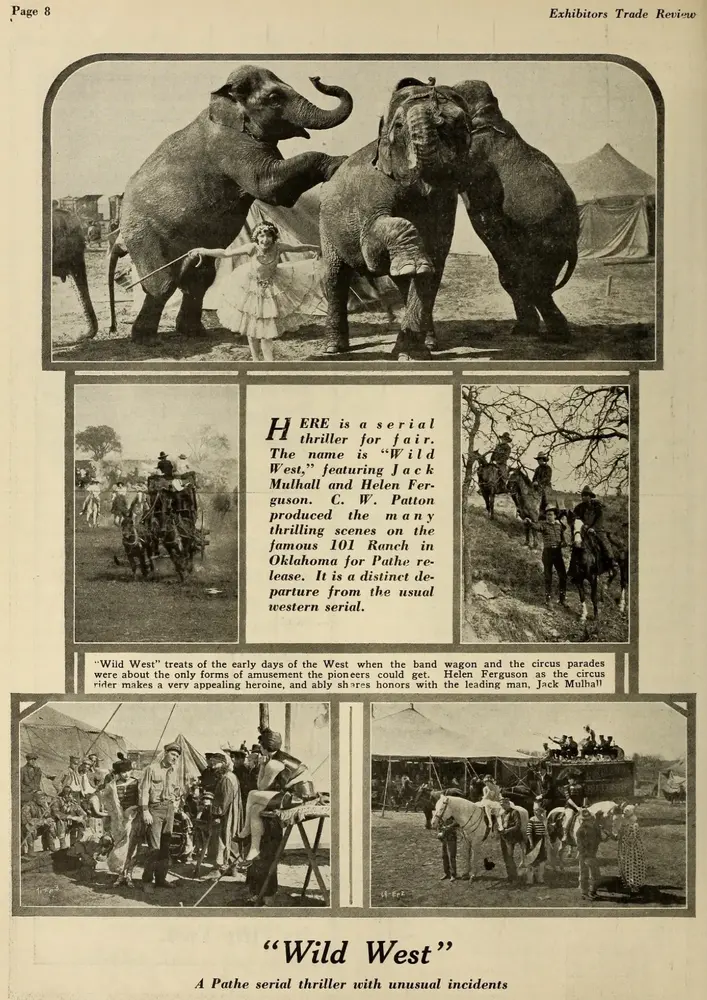
The hero’s reluctance to pursue the woman he loves is not born of a lack of passion, but of a profound sense of duty to a social hierarchy that he feels he has already failed. This internal conflict is what elevates the film above the standard fare of its era. It isn't just about the external threats—though those are plentiful—it is about the liberation of the self from the labels imposed by society. Much like the rugged individualism found in Singer Jim McKee, the protagonist must find his own moral compass in a world that has already judged him.
The introduction of the circus woman, played with a captivating blend of vulnerability and strength by Helen Ferguson, introduces a secondary layer of hidden identity. The circus, in the cinematic vocabulary of the 1920s, often represented a space of artifice and transformation. It is fitting, then, that an heiress to a fortune would be found among the acrobats and showmen. This juxtaposition of high-born blood and low-born profession creates a delicious irony that Natteford exploits with great skill. Ferguson’s character is a mirror to the protagonist; she is wealthy but doesn't know it, while he is 'noble' but believes himself base.
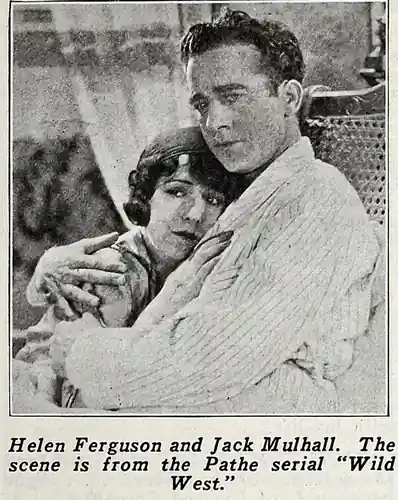
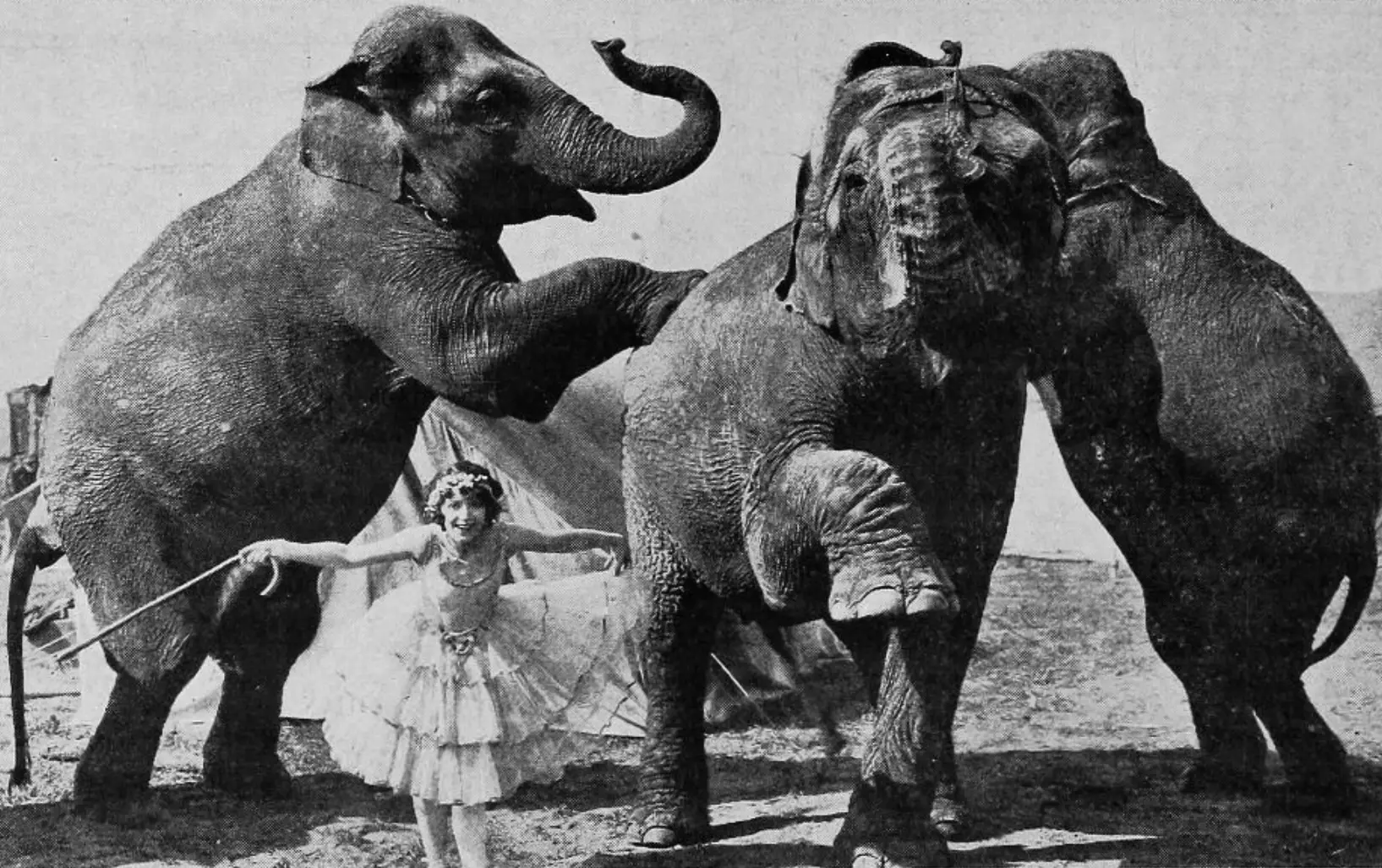
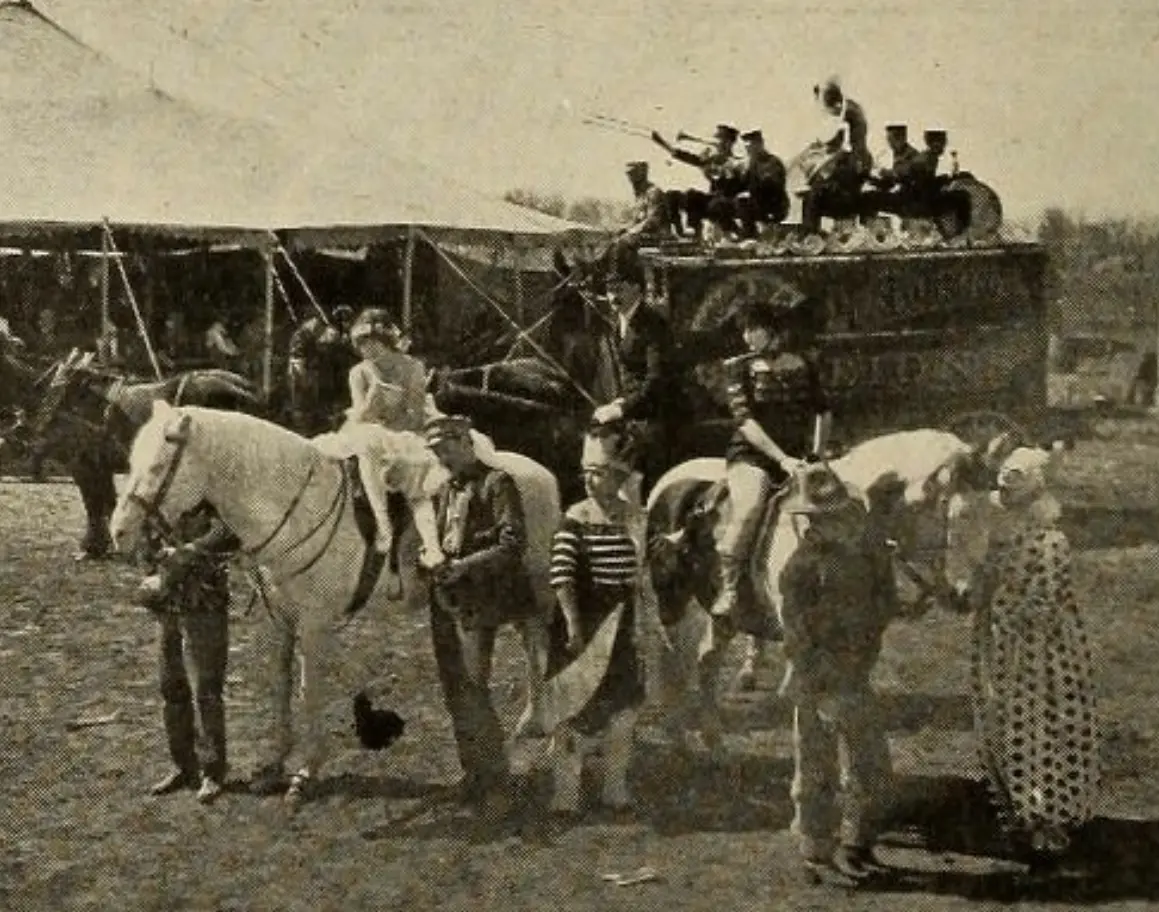
The production design within the circus sequences is surprisingly lush for a film of this period. The sea of canvas and the flickering torchlight provide a visual contrast to the stark, sun-bleached vistas of the open range. It is within this transient community that the two leads find a common language. Their love story is one of mutual recognition—two souls who exist on the periphery of 'polite' society finding a center in one another. This thematic resonance of finding family in unlikely places can be seen in the lighter, though no less poignant, Kids and Kidlets.
Every great silent melodrama requires a villain of significant gravity, and Jack Mulhall’s portrayal of the half-brother is masterfully sinister. The rivalry here is not merely for the hand of a beautiful woman, but a battle for legitimacy. The half-brother represents the darker side of the 'blood' theme—the entitlement and greed that often accompany hereditary power. His traps are not just physical; they are social. He uses the protagonist’s own insecurities against him, weaponizing the 'half-breed' label to maintain his dominance.
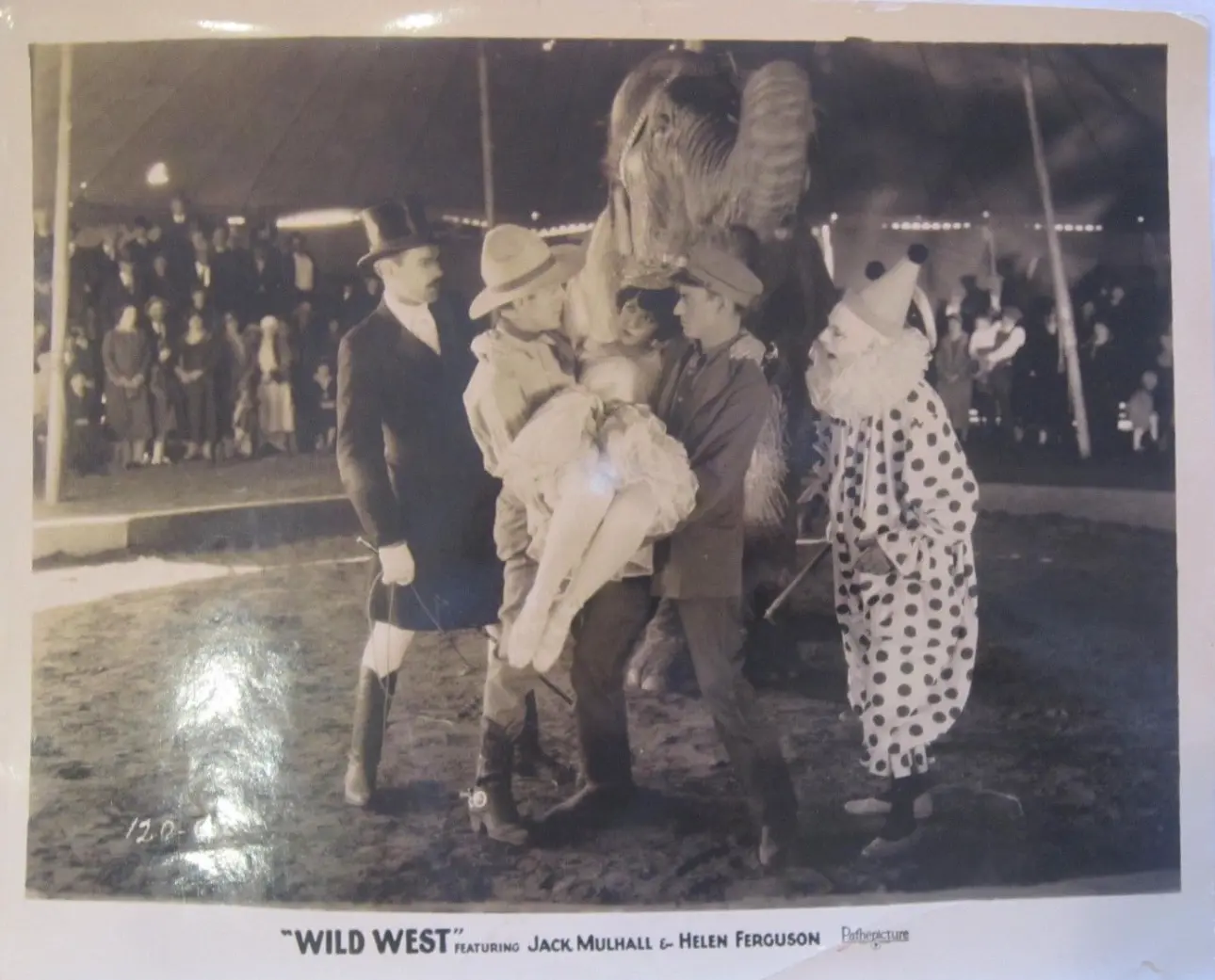
The tension between the brothers provides the film’s most visceral moments. While films like Up and Going focus on the thrill of the chase, Wild West leans into the psychological warfare between kin. The brother is the shadow self of the hero—the man the protagonist fears he might become if he gives in to bitterness. This dynamic is a classic trope, yet it feels fresh here due to the specific cultural anxieties of the American West being explored.
Visually, Wild West is a testament to the sophistication of early 20th-century cinematography. The use of natural light in the exterior shots creates a sense of immense scale, making the protagonist’s internal struggle feel as vast as the horizon. The editing, particularly during the climactic sequences where the hero must avoid a series of traps, shows a burgeoning understanding of suspense that would later define the genre. It lacks the frantic energy of Look Out Below!, opting instead for a slow-burn tension that rewards the patient viewer.
The film’s pacing is deliberate, allowing the emotional beats to breathe. We are given time to sit with the protagonist’s melancholy, to feel the dust of the trail and the loneliness of the campfire. This atmospheric depth is reminiscent of Wild, though set in a far more restrictive era. The resolution, while perhaps predictable to modern audiences, is earned through the sheer weight of the obstacles overcome. The clearing of identities is not just a plot device; it is a spiritual cleansing.
When placed alongside other films of the era, Wild West stands out for its earnestness. It lacks the exoticism of Bella Donna (1923) or the gothic undertones of Der verlorene Schuh. Instead, it finds its power in the familiar—the dirt, the sweat, and the primal need for belonging. Even when compared to international works like the Soviet Minaret Smerti, which also deals with legacy and doom, Wild West remains distinctly American in its optimistic conclusion. It posits that while blood may be a barrier, truth is the ultimate solvent.
The film also shares a thematic DNA with Builders of Castles, in that both stories revolve around the construction of a life out of the ruins of a misunderstood past. Whether it is a physical castle or a social standing, the characters are architects of their own destinies. The 'secret heiress' trope is handled with more grace here than in the somewhat more whimsical A kölcsönkért csecsemők, grounding the revelation in the harsh reality of the frontier.
In the final analysis, Wild West is a film that deserves a place in the pantheon of early Westerns. It moves beyond the simplistic 'cowboys and Indians' archetypes to present a nuanced character study of a man at war with his own shadow. The performances are robust, the direction is confident, and the script by Natteford is surprisingly sophisticated in its handling of identity. It captures the essence of a transitional period in American history—and American cinema—where the myths of the West were beginning to be interrogated even as they were being codified.
For those who appreciate the silent era's ability to communicate profound emotional truths through glance and gesture, this film is a treasure. It lacks the cynicism of modern deconstructions but possesses a raw honesty that is often missing from contemporary blockbusters. Like the characters in Willy Reilly and His Colleen Bawn, our lovers must fight against the world to find their place in it, and the victory is all the sweeter for the struggle. Wild West is a reminder that the most dangerous frontiers are often the ones within our own minds.
IMDb —
1934
Community
Log in to comment.