DbcultAccessing Vault...
5.6/10
Senior Film Conservator
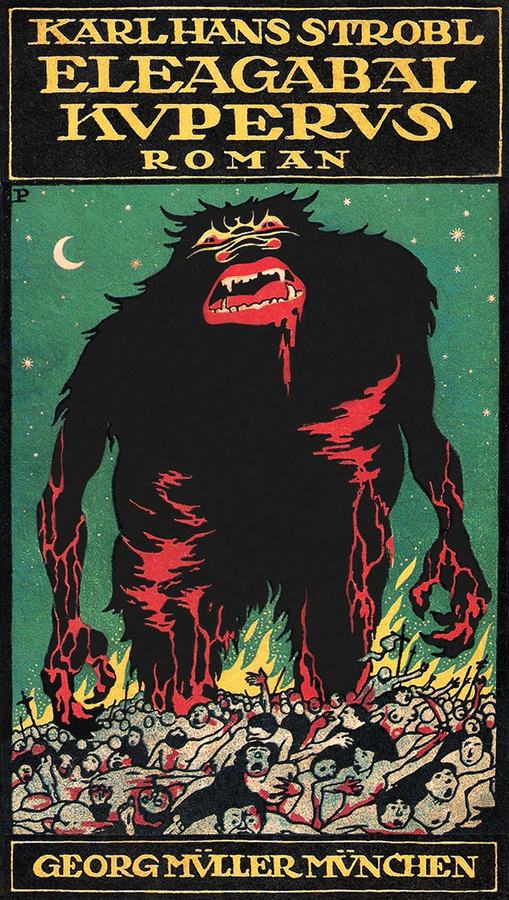
A definitive 5.6/10 rating for a film that redefined the boundaries of cult cinema. Nachtgestalten remains a cornerstone of transgressive art.
Step into the spectral glow of Nachtgestalten, or 'Night Figures,' a film that emerges from the tumultuous, post-war landscape of 1920s Germany like a half-forgotten dream, or perhaps, a waking nightmare. Directed by the prolific Richard Oswald, this silent-era gem is more than just a cinematic artifact; it’s a searing psychological drama, a chilling character study, and a potent exemplar of early German Expressionism. Forget the notion of silent films as quaint or simplistic; Nachtgestalten plunges into the murky depths of human obsession with a visceral intensity that belies its age, offering a profound exploration of power, control, and the twisted manifestations of love. It’s a work that demands not just viewing, but contemplation, leaving an indelible mark long after the final frame fades.
At its heart lies Thomas Bezug, portrayed with mesmerizing, almost terrifying brilliance by the legendary Conrad Veidt. Bezug isn't merely a rich man; he is the richest man in the world, a title that grants him an almost god-like dominion over his surroundings and, more tragically, over the lives of those unfortunate enough to fall within his orbit. Yet, this titan of industry is a figure of profound physical and emotional paradox. His body, crippled and contorted, necessitates the constant support of crutches, rendering him a prisoner within his own flesh. This physical vulnerability, however, is starkly contrasted by an indomitable, domineering spirit, a will of iron that compensates for his bodily frailties with an almost pathological need for control. Veidt’s performance is a masterclass in silent acting, conveying volumes with a mere flicker of his eyes, a subtle clench of his jaw, or the deliberate, dragging movement of his crippled frame. He embodies Bezug not as a caricature of evil, but as a complex, deeply disturbed individual, whose immense wealth has amplified his inherent cruelty and isolation.
The narrative pivots around Bezug's relationship with his son, a bond that is less paternal and more akin to that of a captor and his prize. Bezug's love for his son is not the nurturing, liberating kind, but a suffocating, possessive adoration, a fanatical attachment that borders on the pathological. He holds his son in a perpetual state of infantilization, a metaphorical 'monkey in a cage,' denying him any semblance of independence, autonomy, or personal growth. This is a love that destroys rather than uplifts, a golden cage that, despite its opulence, is ultimately a prison. The son, stripped of his own identity and agency, becomes a mere extension of Bezug's ego, a living trophy to be admired and controlled. This dynamic is a haunting exploration of how immense power, when coupled with psychological instability, can corrupt the most fundamental human relationships, twisting affection into a tool of oppression. Oswald, through his direction, often frames the son in ways that emphasize his confinement, his longing for freedom palpable even without dialogue.
The film's visual style, a hallmark of German Expressionism, amplifies its thematic concerns. Oswald, alongside cinematographer Karl Hasselmann, employs stark contrasts of light and shadow, distorted sets, and exaggerated performances to create a world that mirrors Bezug's fractured psyche. The mise-en-scène is not merely a backdrop; it’s an active participant in the storytelling, reflecting the characters' inner turmoil and the oppressive atmosphere of Bezug's domain. Shadows stretch long and menacing, swallowing figures whole, while harsh light illuminates faces in grotesque detail, stripping away any pretense of normalcy. This visual language is crucial in conveying the film's psychological depth, allowing the audience to feel the weight of Bezug's control and the son's despair. It's a style that, while perhaps not as overtly stylized as later Expressionist masterpieces like The Cabinet of Dr. Caligari, nonetheless lays significant groundwork, demonstrating the power of visual metaphor in cinematic narrative.
Conrad Veidt, of course, is the undisputed star of this somber ballet. His portrayal of Thomas Bezug is a tour de force, a performance that remains etched in the memory long after the credits roll. Veidt, known for his ability to embody complex, often villainous or tormented characters (think Cesare in The Cabinet of Dr. Caligari or Gwynplaine in The Man Who Laughs), brings an almost unsettling authenticity to Bezug. His movements, constrained by the crutches, are deliberate and heavy, each step a testament to his physical struggle and his unyielding will. His facial expressions, particularly his eyes, convey a chilling mix of intelligence, cruelty, and a profound, albeit twisted, vulnerability. He doesn't merely act the part; he inhabits it, becoming the very embodiment of a man whose inner demons are as monstrous as his external power. This performance alone makes Nachtgestalten a must-see for anyone interested in the history of acting or the psychological depth possible in silent cinema.
Beyond Veidt, the supporting cast, though given less screen time, contributes significantly to the film's oppressive atmosphere. Paul Wegener, another titan of German silent cinema (famed for his work in The Golem), delivers a nuanced performance that complements Veidt’s intensity. Anita Berber, a legendary dancer and actress known for her avant-garde performances and scandalous lifestyle, brings a provocative energy to her role, her presence adding another layer of unsettling allure to Bezug's darkly opulent world. The ensemble, including Paul Bildt, Erik Charell, and Reinhold Schünzel, works in concert to populate this meticulously crafted world of shadows and psychological tension, each actor contributing to the overall sense of dread and confinement that permeates the film. Their interactions, often minimal in dialogue but rich in gesture and expression, paint a vivid picture of a society held in thrall by wealth and power, where individual desires are routinely crushed under the heel of a dominant force.
Thematically, Nachtgestalten is a rich tapestry woven with threads of obsession, control, the corrupting influence of power, and the devastating consequences of a love that seeks to possess rather than cherish. Bezug's physical disability serves as a powerful metaphor; his inability to move freely mirrors his emotional and psychological paralysis, his inability to genuinely connect with others, and his desperate need to exert control over the few relationships he possesses. The film also subtly critiques the societal structures that allow such unchecked power to flourish, hinting at a world where immense wealth can buy not just luxury, but absolute dominion over human lives. It's a stark reminder that even in the absence of overt political commentary, art can hold a mirror to the darker aspects of human nature and societal imbalance. In this regard, it shares a thematic resonance with other films that explore the psychological toll of power, albeit through different lenses, such as perhaps the struggles for agency depicted in The Career of Katherine Bush, though Nachtgestalten delves into a far more grotesque and pathological manifestation of control.
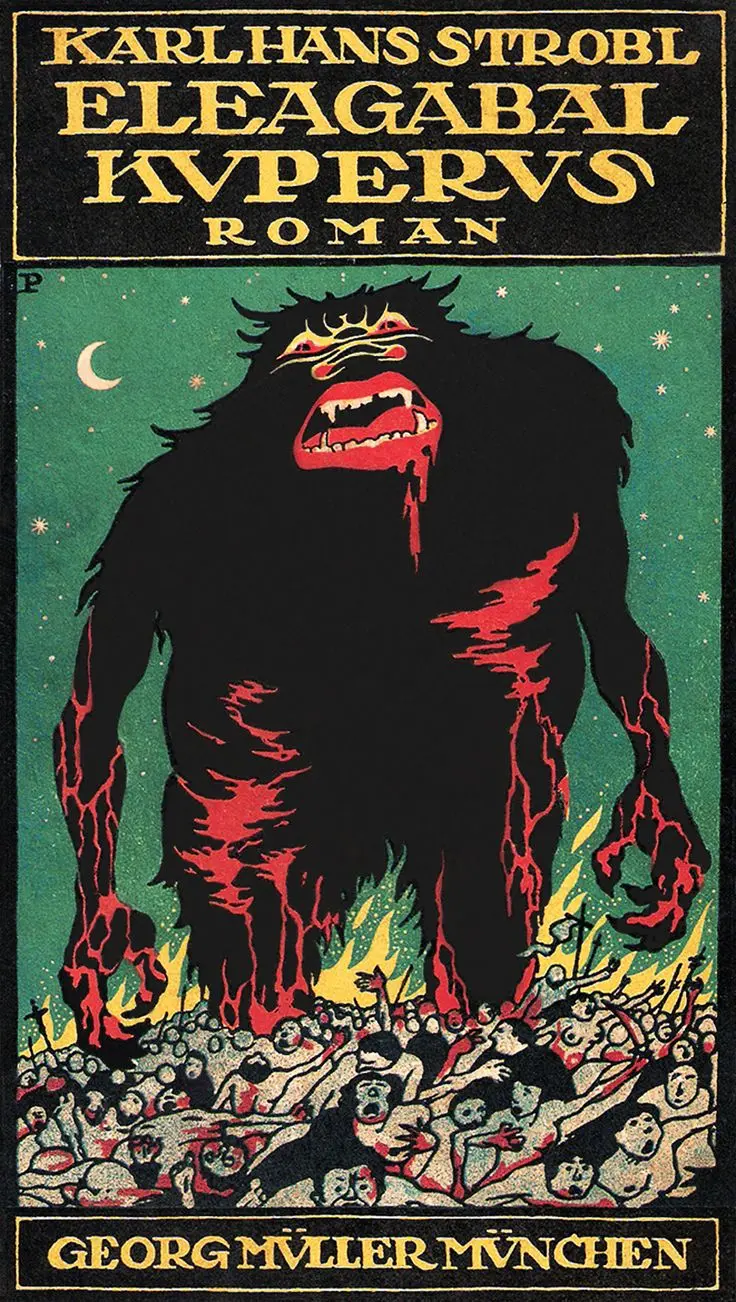
Richard Oswald, as a director, was a significant figure in early German cinema, often overshadowed by his more celebrated contemporaries like Fritz Lang or F.W. Murnau. However, films like Nachtgestalten firmly establish his prowess in crafting atmospheric and psychologically intense dramas. His collaboration with writers Karl Hans Strobl and Richard Oswald (the director himself also co-wrote) results in a screenplay that, while relying on the visual language of silent film, is remarkably nuanced in its character development and thematic exploration. Oswald’s direction is marked by a keen understanding of pacing and a masterful use of close-ups to emphasize emotional states, a technique that was still evolving in the early 20th century. He builds tension not through frantic action, but through the slow, agonizing unraveling of a disturbed mind, keeping the audience captive in the same way Bezug holds his son.
The enduring legacy of Nachtgestalten lies in its audacious psychological realism and its contribution to the nascent visual vocabulary of German Expressionism. It stands as a testament to the fact that even in its earliest forms, cinema was capable of plumbing the depths of the human condition with profound artistry and unsettling insight. It’s a film that speaks to universal themes of power, love, and isolation, yet does so through a uniquely expressionistic lens, distorting reality to reveal a deeper, more disturbing truth. For those seeking to understand the foundational elements of German silent cinema, or simply to witness a truly unforgettable performance by one of its greatest stars, Nachtgestalten is an essential viewing experience. It’s a film that reminds us that the scariest monsters are often not fantastical beasts, but the 'night figures' that lurk within the human heart, especially when given the keys to an empire.
In an era where many films focused on more straightforward narratives or slapstick comedy, Nachtgestalten dared to delve into the murky, uncomfortable aspects of human psychology. Its boldness in portraying a character as profoundly disturbed as Thomas Bezug, and in exploring the devastating impact of his actions on his own family, sets it apart. While films like Ask Father might touch upon parental authority, they rarely venture into the dark, pathological territory that Oswald so fearlessly explores here. The film’s ability to evoke such strong emotions and intellectual engagement without a single spoken word is a testament to the power of pure cinema – the interplay of image, gesture, and carefully crafted atmosphere. It’s a film that resonates today, perhaps even more so, in a world grappling with questions of power, wealth disparity, and the psychological toll of isolation. Nachtgestalten is not just a historical curiosity; it is a timeless piece of art that continues to provoke thought and stir the soul.
The sheer audacity of the premise – a man so rich and so cruel that he effectively cages his own son – is handled with a gravity that avoids sensationalism, instead leaning into the psychological horror of the situation. The film’s slow burn allows the audience to fully grasp the suffocating nature of the son’s existence, making his unspoken pleas for freedom all the more poignant. Oswald doesn't rush the narrative; he lets the visual storytelling and Veidt's commanding presence carry the weight of the drama, building a palpable sense of tension and despair. This deliberate pacing ensures that every gesture, every shadow, every subtle shift in expression contributes to the overall narrative, creating a rich and immersive experience. It’s a testament to the filmmakers' skill that they could convey such intricate emotional landscapes through the limitations of silent cinema, transforming those perceived limitations into strengths by forcing a reliance on visual storytelling and the raw power of performance. The film invites us to look closely, to read between the lines of light and shadow, and to confront the 'night figures' that can emerge from the darkest corners of the human psyche.
In conclusion, Nachtgestalten is an essential, albeit unsettling, journey into the heart of early German Expressionist cinema. It's a film that captivates with its disturbing narrative, mesmerizes with its visual artistry, and chills with its profound psychological insights. Conrad Veidt's portrayal of Thomas Bezug is monumental, a performance that elevates the film to the status of a true classic. Richard Oswald's direction is assured and evocative, crafting a world that is both visually stunning and emotionally resonant. For those with an appreciation for the darker, more introspective side of cinema, and particularly for the foundational works of the silent era, Nachtgestalten is an experience not to be missed. It is a powerful reminder of cinema's ability to explore the deepest recesses of the human soul, even without a single spoken word, leaving a lasting impression that continues to haunt and provoke thought a century later.
IMDb 5.8
1933
Community
Log in to comment.