DbcultAccessing Vault...
6.6/10
Senior Film Conservator
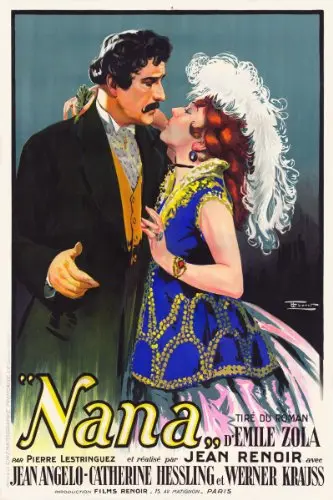
A definitive 6.6/10 rating for a film that redefined the boundaries of cult cinema. Nana remains a cornerstone of transgressive art.
Is 'Nana' worth watching today? Short answer: yes, but with significant caveats that demand a particular kind of cinematic appreciation. This silent era adaptation of Émile Zola’s notorious novel is a compelling, if uneven, experience best suited for those fascinated by early film’s daring attempts at psychological realism and social critique. It is decidedly not for viewers seeking fast-paced narrative or modern sensibilities.
This film works because of its audacious central performance and its unflinching gaze at societal hypocrisy. It dares to portray a woman leveraging her sensuality as power, a concept still potent today. The sheer audacity of its subject matter for the 1920s is palpable.
This film fails because of its often meandering pacing and an inability to fully translate Zola’s intricate social commentary to the silent screen with consistent clarity. The nuances of the novel are frequently lost in translation, leaving some plot points feeling underdeveloped or rushed.
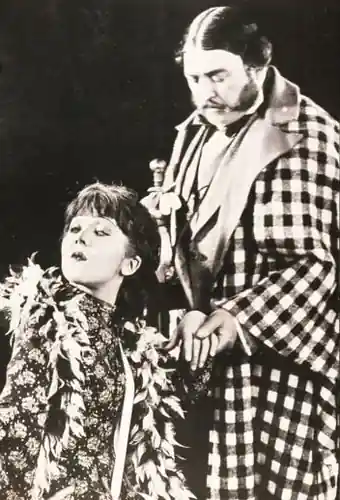
You should watch it if you are a student of film history, a fan of silent cinema's expressive acting, or curious about early adaptations of literary giants. It offers a unique window into the cultural anxieties and artistic freedoms of its time. However, if you prefer brisk narratives and overt character motivations, you might find its deliberate rhythm challenging.
Jean Renoir's 'Nana' (1926) takes on the monumental task of bringing Émile Zola’s scandalous novel to the silent screen, a challenge few directors would have dared to tackle with such an uninhibited vision. The film chronicles the rise and fall of Nana, a young woman who, after a disastrous stage debut, becomes one of the most sought-after courtesans in Parisian society. Her allure is her weapon, and she wields it with devastating effectiveness, leaving a trail of ruined men and broken fortunes in her wake.
What Renoir captures with startling clarity, despite the limitations of the medium, is the corrosive influence Nana has on the men around her. It’s not merely that she seduces them; she dismantles their lives, their reputations, and their sanity. This isn't a passive femme fatale; Nana is an active agent of chaos, a force of nature unleashed upon the hypocritical upper echelons of society. Her journey is a critique, albeit an often subtle one, of the very society that creates and then condemns her.
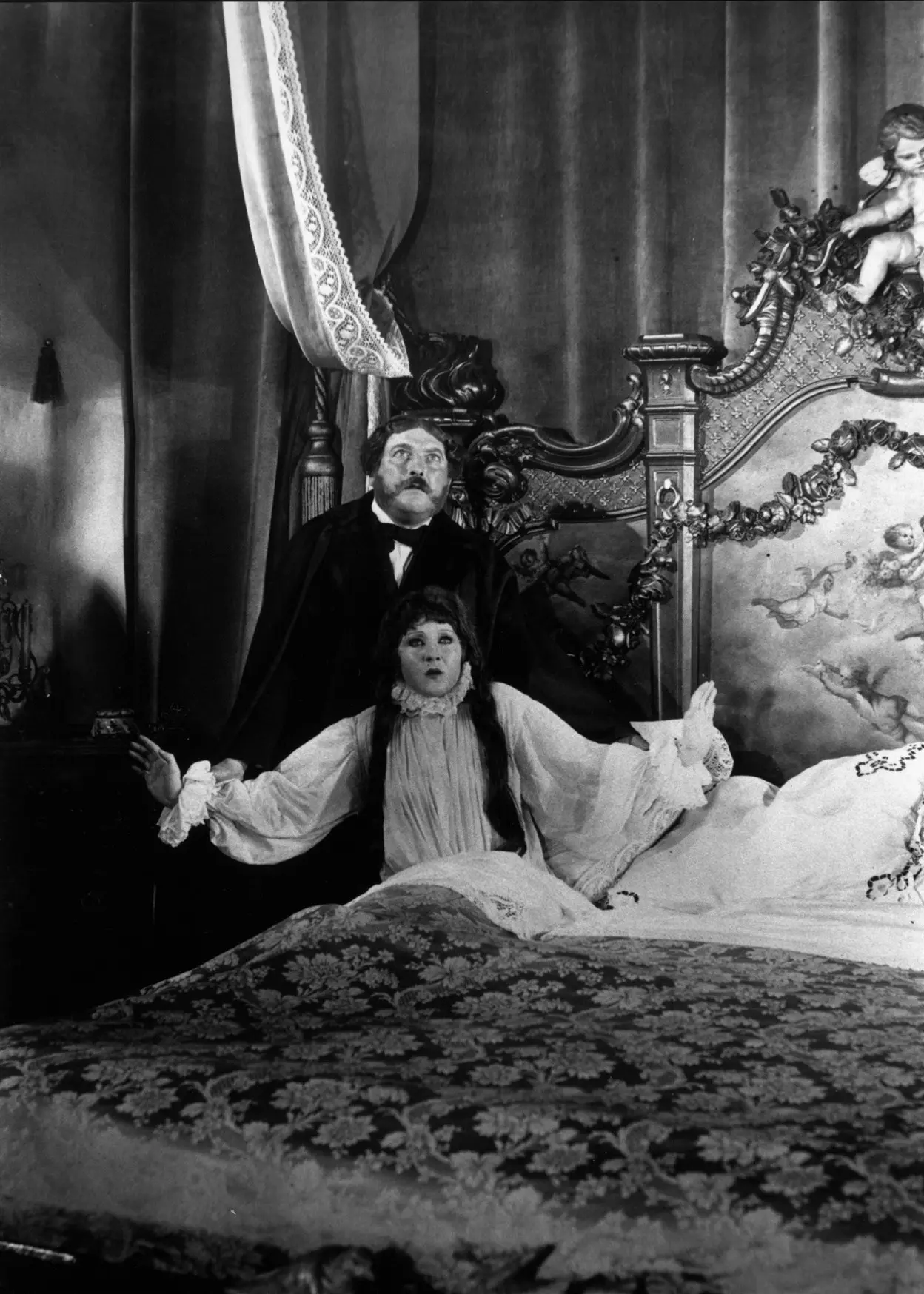
The film’s opening, with Nana's theatrical 'bomb' at the Théâtre des Variétés, immediately sets a tone of defiant failure. Rather than retreating, she embraces an alternative path, one where her body and charm become her currency. This pivot is crucial. It’s not a fall from grace, but a conscious choice to navigate a world that offers women like her few other avenues for power or independence. The film never judges her, but rather observes the consequences of her choices and the choices of those who pursue her.
One particularly telling moment is the scene where Nana, surrounded by her admirers, seems to relish in their collective subservience. It’s a quiet triumph, a demonstration of her undeniable power over these men, who represent the very societal structures that would otherwise diminish her. This dynamic, more than any specific plot point, defines the film’s core message about power, gender, and societal decay.
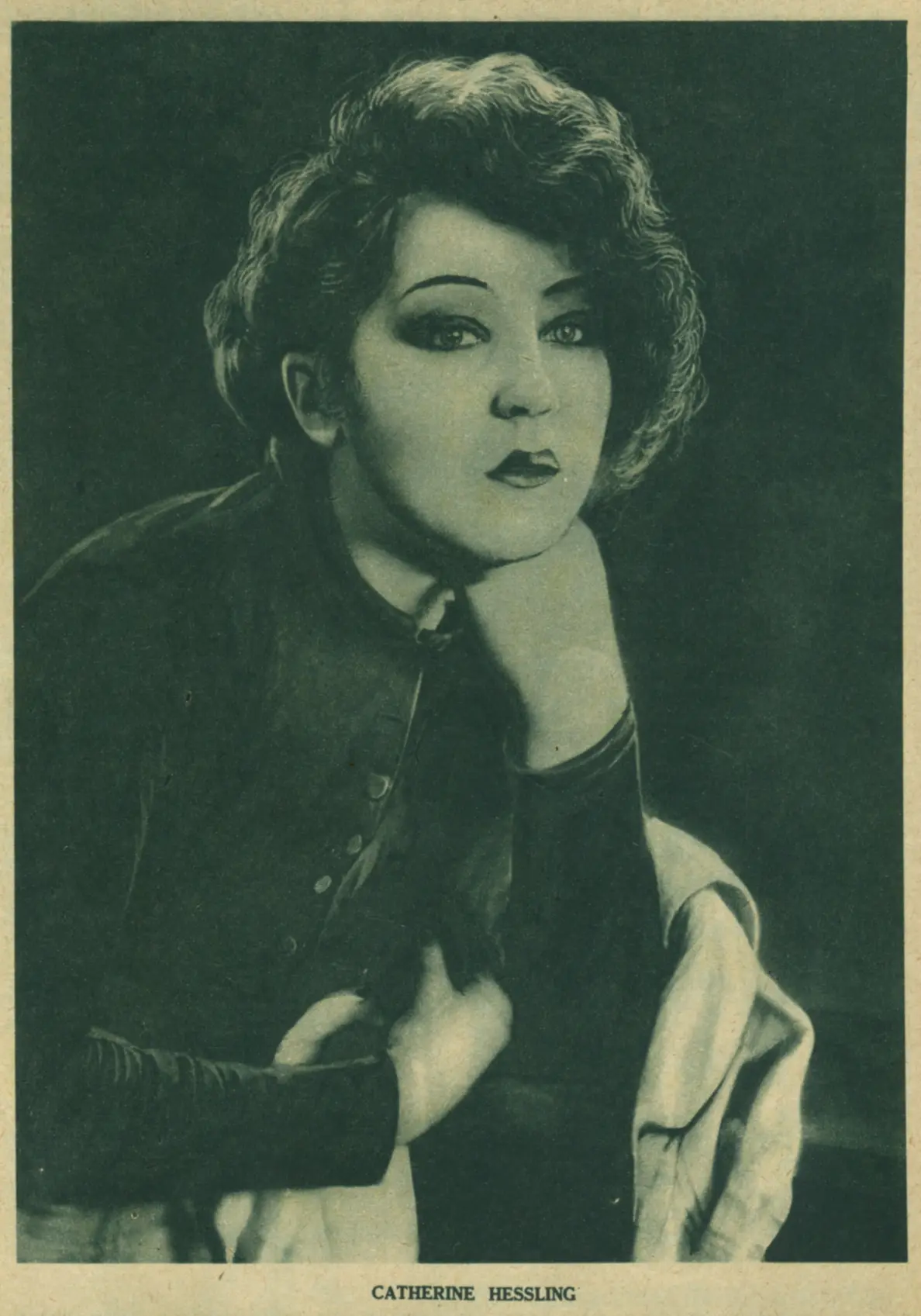
At the heart of 'Nana' is Catherine Hessling's portrayal of the titular character. Hessling, Renoir's wife at the time, delivers a performance that is nothing short of mesmerizing. Her Nana is not conventionally beautiful in the Hollywood sense, but she possesses an earthy, almost feral magnetism that dominates every frame. She is vivacious, capricious, and utterly captivating, embodying the raw, unpolished sensuality that Zola intended.
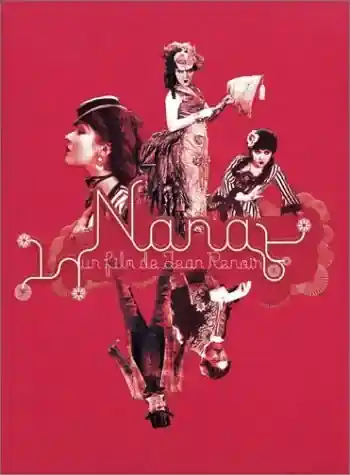
Hessling’s acting style is highly theatrical, a common trait of silent cinema, yet she infuses Nana with a spontaneity that feels genuinely modern. Her exaggerated gestures and expressive eyes convey a complex inner world, oscillating between vulnerability and ruthless ambition. There’s a scene where she playfully torments one of her lovers, Count Muffat (Werner Krauss), with a flower, her expressions shifting from innocent flirtation to mischievous cruelty in a blink. It’s a masterclass in silent screen emoting.
Renoir’s direction, while occasionally uneven, is remarkably bold for its time. He wasn't afraid to experiment with camera movement and composition, attempting to break free from the static tableaux prevalent in much of early cinema. His use of deep focus and tracking shots, though rudimentary by later standards, demonstrates a nascent understanding of how the camera could actively participate in storytelling, rather than merely record it. This ambition is evident in the grand party scenes, which, despite their technical limitations, pulse with a chaotic energy that reflects Nana’s disruptive presence.
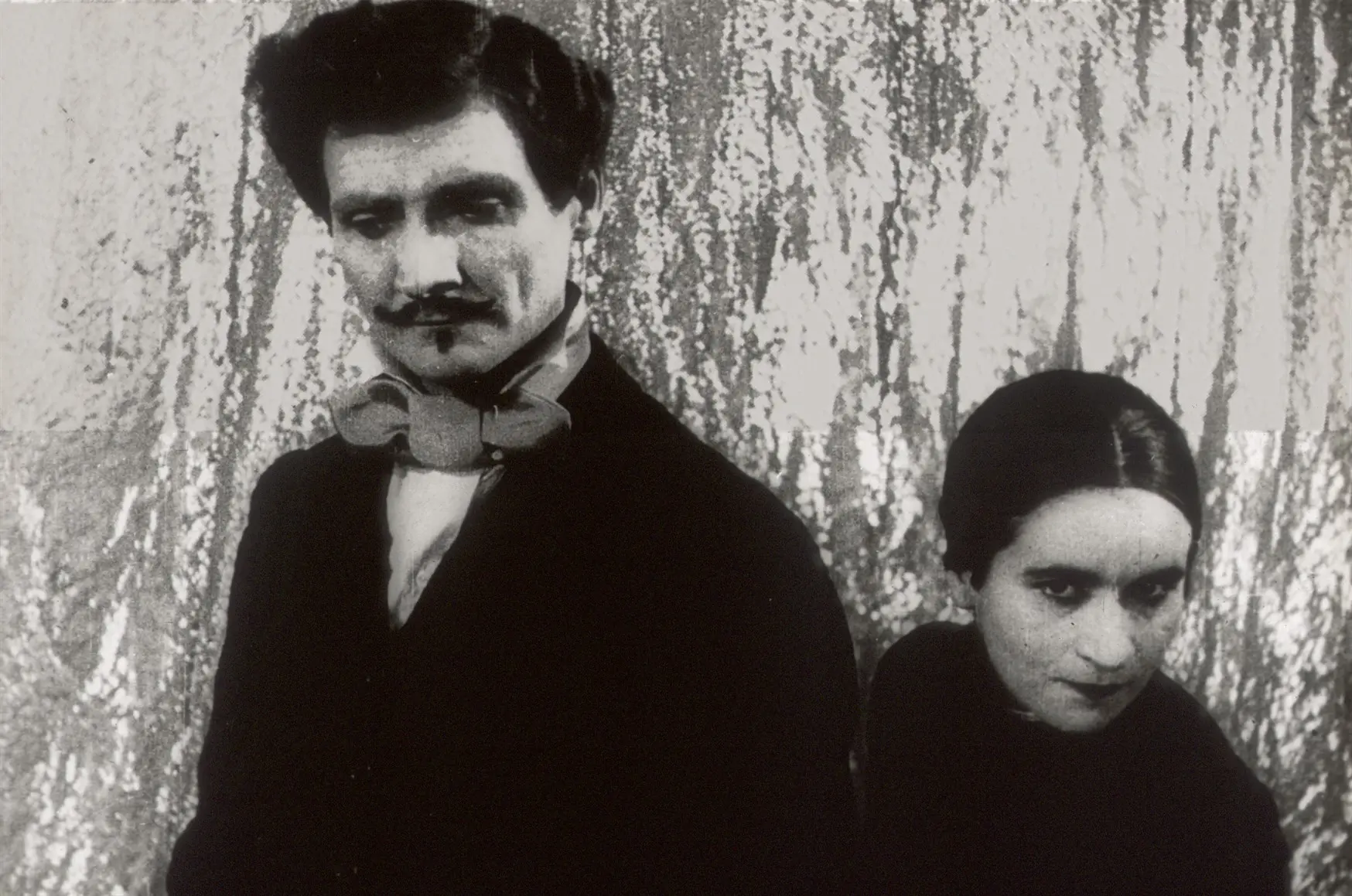
However, the film sometimes struggles to maintain a consistent tone. There are moments of genuine pathos and dramatic intensity, juxtaposed with scenes that feel almost farcical. This tonal inconsistency can be jarring, a reminder of the experimental nature of filmmaking during this period. The supporting cast, while competent, often fades into the background, overshadowed by Hessling's incandescent presence. Werner Krauss, fresh from his iconic role in Waxworks, brings a suitable gravitas to Count Muffat, portraying his descent into obsession with a quiet despair that is genuinely affecting.
The cinematography in 'Nana', handled by Jean Bachelet, is often striking, employing natural light and deep shadows to create a sense of opulent decay. The interiors are lavish, yet often feel claustrophobic, mirroring the gilded cage that Nana both inhabits and creates for others. The outdoor scenes, particularly those set at the horse races, are vibrant and dynamic, offering a glimpse into the broader Parisian world beyond Nana’s immediate orbit.
One particular shot stands out: a tracking shot that follows Nana as she moves through a crowded room, the camera gracefully weaving through the throng, emphasizing her magnetic pull and the way all eyes are drawn to her. This wasn't just technically impressive for 1926; it was narratively significant, visually articulating her captivating power.
Pacing, however, is where the film often falters. At over two hours, 'Nana' can feel protracted, especially for modern audiences accustomed to tighter narratives. Renoir takes his time, allowing scenes to unfold at a leisurely pace, which sometimes borders on languid. While this deliberate rhythm can contribute to an immersive atmosphere, it also means that certain plot developments feel stretched thin, losing their dramatic impact.
The film's tone, too, shifts frequently. It veers from satirical social commentary to tragic melodrama, sometimes within the same sequence. This ambiguity can be read as a strength, reflecting the complex moral landscape of Zola’s novel, but it can also make for a somewhat disorienting viewing experience. It’s a film that demands patience and a willingness to surrender to its own unique rhythm.
Adapting Émile Zola’s 'Nana' is an immense undertaking. The novel is a sprawling, detailed exploration of Second Empire France, rich with social critique, psychological depth, and a naturalistic style that delves into the uglier truths of humanity. Translating such a dense text into a silent film, without the benefit of dialogue or extensive intertitles, inevitably means sacrifices.
Renoir and his co-writers, Pierre Lestringuez and Denise Leblond, admirably attempt to capture the essence of Zola’s work, particularly the destructive power of Nana and the hypocrisy of the aristocracy. However, much of the novel’s biting social commentary, its intricate web of class distinctions, and the internal monologues that define its characters are necessarily simplified or lost. The film focuses more on the spectacle of Nana’s life and less on the intricate societal mechanisms Zola so meticulously dissected.
This is not necessarily a failure of the film, but rather an inherent challenge of adaptation across mediums. What silent cinema excelled at was visual storytelling and expressive performance, and Renoir leans into these strengths. While the film may not be a faithful, beat-for-beat rendition of the novel, it succeeds in capturing its spirit of scandalous allure and tragic inevitability. It's a bold reinterpretation, not a mere transcription.
One could argue that the film’s greatest success is in stripping away some of Zola's didacticism, presenting Nana’s story with a raw, almost documentary-like immediacy that allows the viewer to draw their own conclusions about her morality, or lack thereof. This approach, while perhaps frustrating for Zola purists, grants the film a certain timelessness.
'Nana' is a challenging, yet ultimately rewarding, artifact of early French cinema. It works. But it’s flawed. Its true value lies not in being a perfect adaptation, but in its raw, experimental energy and the unforgettable central performance by Catherine Hessling. Renoir's ambition is palpable, even when the execution wavers. It’s a testament to the power of silent film to tackle complex, controversial subjects with a visual flair that still resonates today. While it demands patience, those willing to immerse themselves in its unique world will find a film that is both historically significant and surprisingly resonant. It's a film that asks you to lean in, to interpret, and to appreciate the audacious spirit of its creation. For serious cinephiles and students of film history, 'Nana' is an essential watch, a vibrant, if imperfect, window into a bygone era of cinematic daring.
IMDb —
1923
Community
Log in to comment.