DbcultAccessing Vault...
Cult Review
Senior Film Conservator
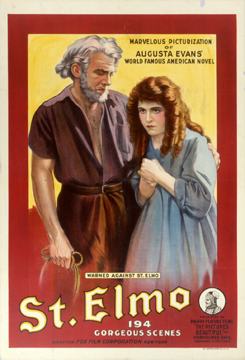
The silent era of American cinema was a period of experimentation, where filmmakers translated popular literature into moving images without the aid of synchronized sound. In 1914, the film industry was still solidifying its narrative conventions, and studios were keen to adapt best‑selling novels to attract audiences familiar with the source material. "St. Elmo" emerged from this milieu, produced by a studio that favored moralistic tales, and directed by a filmmaker who had a penchant for dramatic, character‑driven stories.
The script, co‑written by Augusta Jane Wilson and William Jossey, was faithful to the novel’s core themes but condensed the sprawling plot into a two‑reel format. Casting decisions were strategic: William Jossey, already known for his dignified screen presence, was chosen to embody the tragic hero, while Fred Whitman and Gus Leonard were selected to portray the antagonistic forces that precipitate the central conflict.
Without dialogue, the film relied heavily on exaggerated body language and carefully composed intertitles. The cinematographer employed high contrast lighting to emphasize the moral dichotomy between light and shadow, a visual metaphor for the protagonist’s descent and eventual ascent. The use of close‑up shots during pivotal moments—such as the moment of betrayal—creates an intimate connection between the audience and the characters’ inner turmoil.
Set design played a crucial role; the austere interiors of the protagonist’s home juxtaposed with the opulent surroundings of the antagonist’s estate highlighted the social stratification that underpins the narrative. The film’s color palette—though rendered in monochrome—evokes a sense of urgency and melancholy, resonating with the audience’s emotional expectations.
The plot’s inciting incident is a passionate affair that spirals into a fatal confrontation. The love triangle—centered around St. Elmo, his beloved, and a rival—serves as a catalyst for the ensuing tragedy. The film’s first act establishes the idyllic setting and the budding romance, employing intertitles that underscore the era’s romantic ideals.
In the second act, betrayal unfolds. An accidental death, framed as an act of vengeance, leads to St. Elmo’s wrongful conviction. The courtroom scenes, though limited by silent film conventions, are powerful; the judge’s stern demeanor and the defendant’s desperate pleas are conveyed through sharp gestures and stark lighting. The audience witnesses the protagonist’s moral crisis as he grapples with guilt, shame, and the weight of his community’s judgment.
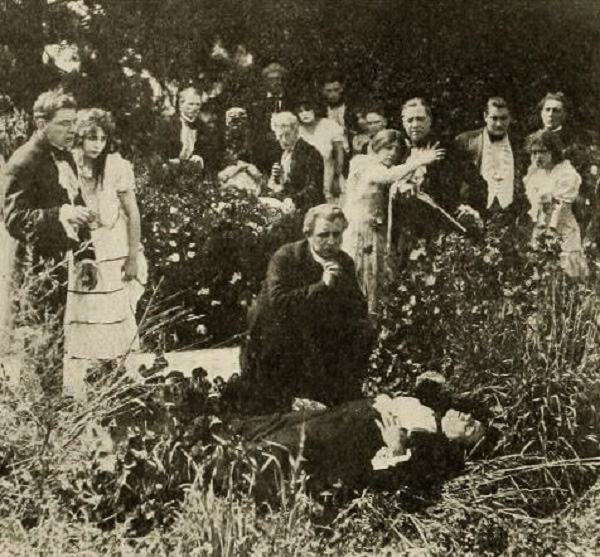
The third act, however, is where the film’s redemption narrative takes center stage. A pivotal character—a compassionate stranger who recognizes St. Elmo’s innocence—provides the catalyst for his release. Through a series of acts—ranging from self‑sacrifice to public confession—the protagonist reclaims his honor. The film culminates in a scene of quiet reflection, where St. Elmo, now free, contemplates his renewed purpose, leaving the audience with a sense of closure.
"St. Elmo" is more than a tale of downfall; it is an exploration of faith, forgiveness, and the human capacity for change. The film’s intertitles often echo biblical language, aligning the protagonist’s journey with spiritual redemption. The narrative questions whether societal judgment should dictate personal worth, a theme that resonates with contemporary audiences still wrestling with issues of reputation and justice.
Furthermore, the film subtly critiques the rigid class structures of the time. The antagonist’s wealth and influence are portrayed as a corrupting force, whereas the humble, honest protagonist is ultimately vindicated. This moral dichotomy invites viewers to reflect on the true sources of virtue and vice.
William Jossey delivers a nuanced portrayal of St. Elmo, balancing stoicism with vulnerability. His facial expressions convey the weight of impending doom and the quiet hope that underpins his eventual redemption. Fred Whitman, as the malevolent rival, brings a menacing presence, while Gus Leonard’s portrayal of the antagonist’s henchman adds layers of intimidation.
Madeline Pardee and Eulalie Jensen play pivotal female roles, embodying both the romantic interest and the moral compass. Their performances, though limited by silent film conventions, are powerful through subtle gestures and expressive eyes. The supporting cast—Henry Stanley, Richard Johnson, Gypsy Abbott, and others—contribute to the film’s atmospheric authenticity.
When placed alongside contemporaries such as Oliver Twist and The Redemption of White Hawk, "St. Elmo" stands out for its compact yet profound narrative. While "Oliver Twist" focuses on social injustice and child exploitation, "St. Elmo" centers on personal morality and the possibility of redemption. Similarly, the film shares thematic kinship with Life and Passion of Christ, particularly in its use of symbolic intertitles that echo religious motifs.
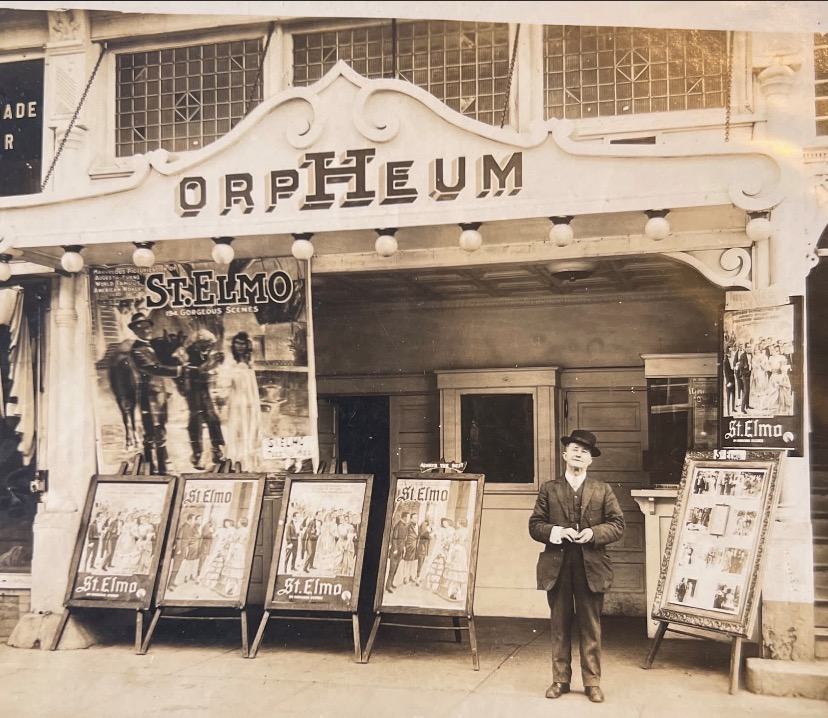
In contrast to the action‑driven spectacles of The Corbett‑Fitzsimmons Fight or Jeffries‑Sharkey Contest, "St. Elmo" remains rooted in domestic tragedy, offering a quieter, introspective experience that appeals to audiences seeking emotional depth over spectacle.
Although the film is now considered lost, its influence can be traced through subsequent adaptations of Wilson’s work and through the broader canon of early American drama. The narrative’s focus on redemption prefigures later cinematic explorations of moral complexity, such as The Life and Death of King Richard III and Les Misérables.
Moreover, the film’s portrayal of social class and justice echoes themes that reappear in later works like Les amours de la reine Élisabeth and Les misérables. By presenting a protagonist who transcends societal condemnation, "St. Elmo" offers a template for character redemption that continues to inspire filmmakers.
Film scholars frequently reference "St. Elmo" when discussing early 20th‑century narrative strategies. The film’s concise storytelling—compressing a complex moral arc into a limited runtime—has been cited as a model for effective silent storytelling. Additionally, the film’s use of intertitles as a narrative device has been compared to the textual techniques employed in Pilgrim's Progress and Les misérables, illustrating how silent cinema bridged literary and visual storytelling.
Even without surviving prints, the film’s themes remain relevant. The tension between reputation and authenticity, the possibility of personal growth after failure, and the enduring question of whether society can truly forgive—all resonate with modern audiences navigating the complexities of identity and redemption in an age of social media and public scrutiny.
For those interested in the silent era’s narrative craft, "St. Elmo" serves as a testament to the power of visual storytelling. Its concise yet emotionally charged plot demonstrates that even in a medium devoid of spoken words, cinema can probe the depths of human experience.
IMDb —
1936
Community
Log in to comment.