DbcultAccessing Vault...
6.4/10
Senior Film Conservator
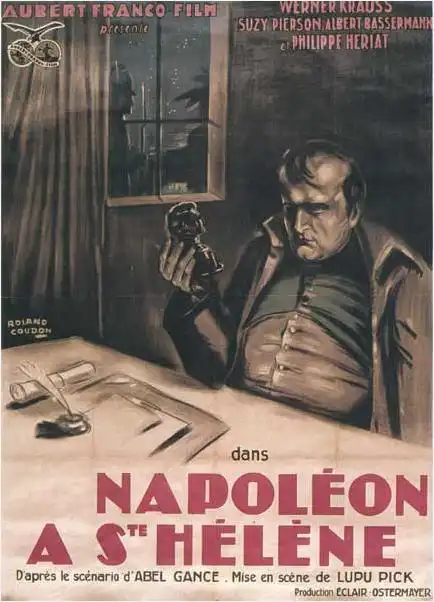
A definitive 6.4/10 rating for a film that redefined the boundaries of cult cinema. Napoleon auf St. Helena remains a cornerstone of transgressive art.
Alright, so if you’re looking for a big, booming historical epic with cannons firing and horses charging, then Napoleon auf St. Helena is absolutely not your movie. Seriously, turn back now. This one’s for the folks who appreciate a quiet, reflective character study, maybe those who enjoy early cinema, or anyone fascinated by the sheer psychological weight of a fallen legend. If you need constant action or sharp dialogue, you'll probably find it a bit of a snooze.
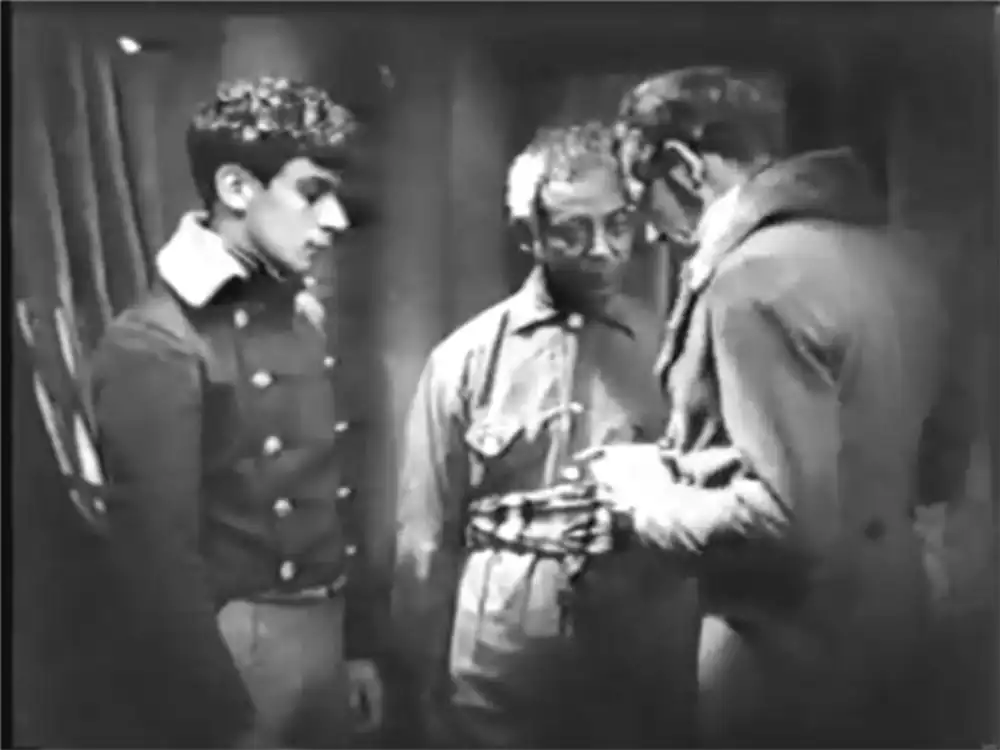
The film pretty much drops us right into it: Napoleon, played by Paul Henckels, is on St. Helena. That’s the whole ballgame. No big lead-up, just straight to the lonely island. It instantly sets this sort of mournful, closed-in mood. Like, you can almost *feel* the sea air, but it’s a prison, not a paradise. 🌊
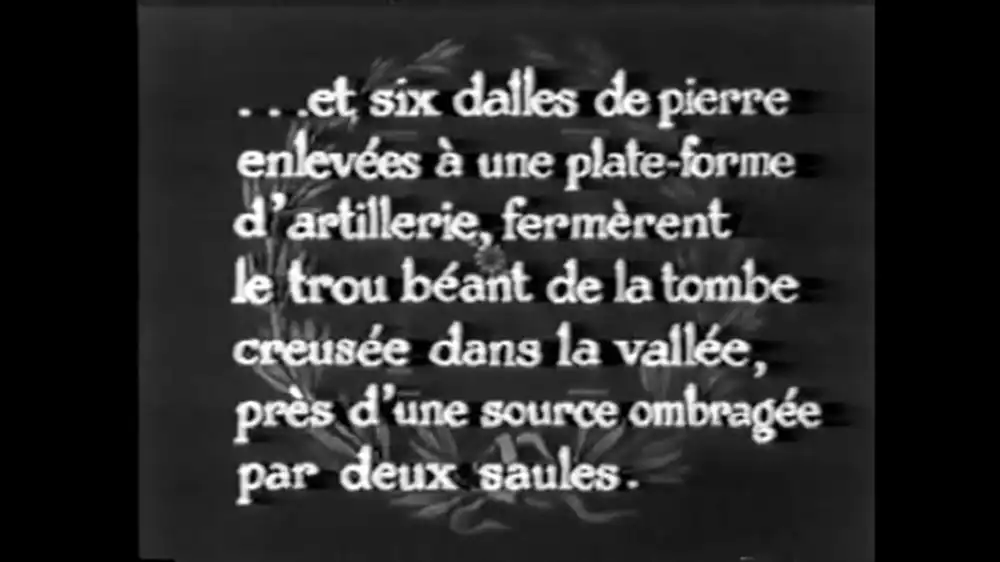
Henckels as Napoleon… he’s got this incredible weariness about him. It’s not just physical. You see it in his eyes, the way he carries himself, this slump that just screams, “I used to rule Europe, now I’m stuck here.” There’s a specific scene where he’s just staring out at the ocean, and it goes on for what feels like a long time. It could’ve been cut, sure, but that lingering shot really hammers home the isolation. It’s profound, in its own quiet way. You can practically hear the waves crashing in his head. 🏝️
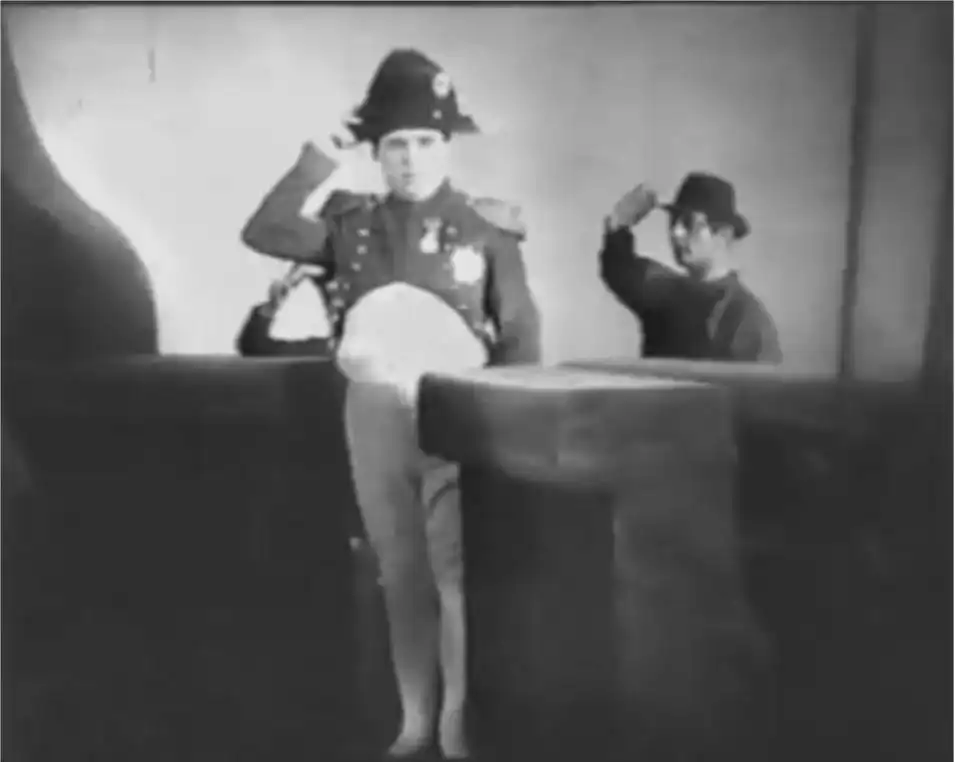
The pacing is… deliberate. Let’s call it that. It takes its sweet time, letting moments breathe. Sometimes it feels a touch too slow, like when a scene with his attendants just kind of drifts along without much happening. You wonder if they just forgot to yell "cut." But then, maybe that’s the point? That’s what exile feels like, a lot of nothing happening.
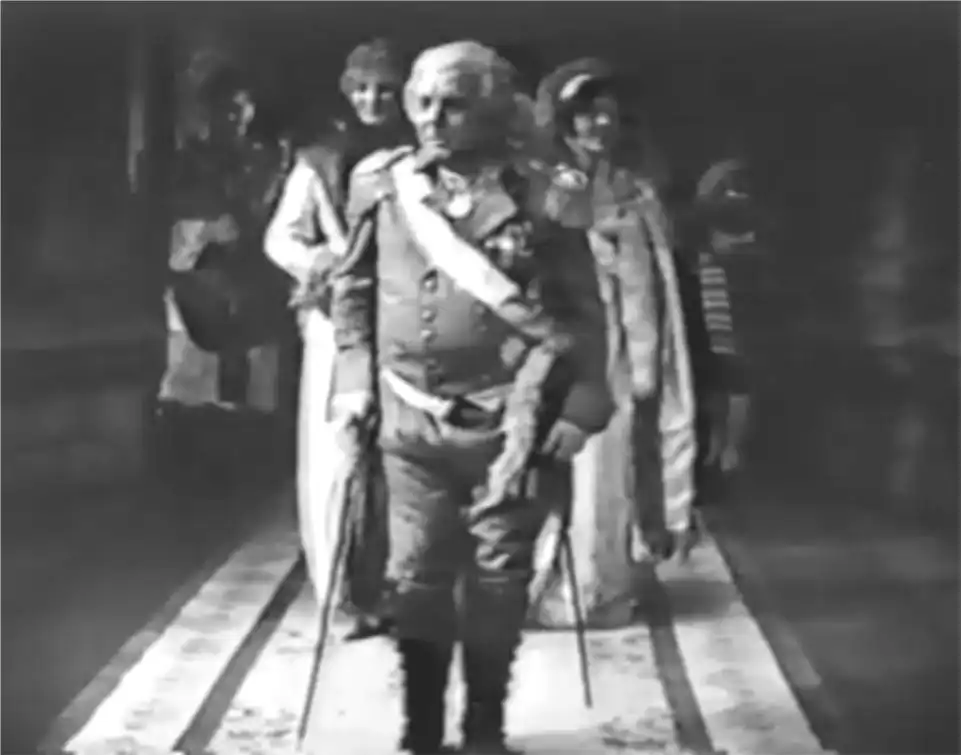
There are these subtle power plays happening too. Martin Kosleck, as the British Governor Hudson Lowe, is just brilliantly understated. He doesn’t have to do much to make you feel that simmering tension. Just a look, a slight tilt of the head. He’s not a mustache-twirling villain; he’s just… doing his job, but that job is to keep a lion in a cage, and you feel the friction. Their interactions are always these little chess matches, even over trivial things.
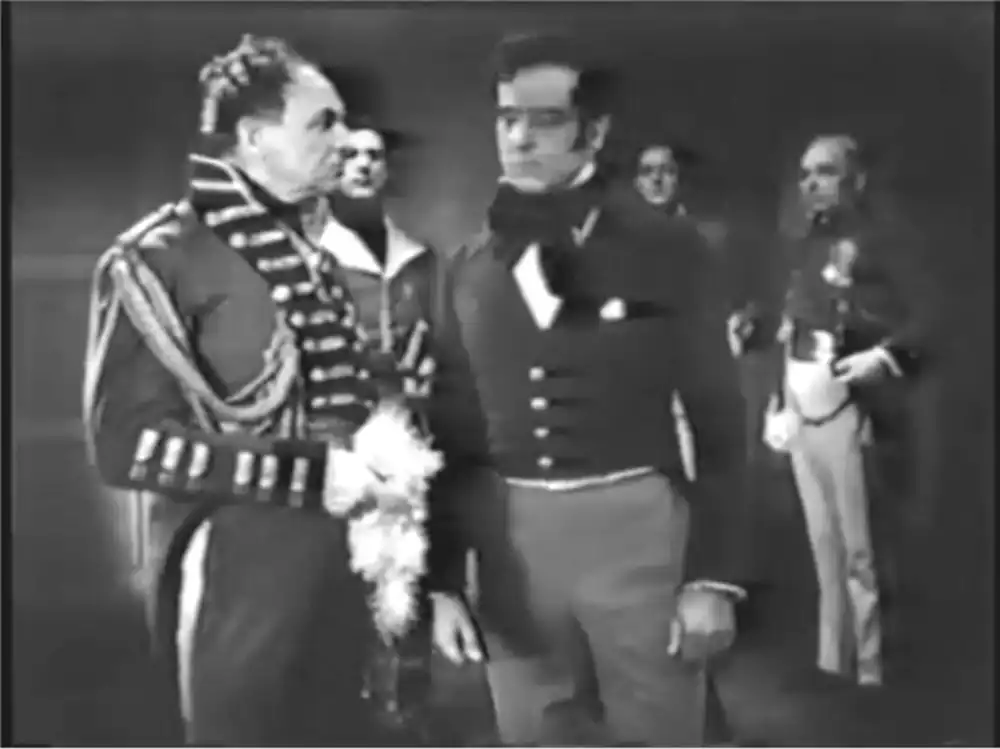
I found myself really drawn to the smaller details. Like the way Napoleon still demands a certain formality from his dwindling staff, even though they’re all just killing time. There's a moment with a map, I think it was, where he traces old campaign routes with his finger. It’s quick, almost a blink-and-you-miss-it thing, but it tells you everything about where his mind still is. It's still in the past, in the glory. 🗺️
The film, being from 1929, obviously doesn't have the crisp sound design we're used to today. But it uses what it has really well. The visual storytelling is strong. The wide shots of the island always make Napoleon look tiny, insignificant, against the vastness. It's a neat trick. And the close-ups on Henckels' face when he’s lost in thought? Powerful stuff.
It’s not a perfect movie. Some of the supporting performances are a bit flat, they feel more like scenery than actual characters sometimes. And yeah, it really asks for your patience. You can almost feel the movie trying to convince you this slow pace matters. But for the most part, it earns that patience.
Ultimately, Napoleon auf St. Helena isn't trying to rewrite history or give us some grand revelation. It's a mood piece, a character study of decline. It’s about the quiet indignity of a great man’s end. And for that, it's actually pretty compelling. It stuck with me, this feeling of profound loneliness. You don't get that from every historical drama. Give it a shot if you’re in the right headspace. Just don’t expect any epic battles. 🎬
IMDb 7
1930
Community
Log in to comment.