DbcultAccessing Vault...
5.2/10
Senior Film Conservator
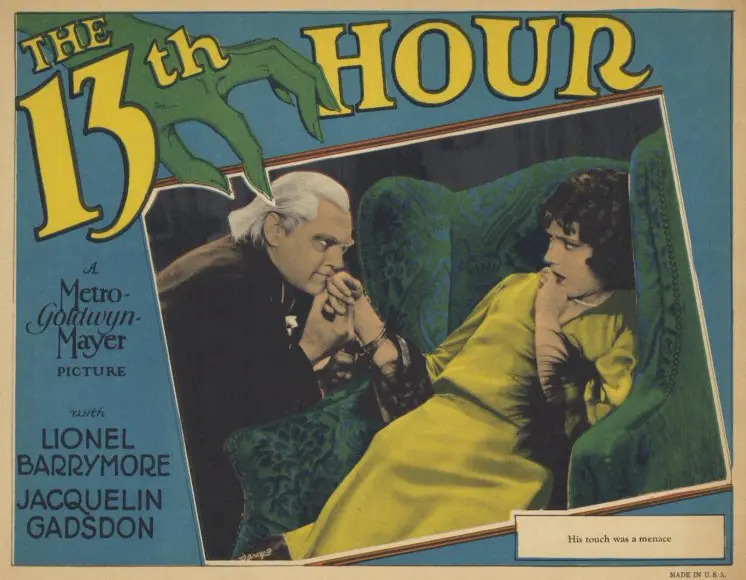
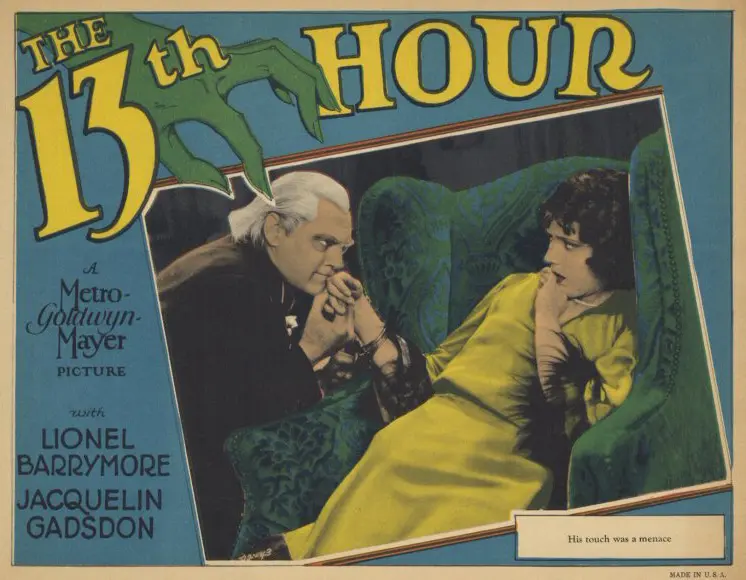
A definitive 5.2/10 rating for a film that redefined the boundaries of cult cinema. The Thirteenth Hour remains a cornerstone of transgressive art.
Is The Thirteenth Hour a lost gem of the silent era or a dusty relic of a bygone age? Short answer: It is a gripping, albeit slow-burning, exercise in gothic suspense that deserves a spot on any cinephile's watchlist for its atmosphere alone.
This film is for those who appreciate the architectural beauty of silent cinema and the 'Old Dark House' subgenre of mystery. It is most certainly NOT for viewers who require rapid-fire dialogue or the frantic editing of modern thrillers.
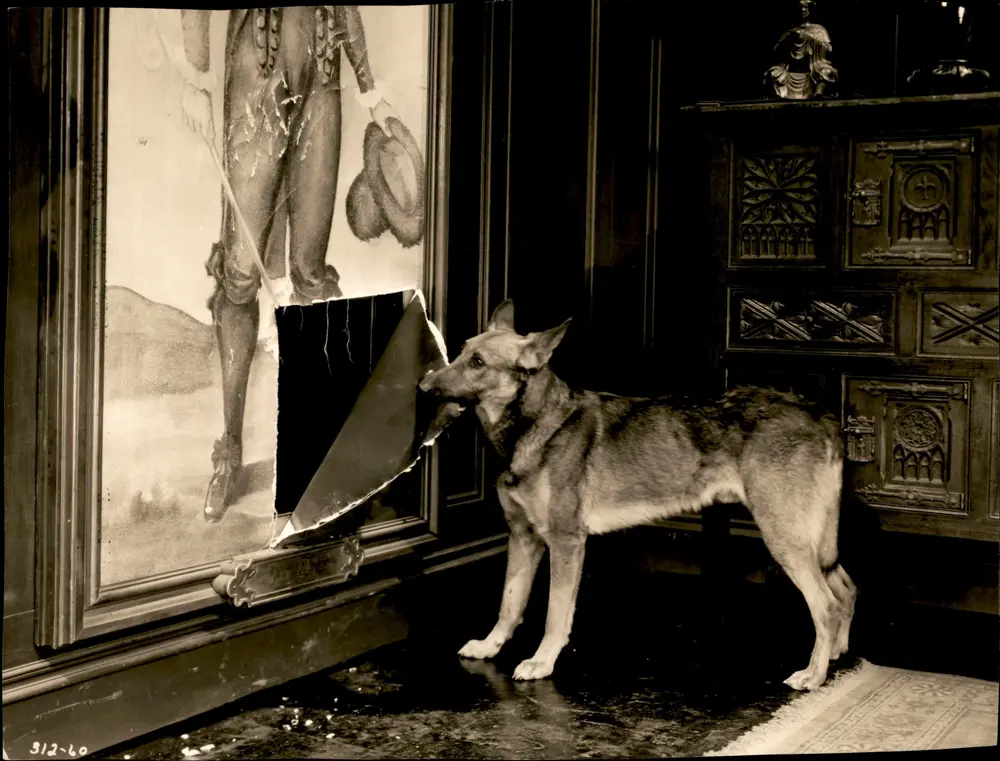
1) This film works because of its impeccable use of chiaroscuro lighting and the uncanny performance of Napoleon the Dog, who provides a grounded emotional center to the mystery.
2) This film fails because the middle act suffers from the repetitive 'pantomime' pacing common in late 1920s productions, which can test the patience of modern audiences.
3) You should watch it if you want to see how early filmmakers utilized shadows and architectural space to create tension without the benefit of a musical score or sound effects.
Director Chester M. Franklin was not interested in a simple 'whodunit.' Instead, he crafted a 'how-will-they-survive.' The Thirteenth Hour is less about the logic of the crime and more about the texture of the fear it inspires. The cinematography doesn't just record the actors; it traps them. In one specific sequence, the detective moves through a hallway where the shadows of the window panes look like the bars of a cage. It’s a visual metaphor that hits harder than any line of dialogue could.
The film shares a certain DNA with Der Hund von Baskerville, particularly in how it uses a canine presence to bridge the gap between the supernatural and the rational. However, while the German classic leans into the fog of the moors, Franklin’s film keeps us locked inside, making the walls feel as though they are slowly closing in. The house itself is a character, much like the settings seen in Little Dorrit, though far more menacing in its intent.
The pacing is deliberate. Some might call it sluggish. I call it confident. Franklin allows the camera to linger on a doorknob turning or a curtain fluttering just a second longer than necessary. This creates a rhythmic anxiety. It’s a technique we see mirrored in other mysteries of the time like The Mystery Road, but here, the stakes feel more visceral because of the looming threat of the 'thirteenth hour.'
Lionel Barrymore is, as expected, the gravity well of the film. Even in the silent format, his physicality is immense. He doesn't need to speak to convey a sense of weary authority. Compare his performance here to the more frantic energy found in Our Mrs. McChesney, and you see a man who understood how to scale his acting for the genre. He plays the detective with a stoicism that feels modern, avoiding the wild gesticulations that often plague silent-era performances.
Then there is Sôjin Kamiyama. His presence brings an exoticized, albeit stereotypical for the time, mystery to the proceedings. While modern eyes might find the 'mysterious oriental' trope dated, Sôjin’s technical skill as an actor is undeniable. He uses his eyes to communicate layers of calculation. He creates a fascinating foil to the detective, much like the tension found in Monika Vogelsang, where character motivations are obscured by cultural and social barriers.
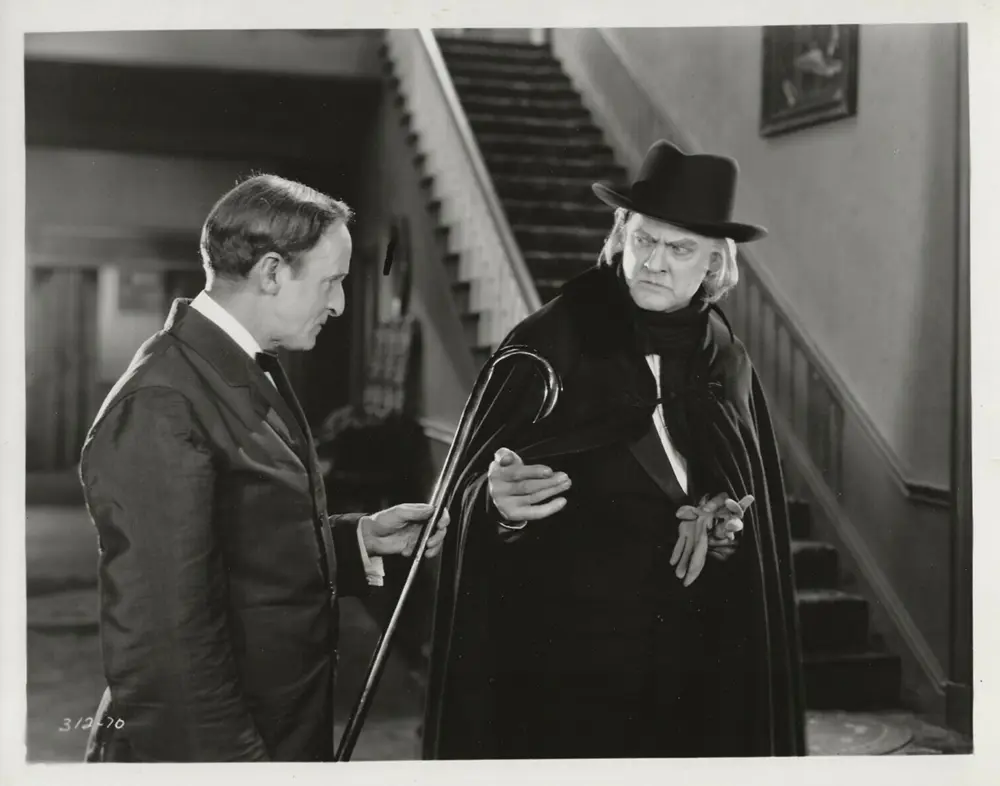
The supporting cast, including Lucy Beaumont and Polly Moran, provide the necessary human stakes. Beaumont, in particular, carries a fragility that makes the villain's threats feel genuinely dangerous. Unlike the more lighthearted tone of What Ho, the Cook, the danger here feels permanent. When a character is in peril, you don't expect a comedic reprieve. You expect a funeral.
We have to talk about the lighting. The Thirteenth Hour is a masterclass in the use of localized light sources. There is a scene where a single candle illuminates only the lower half of the villain's face, leaving the eyes in total darkness. It is terrifying. This isn't the bright, flat lighting of The Princess of Park Row; this is a film that embraces the blackness of the silver screen.
The production design is equally impressive. The house is filled with hidden panels and secret corridors, yet it never feels like a stage set. It feels like a lived-in, decaying mansion. The writers, including Wellyn Totman and Edward T. Lowe Jr., constructed a narrative that relies on the geography of the house. If you don't understand where the library is in relation to the cellar, the tension evaporates. Thankfully, Franklin’s direction is clear enough that we always know exactly how close the killer is to his next victim.
The editing by the uncredited cutters of the era deserves a mention as well. The cross-cutting between the detective’s arrival and the burglary in progress is handled with a sophistication that rivals Flirting with Terror. It builds a sense of inevitable collision. The film doesn't just move from scene A to scene B; it builds a cumulative pressure that only releases in the final, frantic moments.
Should you watch The Thirteenth Hour for its plot? No, you should watch it for its shadows. The film serves as a masterclass in low-budget atmospheric tension that predates the noir movement by nearly two decades. While the story is a standard 'detective vs. thief' setup, the visual execution elevates it into something far more haunting and memorable.
If you are a fan of early horror or mystery, this is a vital piece of the puzzle. It bridges the gap between the expressionism of the early 20s and the polished studio mysteries of the 30s. It’s slow. It’s dark. It works. Even if you find yourself checking the time during the second act, the payoff in the final reel is worth the investment.
One of the most surprising elements of the film is Napoleon the Dog. In many films of this era, animals are used as props or for cheap comic relief, as seen in some segments of Young Sherlocks. Here, Napoleon is a legitimate plot engine. His reactions to the unseen presence in the house serve as the audience's primary source of suspense.
There is a specific moment where the dog refuses to enter a room, his hackles raised, staring at a seemingly empty corner. The camera stays on the dog, then slowly pans to the corner, revealing nothing but a slight movement of a shadow. It is a brilliant piece of direction that relies entirely on the animal's performance to sell the dread. It’s an unconventional observation, but the dog is actually a better actor than half the human cast because his reactions are instinctual rather than pantomimed.
When placed alongside Children of the Night, The Thirteenth Hour feels much more grounded and gritty. While other films of 1927 were experimenting with more whimsical or melodramatic themes, like Any Woman, Franklin was leaning into the darkness. This film feels like a sibling to Voices, sharing that same obsession with the things that go bump in the night.
However, it lacks the romantic sweep of The Flame of the Yukon. It is a cold film. It doesn't want you to fall in love; it wants you to be afraid of the dark. This singular focus is both its greatest strength and its most significant barrier to entry for casual viewers. It doesn't try to be everything to everyone. It is a mystery, through and into the shadows.
Pros:
Cons:
The Thirteenth Hour is a fascinating artifact that proves how much can be achieved with shadows and silence. While it may not have the name recognition of other 1927 masterpieces, its influence on the thriller genre is palpable. It is a film that understands the power of the unseen. It doesn't need a monster; it just needs a dark corner and a ticking clock. If you can surrender to its deliberate pace, you will find a rewarding, chilling experience that lingers long after the final frame. It’s flawed, yes, but its atmospheric brilliance makes it a mandatory watch for the serious student of cinema history.
IMDb —
1921
Community
Log in to comment.