DbcultAccessing Vault...
5.3/10
Senior Film Conservator
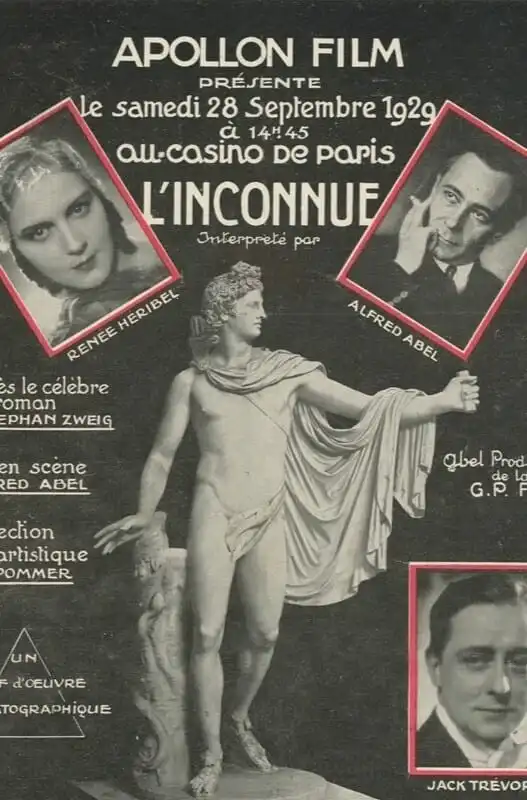
A definitive 5.3/10 rating for a film that redefined the boundaries of cult cinema. Narkose remains a cornerstone of transgressive art.
Is Narkose worth tracking down today? Well, if you’re into those deep, sometimes really slow, psychological dramas from the late 20s, then yeah, probably. It’s got that old-world vibe, heavy on the emotions, light on, well, anything fast. If you’re hoping for something snappy or even just a little bit quick, you’ll probably be checking your watch. It's more for the patient film observer, the kind who likes to really *lean in* to a movie. 🧐
This film, from 1929, feels like a direct window into a very specific era of filmmaking. You can feel the influence of writers like Stefan Zweig and Béla Balázs in every frame, especially in how it tries to get inside Irene’s head. It’s not just showing you a story; it’s trying to show you a *feeling*.
The pacing, for sure, is something else. There are moments that just… linger. Like, really linger. One scene, where Irene is just staring out a window, probably goes on for what felt like a full minute, just her profile against the light. It's effective, though, in a way. You start to feel the weight of her thoughts, or maybe just the weight of the film stock. 🤔
Alfred Abel, who you might remember from Metropolis, plays Dr. Raoul, and he brings this interesting, almost detached intensity to his role. He's not the grand, booming presence he was as Joh Fredersen; here, it's all subtle looks and controlled movements. You can almost feel him holding back. It works for the story, this sense of quiet observation.
What really sticks with you are the dream sequences, or whatever you want to call them when Irene is under. They’re not flashy, not like today's CGI spectacles. Instead, they use these simple, almost ghostly dissolves and overlays. Faces appear, then fade, objects shift just slightly. It’s unsettling because it’s so understated. It truly makes you wonder what's real.
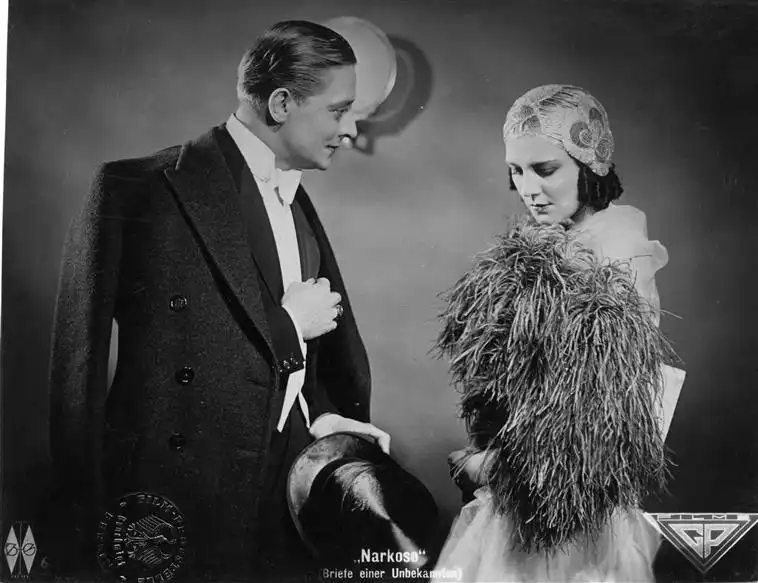
There's a specific moment, after one of these 'narcosis' episodes, where Irene wakes up. The way the camera slowly pushes in on her face, you see this mix of confusion and a strange kind of peace. It's a lot to convey with just an expression, but Frigga Braut really nails it. She doesn't overact, which is refreshing for a film from this period.
You can almost sense the filmmakers grappling with how to show internal states without dialogue. It's all about the glances, the way someone holds their hand, the slight tremble in a lip. Like, during a particularly tense conversation with Jack Trevor's character, you mostly focus on their eye movements. It’s fascinating, honestly.
The ending, without giving anything away, leaves you with a very distinct taste. It’s not neat. It's not wrapped up in a pretty bow. It just… stops. And you're left to think about it, which, for a movie of this age, feels pretty bold. No easy answers here. 🎬
Sometimes, the melodramatic flourishes are a bit much. There’s a scene where someone dramatically clutches their chest, and it feels a little bit like a stage play moment that didn't quite translate to screen. But then, you get another shot that's incredibly modern in its composition, and it snaps you right back in.
Overall, Narkose is a film that demands your attention, not with loud noises or quick cuts, but with its quiet insistence on exploring the inner world. It’s a slow burn, for sure, but there’s something genuinely compelling in its deliberate pace and its attempt to visualize the intangible. It reminds you that even back then, they were trying to tell stories that went beyond just surface events. A good watch if you're prepared to settle in.
IMDb 5.1
1921
Community
Log in to comment.