DbcultAccessing Vault...
7.1/10
Senior Film Conservator
A definitive 7.1/10 rating for a film that redefined the boundaries of cult cinema. Nászdal remains a cornerstone of transgressive art.
Nászdal (1946) is a film that thrives in the spaces between silence and scream, its narrative a chiaroscuro study of a marriage unraveling under the weight of societal expectations and forbidden passions. Directed by the enigmatic Ignác Balla and co-written with Nándor Újhelyi, this Hungarian classic is less a traditional drama and more a psychological excavation of the human condition—a work that demands to be dissected under the cold light of analysis.
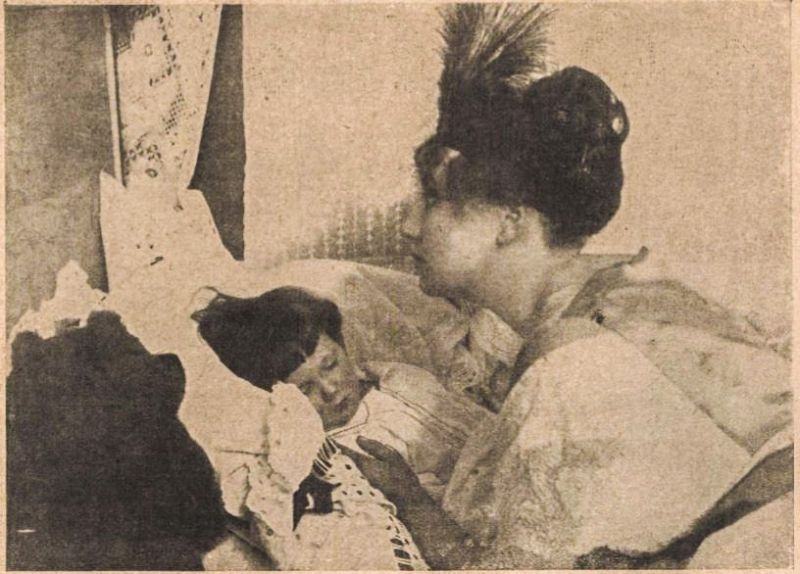
The film’s central conflict revolves around Klára Peterdy’s titular character, a woman whose life is a series of calculated compromises. Married to a man who embodies the rigid moral codes of his class, she finds herself drawn to Richard Kornay’s enigmatic stranger—a figure whose very existence destabilizes the brittle equilibrium of her existence. The chemistry between Peterdy and Kornay is electric, a volatile dance of attraction and repulsion that recalls the charged dynamics in The Eternal Sin, though Nászdal’s approach is far more cerebral. Where The Eternal Sin leans into overt melodrama, Nászdal opts for a quieter, more insidious tension, its characters speaking in riddles as their world crumbles around them.
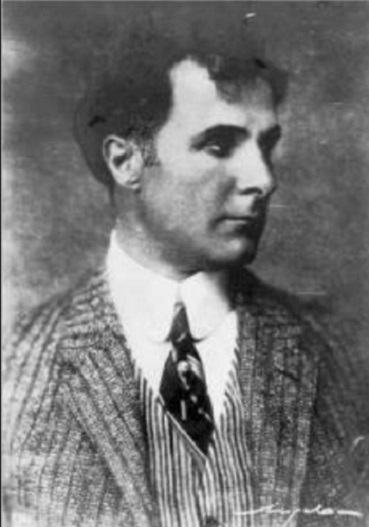
Bela Lugosi, in a role that feels worlds away from his Dracula persona, delivers a haunting performance as the patriarch of the household—a man whose authority is both a mask and a prison. His scenes with Irén Barta, as the wife who yearns for something beyond the gilded cage of her life, are masterclasses in subtext. Barta’s eyes, wide and unblinking in the flickering candlelight, betray a woman on the precipice of self-destruction. This is not the overt tragedy of An Alpine Tragedy, but a slow-burning inferno, its embers felt in every strained conversation and sidelong glance.
The film’s visual language is its most arresting element. Balla employs deep focus and Dutch angles to create a sense of disorientation, as though the characters themselves are trapped in a distorted reality. One particularly striking sequence—a rain-soaked confrontation in a moonlit courtyard—echoes the existential dread of Hearts in Exile, yet Nászdal’s aesthetic is more restrained, its beauty found in the subtle interplay of light and shadow. The production design, with its opulent yet decaying interiors, mirrors the emotional states of the characters, their physical environments crumbling in tandem with their psyches.
Nászdal’s script, co-written by Újhelyi and Balla, is a labyrinth of poetic dialogue and elliptical subtext. The writers avoid simplistic resolutions, instead opting for ambiguity—a choice that has polarized critics and audiences alike. There are moments of profound insight, such as a monologue delivered by Károly Lajthay’s weary physician, who offers a detached yet piercing commentary on the futility of human connection. This narrative ambiguity, while frustrating at times, elevates the film beyond the realm of conventional storytelling, positioning it as a philosophical inquiry into the nature of desire and sacrifice.
The film’s exploration of gender roles is particularly noteworthy. Unlike A Bunch of Keys, which often reduces its female characters to archetypes, Nászdal grants its women agency—even if that agency is often a silent, internalized force. Peterdy’s character, for instance, is not a victim in the traditional sense; her choices are deliberate, her suffering a result of her own moral code colliding with an indifferent world. This complexity is what sets Nászdal apart from its contemporaries, transforming it from a period piece into a timeless meditation on the human condition.
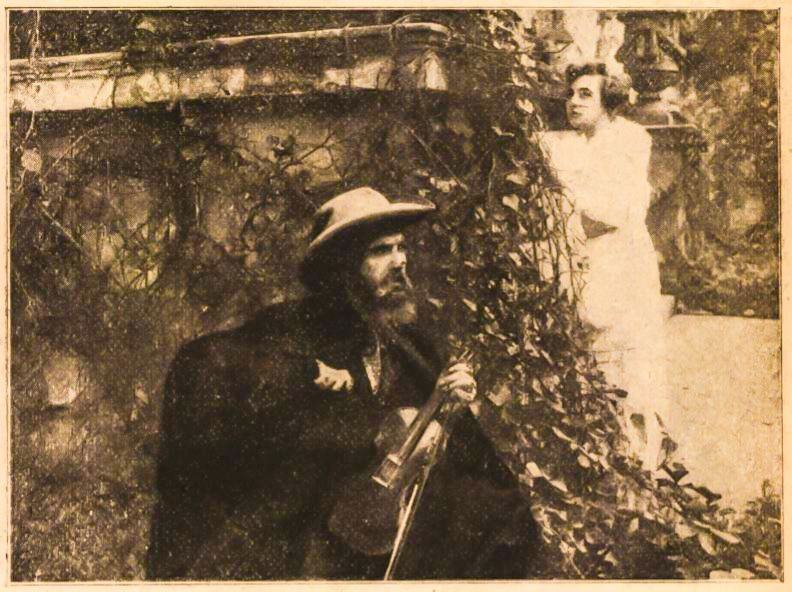
Technically, the film is a marvel. The score, a haunting blend of traditional Hungarian folk motifs and avant-garde dissonance, underscores the emotional undertones of each scene. The cinematography, with its emphasis on natural light and stark contrasts, creates an almost dreamlike quality. In one haunting sequence, the camera lingers on a flock of birds in flight, their wings casting fleeting shadows on the ground—a visual metaphor for the characters’ yearning for freedom, forever out of reach.
Nászdal is not without its flaws. The pacing, particularly in the second act, can feel glacial, and the film’s reliance on symbolism may alienate viewers seeking a more straightforward narrative. However, these are minor quibbles in the face of a work that dares to be challenging. Its themes of isolation, the corrosive nature of repressed desire, and the fragility of human connection remain as resonant today as they were in 1946.
Comparisons to The Seekers are inevitable, given both films’ focus on existential despair. Yet where The Seekers leans into abstract symbolism, Nászdal grounds its metaphors in the tangible, the characters’ struggles rendered with visceral clarity. This groundedness is its greatest strength, allowing the film to transcend its historical context and speak to universal truths about love and loss.
In the final analysis, Nászdal is a film that rewards patience and introspection. It is a work that lingers in the mind long after the credits roll, its questions unresolved but its impact undeniable. For those willing to engage with its complexities, it offers a richly rewarding experience—a testament to the power of cinema as both art and provocation.
IMDb —
1932
Community
Log in to comment.