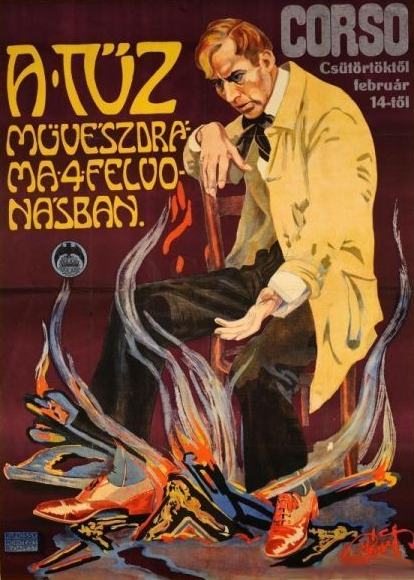
Nászdal (1946) is a film that thrives in the spaces between silence and scream, its narrative a chiaroscuro study of a marriage unraveling under the weight of societal expectations and forbidden passions. Directed by the enigmatic Ignác Balla and co-written with Nándor Újhelyi, this Hungarian classic is less a tradi...
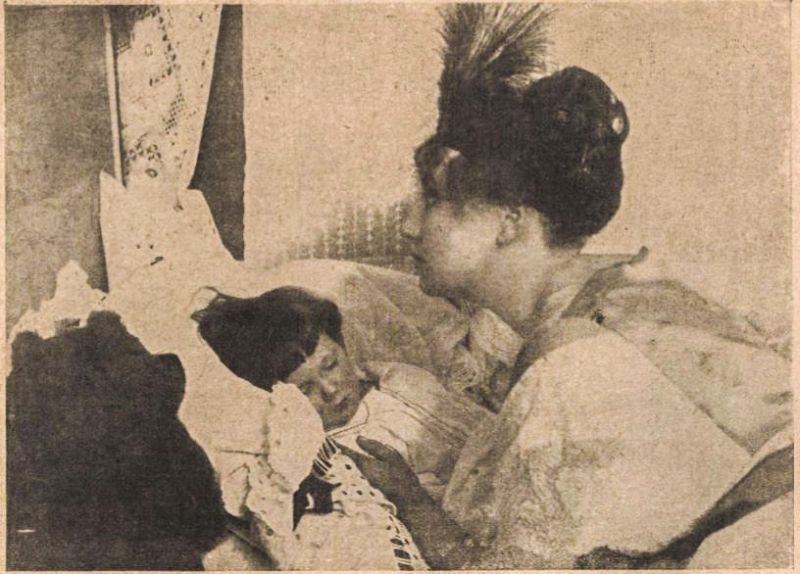
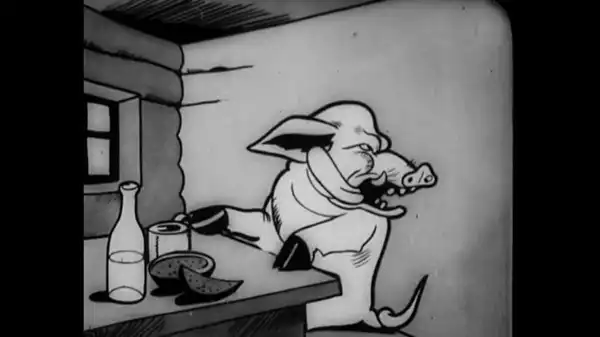
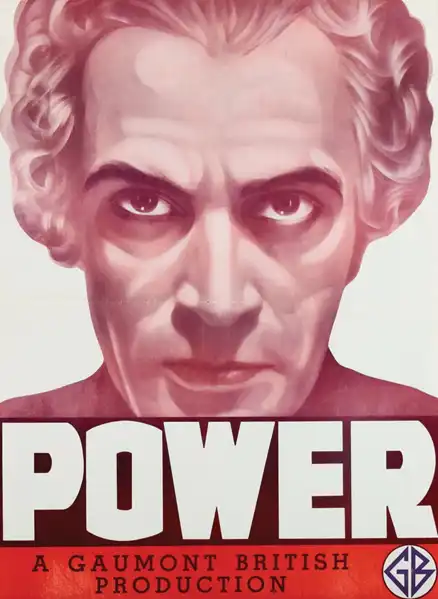
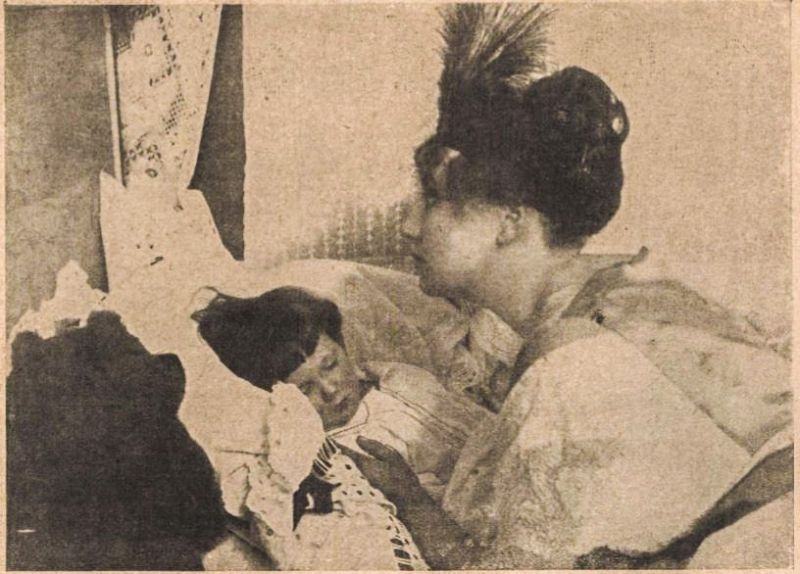
still_frame
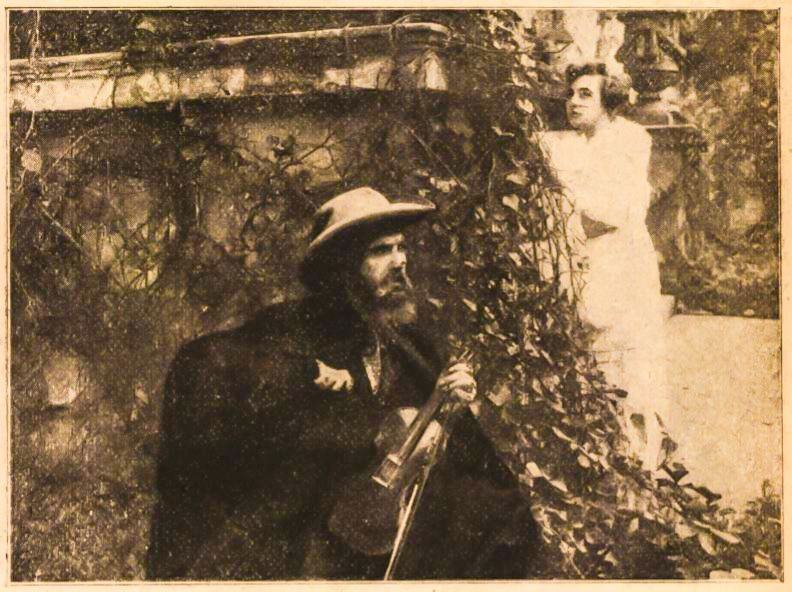
still_frame
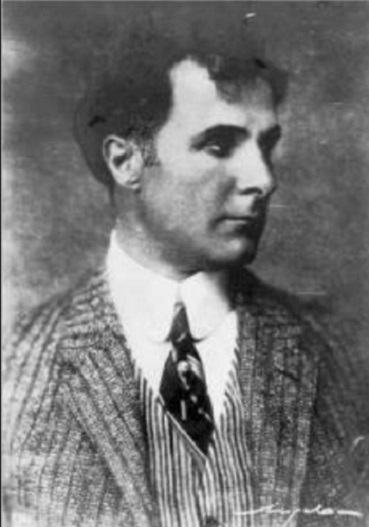
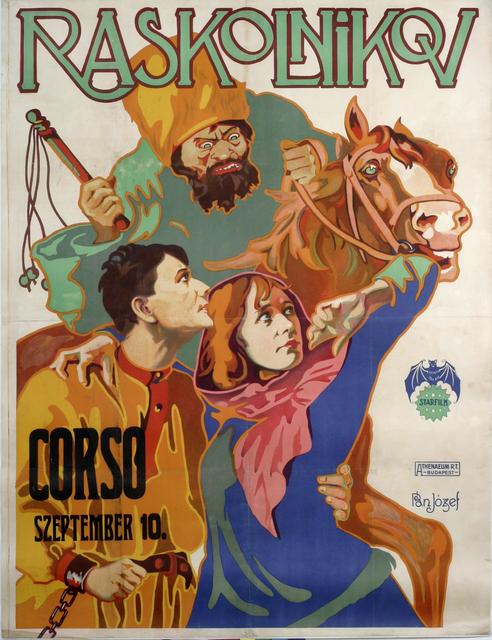
behind_the_scenes
Comparing the cinematic DNA and archive impact of two defining moments in cult history.
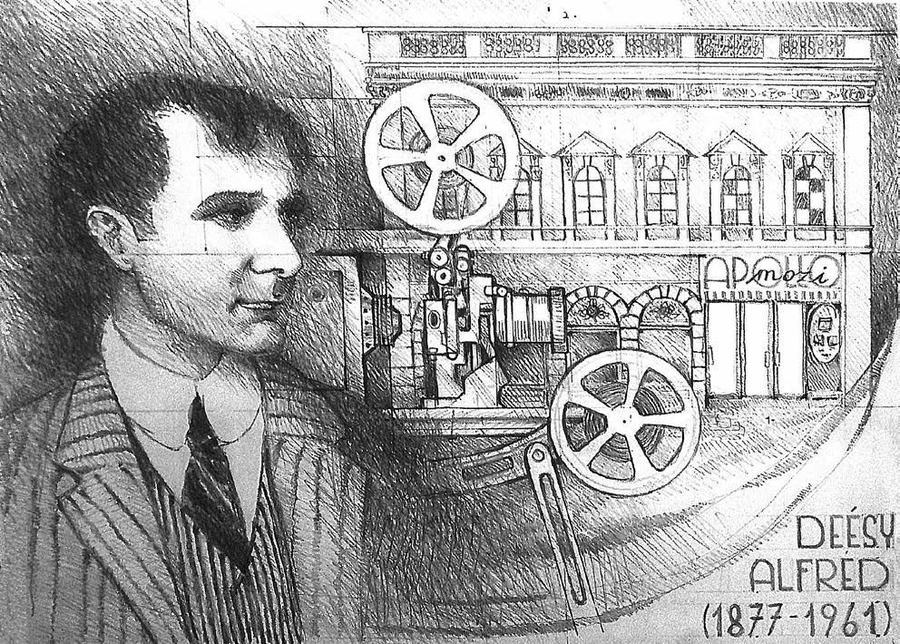
Alfréd Deésy
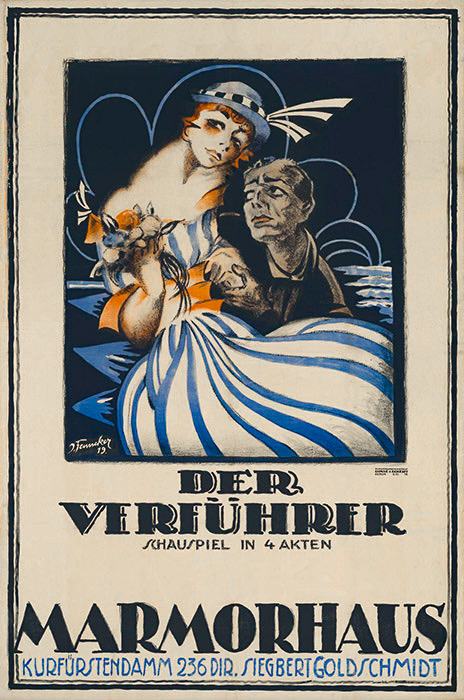
Alfréd Deésy
Community
Log in to comment.
" Nászdal (1946) is a film that thrives in the spaces between silence and scream, its narrative a chiaroscuro study of a marriage unraveling under the weight of societal expectations and forbidden passions. Directed by the enigmatic Ignác Balla and co-written with Nándor Újhelyi, this Hungarian classic is less a traditional drama and more a psychological excavation of the human condition—a work that demands to be dissected under the cold light of analysis. The film’s central conflict revolve..."