DbcultAccessing Vault...
Cult Review
Senior Film Conservator
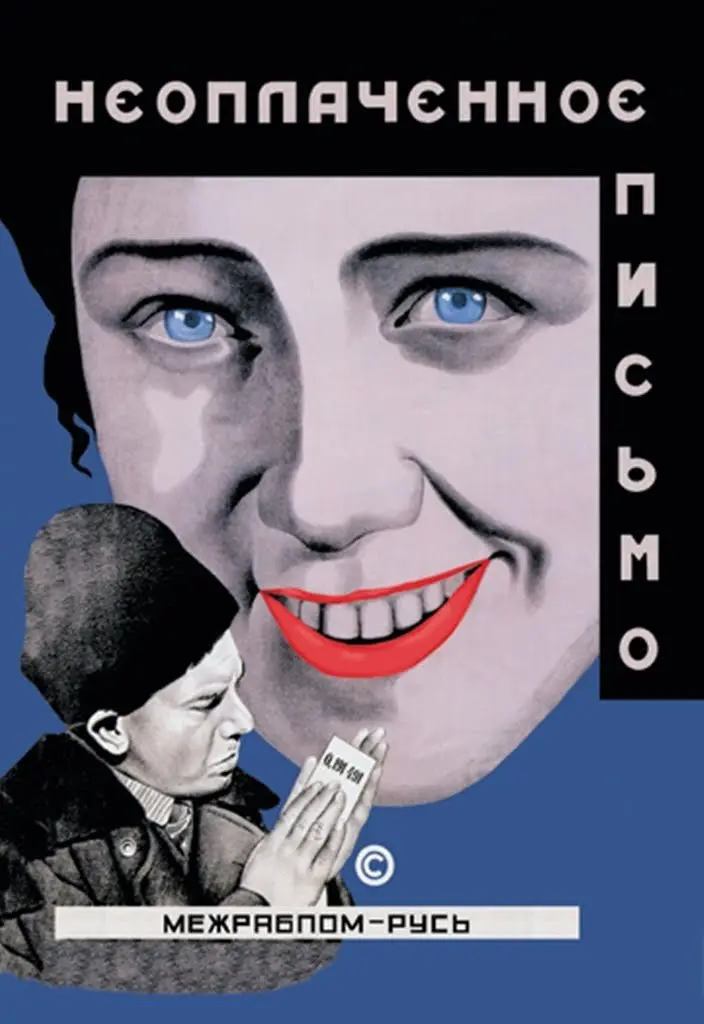
Is 'Neoplachennoye pismo' (The Unpaid Letter) worth watching today? Short answer: yes, absolutely, but with significant caveats. This early Russian drama, a potent blend of melodrama and social commentary, offers a fascinating window into cinematic storytelling from a bygone era, yet it demands patience and a particular appreciation for its historical context. It is a film for those who cherish the foundational narratives of cinema and who are willing to look past technical limitations to grasp the raw power of its emotional core.
This film is unequivocally for students of film history, enthusiasts of early silent cinema, and viewers who enjoy character-driven tragedies rooted in human error and malice. It is decidedly not for those seeking modern pacing, sophisticated special effects, or lighthearted entertainment. If your cinematic diet consists primarily of contemporary blockbusters, 'Neoplachennoye pismo' will likely feel slow, theatrical, and perhaps even alienating.
Ivan Novikov's 'Neoplachennoye pismo' crafts a narrative steeped in the tragic consequences of miscommunication and malevolence. We are introduced to Anya, a young woman whose heartfelt attempt to reconcile with her ailing father, Dmitri, a landowner struggling with pride and poverty, is thwarted by a cruel twist of fate. Her letter, brimming with filial love and a desire to return home, never reaches its intended recipient, intercepted and withheld by Boris, a disgruntled postal clerk harboring a deep-seated vendetta against Dmitri.
Convinced of his daughter's abandonment, and further manipulated by his cunning cousin, Sergei, who covets the family estate, Dmitri alters his will, disinheriting Anya. The film meticulously builds towards Anya's return, only to confront her with her father's death and the shocking revelation of the undelivered letter. Her subsequent struggle to clear her name and reclaim her inheritance forms the dramatic backbone of a story that explores the devastating ripple effects of a single act of deceit.
Absolutely. 'Neoplachennoye pismo' is a compelling piece of cinematic history that, despite its age, still resonates with themes of family, betrayal, and the profound impact of human choices. Its historical significance alone makes it a valuable watch, but its strengths extend beyond mere archival interest.
At its core, 'Neoplachennoye pismo' is a powerful indictment of the fragility of human connection and the destructive force of unaddressed grievances. The central conflict, born from an undelivered letter, serves as a potent metaphor for all the words left unsaid, the apologies never offered, and the misunderstandings that fester into irreparable rifts. Ivan Novikov’s screenplay, even in its silent form, speaks volumes about the human condition, particularly the way pride can blind individuals and how external malice can exploit internal vulnerabilities.
The film excels in painting a picture of a society where class distinctions and personal vendettas could easily ruin lives. Dmitri's pride, coupled with his financial struggles, makes him susceptible to Sergei's manipulations, highlighting a pervasive theme of economic insecurity driving moral compromise. The character of Boris, the vengeful postal clerk, is perhaps the most fascinatingly dark element, embodying the quiet, insidious power of a petty grudge. His actions, seemingly small, unleash a cascade of tragic events, a testament to the film's belief in the butterfly effect of human cruelty.
One of the film's less conventional observations is its subtle critique of bureaucracy, even in its nascent forms. The postal system, meant to connect, becomes a weapon in Boris's hands, a symbol of how systems designed for good can be corrupted for personal gain. This adds a layer of social commentary that elevates the film beyond a simple domestic drama, touching upon broader societal failings.
In silent cinema, the weight of storytelling rests heavily on the actors' ability to convey emotion through gesture, expression, and physicality. 'Neoplachennoye pismo' is fortunate to feature a cast that largely rises to this challenge, anchoring the melodrama with palpable human feeling.
Elena Tyapkina, as Anya, delivers a performance that is both heartbreaking and resilient. Her initial scenes, filled with hopeful longing as she writes to her father, contrast sharply with her later despair and fierce determination. There’s a particular moment when she first learns of her father’s death and the undelivered letter; her face, a canvas of disbelief, sorrow, and dawning anger, is etched with a raw emotional honesty that transcends the silent medium. She carries the film's emotional core with remarkable grace, embodying the suffering heroine without succumbing to mere histrionics.
Arkadiy Pogodin, portraying the ailing Dmitri, skillfully conveys the character's internal conflict. His portrayal of a man torn between pride, longing for his daughter, and succumbing to the bitterness of perceived abandonment is nuanced. The subtle tremors in his hands, the weary slump of his shoulders, and the flashes of hope quickly replaced by resignation in his eyes all contribute to a believable, tragic figure. His final scenes, where he signs the new will, are particularly poignant, showing a man defeated by circumstance and deceit.
However, not all performances achieve the same level of subtlety. Konstantin Vakhterov, as the villainous Boris, while effective in establishing his malevolence, occasionally leans into an almost pantomime-like villainy. His sneering expressions and exaggerated gestures, while characteristic of the era, can sometimes feel a touch too broad, detracting from the film's more grounded moments. This is a common pitfall of early cinema, where the need to communicate clearly without dialogue sometimes led to overemphasis.
The directorial choices in 'Neoplachennoye pismo' are firmly rooted in the conventions of early 20th-century Russian cinema, emphasizing dramatic staging and expressive visual storytelling. The director, whose name isn't explicitly provided in the context but whose vision is clear, orchestrates the narrative with a steady hand, allowing scenes to unfold deliberately, building emotional weight through extended takes and careful framing.
The cinematography, while lacking the dynamic camera movements of later eras, is effective in establishing mood and character. There's a noticeable reliance on static wide shots to capture the full scope of a scene, such as the grand, yet decaying, estate of Dmitri, visually underscoring his internal and external struggles. Close-ups are employed sparingly but powerfully, often reserved for moments of intense emotional revelation, focusing on an actor's face to convey a pivotal thought or feeling. For instance, the shot of Anya’s hand trembling as she reads the will, then cutting to a tight shot of her tear-filled eyes, is remarkably impactful.
Lighting plays a crucial role in conveying tone. Interiors are often dimly lit, reflecting the characters' despair and the oppressive atmosphere of the estate, while exterior shots, particularly those depicting Anya's journey, occasionally offer a fleeting sense of hope or the vastness of her predicament. The use of natural light, where possible, lends an authenticity to the settings that is admirable for its time. Compare this to the more experimental, almost abstract lighting of a film like Return to Reason, and you see a director prioritizing narrative clarity over avant-garde aesthetics.
The pacing of 'Neoplachennoye pismo' is characteristic of its era: slow, deliberate, and unhurried. This can be a challenge for contemporary viewers accustomed to rapid-fire editing and constant narrative propulsion. However, this measured pace serves a purpose, allowing the audience to fully absorb the emotional weight of each scene and to connect with the characters' internal struggles. It forces a meditative viewing experience, rather than a passive one.
The film's tone is overtly melodramatic, but it’s a melodrama earned through genuine human suffering and believable conflict, rather than manufactured sensationalism. There are moments of profound sorrow, simmering anger, and quiet desperation that are genuinely affecting. The dramatic swells, often underscored by the expressive performances, feel appropriate to the gravity of the story. While some might find the theatricality excessive, it is an intrinsic part of the film's charm and its historical context.
One could argue that the film occasionally overstays its welcome in certain scenes, particularly those depicting the antagonists' machinations, which could have been tightened without losing their impact. Yet, this extended duration also allows for a deeper immersion into the characters' world, a luxury rarely afforded by modern filmmaking. It works. But it’s flawed.
"'Neoplachennoye pismo' is a testament to the enduring power of simple, human stories, even when told through the lens of early cinema."
Ultimately, 'Neoplachennoye pismo' is a film that demands to be seen by those with an appreciation for cinema's rich past. It’s not a perfect film, and its age is evident in its pacing and some of its performance styles. However, its enduring emotional power, anchored by Elena Tyapkina's remarkable performance and a story that resonates with timeless human struggles, makes it a worthwhile, even essential, viewing experience for the right audience. It’s a powerful reminder that some stories, like some letters, despite being old or undelivered, still carry immense weight and can profoundly move us. Give it a chance, and you might just find yourself captivated by this quiet, tragic drama from another era.
IMDb 6.7
1933
Community
Log in to comment.