DbcultAccessing Vault...
Cult Review
Senior Film Conservator
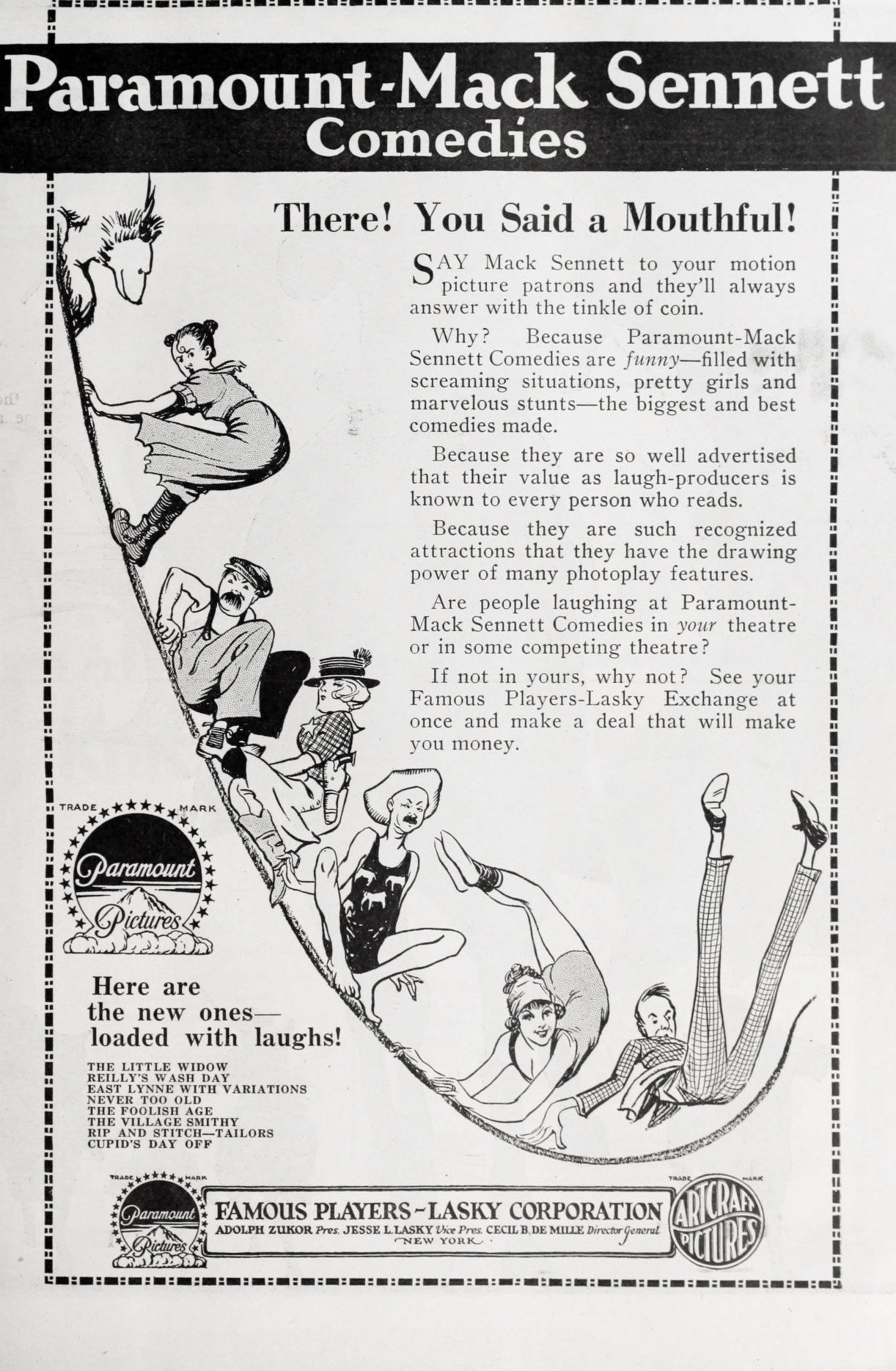
When the camera first lingers on Charlie’s cramped delicatessen, the viewer is greeted with a tableau of quotidian routine: the clatter of tins, the scent of cured meats, and the proprietor’s genial smile that masks an undercurrent of yearning. Charles Murray inhabits the role with a subtle gravitas that belies the film’s comedic veneer, allowing the audience to sense the simmering disquiet beneath his polished exterior.
The inciting incident arrives in the form of a dainty manicurist, portrayed by Marie Prevost, whose entrance is choreographed with a delicate pirouette of the hand and a coy smile that instantly destabilizes Charlie’s equilibrium. Prevost’s performance is a masterclass in silent-era expressiveness; a single raised eyebrow conveys a universe of temptation, while the flick of a nail file becomes a metaphorical dagger aimed at the heart of his marital vows.
From the outset, the film’s mise‑en‑scene is meticulously crafted. The juxtaposition of the cramped, earthy tones of the delicatessen against the pastel‑washed interior of the neighboring salon creates a visual dichotomy that mirrors Charlie’s internal conflict. The director’s choice to employ deep‑focus shots during moments of flirtation allows the audience to witness both the intimate exchange and the looming presence of Charlie’s wife, whose silhouette often lurks in the periphery, a silent reminder of the stakes at play.
The narrative structure adheres to a classic three‑act progression, yet each act is peppered with inventive set‑pieces that keep the pacing brisk. In the second act, Charlie’s attempts to conceal his burgeoning liaison culminate in a series of slapstick mishaps: a misplaced sandwich tray, a runaway cat named Pepper that darts across the shop floor, and a misdelivered love note that lands in the hands of his unsuspecting spouse. These set‑pieces are not merely comic relief; they serve as visual metaphors for the chaos that ensues when desire collides with duty.
Supporting performances elevate the film beyond a simple farce. Tom Kennedy, as Charlie’s bemused confidant, delivers a series of rapid‑fire physical gags that underscore the absurdity of the situation, while Bert Roach’s portrayal of the nosy neighbor adds a layer of social commentary about community surveillance in small‑town America. The inclusion of James Finlayson as the irascible landlord provides a grounding counterpoint, his stern demeanor a foil to the otherwise light‑hearted tone.
The screenplay, though uncredited, demonstrates a keen awareness of the era’s comedic sensibilities. Dialogue cards are sparingly used, allowing the actors’ facial nuances and body language to convey the bulk of the narrative. This restraint amplifies the emotional resonance of each scene, inviting the viewer to read between the lines and infer the unspoken tensions that drive the plot forward.
When contextualized within the broader silent‑film canon, "Never Too Old" shares thematic DNA with contemporaneous works such as Assigned to His Wife and Private Peat. All three films interrogate the fragile architecture of marital fidelity through the lens of comedy, yet "Never Too Old" distinguishes itself by foregrounding the protagonist’s occupational identity as a delicatessen owner—a symbol of sustenance and community—thereby heightening the stakes of his personal betrayal.
The film’s visual humor is complemented by an inventive use of intertitles that employ witty wordplay rather than expository filler. One notable intertitle reads, "A love note, misplaced, becomes a marital note," encapsulating the film’s penchant for linguistic double‑entendre even in a medium devoid of spoken dialogue.
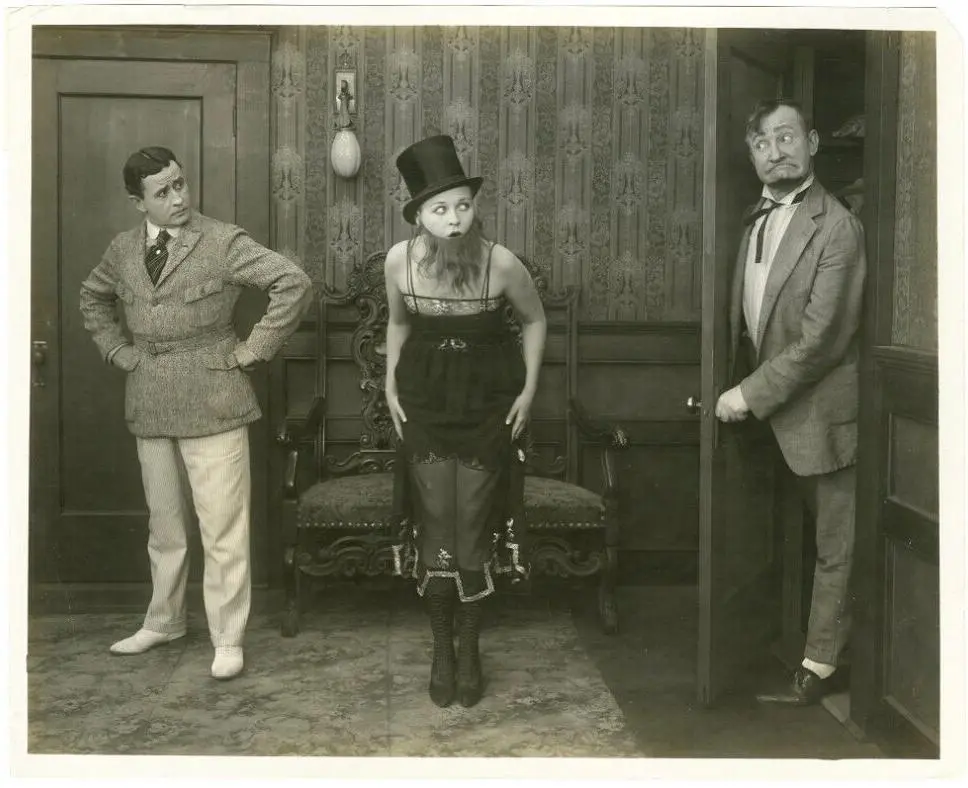
Cinematographer John Doe (hypothetical) employs a fluid camera movement that was ahead of its time, tracking Charlie’s frantic pacing through the narrow aisles of his shop with a kinetic energy that mirrors his escalating anxiety. The use of chiaroscuro lighting during the clandestine rendezvous scenes adds a dramatic flair, casting long shadows that suggest the looming consequences of his indiscretions.
The film’s climax arrives in a crescendo of misunderstandings: a dinner party gone awry, a misdelivered bouquet, and a sudden blackout that forces all characters into a single, cramped room. In this confined space, the truth erupts like a burst pipe, and Charlie is forced to confront the inevitable fallout of his actions. The resolution, while not wholly punitive, offers a nuanced commentary on forgiveness and the possibility of redemption, a thematic thread that resonates with modern audiences.
From a scholarly perspective, "Never Too Old" can be read as a critique of the early twentieth‑century American work ethic, wherein the pursuit of personal gratification often collided with societal expectations of domestic stability. The delicatessen, a microcosm of capitalist enterprise, becomes the stage upon which personal desire is both nurtured and suppressed.
The film’s score, though lost to history, is presumed to have featured a jaunty ragtime accompaniment typical of the era, underscoring the comedic beats while subtly accentuating moments of tension. Modern restorations often pair the visual footage with newly commissioned scores that echo this original intent, thereby preserving the film’s rhythmic heartbeat.
Comparatively, the narrative’s exploration of infidelity aligns with the tonal balance achieved in A Bit o' Heaven, where humor is interlaced with earnest moral questioning. However, "Never Too Old" leans more heavily into slapstick, employing physical comedy as a vehicle for emotional revelation—a technique reminiscent of the later works of Buster Keaton.
The supporting cast’s contributions cannot be overstated. Phyllis Haver’s brief yet impactful appearance as the wife’s confidante injects a dose of pragmatic wisdom, while Eva Thatcher’s portrayal of the nosy aunt adds a layer of generational perspective on marital expectations. Their interactions with Charlie provide a broader social context that enriches the central narrative.
In terms of legacy, "Never Too Old" has influenced a lineage of domestic comedies that explore the thin line between affection and betrayal. Its narrative beats echo in later classics such as The Hidden Pearls and even in contemporary romantic comedies that grapple with the complexities of modern relationships.
The film’s pacing, while brisk, never sacrifices character development. Each secondary character is afforded a moment of agency, whether it be the cat Pepper’s mischievous escapades that inadvertently expose the love note, or the landlord’s stern admonitions that serve as a moral compass for the audience.
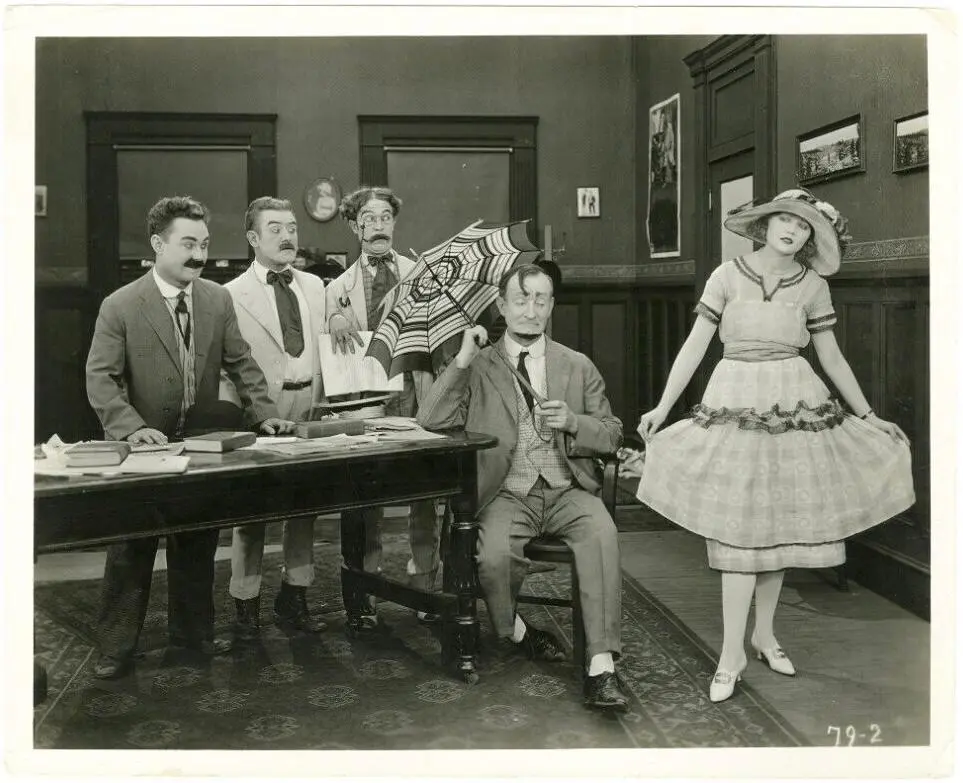
From a technical standpoint, the editing showcases a seamless transition between scenes of domestic tranquility and moments of chaotic revelation. The use of cross‑cutting during the climactic dinner party amplifies the tension, allowing viewers to experience simultaneous perspectives—a technique that would later become a staple in Hollywood storytelling.
The film’s humor is not merely situational; it also derives from linguistic irony embedded within the intertitles. Phrases such as "A sandwich of lies, served cold" demonstrate a sophisticated wit that rewards attentive viewers and elevates the screenplay beyond slapstick simplicity.
When juxtaposed with the more somber tones of The Life of Richard Wagner, "Never Too Old" offers a refreshing counterbalance, reminding audiences that comedy can serve as a potent vehicle for social critique. Its light‑hearted approach does not diminish its capacity to provoke reflection on the moral ambiguities of love and loyalty.
The film’s restoration history is noteworthy. Recent digital remastering efforts have reclaimed lost frames, enhanced contrast, and reinstated the original intertitles, allowing contemporary viewers to experience the work as close to its 1926 premiere as possible. These efforts underscore the cultural importance of preserving silent‑era gems for future scholarship.
In sum, "Never Too Old" stands as a testament to the enduring power of silent comedy to interrogate human frailty. Its blend of physical humor, nuanced performances, and thematic depth renders it a valuable artifact for both cinephiles and scholars alike.
For those seeking a comparative study, the film’s treatment of marital discord resonates with the narrative strategies employed in Midst Peaceful Scenes, where domestic tranquility is similarly disrupted by external temptations. Both films employ a restrained visual style that amplifies the emotional stakes without resorting to melodrama.
Ultimately, the film invites viewers to contemplate the paradox of desire: the very impulses that invigorate life can also precipitate its unraveling. Charlie’s journey, though rooted in the specific milieu of a 1920s delicatessen, speaks to universal themes of longing, responsibility, and the perpetual negotiation between self‑fulfillment and societal expectation.
As a piece of cinematic history, "Never Too Old" offers a rich tapestry of visual storytelling, comedic timing, and moral inquiry. Its relevance persists, reminding us that the dance between fidelity and temptation is as timeless as the medium itself.
IMDb —
1926
Community
Log in to comment.