DbcultAccessing Vault...
5/10
Senior Film Conservator
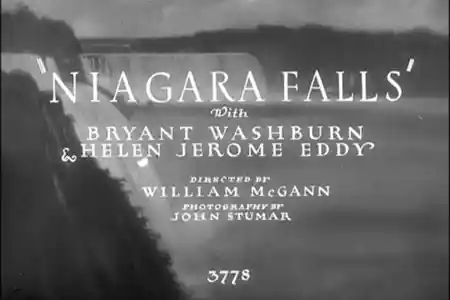
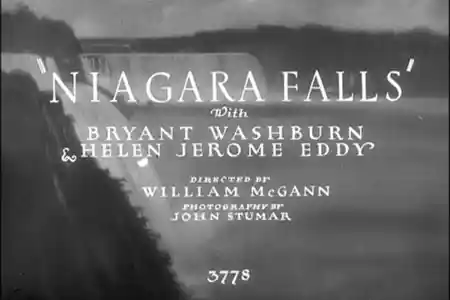
A definitive 5/10 rating for a film that redefined the boundaries of cult cinema. Niagara Falls remains a cornerstone of transgressive art.
Alright, so if you're hitting play on Niagara Falls today, you really need to know what you're getting into. This isn't your weekend blockbuster, obviously. This is for the folks who genuinely dig into silent films, maybe even those who study them. If you expect a fast pace, complex characters, or, you know, *sound*, you're gonna be pretty bored. But for a very specific crowd, it has a certain, quiet charm. 🤷♀️
The whole thing centers on the Smith family. Their big, driving ambition in life? To see Niagara Falls. That’s it. That's the dream. It’s almost disarmingly straightforward. You watch them, and you just feel this yearning, this singular focus on one very specific landmark.
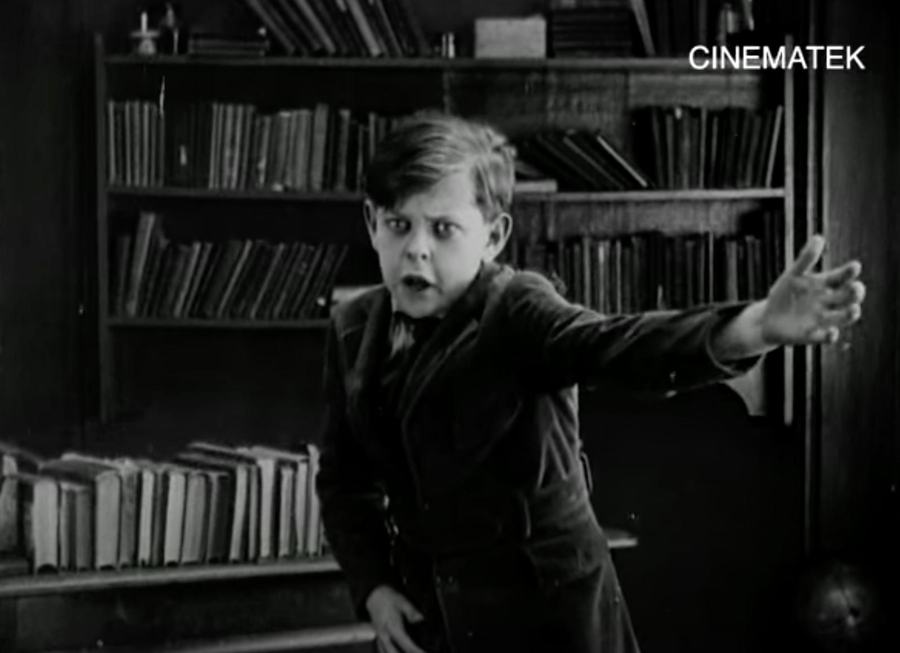
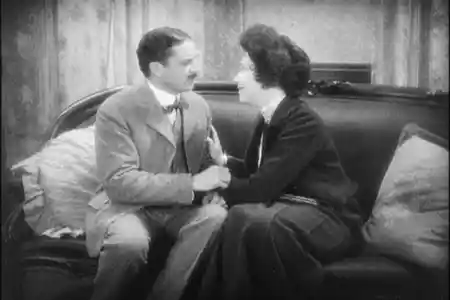
Helen Jerome Eddy plays Mrs. Smith, and she’s got that classic silent film expressiveness. Her eyes often seem to hold all the longing for that trip. You can almost see the waterfall in her mind’s eye, even when she’s just ironing clothes or tending to daily chores. It’s a very *internal* performance for a medium that often needed big, external gestures.
Bryant Washburn, as Mr. Smith, has a different kind of presence. He’s often quite stiff, almost formal, which makes those moments when he finally shows a flicker of excitement about the Falls feel extra special. It's like pulling teeth, almost, to get a big emotion from him. But when it comes, you feel it. It’s a very subtle shift in his posture, a slight widening of his gaze. Nothing dramatic. Just enough.
There's this one scene, I remember, where they're looking at a postcard of the Falls. 🏞️ It lingers for what feels like ages. Just them, silent, staring at this picture. No dialogue cards, just their faces. You can almost feel the weight of their desire, how this distant image has become a whole world for them. It might feel a bit long to some viewers today, but it really hammers home the film's core idea.
The pacing, well, it’s a silent film. It takes its time. Sometimes, it *really* takes its time. There are stretches where not much happens, and you’re left to just observe the everydayness of their lives. It’s not about plot twists or dramatic tension. It’s more like watching a small slice of life from a hundred years ago.
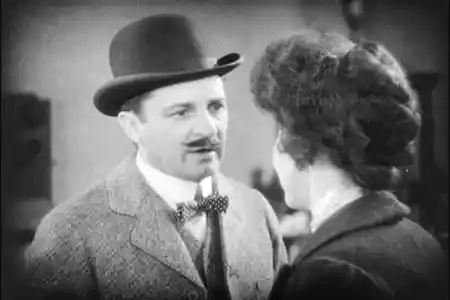
And those small details… the way the light falls in their modest home, the specific patterns on their clothes. You can tell they tried to make it feel real, even if the acting style is from a different era. It’s a snapshot, really, of aspirations in a simpler time.
It's not a visually stunning film in the way some big silent epics were. The camera work is pretty static. But the clarity of the image, considering its age, is actually pretty good. You can pick out the details in the set design, which is always nice.
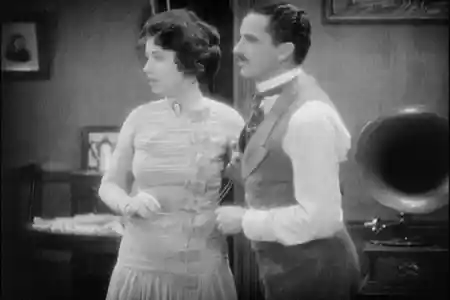
The movie is very much a product of its time. It’s earnest. It doesn’t try to be clever or groundbreaking. It just wants to tell a very simple story about a very simple dream. And in that, it mostly succeeds. It’s not trying to be A Doll's House with deep psychological drama, that's for sure. This is lighter, much lighter.
I found myself wondering, did they ever make it? The film leaves you with that kind of question. It’s not about the destination, I guess, but the journey of wanting. Or maybe, just the wanting itself.
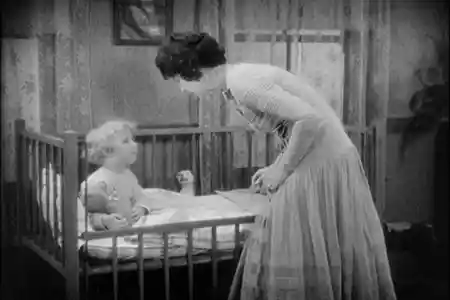
So, yeah, if you’re into the quirks and quiet beauty of early cinema, give it a look. Otherwise, you might be better off watching something with a bit more… oomph. But for those who appreciate history on film, it's a neat little piece. 🎞️
IMDb 5.4
1917
Community
Log in to comment.