DbcultAccessing Vault...
Cult Review
Senior Film Conservator
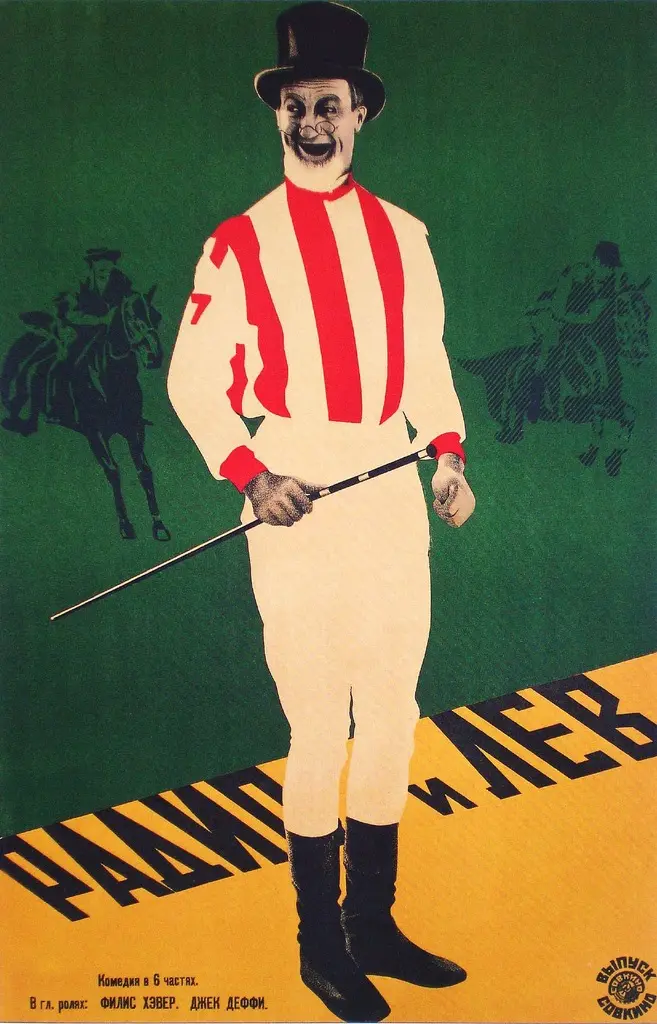
Is 'No Control' worth your time today? The short answer is a qualified yes, particularly for silent film enthusiasts and those seeking a lighthearted romantic comedy with a unique circus backdrop.
This charming 1927 picture, while certainly a product of its era, offers enough quaint appeal and genuine humor to warrant a viewing for specific audiences. It is for those who appreciate the foundational elements of cinematic storytelling and the distinctive performance styles of the silent age. It is decidedly not for viewers expecting modern pacing, sophisticated character arcs, or dialogue-driven wit. If you require high-octane action or deeply complex themes, look elsewhere.
Early in its runtime, 'No Control' establishes a foundational charm that, despite its evident flaws, helps it endure.
It possesses an undeniable, if simplistic, narrative momentum driven by genuine underdog spirit. The performances, particularly from Phyllis Haver as Nancy, inject a much-needed vivacity into what could have been a pedestrian romantic comedy. Furthermore, the film’s unique blend of the mundane business world with the vibrant, chaotic energy of the circus provides a compelling backdrop for its central romance, culminating in a truly memorable, if utterly absurd, climax.
Its comedic timing often feels archaic, relying heavily on broad physical gags that don't always land with a contemporary audience. The character development, while sufficient for the era, lacks the depth modern viewers might crave, leaving some motivations feeling underdeveloped. Moreover, the plot, while inventive, occasionally stretches credulity to its breaking point, even for a silent-era romp, making suspension of disbelief a significant hurdle at times.
You have a soft spot for silent-era cinema, enjoy lighthearted romantic comedies with a dash of quirky adventure, or are fascinated by the cultural artifacts of the 1920s. It’s a delightful, if imperfect, window into a bygone era of filmmaking.
'No Control' embraces a classic 'fish out of water' premise, albeit with two protagonists experiencing it simultaneously. Nancy Flood, embodied by the spirited Phyllis Haver, is a compelling figure from the outset. Her decision to leave the familiar, if financially precarious, world of her father Noah's one-ring circus for a 'business job' is a clear and relatable driver. This move immediately sets up a delightful contrast between the earthy simplicity of the circus life and the perceived sophistication of urban commerce. The film, in its early stages, does an admirable job of establishing Nancy’s earnestness, which makes her subsequent misadventures all the more endearing.
The introduction of John Douglas, Jr., played by Toby Claude, adds another layer of comedic potential. His father, a 'tired businessman' consumed by his own affairs, represents a certain detached corporate world that John Jr. is expected to inherit. The generational shift, with John Jr. being left in charge, is ripe for comedic missteps, and the film delivers on this. The plot then cleverly intertwines their narratives, bringing Nancy to a realty office that is, in fact, a front for Kid Dugan’s poolroom. This sequence, while brief, is crucial for establishing John Jr.’s heroic potential and solidifying the burgeoning romantic tension between them. His rescue of Nancy from Dugan’s advances feels genuinely earned, not merely a plot contrivance, and his subsequent offer of a job creates a believable, if slightly naive, bond.
The pacing of 'No Control' is, for the most part, brisk and efficient, a hallmark of many successful silent comedies. The narrative rarely lingers, moving from Nancy’s initial job hunt to her employment, her dismissal by John Douglas, Sr. (E.J. Ratcliffe), and then the shift to the circus. This rapid succession of events ensures that the audience remains engaged, even when the plot points themselves might strain credulity. However, the rapidity does come at a cost; certain character motivations, particularly John Jr.’s sudden embrace of circus management, feel less like a natural evolution and more like a convenient narrative leap. While charming, it leaves little room for the emotional weight of such a significant life change. It works. But it’s flawed.
The success of any silent film hinges almost entirely on the expressiveness and charisma of its lead actors, and 'No Control' is no exception. Phyllis Haver, as Nancy Flood, carries much of the film’s emotional and comedic weight. Her performance is a masterclass in silent-era acting, utilizing exaggerated yet precise facial expressions and body language to convey a wide range of emotions. From Nancy's initial wide-eyed optimism in the city to her frustrated resignation after being dismissed, Haver communicates every beat with clarity. One particularly memorable moment is her subtle yet effective eye-roll when dealing with the boorish Kid Dugan, a small gesture that speaks volumes about her character's resilience and wit. She avoids the pitfalls of over-the-top melodrama, grounding Nancy in a believable, if idealized, reality.
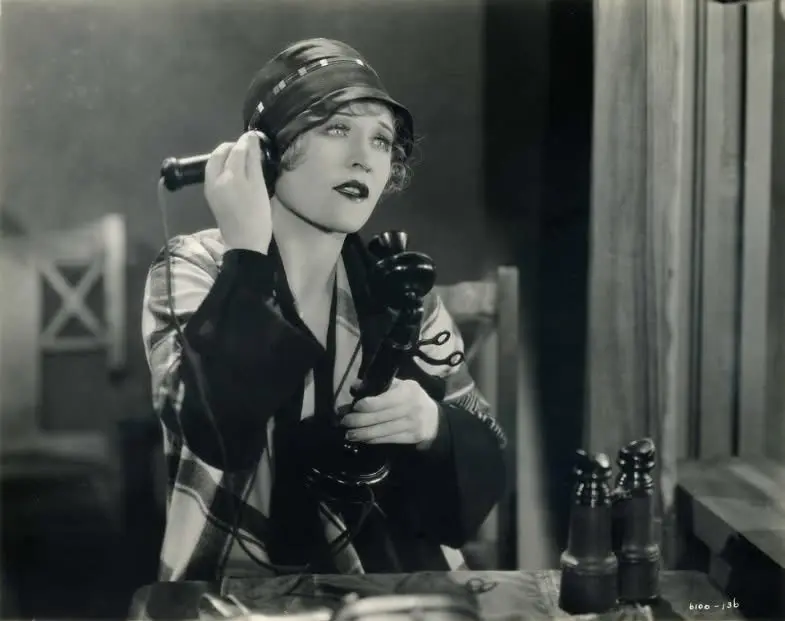
Toby Claude, as John Douglas, Jr., provides a solid, if less flamboyant, counterpoint to Haver’s energy. Claude portrays John Jr. as initially somewhat callow and overwhelmed by his responsibilities, but with an underlying decency. His transformation from a reluctant businessman to a passionate circus manager is conveyed through a gradual shift in his posture and demeanor, rather than any sudden, unbelievable epiphany. While his romantic chemistry with Haver is palpable, it is built more on charming glances and shared predicaments than deep emotional exploration. This is typical for the era, but a more nuanced performance could have elevated their connection beyond mere plot necessity. Compare his earnest, slightly bumbling charm to the more overtly slapstick antics of, say, Harold Lloyd in The Nut (1921), and you see a different approach to silent comedy. Claude leans into the romantic lead archetype, rather than the pure comedian.
The supporting cast, while given less screen time, fulfills their roles adequately. E.J. Ratcliffe as John Douglas, Sr., effectively embodies the stern, uncompromising patriarch, his disapproving scowl a silent antagonist. Tom Wilson’s portrayal of Kid Dugan is suitably menacing and greasy, providing a brief but impactful threat. While these performances are not groundbreaking, they provide the necessary framework for the leads to shine. The ensemble works together to create a believable world, even when the plot takes its more fantastical turns.
The direction in 'No Control', likely a collaborative effort given the silent film era's production methods, is competent and functional, effectively moving the story forward without drawing undue attention to itself. The visual storytelling relies heavily on clear blocking and expressive acting, which was standard practice. There are no groundbreaking camera movements or experimental techniques that would rival the likes of F.W. Murnau or Sergei Eisenstein. Instead, the focus is on clarity and the efficient delivery of narrative information. The director understands the strengths of their cast and frames them to maximize their emotional impact, particularly during moments of humor or romantic tension.
Cinematically, the film captures the aesthetic of late 1920s American silent cinema. The lighting is generally bright and even, ensuring that every detail of the sets and costumes is visible. While there might not be the dramatic chiaroscuro of German Expressionism or the sweeping vistas of a Western, the urban environments and the circus tent are rendered with a straightforward realism. The contrast between the drab, formal office settings and the vibrant, almost chaotic energy of the circus is well-established through set design and framing. For instance, the confined, orderly appearance of the Douglas Sr. office starkly contrasts with the wide, bustling shots of the circus grounds, even if those shots are relatively simple by today's standards. It’s a subtle visual shorthand for the characters’ internal struggles and external environments.
One area where the film's visual language could be considered a mixed bag is in its depiction of the circus. While central to the plot's resolution, the circus itself feels somewhat underutilized as a visual spectacle. It serves more as a backdrop for the final, audacious horse race than as a fully realized, immersive world. This is a missed opportunity, as the inherent visual richness of a one-ring circus could have been exploited for more memorable set pieces. However, the final race sequence, with its inventive use of the lion's roar, demonstrates a creative approach to visual problem-solving that transcends the film's otherwise conventional cinematography. The close-ups on the horse's panicked eyes and the frenetic editing during the climax are surprisingly effective.
'No Control' maintains a consistently lighthearted and optimistic tone, even when its characters face financial ruin or personal setbacks. This is, at its heart, a romantic comedy, and it never deviates from that core identity. The humor is largely physical and situational, relying on the juxtaposition of Nancy's earnestness with the absurdities of her new environments, or John Jr.'s bumbling attempts at professionalism. The scene where Nancy applies at the 'realty office' only to find it's a poolroom gambling den is a prime example of this tonal blend: a moment of potential danger quickly defused by John Jr.’s intervention, leading to a charmingly awkward job offer.
The film touches upon several thematic elements, though none are explored with particular depth. There's the classic 'rags to riches' or 'underdog' theme, as Nancy and John Jr. strive to save the circus from financial collapse. There's also a subtle commentary on the clash between traditional and modern values, represented by the old-world charm of the circus versus the impersonal nature of corporate business. John Jr.'s eventual embrace of the circus life can be seen as a rejection of his father's sterile world, a choice for passion and community over profit and detachment. This is an unconventional observation for a film that otherwise seems so straightforward; it quietly champions a life less ordinary.
However, the most prominent theme is, unsurprisingly, love and partnership. The romance between Nancy and John Jr. is the driving force, culminating in their literal and metaphorical union as they save the circus together. The film suggests that true happiness lies not in wealth or social standing, but in finding a compatible partner and building something meaningful, even if that 'something' is a struggling one-ring circus. The ending, with its ludicrous but undeniably satisfying resolution, reinforces this feel-good message. The sheer audacity of using a lion’s roar to win a horse race is a testament to the film’s commitment to its whimsical tone, even if it sacrifices realism entirely. It’s a moment that could easily make or break a viewer’s enjoyment, depending on their tolerance for pure, unadulterated cinematic silliness.
Yes, 'No Control' is worth watching if you are a fan of silent cinema or curious about early romantic comedies. It offers a charming glimpse into the filmmaking sensibilities of the late 1920s. The performances are engaging, especially Phyllis Haver's. The plot, while simple, is inventive and concludes with a memorable, albeit absurd, climax. It's a pleasant, undemanding viewing experience.
Pros:
- Engaging lead performance from Phyllis Haver.
- Charming, lighthearted romantic plot.
- Unique and memorable circus setting.
- Brisk pacing keeps the narrative moving.
- Inventive, if silly, climax.
- Offers a valuable historical perspective on early cinema.
Cons:
- Slapstick humor can feel dated for modern audiences.
- Limited character depth beyond surface-level charm.
- Plot relies heavily on convenient coincidences.
- Cinematography is functional but not particularly artistic or innovative.
- Suspension of disbelief is tested significantly in the final act.
- Pacing, while brisk, sometimes sacrifices emotional development.
'No Control' is a delightful, if undeniably slight, artifact from the silent era. It doesn't aim for profundity or cinematic revolution, but rather for pure, unadulterated entertainment. Phyllis Haver shines as Nancy, delivering a performance that grounds the film's more fantastical elements. The narrative, while predictable in its romantic arc, surprises with its inventive, circus-centric climax. It’s a film that asks for a generous suspension of disbelief, particularly in its final, roaring moments, but rewards viewers with a genuine sense of charm and a satisfyingly sweet resolution.
While it won't redefine your understanding of cinema, 'No Control' serves as a pleasant reminder of the simple pleasures that early films offered. It's a testament to the enduring appeal of the underdog story and the power of love to overcome even the most absurd obstacles. For those willing to embrace its vintage sensibilities, it’s a perfectly enjoyable watch. Just don’t expect it to change your life; expect it to make you smile. And perhaps scratch your head at the ingenuity of a dancing horse and a well-timed lion's roar. It’s a film that, despite its title, revels in a certain charming chaos, and that, I argue, is precisely its enduring appeal.
IMDb 6.4
1927
Community
Log in to comment.