DbcultAccessing Vault...
6.5/10
Senior Film Conservator
A definitive 6.5/10 rating for a film that redefined the boundaries of cult cinema. No Man's Law remains a cornerstone of transgressive art.
Is No Man’s Law a forgotten masterpiece or just a dusty relic of the silent era? Short answer: It is a fascinating, dark anomaly that belongs on your watchlist for the performances alone, particularly for those who only know Oliver Hardy as a bumbling comedian.
This film is for the cinema historian who enjoys seeing stars play against type and for fans of early 'animal hero' films. It is definitely not for those who demand fast-paced modern editing or who find the melodramatic tropes of the 1920s too archaic to engage with.
1) This film works because Rex the Wonder Horse delivers a more nuanced and physically imposing performance than many of his human counterparts, providing a genuine sense of stakes.
2) This film fails because the middle section drags significantly during the cabin siege, relying on repetitive shots that stall the narrative momentum.
3) You should watch it if you want to see a pre-Laurel Oliver Hardy play a genuinely creepy, predatory villain in a role that feels surprisingly modern in its menace.
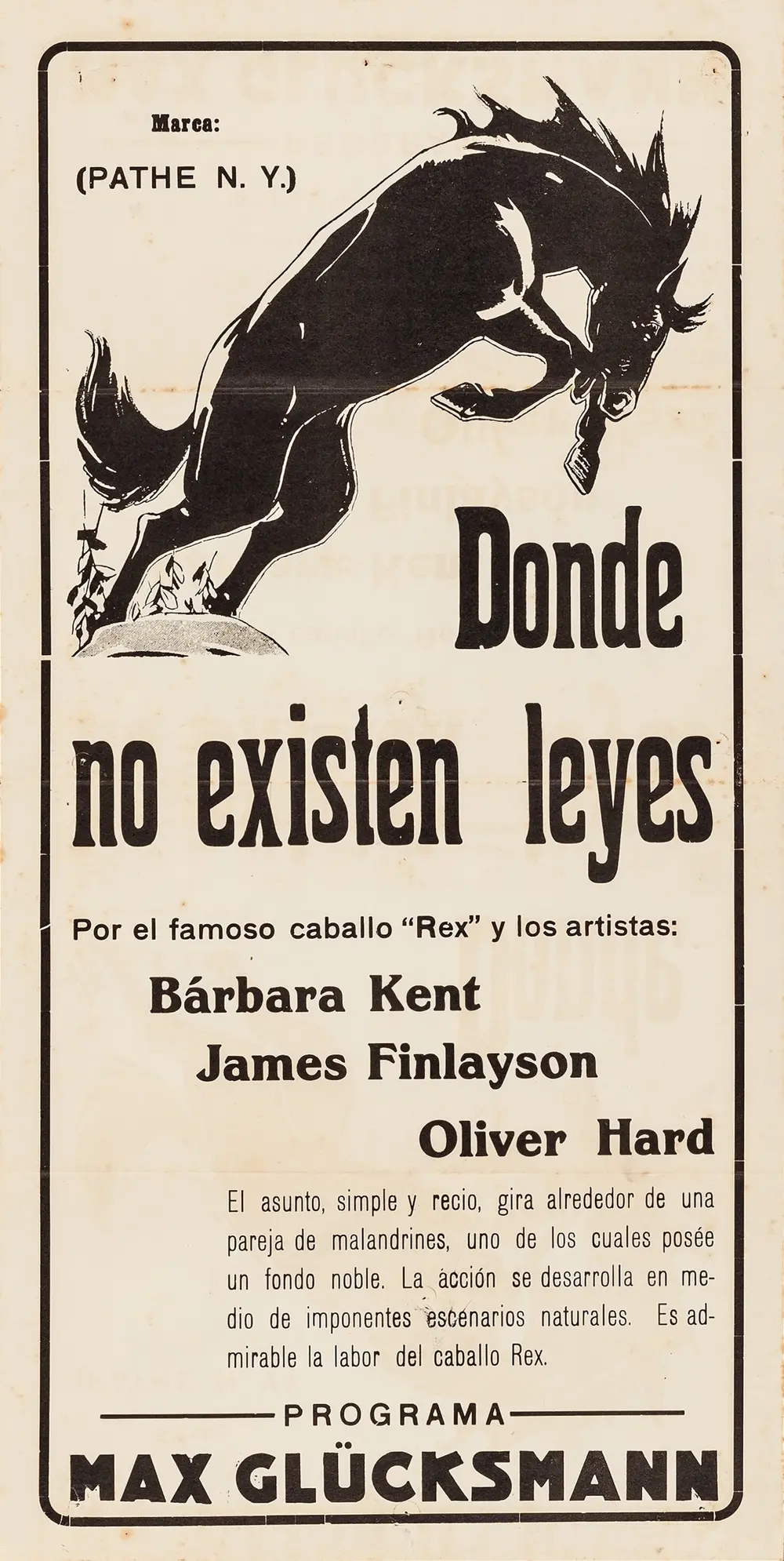
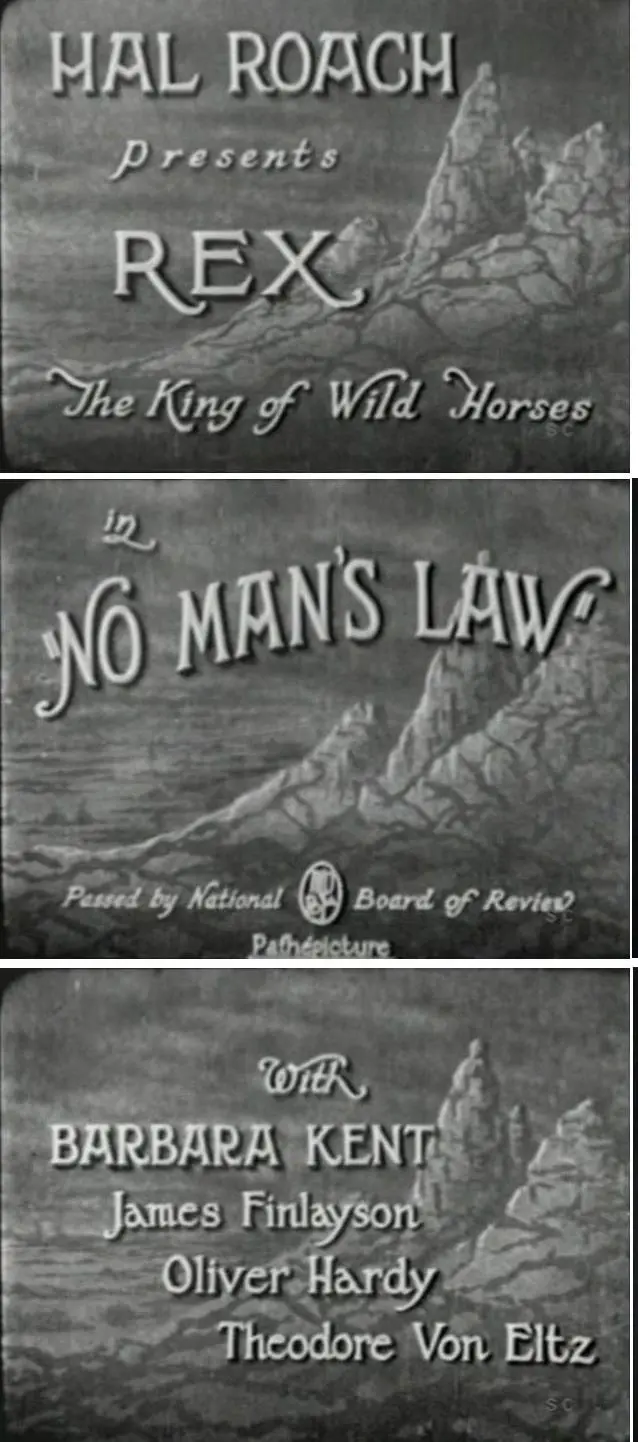
Yes, No Man's Law is worth watching because it subverts the typical 'heroic cowboy' trope by making a horse the primary protagonist and moral compass. While many silent Westerns from 1927 have faded into obscurity, this one remains relevant due to the presence of Oliver Hardy and James Finlayson, who would later become comedy legends.
The film offers a raw look at the 'survival of the fittest' mentality. It doesn't shy away from the darker aspects of human nature, specifically greed and sexual predation, which makes it feel grittier than many of its contemporaries like Señorita.
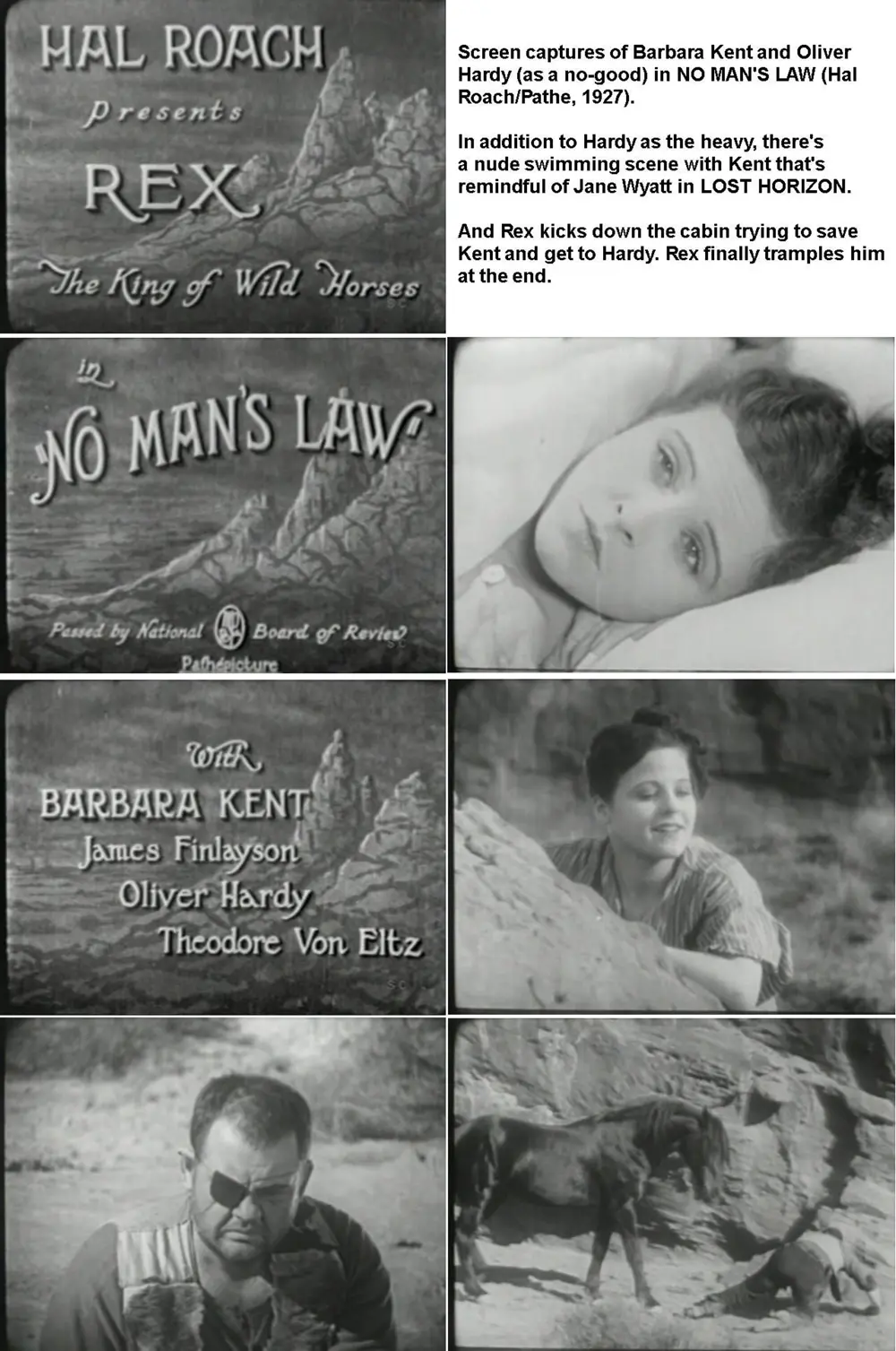
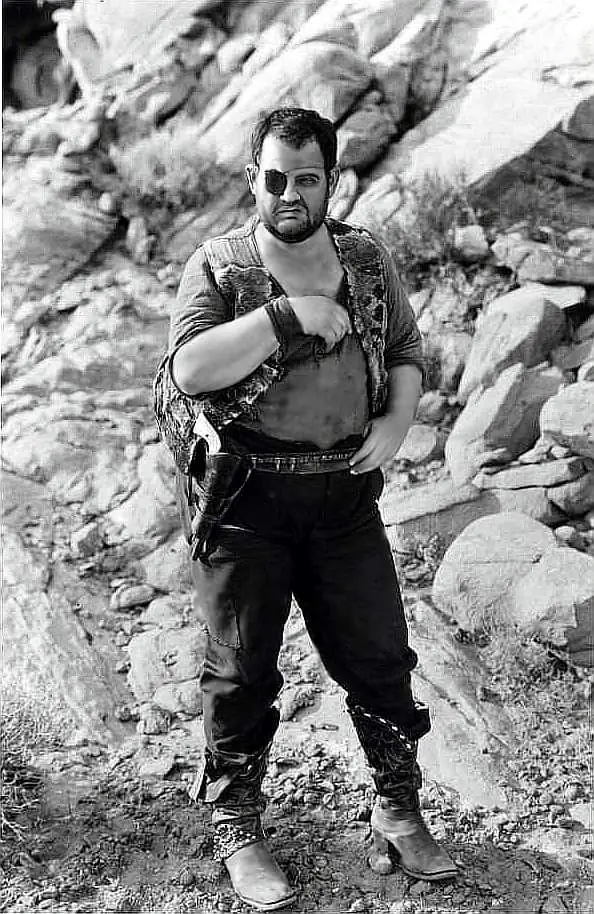
The most jarring and effective element of No Man's Law is Oliver Hardy's performance as Sharkeyny. For modern audiences accustomed to his gentle, frustrated persona in Laurel and Hardy, seeing him as a hulking, lustful predator is a shock to the system.
In one particularly unsettling scene, Hardy’s character watches Barbara Kent’s Toby through a window with a gaze that is purely predatory. There is no slapstick here. He uses his massive frame not for comedy, but to intimidate and loom over the other characters.
It works. But it’s flawed. The film occasionally struggles to balance Hardy's genuine threat with the more theatrical, almost pantomime-villainy of James Finlayson’s Spider. Finlayson, known for his iconic 'double take,' brings a jittery energy that contrasts sharply with Hardy's slow, deliberate malice.
While the humans plot and scheme, Rex the Wonder Horse steals every frame he inhabits. In the 1920s, animal stars were a major draw, and Rex was one of the biggest. Unlike the sentimentalized animals of later cinema, Rex feels dangerous and wild.
The way director Fred Jackman captures the horse’s movements suggests a level of intelligence that is almost supernatural. When Rex intervenes in the villains' plans, it doesn't feel like a trained trick; it feels like a calculated act of protection.
Compare this to the animal movements in The Monkey Mix-Up, and you see the difference. Rex isn't there for laughs. He is there to execute justice in a world where men have abandoned it. His 'acting' in the final confrontation is a masterclass in physical presence.
The film excels in its use of the rugged California terrain to mirror the internal state of its characters. The dust, the harsh sunlight, and the isolation of the miner’s cabin create a sense of inevitable doom. The cinematography by George Stevens (who would go on to direct classics like Shane) is surprisingly sophisticated.
There is a specific shot where the camera pans across the barren hills, emphasizing how far Toby and her father are from any hope of rescue. This visual storytelling does the heavy lifting that the intertitles sometimes fail to achieve.
The lighting in the interior cabin scenes is particularly moody. It creates deep shadows that Sharkeyny seems to emerge from, enhancing his role as a creature of the dark despite the Western setting. It’s a precursor to the noir aesthetic we would see decades later.
The film isn't without its struggles. Like many productions of the era, such as Alone in London, the pacing can feel uneven to a modern eye. The setup is brisk, but the middle act becomes a bit of a circular chase.
There are moments where the plot relies too heavily on the villains arguing with each other rather than taking action. While this develops their antagonistic relationship, it can lead to a sense of narrative stagnation.
However, the climax makes up for the lull. The physical stunts involving Rex and the human cast are genuinely impressive, especially considering the lack of safety protocols in 1927. The final showdown feels earned and visceral.
When placed alongside other 1927 releases like The Abysmal Brute, No Man's Law stands out for its lack of sentimentality. While many films of the time leaned into Victorian morality, this film feels more cynical.
It shares some DNA with The Bride of Glomdal in its depiction of a woman caught between competing masculine forces, but it replaces the poetic naturalism of Dreyer with a gritty, American pulp sensibility.
Even compared to international works like Johan Ulfstjerna, which focuses on political and social weight, No Man's Law is content to be a character study of greed. It is smaller in scope but more focused in its intensity.
The rare opportunity to see Oliver Hardy play a straight, menacing villain is worth the price of admission alone. His performance is chillingly effective.
The stunt work and animal training are top-tier for the period, making the action sequences feel authentic and dangerous.
The film’s cinematography captures the desolation of the frontier with a stark, beautiful clarity that many later Westerns failed to replicate.
The plot is relatively thin, essentially a single-situation drama stretched to feature length, which leads to some padding.
The character of Toby, while played well by Barbara Kent, is a standard damsel-in-distress who lacks the agency found in other 1927 heroines like those in Señorita.
No Man's Law is a fascinating artifact that transcends its 'B-movie' origins. It is a dark, sweaty, and often uncomfortable film that showcases the versatility of its cast and the incredible capability of its animal star.
While it may not have the grand scale of Dolina slyoz or the social commentary of Zoya, it excels as a gritty piece of frontier noir. It’s a reminder that before the Hays Code and the polish of the studio system, silent cinema could be surprisingly brutal.
If you can look past the occasionally sluggish pacing, you will find a film that is atmospheric, well-acted, and genuinely unique. It is a solid 7/10 for silent film enthusiasts and a must-watch for anyone interested in the history of screen villainy. It is raw. It is dusty. It is essential.

IMDb —
1932
Community
Log in to comment.