DbcultAccessing Vault...
Cult Review
Senior Film Conservator
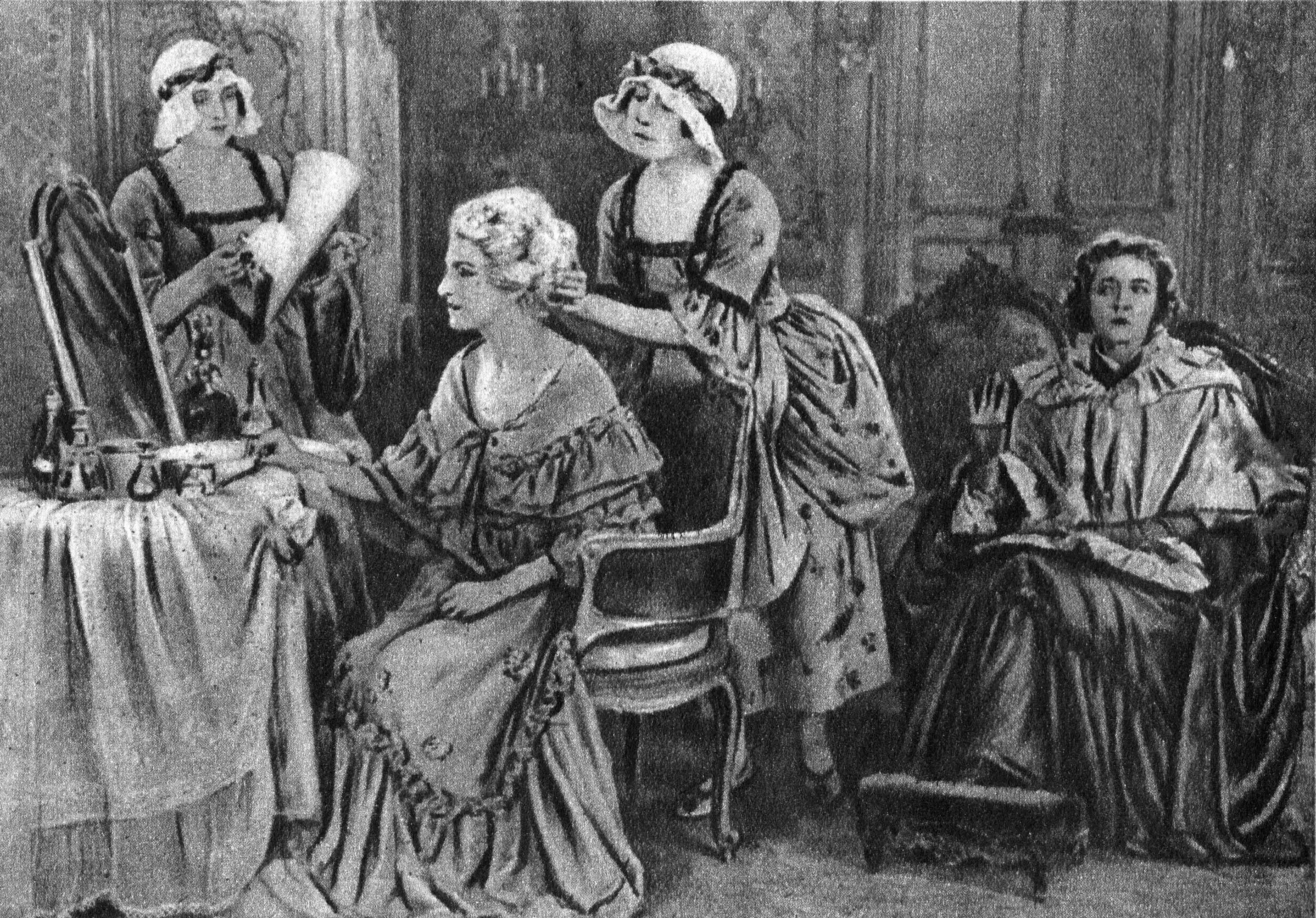
In the realm of early 20th-century cinema, 'No Trifling with Love' emerges as a thought-provoking narrative that masterfully weaves together the complexities of human relationships. This film, directed by Gaston Ravel and penned by Ravel and Alfred de Musset, presents a nuanced exploration of love, deception, and the societal constraints that govern our lives.
The story centers around a young woman, brought to life by Lysiane Bernhardt, whose existence becomes a battleground for her emotions, torn between the pursuit of personal happiness and the obligations imposed by her social standing. As she navigates this treacherous landscape, she finds herself ensnared in a web of relationships that challenge her perceptions of love, loyalty, and self-worth.
Jacques Christiany, Marquisette Bosky, and Jeanne Bérangère round out the cast, delivering performances that add depth and complexity to the narrative. Their characters, each with their own motivations and desires, contribute to the film's rich tapestry of emotions, making 'No Trifling with Love' a compelling watch for audiences interested in character-driven dramas.
One of the most striking aspects of 'No Trifling with Love' is its thematic resonance with other films of its era. For instance, 'Nothing But Nerve' shares a similar focus on the intricacies of human relationships, albeit with a different tone and approach. Similarly, 'The Black Night' explores themes of love and societal expectations, albeit within a different narrative framework.
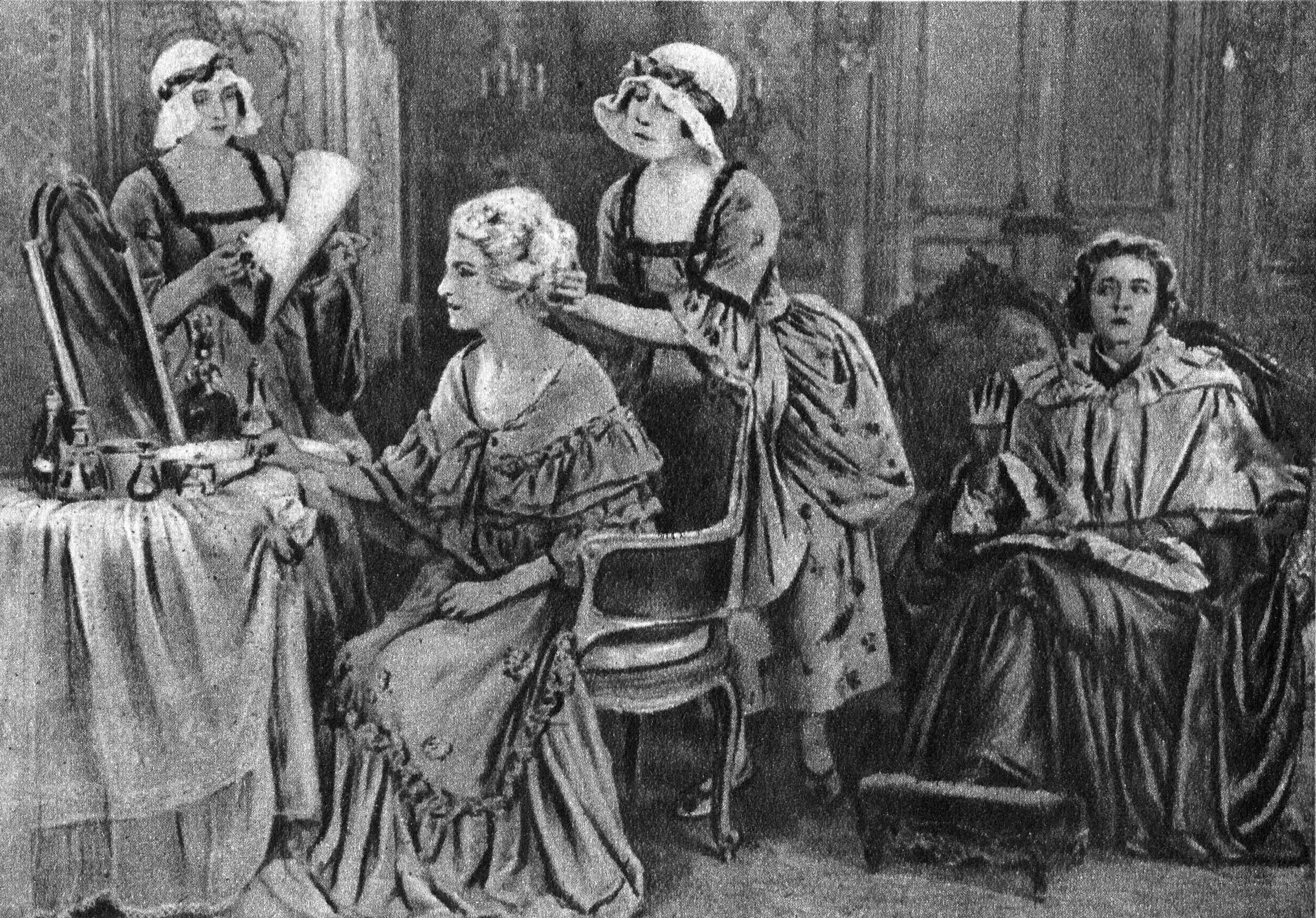
The cinematography and direction in 'No Trifling with Love' are noteworthy, with Ravel's vision bringing a sense of realism to the narrative. This approach allows the audience to become fully immersed in the world of the film, making the emotional journey of the characters all the more impactful. The use of lighting and shadow adds a layer of depth to the scenes, creating a visually engaging experience that complements the narrative.
In comparing 'No Trifling with Love' to other films of its time, such as 'Menschen im Rausch' and 'The Queen's Jewel', it becomes clear that this film occupies a unique space in the cinematic landscape of the early 20th century. Its focus on character development and emotional depth sets it apart from more plot-driven films of the era.
The performances in 'No Trifling with Love' are undeniably captivating, with Bernhardt delivering a tour-de-force performance that anchors the film. Her portrayal of a woman torn between her desires and her obligations is both nuanced and compelling, making her character's journey a compelling one to follow.
As the narrative unfolds, the themes of love, deception, and societal expectations are skilfully interwoven, creating a rich and complex tapestry that keeps viewers engaged. The film's pacing is well-balanced, allowing the audience to absorb the emotional depth of the characters and their relationships.
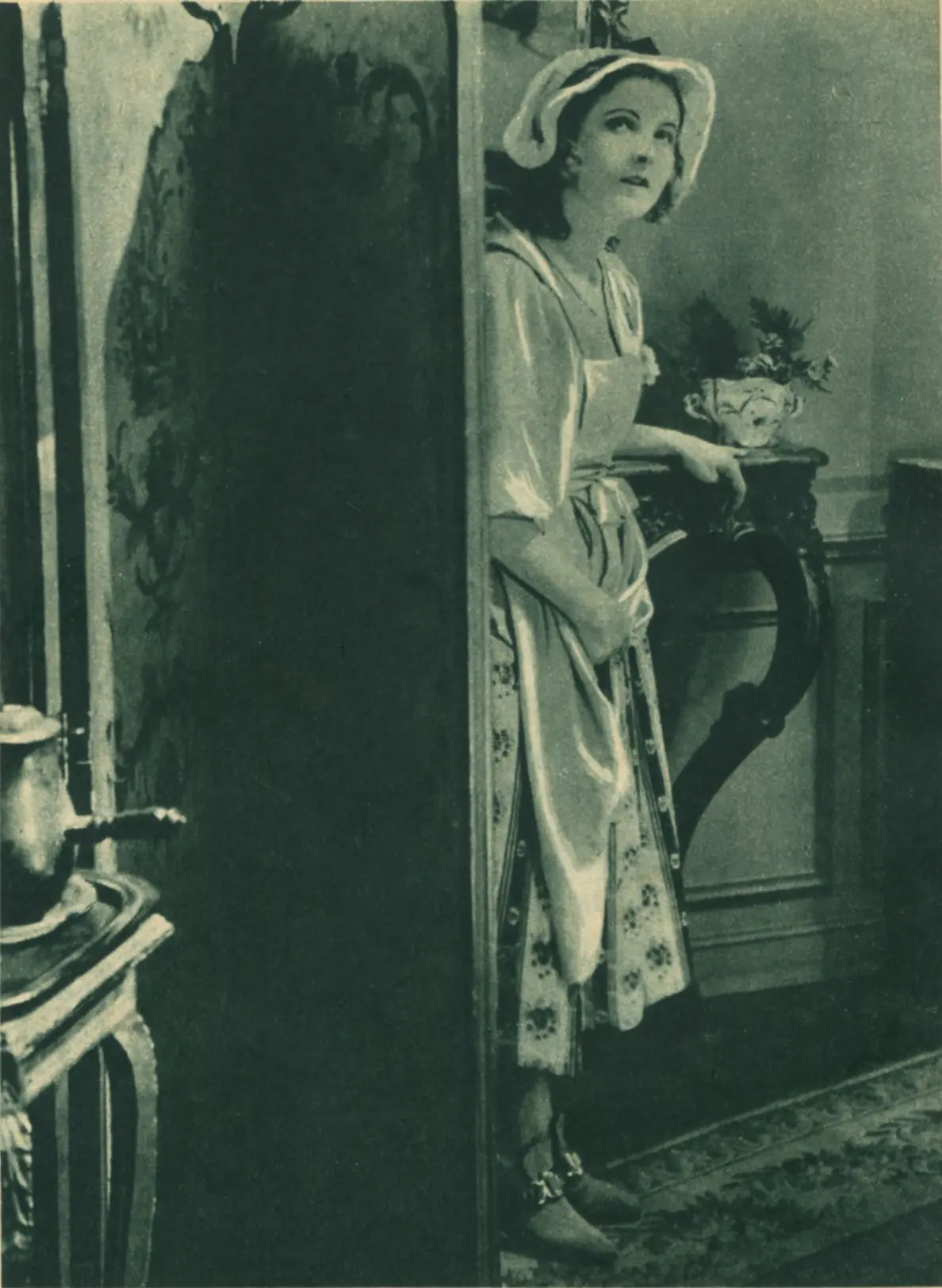
In conclusion, 'No Trifling with Love' is a masterful exploration of the human condition, delving into themes that are as relevant today as they were during the film's initial release. With its outstanding performances, nuanced direction, and thought-provoking narrative, this film is a must-see for anyone interested in the evolution of cinema and the exploration of human relationships.
For those interested in exploring more films from this era, 'Die weißen Rosen von Ravensberg', 'Gypsy Anne', and 'Cora' offer similar insights into the human condition, albeit from different perspectives.
The film's ability to balance emotional depth with visual storytelling is a testament to Ravel's skill as a director. Each scene is carefully crafted to advance the narrative while also providing insight into the characters' motivations and desires.
Overall, 'No Trifling with Love' is a cinematic treasure that continues to resonate with audiences today. Its exploration of love, deception, and societal expectations is both timely and timeless, making it a film that will continue to be studied and appreciated for generations to come.
IMDb —
1917
Community
Log in to comment.