DbcultAccessing Vault...
Cult Review
Senior Film Conservator
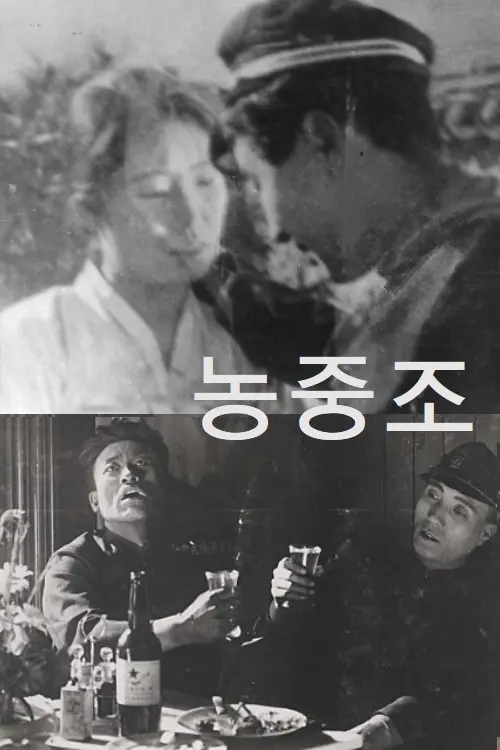
Is Nongjungjo worth watching today? Short answer: yes, but with significant caveats that demand a particular kind of viewer. This film is an essential piece of cinematic history, offering a rare window into early Korean filmmaking and the social anxieties of its time, making it a must-see for film historians, cultural anthropologists, and those deeply invested in the evolution of global cinema. However, it is decidedly not for casual viewers seeking fast-paced plots or contemporary narrative structures; its deliberate pacing and melodramatic sensibilities require patience and an appreciation for period-specific storytelling.
To truly appreciate Nongjungjo, one must approach it not merely as entertainment, but as an artifact. It works. But it’s flawed. Its power lies less in its technical polish and more in its raw emotional core and its historical significance. It’s a challenging watch, but a rewarding one for the right audience.
Woon-gyu Na’s Nongjungjo, often translated as “The Cage Bird” or “The Empty Dream,” stands as a crucial, if often overlooked, pillar in the nascent architecture of Korean cinema. Released during a period of intense cultural and political flux, it is more than just a film; it is a historical document, a socio-political commentary veiled in the guise of melodrama. The narrative, simple yet potent, explores themes of confinement, yearning, and the crushing weight of societal expectation, particularly for women, in a manner that feels both deeply personal and broadly universal.
The film’s central figure, Bok-soon (Hae-Sook Bok), is a character whose plight transcends her specific era. Her arranged marriage to the stern and traditional Elder Lee (Gyu-seol Lee) is not merely an inconvenience but a prison, a symbolic representation of the patriarchal structures that dominated Korean society. The subtle nuances of Hae-Sook Bok’s performance, her expressive eyes conveying volumes in the absence of spoken dialogue, are what elevate the film from a mere historical curiosity to a genuinely moving experience.
Her encounter with Woon-gyu Na's character, a free-spirited artist, acts as the catalyst for her awakening. This character, embodying modern ideals and artistic freedom, represents everything Bok-soon craves. It’s a classic romantic foil, but within the context of early Korean cinema, it’s also a powerful symbol of nascent individualism challenging entrenched tradition. The tension between these two worlds forms the dramatic backbone of the film, leading to a climax that is both inevitable and heartbreaking.
From a technical standpoint, Nongjungjo provides an invaluable insight into the stylistic conventions and limitations of early Korean cinema. The direction, while occasionally rudimentary by modern standards, possesses an earnestness that is deeply compelling. Woon-gyu Na, serving as both writer and actor, demonstrates a clear vision, even if the cinematic language was still in its infancy. His influence is palpable, lending the film an authenticity that few of his contemporaries achieved.
The cinematography, though constrained by the technology of the time, often uses stark compositions to emphasize Bok-soon’s isolation. Take, for instance, the recurring shots of Bok-soon framed within doorways or against barren walls; these aren't accidental. They are deliberate visual metaphors for her entrapment. The reliance on static shots and theatrical blocking might feel alien to contemporary viewers, but for its era, it was standard practice, and here, it serves the melodramatic tone effectively.
Pacing in Nongjungjo is undeniably slow. This is not a film designed for instant gratification. Scenes are allowed to unfold at a deliberate tempo, often relying on extended reaction shots and the expressive power of the actors to convey emotion. While some might find this testing, it allows for a deeper immersion into Bok-soon’s internal world, her silent suffering becoming almost palpable. This deliberate tempo, far from being a flaw, is a characteristic that demands a different kind of engagement from the audience, one that rewards patience with genuine emotional resonance.
The acting in Nongjungjo, particularly from Hae-Sook Bok as Bok-soon, is the film's undeniable anchor. In an era before synchronized sound, performers had to rely heavily on exaggerated facial expressions and physicality to communicate character and emotion. Bok's performance is a masterclass in this form of silent acting; her eyes, in particular, convey a profound depth of sadness, longing, and quiet defiance. One particular scene, where she silently watches children playing outside her window, her face a canvas of wistful melancholy, is more impactful than any dialogue could have been.
Woon-gyu Na, as the artist, brings a contrasting energy to the screen. His portrayal is imbued with a sense of idealism and understated rebellion, serving as a beacon of hope against the film's often bleak backdrop. His presence, though limited, is magnetic, providing the emotional spark that fuels Bok-soon's desire for freedom. The chemistry between Bok and Na is subtle, communicated through glances and unspoken gestures, yet it feels entirely authentic to the period's romantic sensibilities.
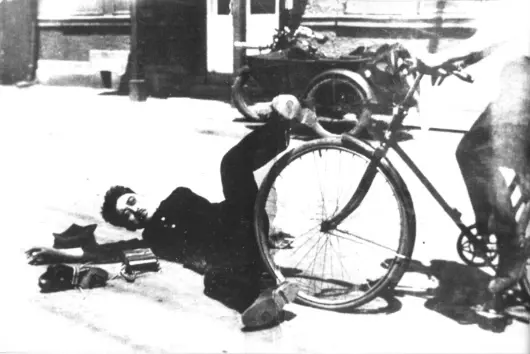
Gyu-seol Lee’s Elder Lee is, by design, less nuanced but equally effective. He embodies the oppressive patriarchal figure, his stern demeanor and rigid posture serving as a constant reminder of Bok-soon’s entrapment. His lack of overt villainy makes him a more complex antagonist than a simple caricature; he is a product of his time, upholding traditions he believes are correct, which makes Bok-soon's struggle against him all the more tragic.
Absolutely, for the right viewer. Nongjungjo is a foundational text in Korean cinema, offering invaluable insights into its early narrative preoccupations and stylistic choices. It’s a powerful, if melancholic, exploration of individual desire versus societal constraint. While its technical limitations are evident, its emotional core remains surprisingly potent.
The tone of Nongjungjo is undeniably somber, steeped in the melodramatic tradition common to early 20th-century cinema. It embraces pathos, often leaning into the tragic elements of Bok-soon's story. This isn't a film that offers easy answers or convenient happy endings; instead, it grapples with the harsh realities of its historical context. The pervasive sense of melancholy, however, is precisely what gives the film its lasting power, creating a deep empathy for its protagonist.
One could argue that the film occasionally verges on excessive sentimentality, a common criticism of melodramas from this era. Yet, even in its most dramatic moments, there is an underlying sincerity that prevents it from becoming mere mawkishness. The emotional beats, while amplified for the silent screen, feel earned, culminating in a conclusion that is both devastating and artistically resonant, refusing to compromise on the harsh truths it seeks to convey.
My most unconventional observation about Nongjungjo is how strikingly modern its exploration of existential dread feels, despite its vintage. Bok-soon isn't just trapped by a man; she's trapped by the very concept of her assigned life, a feeling that resonates deeply with contemporary anxieties about purpose and freedom. This elevates it beyond a simple period piece.
Furthermore, I firmly believe that the film's relative obscurity, compared to some Western silent classics, is a grave injustice. Its narrative ambition and the raw talent of its lead actress deserve far wider recognition. It’s a testament to the fact that compelling storytelling and powerful performances are not exclusive to any single cinematic tradition or time period.
A debatable point: While Woon-gyu Na’s performance as the artist is crucial, I contend that the film might have been even more impactful had his character been less idealized, perhaps a more ambiguous figure. This would have placed even greater emphasis on Bok-soon's internal drive for freedom, rather than external inspiration, making her journey feel even more self-generated and thus, more profound. It's a small quibble, but one that surfaces upon repeat viewings.
This film works because...
- It offers a powerful and empathetic portrayal of a woman's struggle against societal oppression in early 20th-century Korea.
- It serves as an invaluable historical document, showcasing the nascent stages of Korean filmmaking and cultural anxieties.
- Hae-Sook Bok's performance is exceptionally nuanced and moving, transcending the limitations of silent cinema.
- The themes of confinement and yearning for freedom are timeless and universally resonant.
This film fails because...
- Its deliberate, slow pacing can be off-putting for audiences accustomed to modern cinematic rhythms.
- The technical aspects, while historically significant, are rudimentary by today's standards, potentially hindering immersion for some viewers.
- The melodramatic tone, while authentic to its genre, can sometimes feel overly sentimental.
- Access to high-quality, restored versions can be challenging to find, impacting the viewing experience.
You should watch it if...
- You are interested in the history of world cinema, especially Korean cinema.
- You appreciate silent films and their unique storytelling conventions.
- You are drawn to character-driven melodramas with strong emotional cores.
- You want to witness a pivotal cultural artifact that reflects societal issues of its time.
Nongjungjo is more than just an old film; it's a testament to the enduring power of human emotion and the nascent art of cinema. While it demands a specific kind of engagement, rewarding patience with profound insight, its historical significance alone makes it a compelling watch. Hae-Sook Bok's performance is a beacon, a silent scream against oppression that resonates even today. It’s not an easy film, nor is it flawlessly executed by modern metrics, but its raw power and historical weight secure its place as a crucial, unforgettable piece of cinematic heritage. For those willing to embark on this journey, Nongjungjo offers a deeply moving and intellectually stimulating experience that far outweighs its antiquated facade. It’s a film that earns its place in any serious cinephile’s viewing list, a poignant reminder of where cinema began and the timeless stories it has always strived to tell, much like the equally compelling, if stylistically different, The Puppet Crown or The Tiger Man.
IMDb —
1922
Community
Log in to comment.