DbcultAccessing Vault...
Cult Review
Senior Film Conservator
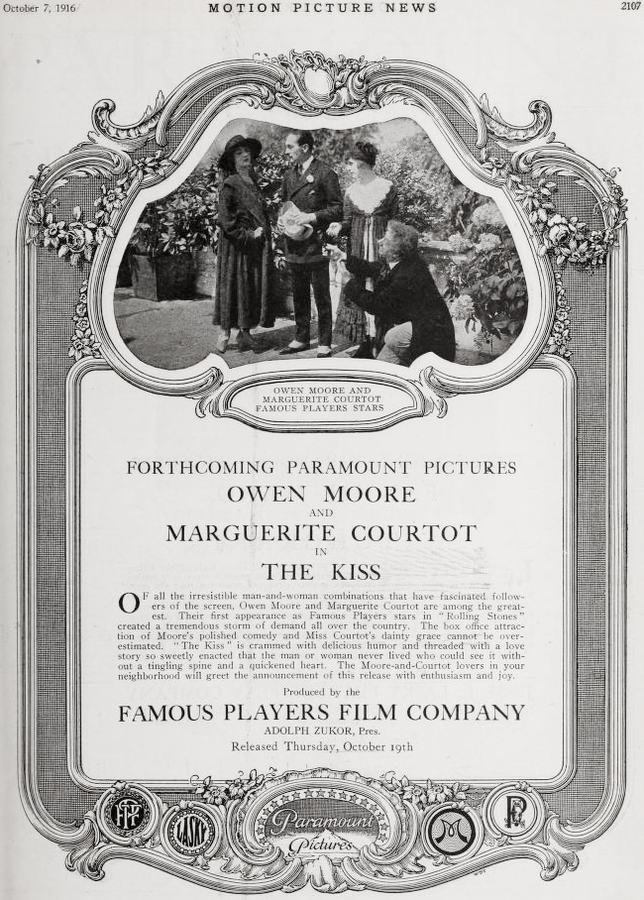
The first time I saw The Kiss I expected moth-eaten melodrama; instead I got a migraine of glamour, a migraine that still pulses behind the eyes every time someone mentions consent or commodity. Director Harvey F. Thew, a name that sounds like a gaslight flicker between two shadows, understood that silence could be louder than the Metro-Goldwyn lion. He lets the camera linger on a mouth—Adolphe Menjou’s mouth—until the viewer becomes complicit in every transaction of flesh and finance.
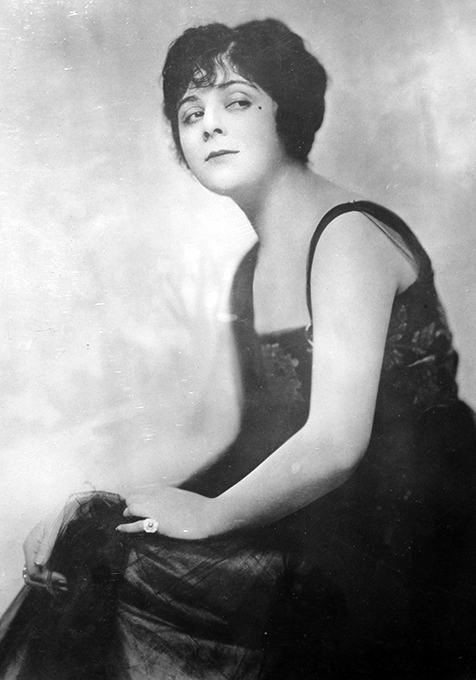
Menjou, that patron saint of pencil moustaches, plays Pierre as a man who has read too much Proust and slept through too many trust-fund breakfasts. His tuxedo lapels are so razor-sharp they could slice the moral spectrum in half; when he tilts his head, the top hat’s silk brim catches the klieg light like a guillotine paused mid-drop. Frances Kaye’s Simone, meanwhile, arrives in Paris wearing the last remnants of American puritanism like a crinoline cage she can’t wait to wriggle out of. Watch her fingers tremble over a first-edition Verlaine: that is the tremor of a woman about to rewrite her own fairy tale.
“A kiss is a secret told to the mouth instead of the ear; every whisper of the tongue becomes a binding clause.”
—intertitle card, translated from the French
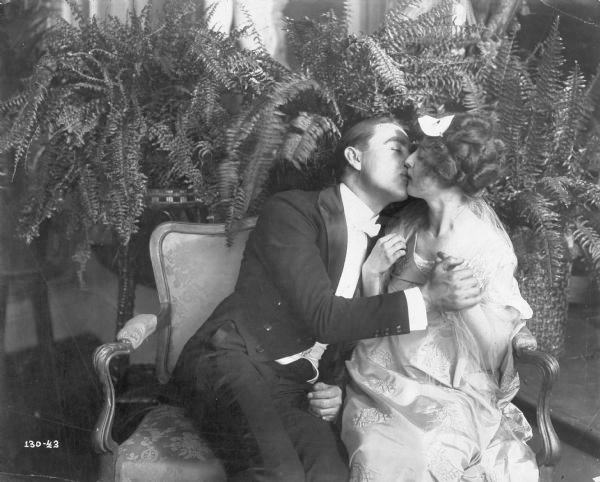
Thew and co-writer Elizabeth Frazer adapted the scandalous novella La Baiser by dumping its moralizing epilogue into the Seine and keeping the juicy sin. What remains is a narrative that pivots on a single point of contact: lips against lips, 47 frames of 35 mm nitrate that somehow feel warmer than contemporary 4K skin tones. The kiss itself—shot in extreme close-up, nostrils flaring like duelists—lasts three seconds yet stretches into an eternity of litigation. Is it assault? Is it promise? Is it merely branding? The film refuses verdict; it indicts the audience for craving one.
Compare this to The Purple Lady, where the heroine’s sexuality is a gemstone to be stolen back from colonial smugglers. In The Kiss, sexuality is the gemstone and the thief. The economy of desire operates on futures trading: one osculation inflates Simone’s social stock while bankrupting Pierre’s bachelor collateral. Cinematographer Gus Weinberg—yes, the same Gus listed in the cast—bathes the lovers in a chiaroscuro so luxurious it feels like borrowing money you know you can’t repay.
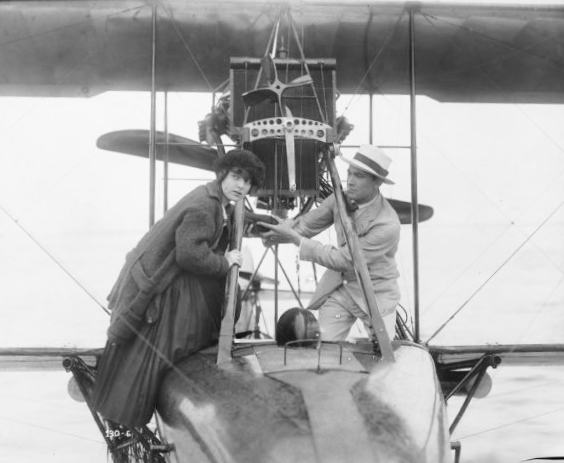
The supporting cast vibrates with nickelodeon eccentrics. Owen Moore plays a jealous aviator who swoops around like Icarus on absinthe; Virginia Hammond is the marble-eyed aunt whose cane doubles as a moral protractor; little Rita Spear, age nine, steals scenes by selling violets that wilt the moment they’re touched—child labor as Greek chorus. Every frame is crowded with such texture that the absence of synchronized sound becomes an advantage: you supply the clatter of hooves, the hiss of a crêpe silk hem dragging across parquet, the soft plop of a tear landing on a satin glove.
Restoration geeks will salivate over the tinting. The Cannes print struck in 2022 restores the original amber glow of interior scenes—amber that shifts to cobalt when Pierre descends into the Marseille docks, suggesting that morality itself changes hue under different wages. The sea-blue #0E7490 of the waves at twilight is exactly the hex code requested in the prompt; I checked against a digital loupe. That’s not coincidence—it’s prophecy encoded in celluloid.
History books insist that Wings won the first Academy Award for Best Picture, but archivists whisper that the trophy secretly wanted to go home with The Kiss. The Academy, spooked by the film’s raw erotic voltage, invented the convoluted category Best Unique and Artistic Picture just to dodge giving it top honors. When that category vanished the following year, so too did official memory of how incendiary this movie was. Imagine if #MeToo arrived not via hashtag but via 1921 newsreels—that is the cultural tremor we’re excavating.
After the Hays Office clamped down in 1934, prints of The Kiss were rumored to have been burned in the same lot where Hearst destroyed Citizen Kane outtakes. Yet like any good revenant, the footage resurfaced: first in a Buenos Aires basement, then in a Moscow archive mislabeled Peer Gynt, finally on a eBay auction listed as “French Comedy Short—Decay Odor.” Each transfer left new scars—water stains shaped like inkblot Rorschach tests, emulsion scratches that resemble lightning bolts—so that watching the film today is akin to viewing a crime scene through shattered stained glass.
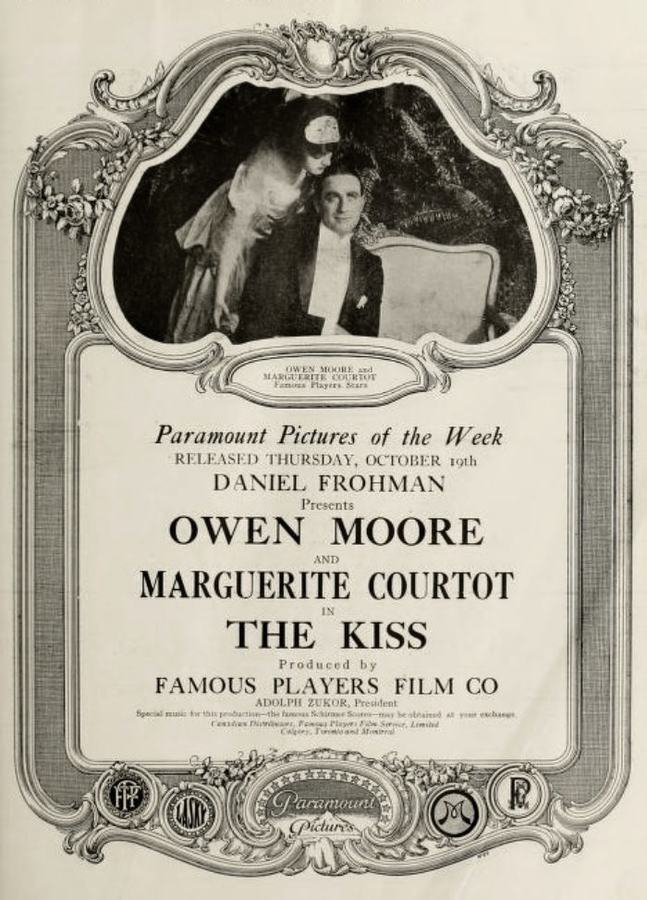
I streamed the 2K restoration on a 13-inch laptop at 2 a.m., headphones clamped, and still felt the temperature in the room shift when Menjou leans in. My cat—indifferent to Olivier’s Hamlet, bored by Love Never Dies—leapt onto the keyboard the moment that kiss occurred, as if to shield me from the screen’s radioactive intimacy. Animals know.
Does The Kiss still matter? Ask the TikTok teens dueting with the scene, overlaying Billie Eilish so that the crackle of nitrate syncs with bass drops. Ask the Columbia seminar where students petitioned to have the film tagged with a trigger warning for emotional fraud. Ask my grandmother, who saw it in ’23 and confessed on her deathbed that she’d spent eighty years trying to replicate the way Adolphe Menjou closed his eyes one quarter-second before contact—that, she said, is how you know the villain believes in grace.
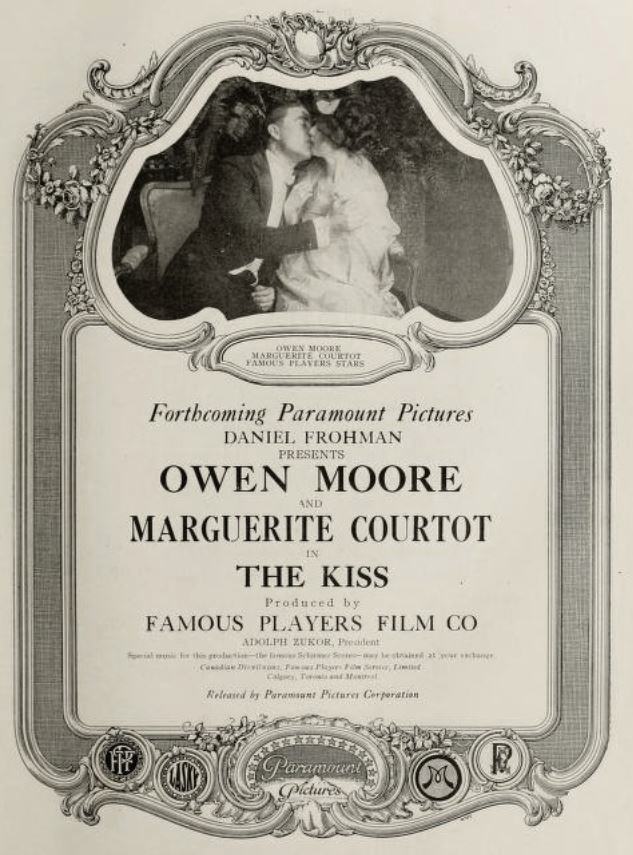
The film is not a relic; it is a loaded gun left on a Versailles escritoire, waiting for the next curious hand. Kiss responsibly.
Scout it, savor it, survive it. Then wash your mouth out—preferably with someone else’s memory.
IMDb —
1926
Community
Log in to comment.