DbcultAccessing Vault...
Cult Review
Senior Film Conservator
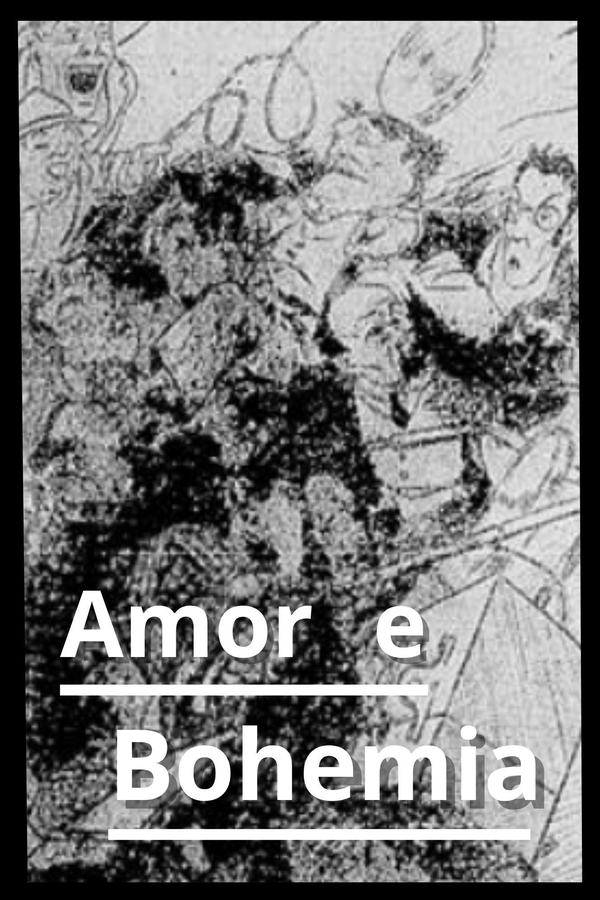
Ah, the intoxicating allure of the bohemian life! The scent of stale coffee, cheap wine, and nascent genius lingering in the air; the fervent debates that stretch into the pre-dawn hours; the belief that art, pure and unadulterated, can somehow transcend the mundane, even the brutal, realities of existence. This is the world that director Joaquim Guerreiro and co-writer Eduardo Arouca so masterfully conjure in Amor e Boemia, a cinematic lament that feels less like a film and more like a deeply personal, elegiac poem brought to life on screen. It’s a work that doesn't just tell a story; it breathes, it sighs, it weeps with the very soul of a bygone era, echoing the melancholic beauty of a fado sung in a dimly lit tavern.
From its opening frames, the film wraps you in a shroud of romanticism, albeit one frayed at the edges by an omnipresent sense of impending sorrow. Manoel Mora, in a performance that is nothing short of breathtaking, embodies João, the quintessential struggling poet. His João is not merely a character; he is the very spirit of artistic aspiration, a man whose every gesture, every whispered line of verse, vibrates with an almost painful sincerity. You feel the hunger in his eyes, the weight of unwritten masterpieces on his shoulders, the desperate yearning for a world where beauty reigns supreme over base necessity. Mora’s portrayal is a delicate dance between fervent idealism and a haunting, premonitory vulnerability, making him utterly compelling even as you anticipate his inevitable heartbreak. It reminds one, perhaps, of the tragic sensitivity found in characters from other period pieces exploring the artist's struggle, like the titular figure in Az utolsó bohém, though Mora infuses João with a distinctly Brazilian blend of passion and fatalism.
Opposite Mora, Maria José Cabral delivers an equally luminous performance as Isabel, the enigmatic chanteuse whose voice becomes both João’s muse and his torment. Cabral’s Isabel is a complex tapestry of desires and compromises. She possesses an undeniable artistic fire, a raw, untamed talent that could easily set the world ablaze, yet beneath that captivating exterior lies a profound weariness, a longing for stability that the bohemian life simply cannot offer. Her eyes, often cast downwards, speak volumes of the unspoken burdens she carries, the familial obligations that slowly, inexorably, pull her away from the heady, if impoverished, world of artistic purity. Isabel is not a villain; she is a survivor, caught between the ethereal promises of love and art, and the very real, very pressing demands of hunger and security. This internal conflict is portrayed with such nuance that you find yourself empathizing with her impossible choices, even as your heart aches for João.
The antagonist, if one can truly label him as such, is Joaquim Guerreiro himself, pulling double duty as the formidable Dr. Almeida. Almeida is not a mustache-twirling villain but a man of immense power and strategic cunning, whose offers of comfort and patronage are cloaked in an unsettling blend of genuine admiration and predatory possessiveness. Guerreiro imbues Almeida with a quiet menace, a sophisticated cruelty that is far more insidious than any overt act of malice. He represents the crushing weight of societal structure, the unyielding force of capital that can buy not just luxury, but loyalty, and even, tragically, a semblance of love. The subtle power plays between Almeida and Isabel are masterclasses in tension, each glance, each loaded silence, speaking volumes about the transactional nature of their burgeoning relationship. It's a stark reminder of how societal expectations and economic disparities can warp the purest of intentions, a theme explored with similar gravitas in films like The Undesirable, where characters are similarly trapped by circumstance.
The supporting cast forms a vibrant, often cynical, chorus to the central drama. Benedito Calixto's Pedro, the jaded painter, offers a grounded, often humorous, counterpoint to João's idealism. His pithy observations about the futility of art in a hungry world serve as a constant, sobering reminder of the stakes. Raul Pederneiras as Rui, the pragmatic journalist, provides a crucial narrative function, often voicing the unspoken thoughts of the audience, questioning the characters' motivations and predicting their tragic trajectories. The ensemble, including Belmiro Braga, Olga Paschoal, Rômulo Monteiro de Barros, and Pereira da Cunha, collectively paints a vivid portrait of Rio’s artistic underbelly, a world teeming with dreamers, schemers, and the perpetually disillusioned.
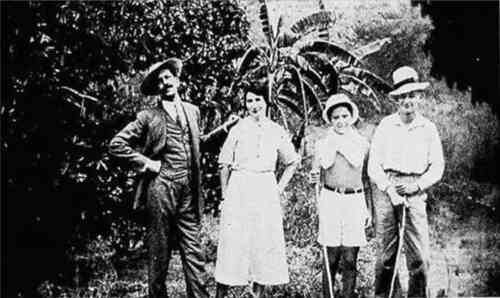
The writing, a collaborative effort between Joaquim Guerreiro and Eduardo Arouca, is exceptional. The dialogue crackles with intelligence and emotional depth, each line carefully crafted to reveal character, advance plot, and underscore the film's profound thematic concerns. There’s a poetic rhythm to the conversations, particularly between João and Isabel, that elevates them beyond mere exposition into something akin to lyrical exchanges. The narrative structure, while seemingly simple, is imbued with a classical elegance, building inexorably towards its devastating climax. It doesn't rely on cheap theatrics or convoluted plot twists; instead, it finds its power in the raw, unvarnished portrayal of human emotion and the relentless march of fate. This narrative honesty is a hallmark of truly resonant cinema, akin to the unflinching portrayal of human struggle found in a film like The Dawn of Freedom, where personal stories intertwine with broader societal currents.
Visually, Amor e Boemia is a feast for the eyes. The cinematography is exquisite, capturing the chiaroscuro of bohemian life with a painterly precision. The dimly lit cafés, with their swirling cigarette smoke and the flickering candlelight, feel authentic and lived-in. The opulent interiors of Almeida’s mansion, by contrast, are starkly lit, almost sterile, emphasizing the cold, calculating nature of his world. The contrast between these two environments is not merely aesthetic; it is deeply thematic, highlighting the stark choices faced by Isabel and the inherent incompatibility of João’s artistic purity with Almeida’s material pragmatism. The use of light and shadow is particularly effective in mirroring the characters' internal states, with João often bathed in a soft, ethereal glow, while Isabel is frequently caught between areas of light and encroaching darkness, symbolizing her moral and emotional quandary.
The film's exploration of themes is robust and timeless. At its heart, it's a meditation on the eternal conflict between art and commerce, passion and pragmatism. It asks profound questions: Can true art flourish without suffering? Is love a luxury that only the privileged can afford? What is the cost of artistic integrity when faced with the crushing weight of poverty? These are not easy questions, and Amor e Boemia offers no simplistic answers. Instead, it presents a nuanced, often heartbreaking, portrayal of individuals grappling with these dilemmas, forcing the audience to confront their own values and priorities. The film subtly critiques the societal structures that necessitate such agonizing choices, suggesting that the bohemian ideal, while beautiful, is ultimately fragile against the onslaught of economic reality.
The emotional impact of the film is profound and lingers long after the credits roll. The ending, far from offering a tidy resolution, delivers a gut-wrenching blow that feels both inevitable and devastating. It's a testament to the power of the performances and the writing that the audience feels João’s heartbreak as if it were their own. The final scene, a silent, poignant encounter between João and Isabel, is a masterclass in understated tragedy, a tableau of what was lost and what could never be regained. It’s a moment that speaks to the universal experience of regret and the enduring scars left by life’s difficult choices, reminiscent of the quiet devastation found in The Secret Orchard or the profound sense of destiny in The World Against Him, where characters are similarly bound by forces beyond their control.
Joaquim Guerreiro and Eduardo Arouca have crafted a work that transcends its period setting to speak to universal human truths. They remind us that while art may be eternal, the lives of artists are often tragically fleeting, shaped by forces far beyond their control. This is not a film for those seeking easy answers or saccharine happy endings. It is a film for those who appreciate the raw, unvarnished beauty of human struggle, the exquisite pain of unfulfilled dreams, and the enduring power of a story told with unflinching honesty and poetic grace. It's a cornerstone of Brazilian cinema, a profound exploration of the human condition that deserves to be seen, discussed, and cherished. The contributions of Luiz Peixoto, Antonieta Olga, Jayme Victor, Amaro Amaral, Antônia Denegri, João Cataldi, Alvaro Corrêa de Campos, J. Calixto, João Luso, J. Carlos, Teixeira de Barros Filho, João Guedes de Mello, Eduardo Arouca, João Baptista da Costa, Hélio Seelinger, Raul Davesa, Correia Dias, E. Francisconi, Paulo Hasslocher, and Francisco Andrade, though perhaps in smaller roles, collectively weave the rich tapestry of this cinematic world, each face adding another layer to the bustling, conflicted landscape of Rio de Janeiro. Their presence ensures that the bohemian world feels not just imagined, but truly inhabited.
In a cinematic landscape often dominated by spectacle, Amor e Boemia stands as a towering testament to the power of character-driven drama and intellectual depth. It's a film that demands your attention, rewards your contemplation, and ultimately leaves an indelible mark on your soul. If you are a connoisseur of classic cinema, especially those narratives that delve into the bittersweet complexities of love and artistic integrity, then this film is an absolute must-see. It’s a cinematic masterpiece that resonates with the melancholic beauty of a forgotten melody, a poignant reminder of the choices that define us and the dreams that haunt us.
IMDb —
1924
Community
Log in to comment.