DbcultAccessing Vault...
6.1/10
Senior Film Conservator
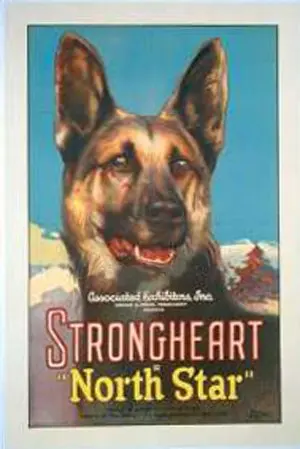
A definitive 6.1/10 rating for a film that redefined the boundaries of cult cinema. North Star remains a cornerstone of transgressive art.
The early 20th-century American cinema landscape was dotted with films that explored the human condition in profound, albeit melodramatic, ways. Among these, North Star stands out as a gripping tale of mistaken guilt, familial devotion, and the pursuit of redemption.
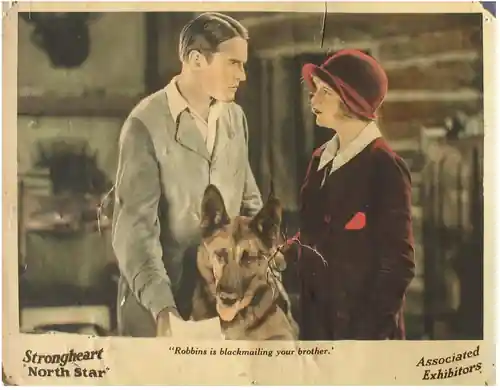
Directed by Charles Horan and Rufus King, this 1925 melodrama follows a man who, believing he has committed a mortal sin, flees into the Northwest. His journey is marked by a desperate attempt to escape the consequences of his actions, accompanied by his loyal sister, who trails him with a determination that underscores the strength of familial bonds.
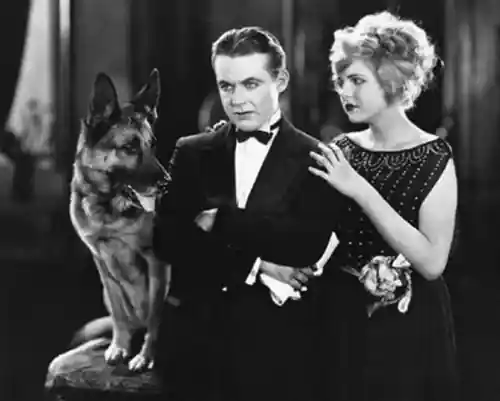
The film boasts an impressive cast, including Clark Gable and Gary Cooper, though their roles are somewhat eclipsed by the compelling narrative and the cinematographic portrayal of the American wilderness. Strongheart the Dog also makes a notable appearance, adding an element of pathos to the storyline.
In many ways, North Star recalls other melodramas of its era, such as Footlights, which also explores themes of guilt and redemption, albeit within a different context. Similarly, The Heart of Jennifer and Man's Plaything share similar melodramatic elements, though North Star distinguishes itself through its unique narrative and the atmospheric setting of the Northwest.
The cinematography in North Star is noteworthy, capturing the vast expanse and unforgiving nature of the American wilderness. This setting serves as a character in its own right, influencing the actions and decisions of the protagonists. The use of natural landscapes to underscore the emotional states of the characters is a technique also seen in Why Elephants Leave Home and Terror Trail, though North Star employs it with particular effectiveness.
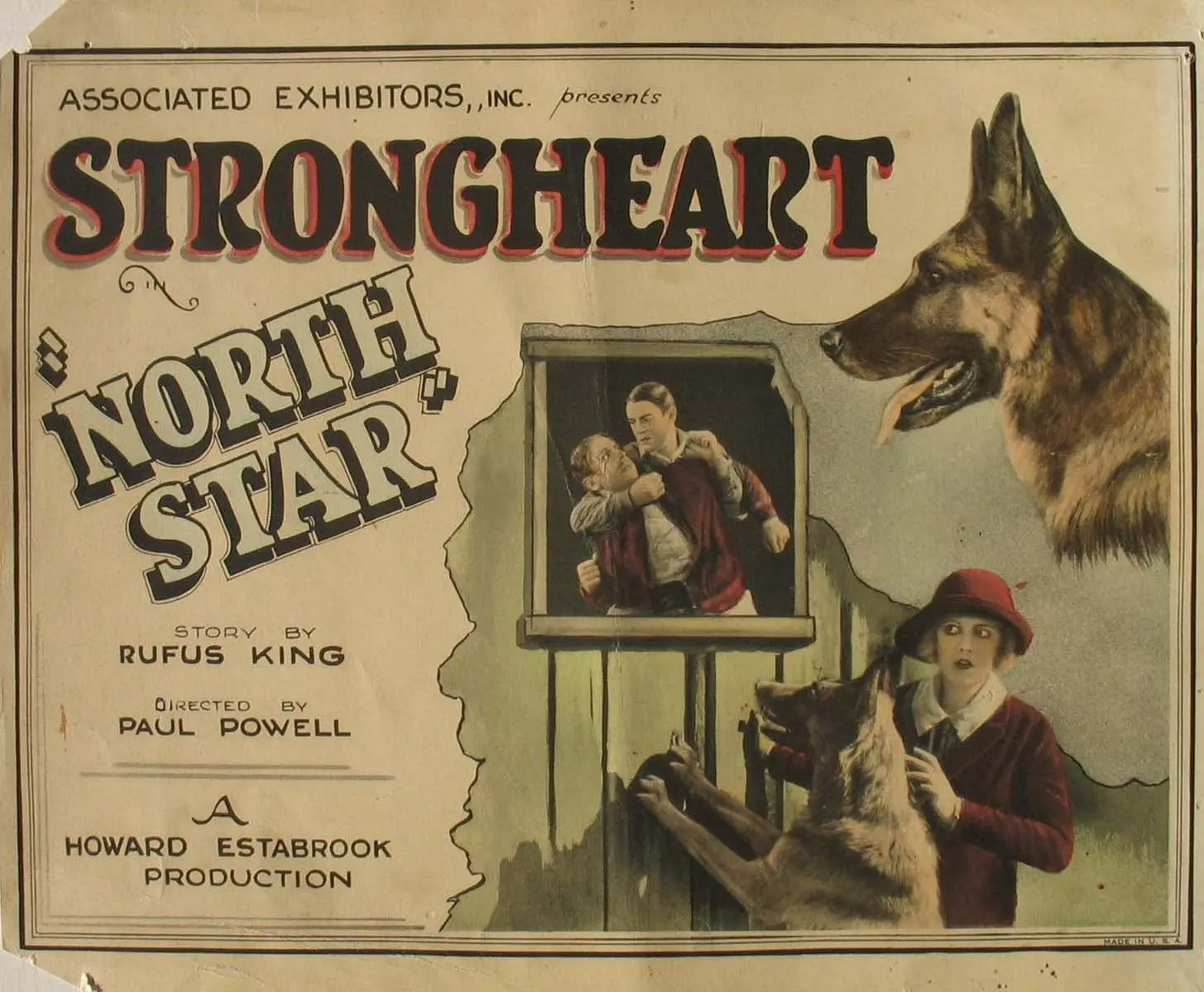
The performances in North Star are commendable, with the cast delivering portrayals that bring depth to the narrative. Clark Gable and Gary Cooper, though not in leading roles, contribute to the film's authenticity. Their presence, along with Syd Crossley, Virginia Lee Corbin, and Harold Austin, among others, helps to flesh out the story, making it more relatable and engaging.
Comparing North Star to other films of the era, such as Disraeli, The Lone Round-Up, and Le ultime avventure di Galaor, it's clear that this melodrama holds its own in terms of narrative complexity and emotional resonance. The film's ability to evoke a sense of empathy in the audience, much like The Lover of Camille and Political Pull, is a testament to its enduring appeal.
In conclusion, North Star is a film that warrants attention from those interested in the evolution of melodrama in American cinema. Its exploration of guilt, redemption, and familial bonds, set against the backdrop of the Northwest wilderness, makes for a compelling viewing experience. While it may not stand out in terms of cinematography or performances compared to some of its contemporaries, such as Honeymoon Ranch, Among the Counterfeiters, and Man and Wife, its narrative and thematic elements ensure it remains a significant work of the era.
The film's themes are timeless, echoing through the annals of cinematic history, much like those explored in Burning the Candle. North Star is a poignant reminder of the power of melodrama to evoke emotions and provoke thought, a genre that continues to influence filmmakers to this day.
Ultimately, North Star offers a unique viewing experience, one that is both a product of its time and a work that transcends the boundaries of early 20th-century cinema. Its place within the canon of American melodramas is well-deserved, offering insights into the human condition that are as relevant today as they were upon its release.
IMDb —
1933
Community
Log in to comment.