DbcultAccessing Vault...
Cult Review
Senior Film Conservator
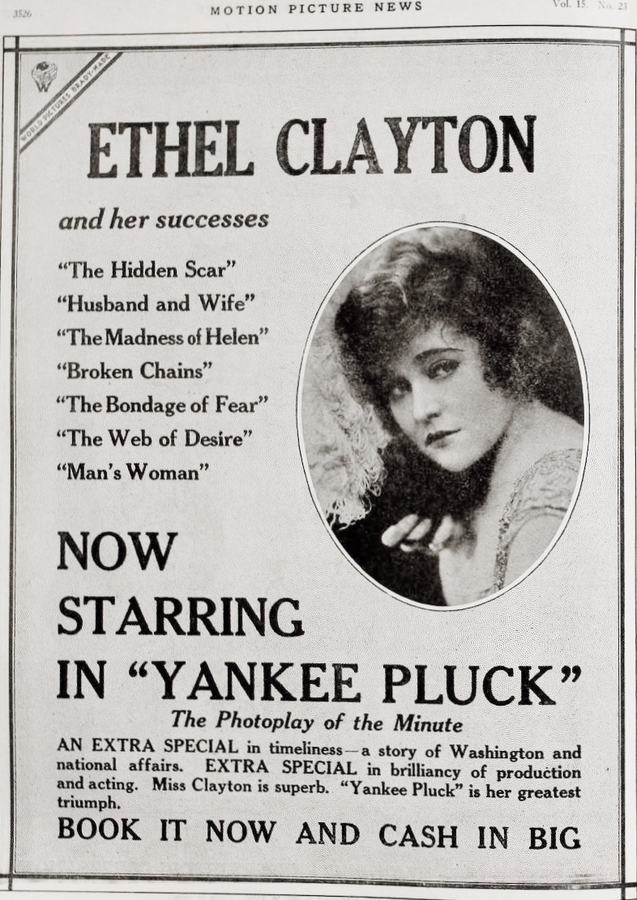
In the annals of early cinema, where flickering images and grand gestures conveyed narratives without the luxury of spoken dialogue, certain films emerge as more than mere historical curiosities. They stand as testaments to the nascent art form's power to captivate, to provoke, and to reflect the moral complexities of their time. Willard Mack's "Yankee Pluck" is precisely one such cinematic artifact, a compelling drama that weaves together themes of familial loyalty, romantic entanglement, and international espionage with a deftness that belies its silent era origins. Released during a period of global upheaval, the film offers a fascinating window into the anxieties and aspirations of an America on the cusp of a new world order.
At its heart, "Yankee Pluck" is a profoundly human story, anchored by the poignant struggles of the Pollard family. We are introduced to John Pollard, portrayed with a nuanced desperation by Charles Bowser, a man whose opulent past has crumbled into a precarious present within the genteel yet unforgiving social circles of Washington, D.C. His daughter, Polly, brought to vivid life by the remarkable Isette Monroe, navigates this delicate existence with an admirable blend of resilience and grace. Despite their reduced circumstances, Polly’s inherent charm and social acumen allow her to mingle with the city's influential elite, including the formidable multimillionaire George Singleton (Eric Wayne) and the upright Lieutenant Richard Travers (Johnny Hines). This seemingly idyllic social landscape, however, conceals a dangerous undercurrent, epitomized by the enigmatic Baron Wootchi (Montagu Love), a Japanese diplomat whose polished demeanor masks a relentless pursuit of sensitive military documents in Travers' possession.
The narrative tension escalates rapidly as Pollard's mounting debt to Singleton becomes an unbearable burden. In a move born of desperation rather than paternal affection, he attempts to coerce Polly into a marriage of convenience with Singleton, viewing it as the only viable escape from financial ruin. Polly, however, has already given her heart to Travers, and steadfastly rejects her father's plea, accepting Travers' proposal instead. This act of defiance sets the stage for a heart-wrenching ultimatum: Pollard informs her that Singleton will seize their home unless she sacrifices her love for Travers and marries the millionaire. The moral stakes are raised even higher when Baron Wootchi, sensing Pollard's vulnerability, dangles a tantalizing sum of $50,000 for the pilfered military plans. This insidious offer pushes Pollard over the brink, compelling him to betray Travers and steal the crucial documents.
The film then plunges into a thrilling sequence of pursuit and confrontation. Polly, discovering her father's grave transgression, embarks on a desperate chase, ultimately cornering the Baron at a secluded roadhouse. The ensuing standoff, punctuated by Polly's courageous defiance at gunpoint, is a masterclass in silent film suspense. The dramatic climax sees Travers finally unraveling the tangled web of deceit, leading him to settle Pollard's debt to Singleton and, in a moment of gratifying resolution, claim Polly’s hand. The plot, while adhering to certain melodramatic conventions of the era, is executed with a brisk pace and a keen understanding of human frailties, making it a surprisingly modern and engaging experience for contemporary viewers.
The strength of "Yankee Pluck" owes much to its ensemble cast, who navigate the emotional landscape with a remarkable command of expression. Isette Monroe, as Polly, is the undeniable heart of the film. Her portrayal is a delicate balance of vulnerability and steely resolve, conveying the immense pressure she faces without resorting to histrionics. Monroe imbues Polly with an inner strength that makes her struggles palpable and her ultimate triumph genuinely earned. Her silent performance speaks volumes, a testament to the power of nuanced facial expressions and body language in an era devoid of spoken dialogue.
Charles Bowser's John Pollard is a tragic figure, a man undone by his own pride and financial woes. Bowser skillfully portrays the descent from a respectable, if beleaguered, patriarch into a desperate pawn, eliciting both sympathy and frustration from the audience. His moral compromises are painted not as purely villainous, but as the desperate acts of a man cornered by circumstance, a nuanced approach that adds considerable depth to the narrative.
Johnny Hines, as Lieutenant Richard Travers, embodies the archetype of the honorable hero. While perhaps less complex than Polly or Pollard, Hines delivers a performance that is earnest and reassuring, making Travers a dependable anchor in the storm of intrigue. His steadfast love for Polly and his unwavering commitment to duty are clearly articulated through his actions and demeanor. On the other side of the romantic coin, Eric Wayne’s George Singleton is a compelling antagonist, not overtly malicious but rather a man whose wealth grants him a sense of entitlement and a transactional view of relationships. Wayne subtly conveys Singleton's belief that anything, even love, can be bought, making him a formidable obstacle to Polly's happiness.
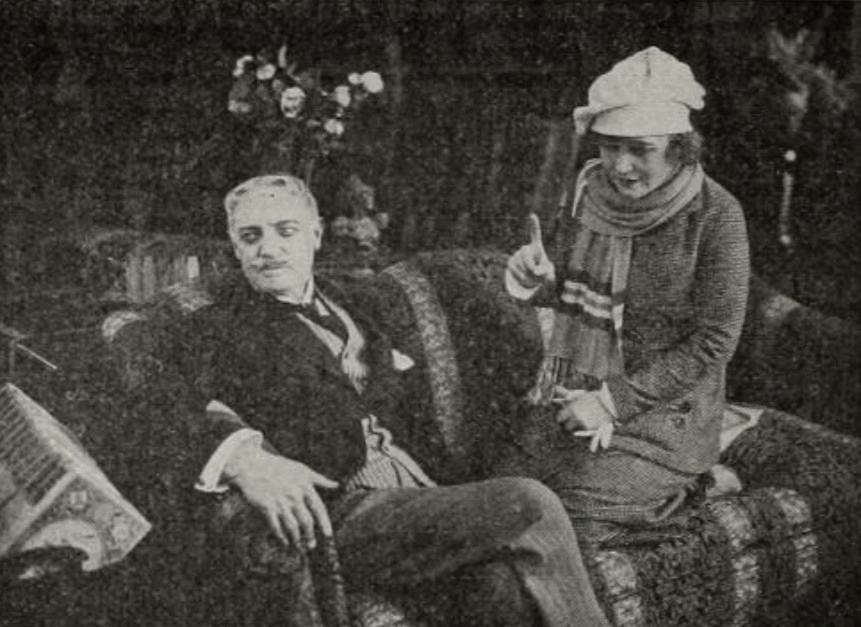
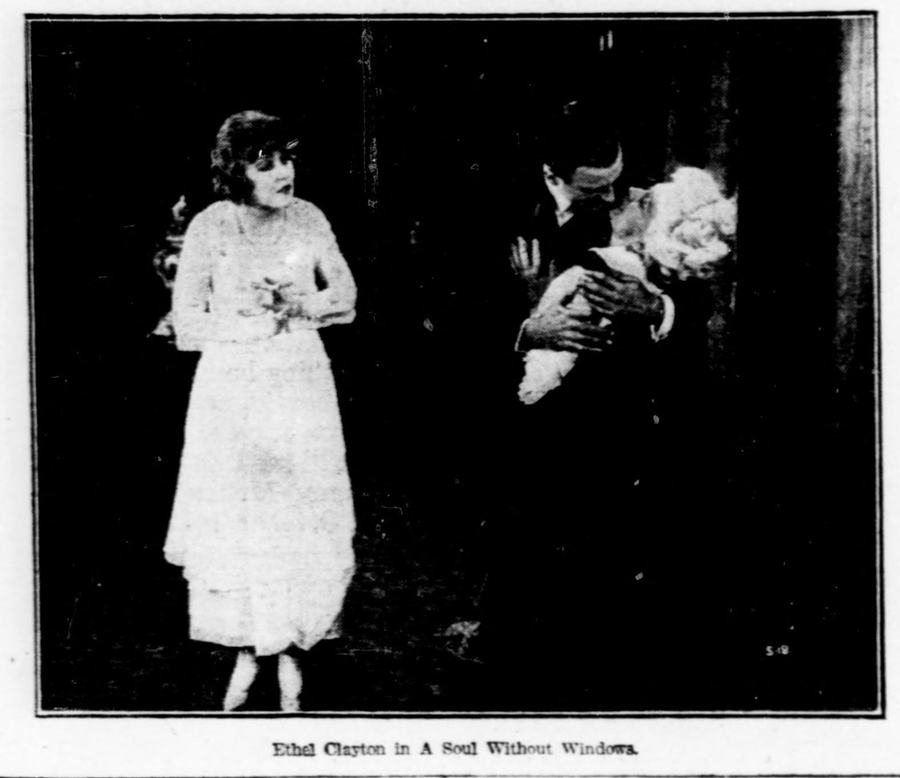
Perhaps the most intriguing performance comes from Montagu Love as Baron Wootchi. Love injects the character with a chilling blend of sophistication and sinister intent. His portrayal of the foreign diplomat is a masterclass in silent menace, his subtle gestures and piercing gaze conveying a relentless, calculating ambition that makes him a truly memorable villain. The supporting presence of Ethel Clayton and Edward Langford further enriches the film’s tapestry, adding texture to the social milieu in which these dramatic events unfold.
The screenplay by Willard Mack is a testament to his skill in crafting engaging narratives for the silent screen. Mack, known for his prolific work as a writer and director during this era, demonstrates a keen understanding of dramatic structure and character motivation. The plot of "Yankee Pluck" is tightly constructed, with each development logically flowing from the previous, building suspense effectively. He masterfully balances the personal drama of the Pollard family with the high-stakes world of international espionage, ensuring that neither element overshadows the other. The moral dilemmas presented are not simplistic; Pollard's actions, while reprehensible, stem from a place of desperation, a nuance that prevents the film from descending into pure melodrama. Mack’s writing allows for moments of genuine emotional resonance, particularly in Polly’s fierce determination to protect her family and her beloved.
While the narrative certainly employs tropes common to the period—the damsel in distress (though Polly is far from passive), the honorable hero, the villainous foreigner—Mack’s execution elevates them beyond mere cliché. The dialogue, conveyed through intertitles, is concise and impactful, serving to advance the plot and reveal character rather than merely explain events. This economy of language is crucial in silent film, and Mack uses it to great effect, allowing the visuals and performances to carry the bulk of the storytelling burden. His ability to weave together romance, familial duty, and national security concerns into a cohesive and thrilling whole is commendable, marking "Yankee Pluck" as a standout example of early cinematic screenwriting.
Beyond the script and performances, the direction and cinematography of "Yankee Pluck" play a crucial role in its effectiveness. Though specific directorial credits are sometimes elusive for films of this vintage, the visual language is clear. The film utilizes a range of techniques to convey emotion and plot, from close-ups that emphasize the characters' inner turmoil to wider shots that establish the grandeur of D.C. society or the desolate isolation of the roadhouse. The pacing is well-judged, allowing moments of quiet reflection to breathe before plunging into suspenseful action sequences. The chase scene involving Polly and the Baron is particularly well-staged, demonstrating a sophisticated understanding of cinematic tension building.
Lighting and set design, though perhaps rudimentary by modern standards, are employed to great effect. The contrast between the opulent interiors of Mrs. Madison Derwent’s home and the more modest Pollard residence visually reinforces the family’s decline. The shadowy confines of the roadhouse, where the climactic confrontation unfolds, create an atmosphere of danger and desperation. These visual cues, coupled with the expressive performances, ensure that the audience remains fully immersed in the narrative, even without the aid of sound. It’s a powerful reminder of how adept early filmmakers became at communicating complex ideas and emotions through purely visual means.
"Yankee Pluck" is rich with themes that transcend its specific historical context. The central conflict between love and financial security is a timeless one, explored here with considerable emotional weight. Polly's dilemma – marrying for love versus marrying to save her family from destitution – resonates with similar struggles seen in countless dramas, both then and now. Her ultimate choice underscores the film's belief in the triumph of genuine affection and moral integrity over crass materialism.
The film also delves into the complexities of family loyalty and the moral compromises individuals make under duress. John Pollard's actions, while ultimately redeemed, highlight the corrupting influence of desperation and the lengths to which a parent might go, however misguided, to protect their perceived interests. This nuanced portrayal of a flawed patriarch adds a layer of psychological depth that elevates the film beyond simple good-versus-evil narratives.
Furthermore, the espionage subplot, with Baron Wootchi's pursuit of military plans, taps into contemporary anxieties about national security and foreign intrigue. Released in 1917, the film subtly reflects the heightened geopolitical tensions of the era, adding a layer of patriotic fervor to Travers' role and Polly's heroic intervention. This blend of personal drama and broader societal concerns gives "Yankee Pluck" a multi-faceted appeal.
To fully appreciate "Yankee Pluck," it's beneficial to place it within the broader landscape of silent cinema. The film's exploration of moral quandaries and the corrupting influence of money finds echoes in other dramas of the period. One might draw parallels to films like Money Madness or Thou Shalt Not Steal, where characters grapple with the temptations and repercussions of illicit financial dealings. Pollard's desperate actions to secure funds, even at the cost of his integrity and his daughter’s happiness, resonate strongly with the themes of these morality plays.
Polly's agency in the face of immense pressure also connects "Yankee Pluck" to narratives focusing on strong female protagonists of the era. While not a direct parallel in plot, her struggle for self-determination and her willingness to defy societal expectations for love and honor align her with the spirit of heroines in films such as The Sin of a Woman or even the social commentary found in The House of Bondage, where women often faced dire choices dictated by their circumstances. Her active role in thwarting the Baron's plans, rather than passively waiting for rescue, marks her as a proto-feminist figure, a woman of action.
The espionage element, though perhaps more of a dramatic device than a deep dive into geopolitical complexities, situates the film within a broader fascination with international intrigue. While not a war documentary like At the Front with the Allies, the presence of a foreign diplomat seeking national secrets taps into the same vein of nationalistic sentiment and wartime awareness that permeated the public consciousness during World War I. This subtle nod to global events grounds the melodrama in a palpable reality, giving the stakes a greater weight. The tension of stolen documents and foreign agents might even be loosely compared to thrillers like The Heights of Hazard, where peril lurks around every corner.
Compared to some of its more overtly sensational contemporaries, "Yankee Pluck" maintains a commendable sense of restraint, allowing the character dynamics and moral conflicts to drive the narrative rather than relying solely on spectacle. While films like Dope might have pushed boundaries with their gritty realism, "Yankee Pluck" opts for a more classical dramatic structure, proving that powerful storytelling doesn't always require shock value. It offers a well-rounded cinematic experience that, despite its age, continues to engage and entertain, serving as a vital piece of the cinematic puzzle from the era.
In conclusion, "Yankee Pluck" stands as a compelling example of early American cinema's capacity for complex storytelling and emotional depth. It is more than just a historical relic; it is a vibrant narrative that continues to speak to universal themes of love, sacrifice, and integrity. The film's tight script by Willard Mack, coupled with the expressive performances of Isette Monroe, Charles Bowser, Johnny Hines, Eric Wayne, and Montagu Love, creates a rich tapestry of human experience. The visual storytelling, characteristic of the silent era, remains remarkably effective, drawing the viewer into a world where honor is tested, and true love ultimately prevails.
For enthusiasts of silent film, or indeed anyone with an interest in the evolution of cinematic narrative, "Yankee Pluck" is an essential viewing experience. It offers not only a glimpse into the past but also a timeless reminder of the enduring power of compelling characters caught in extraordinary circumstances. Its blend of domestic drama, romantic entanglement, and international intrigue ensures its place as a fascinating, if often overlooked, gem from the golden age of silent cinema. Its "pluck" truly shines through, making it a valuable addition to the appreciation of early film.
IMDb —
1923
Community
Log in to comment.