DbcultAccessing Vault...
Cult Review
Senior Film Conservator
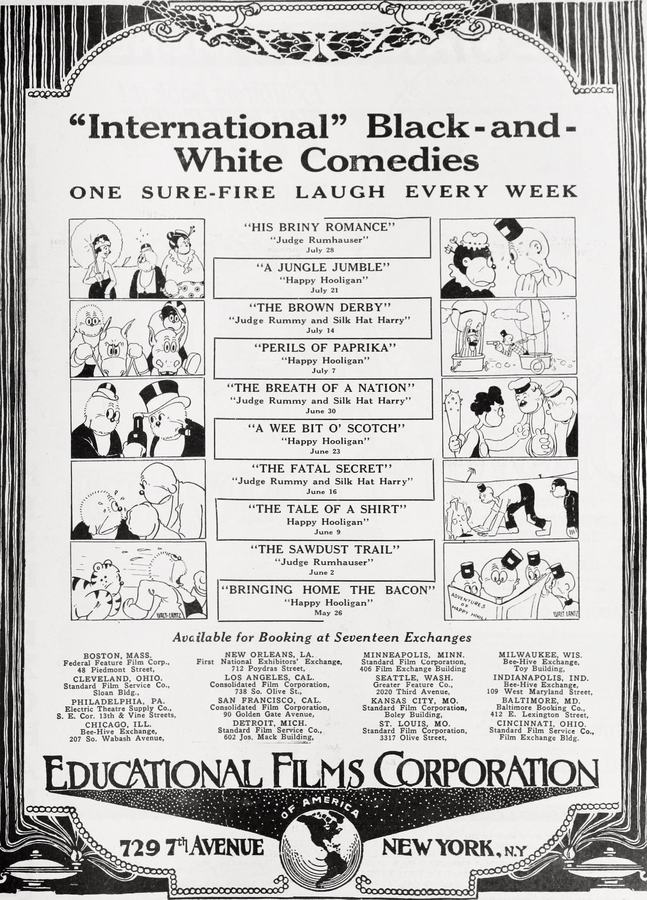
The silent era, often romanticized yet frequently underestimated, produced a myriad of cinematic gems that, upon closer inspection, reveal an astonishing depth of narrative sophistication and emotional resonance. Among these, 'The Fatal Secret' stands as a compelling testament to the period's capacity for intricate storytelling, a melodrama imbued with an almost Gothic sensibility that keeps its audience captivated from the first flickering frame to its dramatic denouement. It's a film that, despite its age and the inherent limitations of the medium at the time, manages to feel remarkably modern in its exploration of themes that remain perennially relevant: the weight of inherited guilt, the corrosive power of greed, and the unwavering pursuit of truth against formidable odds.
Penned by Thomas A. 'Tad' Dorgan, a name more readily associated with the dynamic world of cartooning and sports journalism, the screenplay for 'The Fatal Secret' is surprisingly robust, demonstrating a keen understanding of cinematic pacing and visual narrative. Dorgan, known for his pithy observations and sharp wit, translates a similar directness into the film's unfolding drama, eschewing unnecessary exposition in favor of compelling visual cues and character-driven conflict. This isn't a film that meanders; it propels its audience forward with a relentless, almost breathless urgency, a hallmark that distinguishes it from some of its more languid contemporaries. The plot, as outlined in the summary, is a masterclass in building tension through escalating stakes, an aspect that Dorgan crafts with remarkable precision. The ancestral home, Blackwood Manor, is not merely a setting but a character in itself, its shadowed corridors and hidden passages mirroring the labyrinthine secrets held within its ancient walls.
At the heart of 'The Fatal Secret' is Elara, a protagonist whose vulnerability is matched only by her burgeoning resilience. Her journey from sheltered innocence to a determined investigator of her family's past is portrayed with a nuanced subtlety that belies the often-broad acting styles of the silent era. The actress embodying Elara (whose name, sadly, is lost to time, as is often the case with many unsung talents of early cinema) delivers a performance rich in emotional depth, conveying fear, despair, and ultimately, resolve, through expressive gestures and captivating facial work. This portrayal prevents Elara from becoming a mere damsel in distress; instead, she emerges as an active participant in her own liberation, a trait that aligns her with the burgeoning independent spirit seen in films like The Little Boss, which also championed strong female leads navigating challenging circumstances.
The antagonist, Baron Von Kessel, is a deliciously sinister creation. His suave exterior barely conceals a ruthless ambition, making him a truly formidable opponent for Elara and Captain Thorne. The actor's command of villainy, conveyed through piercing gazes and subtly menacing smiles, is particularly effective. His character embodies the archetypal 'old world' corruption clashing with 'new world' ideals, a thematic undercurrent prevalent in many films of the period. One might draw parallels to the manipulative figures in a film such as Betrayed, where trust is shattered and loyalty tested by insidious forces. The Baron's motivations are clear, his methods ruthless, and his presence casts a long, chilling shadow over the entire narrative.
Captain Thorne, the dashing hero, acts as Elara's steadfast ally, his military background lending him an air of competence and unwavering loyalty. His character arc, though less central than Elara's, is nonetheless compelling, as he grapples with his own family's tarnished reputation while endeavoring to restore justice to Elara's. The dynamic between Elara and Thorne is a slow burn, built on mutual respect and shared peril, rather than instantaneous romance, which adds a layer of realism to their burgeoning connection. Their partnership evokes the spirit of collaborative investigation found in mystery films like Sherlock Ambrose, though here, the stakes are deeply personal rather than purely intellectual.
The cinematography of 'The Fatal Secret' is a quiet triumph, utilizing the available technology to its fullest effect to create a palpable sense of atmosphere and suspense. The use of deep shadows and stark contrasts within Blackwood Manor effectively conveys the ominous secrets lurking within its walls. Close-ups are employed judiciously, highlighting moments of intense emotion or revealing crucial plot details, ensuring that the audience remains intimately connected to the characters' internal struggles. The director (again, an unsung hero of the era) demonstrates a masterful understanding of visual metaphor, allowing the crumbling grandeur of the estate to reflect the decaying honor of Elara's family name. This visual language is reminiscent of the atmospheric tension found in German Expressionist works, and even draws parallels to films like Das Geheimschloss, which also relied heavily on its setting to amplify its mysterious narrative.
The set design, while perhaps not as lavish as some of the blockbuster productions of the time, is meticulously crafted to serve the narrative. The hidden passages, the forgotten crypt, and the elaborate mechanisms that guard 'The Serpent's Eye' are all rendered with convincing detail, enhancing the sense of intrigue and adventure. The film's action sequences, particularly the climactic chase and confrontation within the manor, are staged with a surprising dynamism, showcasing a clear progression in cinematic techniques. The physical comedy and rapid pacing often associated with Dorgan's cartoons seem to find a dramatic echo in these moments, lending a certain kinetic energy to the unfolding drama that prevents it from ever feeling stagnant.
Beyond the surface-level thrills, 'The Fatal Secret' delves into profound thematic territory. The concept of inherited identity and the inescapable shadow of one's lineage is central. Elara is not just fighting for an inheritance; she is fighting for the very honor of her family name, a reputation tarnished by a crime she had no part in. This struggle against predetermined fate and societal judgment resonates deeply, echoing the anxieties of a society grappling with rapid social change. One could argue that the film touches upon themes of class and social mobility, much like Who's Who in Society, albeit through a more dramatic, less satirical lens. The Baron's desire to marry into Elara's family is not solely for financial gain but also for the social legitimacy and ancient lineage her name would confer, highlighting the enduring power of aristocratic titles even in an increasingly meritocratic world.
The film also subtly critiques the patriarchal structures of the time. Elara, despite her intelligence and determination, is initially powerless against the Baron's machinations, relying on Thorne's assistance. However, her agency grows throughout the film, culminating in her active role in uncovering the truth. This progression, while perhaps not as overtly feminist as some later works, marks an important step towards more complex female characters in cinema. The idea of a 'secret' itself serves as a powerful metaphor for the hidden truths and suppressed histories that often underpin societal structures, suggesting that what lies beneath the polished surface can be far more complex and troubling than outward appearances suggest. The parallel to 'pretenders' and concealed identities, as explored in films like The Fair Pretender, is evident in the film's intricate web of deceit and revelation.
'The Fatal Secret' manages to sustain its narrative momentum throughout its runtime, a feat not easily achieved in an era where intertitles carried much of the expository burden. The judicious use of these textual inserts, often written with Dorgan's characteristic flair, complements rather than interrupts the visual flow, providing crucial information without feeling cumbersome. The film's pacing is remarkably tight, ensuring that the audience is constantly engaged in the unfolding mystery. The sense of urgency is palpable, driving the characters towards their inevitable confrontation with destiny and the unearthing of the truth. This narrative propulsion is a testament to Dorgan's understanding of sequential storytelling, a skill honed in his cartooning work, which translates effectively to the cinematic medium.
The film also serves as a fascinating historical document, offering glimpses into the social mores, fashion, and technological advancements of its period. The depiction of the ancestral estate, the modes of transportation, and the societal expectations placed upon its characters all contribute to a rich historical tapestry. Yet, its enduring appeal lies not merely in its historical value but in its universal themes. The struggle for justice, the fight against oppression, and the quest for truth are timeless narratives that continue to resonate with audiences across generations. While it may lack the grandiosity of some epic productions, its focused narrative and compelling character work make it a deeply satisfying cinematic experience.
In conclusion, 'The Fatal Secret' is far more than a simple melodrama; it is a meticulously crafted piece of silent cinema that deserves broader recognition. Its intricate plot, compelling characters, evocative cinematography, and thematic depth combine to create a truly memorable film. It stands as a powerful reminder of the sophisticated artistry prevalent during the silent era, demonstrating that even without spoken dialogue, a story can be told with immense power and emotional impact. It invites viewers to immerse themselves in a world of intrigue and passion, proving that some secrets, once unearthed, can illuminate the profound complexities of the human spirit. The film's ability to balance suspense with character development, and its seamless integration of Dorgan's narrative vision, cements its place as a significant contribution to early film history, a 'fatal secret' worth rediscovering.
IMDb 7.9
1931
Community
Log in to comment.