DbcultAccessing Vault...
Cult Review
Senior Film Conservator
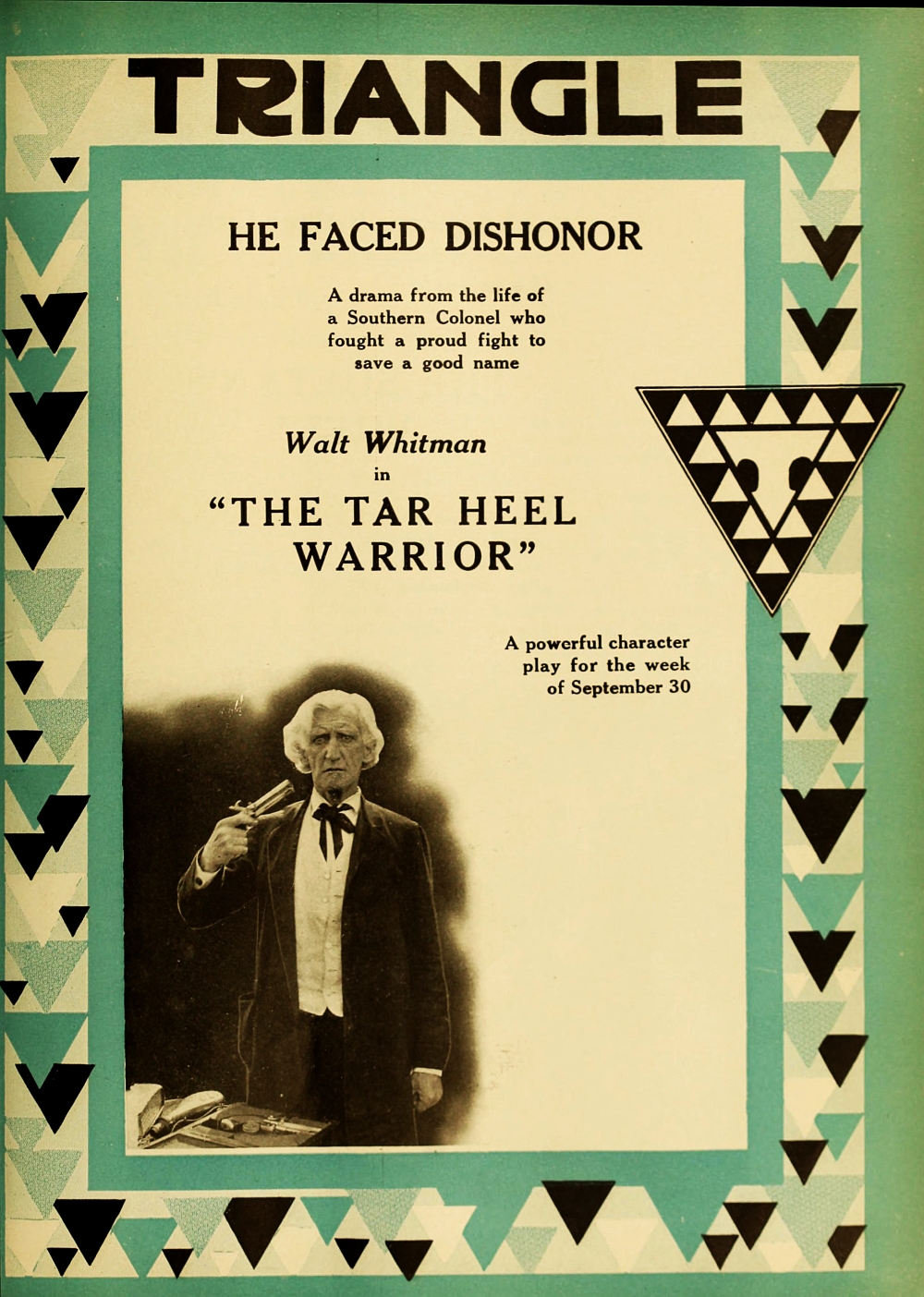
Stepping back into the cinematic annals of 1917, one encounters The Tar Heel Warrior, a film that, despite its vintage, pulsates with a timeless human drama. It’s a narrative steeped in the clash of old-world honor against the unforgiving tides of modern finance, a poignant study of desperation, moral compromise, and the serendipitous hand of fate. Directed with a keen eye for emotional resonance and penned by J.G. Hawks, this silent picture offers a compelling glimpse into the soul-crushing weight of legacy and the lengths to which a man might go to preserve his family's standing. It’s more than just a plot; it’s an emotional landscape painted with broad strokes of despair and the delicate hues of hope.
At the heart of this compelling tale is Colonel Dabney Mills, portrayed with an arresting gravitas by the remarkable Tom Guise. Guise imbues the Colonel with a palpable sense of dignity, even as his world crumbles around him. Colonel Mills is not merely a character; he is an archetype, a representation of the Old South grappling with an inexorable shift in economic power. His plantation, once a symbol of prosperity and aristocratic heritage, now groans under the burden of a heavy mortgage, threatening to dissolve generations of tradition into dust. This impending ruin propels him northward, a journey from the sun-drenched, decaying grandeur of his Southern home to the steel-and-concrete canyons of New York City, a world governed by algorithms and ruthless ambition rather than lineage and land. His mission: to secure a lifeline from James Adams, his granddaughter Anna Belle’s husband, a man whose success embodies the very forces threatening to engulf the Colonel’s world.
The irony is thick, almost Shakespearean. Mills arrives in New York only to find Adams’s considerable fortune temporarily inaccessible, tied up in a colossal stock market venture. This initial setback is a cruel twist, a momentary deferral of hope that only intensifies the Colonel’s internal turmoil. The silence of the film allows Guise’s expressions and body language to carry the full weight of this despair, a silent scream against the injustice of circumstance. It’s a masterful performance, conveying both the inherent pride of a Southern gentleman and the gnawing anxiety of a man facing personal and familial annihilation. In a world where honor was paramount, the prospect of losing his land was not just financial ruin, but a death of identity.
The narrative takes a darker turn when one of Adams’s business partners, unaware of the Colonel’s predicament, entrusts him with a substantial sum—$5,000—to hold for Adams. This is where the film truly plunges into the moral quagmire. The money, a beacon of immediate relief, becomes an irresistible temptation. Desperate, with the specter of foreclosure looming large, Colonel Mills encounters an old acquaintance who offers an 'infallible' tip on the cotton market. This moment is the fulcrum of the entire drama, a desperate man grasping at a straw, rationalizing a breach of trust as a temporary measure, a means to a greater end: the salvation of his family's legacy.
The ensuing speculation is, predictably, a disaster. The $5,000 vanishes, leaving the Colonel not only financially ruined but morally bankrupt. The film expertly portrays the crushing realization of his folly, the shame and guilt that wash over him. This profound desperation driving Colonel Mills in The Tar Heel Warrior echoes the existential dread found in films like Angoisse, where characters are pushed to their psychological limits by overwhelming circumstances, often leading to ethically dubious choices. The screenplay, crafted by J.G. Hawks, is particularly adept at building this internal tension, making the audience feel the Colonel's agonizing choices and the subsequent fallout.
While Tom Guise's portrayal of Colonel Mills is undoubtedly the anchor, the supporting cast provides crucial texture to the narrative. Clara Knight, as Anna Belle, the Colonel's granddaughter and Adams's wife, embodies the concern and quiet strength of a woman caught between her beloved grandfather and her ambitious husband. Her expressions, though subtle, convey a deep understanding of the family's precarious situation. Dorcas Matthews, Walt Whitman, James McLaughlin, William Shaw, Ann Forrest, Wilbur Higby, George West, and J.P. Lockney, though perhaps in less prominent roles, contribute to the film's immersive atmosphere. They populate the world of the film, from the bustling New York financial district to the quiet desperation of the Southern plantation, each performance adding a layer of authenticity to the unfolding tragedy and eventual triumph. The ensemble’s ability to communicate complex emotions without spoken dialogue is a testament to the artistry of silent cinema.
The Tar Heel Warrior is a rich tapestry of interwoven themes. At its core is the conflict between Southern honor and the relentless march of industrial progress and speculative finance. Colonel Mills represents a dying breed, his values rooted in land, lineage, and a gentleman’s word. New York, and Adams’s world, signifies a new era where wealth is fluid, abstract, and often built on calculated risks. This thematic contrast is sharply drawn, making Mills’s predicament all the more acute. The film doesn't shy away from the moral ambiguities of its protagonist's actions, presenting his desperation as a understandable, if regrettable, human failing.
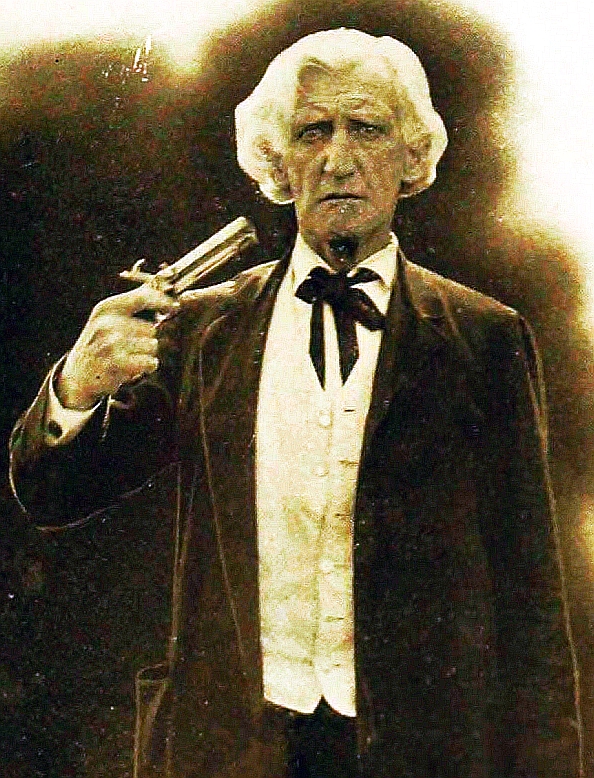
The film also delves into the psychology of despair. Mills’s decision to return to his plantation, resolved to take his own life, is a stark portrayal of a man who believes he has lost everything – his honor, his family’s future, and his very self-worth. This descent into suicidal ideation is handled with a gravity that resonates even today. The concept of a character facing such profound personal and financial ruin can be seen in other cinematic works exploring the human cost of economic upheaval, such as The Conflict, which similarly dissects the pressures that drive individuals to their breaking points. The writing of J.G. Hawks crafts a narrative arc that, while melodramatic by modern standards, effectively conveys the emotional stakes involved.
The climax of The Tar Heel Warrior is a classic example of a deus ex machina, yet it feels earned within the dramatic framework of the era. James Adams, successful in his colossal stock deal, arrives at the plantation just in the nick of time, preventing the Colonel’s tragic suicide. This sudden turn of events, while perhaps convenient, serves a crucial narrative function: it underscores the theme of redemption and the unexpected grace that can pull one back from the brink. It’s a moment of profound relief, a testament to the enduring power of family and the idea that even in the darkest hour, salvation can emerge from unforeseen quarters. This kind of providential rescue, where external forces intervene to alter a character's fate, is a recurring motif in early cinema, often found in moral tales like Father John; or, The Ragpicker of Paris, where virtue or good fortune ultimately prevail against overwhelming odds.
The film, through this resolution, offers a comforting message: that even after profound missteps, there can be a path to forgiveness and a second chance. It’s a powerful emotional payoff after the intense build-up of the Colonel’s despair. The contrasting fortunes of the Colonel and Adams also highlight the capricious nature of wealth and the stock market, where one man's ruin can be another's triumph, yet family bonds ultimately transcend these material fluctuations.
As a silent film from 1917, The Tar Heel Warrior relies heavily on visual storytelling, expressive acting, and intertitles to convey its narrative. The pacing is deliberate, allowing moments of emotional intensity to fully register. The visual contrast between the decaying elegance of the Southern plantation and the frantic energy of New York is effectively utilized to underscore the film's central conflict. While not groundbreaking in its cinematic techniques compared to some of its contemporaries, it’s a competent and emotionally engaging piece of filmmaking that demonstrates the power of well-structured narrative and strong performances. The film's ability to elicit such strong emotions without a single spoken word is a testament to the skill of the actors and the clarity of J.G. Hawks's vision.
The depiction of financial desperation and the moral tightrope walked by Colonel Mills is particularly compelling. It’s a universal theme, one that resonates across generations, making the film more than just a historical curiosity. The pressure felt by Mills to uphold his family's honor and economic standing is a powerful motivator, similar to the intense societal and financial pressures seen in films like The Natural Law, where characters grapple with difficult choices under the weight of external expectations.
In conclusion, The Tar Heel Warrior is a captivating silent drama that, despite its age, offers a powerful and deeply human story. It’s a testament to the enduring themes of honor, desperation, moral choice, and the redemptive power of family. Tom Guise’s portrayal of Colonel Dabney Mills is a standout, carrying the emotional weight of the narrative with remarkable skill. The film serves as a valuable historical document, showcasing the cinematic sensibilities of its time while delivering a narrative that continues to resonate. It reminds us that the struggles of maintaining legacy, navigating financial peril, and seeking redemption are timeless human experiences. For those interested in the evolution of dramatic storytelling and the nuanced performances of the silent era, The Tar Heel Warrior is a compelling watch, a silent symphony of despair averted and hope rekindled.
IMDb 6.2
1931
Community
Log in to comment.