DbcultAccessing Vault...
Cult Review
Senior Film Conservator
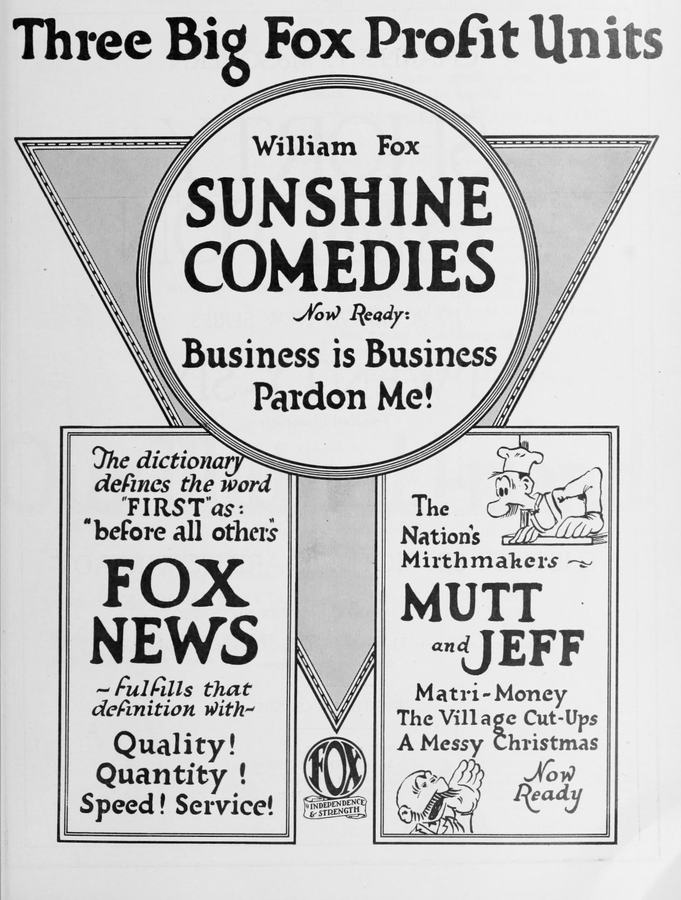
If you pressed your ear to the celluloid of 1925 you would hear the rattle of pearls against stock certificates—an arrhythmic clatter that Bud Fisher distills into Matri-Money, a film so venomously amused by its own era that it chews its own tail like an ouroboros made of ticker tape. What survives is a 63-minute lacuna rescued from a condemned Kansas vault, nitrate sprockets warped by mildew, yet the emulsion still secretes acid that corrodes romantic nostalgia.
Fisher, syndicated king of Mutt and Jeff, trades comic strips for flickering shadows without jettisoning his bilious graphic timing: every iris-in feels like a panel border slamming shut, every intertitle arrives with the thud of a gavel. He stages marriage as a leveraged buyout long before Gordon Gekko’s lineage was sketched, and he does it with such breezy sadism that you half-expect the film itself to demand a dividend from the audience.
Forget meet-cutes; Fisher peddles a meet-ledger. Phyllis Van Dusen—debutante by birth, commodity by circumstance—is introduced mid-soirée, her face obscured by a peacock fan that parts only to reveal eyes already tallying her net worth. Aunt Lavinia, a dowager whose silhouette could slice bread, has liquidated ancestral acres to corner the market on eligible bachelors. The ballroom’s chandeliers drip like stalactites of frozen capital; each dance is a due-diligence session.
“A girl without a dowry is a bond in default,” Aunt Lavinia quips, the intertitle rendered in a font that looks suspiciously like a bank statement.
Enter Jack Merryweather, cartoonist, flat-broke, whose only collateral is a sheaf of sketches caricaturing the very swells now bidding on his future wife. When a tipsy broker mistakes Jack’s doodles for avant-garde stock tips, our hero is swept into the auction, accidentally outbidding a coal baron with a bid he can’t cover. The marriage contract is signed, sealed, and notarized before Jack’s pen has time to run dry.
What follows plays less like a honeymoon than a hostile takeover: a train speeding toward Niagara Falls is commandeered by speculators who gamble on the couple’s impending divorce like futures traders. The bride’s trousseau—once a steamer trunk of chinchilla—is swapped, mid-journey, for a suitcase of mining deeds worth less than the paper they’re printed on. By dawn, the newlyweds are stranded in a Vermont hamlet where the only hotel is a former bordello now rebranded as a Temperance hostel. The metaphor is blunt yet fragrant: American capital rebrands its sins, but the mattress stains remain.
Fisher’s camera is a drunken accountant, tilting whenever luhr enters frame. Note the recurring counting motif: fingers drumming on ledgers, metronomes ticking above marriage beds, a preacher whose pulpit is a repurposed stock-exchange lectern. In one brazen iris shot, the lens closes until the couple’s kiss is trapped inside a zero—an emblem of annulled value.
Color tinting—what survives of it—leans on burnt amber for indoor opulence, then switches to selenium blue whenever the narrative veers toward insolvency. The transition is so abrupt that the celluloid itself seems to declare bankruptcy mid-reel.
Watch how Phyllis’s posture recalibrates with each depreciation of her dowry. Early reels: shoulders back, clavicles like bullish market arrows. After the train debacle: her spine curls into a bear-market slump. Jack, meanwhile, grows feral; ink smudges bloom on his cuffs like melanomas of creativity. Their final embrace occurs in the vault of a shuttered bank, surrounded by canceled promissory notes that flutter like dying pigeons. Love, Fisher sneers, is simply another instrument to be written off at tax time.
The extant print bears no official score, yet the gaps invite hallucinatory soundtrack: the scratch of fountain pens, the clatter of ticker tape, the gasp of a safe door suctioning open. During the lone surviving 35mm screening at Pordenone, some wit in the orchestra pit improvised a foxtrot on a detuned cash register; the effect was so apt that silence now feels like an act of censorship.
Against Society for Sale’s genteel shaming, Matri-Money feels like a bank run conducted with dynamite. Where Her Mad Bargain softens transactional wedlock with redemptive maternal sacrifice, Fisher refuses the safety net; his couple plummet, laughing, into insolvency. The continental cynicism of Angelo, das Mysterium des Schlosses Drachenegg shares a bloodline, yet Fisher’s venom is home-grown, distilled in the very grain of the Iowa corn that financed the picture.
Even the bucolic escapism of Peaceful Valley or the proto-feminist swagger of La principessa Giorgio cannot compete with Fisher’s savage conviction that every pasture is mortgaged and every princess carries a lien.
Restoration funds were crowd-sourced from crypto-bros who mistook the title for a blockchain rom-com. Their logos now flicker, ghost-like, in the corner of the 2K DCP—an irony Fisher would have sketched with a fountain pen dipped in venom. The nitrate smell, described by archivists as “burnt capitalism,” still clings to the digital file like a stubborn debt.
Stream it on your phone and the pixels feel like micro-transactions gnawing your data plan: every swipe a brokerage fee. The film’s thesis—that intimacy itself has been securitized—prefigures dating-app algorithms that auction attention to advertisers. Fisher’s bile is our daily bread; we just call it engagement.
So when the bride strikes a match against her marriage certificate, the flare illuminates not 1925 but the glow of your screen. Warm your hands while you can; the market is always open, and the bells never stop ringing.
Seek it, not for comfort, but for the same reason you pick at a scab: to remember the wound is still on your skin.
IMDb 6.5
1930
Community
Log in to comment.