DbcultAccessing Vault...
5.5/10
Senior Film Conservator
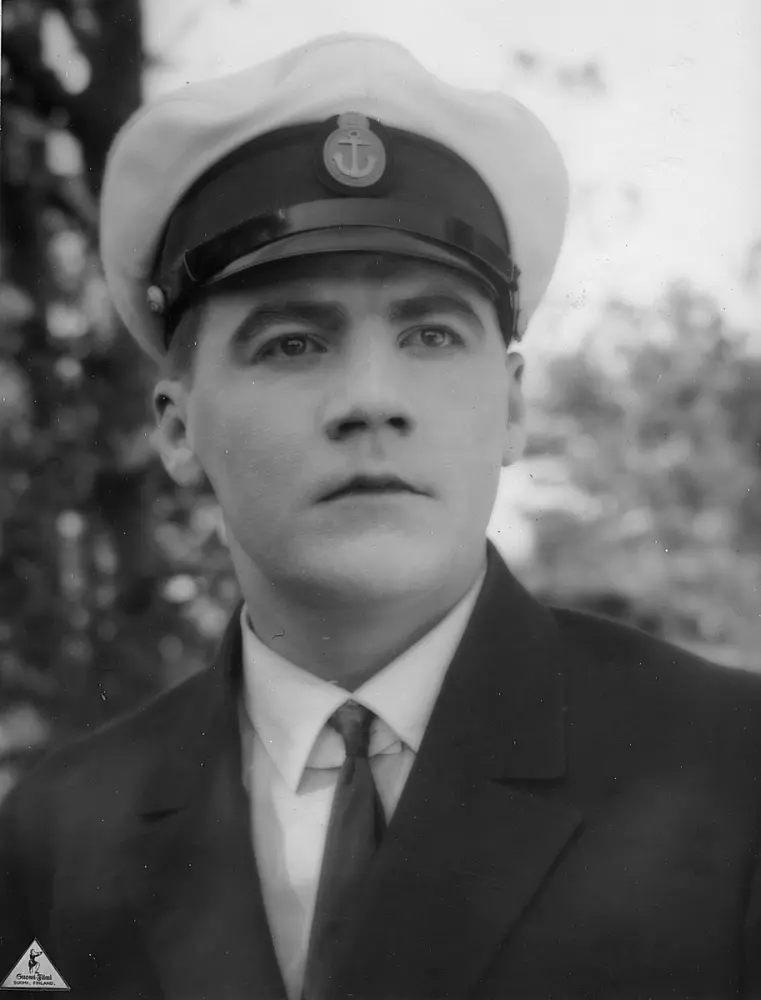
A definitive 5.5/10 rating for a film that redefined the boundaries of cult cinema. Nuori luotsi remains a cornerstone of transgressive art.
Is Nuori luotsi, Erkki Karu and Yrjö Veijola’s 1927 Finnish silent drama, worth watching today? Short answer: yes, but with significant caveats that demand a certain appreciation for the era and genre. This film is a fascinating historical artifact, offering a window into early Nordic filmmaking and the thematic concerns of its time, though it requires patience from a modern audience.
This film is absolutely for cinephiles interested in the silent era, students of Finnish cinema, or anyone who appreciates a character-driven drama set against a beautiful, stark natural landscape. It is decidedly NOT for viewers seeking fast-paced plots, complex dialogue (for obvious reasons), or contemporary narrative conventions. If you struggle with the visual language and deliberate pacing of 1920s cinema, Nuori luotsi will likely test your endurance.
Here’s a quick breakdown:
Nuori luotsi, or 'The Young Pilot,' is a quintessential silent era drama, built upon universal themes of duty, love, and the struggle against nature. Erkki Karu and Yrjö Veijola, the writers, craft a narrative that, while perhaps familiar in its beats, resonates deeply through its setting and the earnest performances of its cast. The story of Akseli, the aspiring pilot, is one of aspiration and validation, a common thread in human experience that transcends the decades.
The film’s plot, centered on Akseli’s journey to prove his mettle and win the affections of Elina, feels both timeless and deeply rooted in its specific cultural context. The sea is not merely a backdrop; it is a character, a formidable force that shapes destinies. This deterministic relationship between man and environment is a hallmark of Nordic storytelling, and Nuori luotsi embraces it fully. The brewing storm, for instance, isn't just a plot device; it's a symbolic manifestation of the internal and external conflicts Akseli faces.
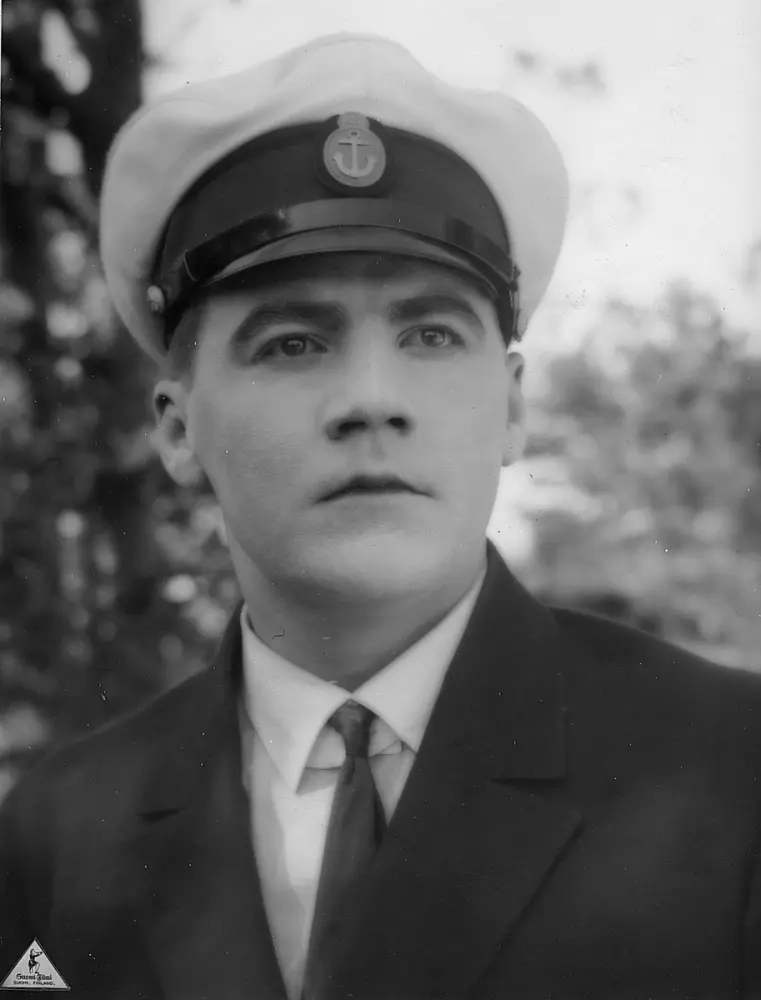
The love triangle, or perhaps more accurately, the rivalry, between Akseli and Kalle adds a layer of human frailty to the epic sweep of the natural world. Kalle's jealousy and recklessness serve as a foil to Akseli's steadfastness, highlighting the virtues the film implicitly champions: diligence, courage, and a deep respect for the unforgiving elements. It’s a classic tale of good versus a more morally ambiguous 'other,' simplified for the silent screen but effective nonetheless.
Erkki Karu, as director, demonstrates a clear understanding of visual narrative, a necessity in an age devoid of synchronized sound. His direction, while not always subtle, effectively communicates the emotional states and narrative developments. There’s a certain grandiosity to the wide shots of the Finnish coastline, juxtaposed with the intimate close-ups of the actors’ expressive faces. Karu understands that in silent film, the camera must speak volumes.
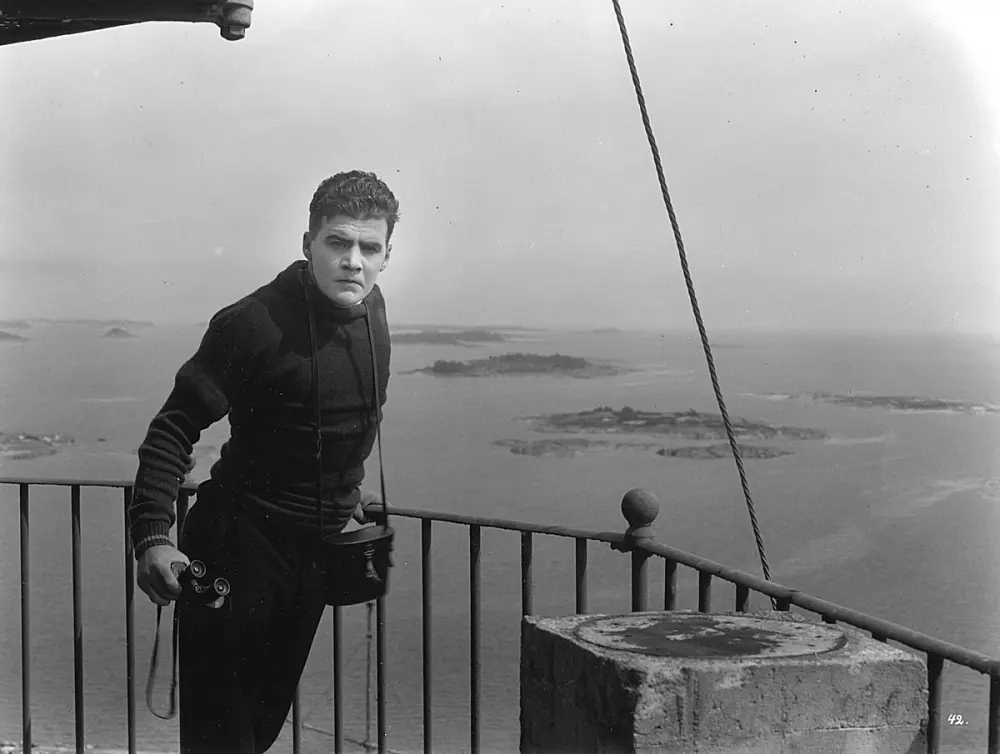
The cinematography is arguably the film’s strongest suit. The stark, breathtaking landscapes of Finland – the icy waters, the rugged shorelines, the vast, brooding skies – are captured with a raw beauty that is genuinely captivating. There’s a particular sequence involving a ship battling enormous waves during the storm that, even by today’s standards, is impressive in its scale and execution. It evokes a sense of both awe and dread, perfectly mirroring the characters’ perilous situation. This visual ambition sets it apart from more stage-bound silent films like The Vamp and gives it a scope that feels grander than its intimate character drama might suggest.
However, Karu's pacing can be a significant hurdle. There are moments of drawn-out sequences, particularly in the film's first act, that test the patience. While silent films generally operate at a different tempo, Nuori luotsi occasionally lingers on scenes beyond their narrative necessity. This isn't always a flaw – sometimes it builds atmosphere – but at other times, it simply feels protracted. It's a directorial choice that prioritizes mood and setting over brisk plot advancement, a double-edged sword for its contemporary reception.
The ensemble cast of Nuori luotsi delivers performances that are characteristic of the silent era, relying heavily on exaggerated gestures and facial expressions to convey emotion. Yet, within this style, certain actors manage to carve out genuinely compelling portrayals. Paavo Kostioja, as Akseli, is the undeniable heart of the film. His earnest gaze and determined posture effectively communicate the young pilot’s internal struggles and burgeoning confidence. He avoids the pitfalls of melodramatic overacting, opting instead for a quiet intensity that feels remarkably modern in its restraint.
Lillan Järnefelt, as Elina, brings a subtle charm and resilience to her role. Her expressions convey a depth of feeling that transcends simple damsel-in-distress tropes. There's a particular scene where she watches Akseli depart into the storm, her face a complex mixture of fear and pride, that speaks volumes without a single intertitle. This nuanced performance stands out, especially when compared to some of the broader acting styles seen in films like The Temptress, which often leaned into more overt theatricality.
Juha Ruokokoski’s Kalle, while a more archetypal 'rival,' is played with a convincing blend of arrogance and underlying insecurity. His sneering glances and dismissive gestures effectively establish him as a credible antagonist, making Akseli’s eventual triumph all the more satisfying. Sven Hildén, as the grizzled veteran Matti, provides a grounding presence, his weathered face telling tales of countless battles with the sea. The supporting cast, including Joel Rinne in an early role, fills out the village tableau convincingly, adding to the film’s sense of community and authenticity.
The pacing of Nuori luotsi is undoubtedly its most challenging aspect for a modern viewer. It is a slow burn, meticulously building atmosphere and character relationships before escalating to its dramatic climax. The first two acts are deliberately unhurried, focusing on the daily lives of the villagers and the burgeoning romance between Akseli and Elina. This meditative pace allows the audience to immerse themselves in the film's world, but it can also feel sluggish if one isn't prepared for it.
However, when the storm finally hits, the film shifts gears dramatically. The final act is a masterclass in silent film suspense, with intense sequences of ships battling the elements and Akseli’s heroic efforts. The contrast between the tranquil early scenes and the frenetic climax is stark and effective, demonstrating Karu’s ability to manipulate tempo for dramatic impact. It works. But it’s flawed. The tonal consistency could be argued as uneven, swinging from pastoral romance to high-stakes disaster film, but it also reflects the unpredictable nature of life by the sea.
"The sheer visual spectacle of the storm sequence alone makes Nuori luotsi a worthwhile watch for silent film enthusiasts, even if the journey there demands patience."
Nuori luotsi is a film that demands patience and an open mind, but rewards those willing to engage with its unique charms. It's not a forgotten masterpiece in the vein of a Murnau or a Griffith, nor does it possess the raw innovation of a Vertov like Kino-pravda no. 21. Instead, it stands as a solid, earnest example of early Finnish cinema, rich in atmosphere and visual splendor, even if its narrative rhythm occasionally falters. Its strength lies in its ability to transport the viewer to a specific time and place, to feel the chill of the Nordic wind and the weight of human endeavor against insurmountable odds.
For film historians and silent film enthusiasts, Nuori luotsi is an essential watch, offering valuable insights into a lesser-explored corner of cinematic history. For the casual viewer, it might be a tougher sell, requiring a genuine appreciation for the medium’s early forms. But if you're prepared to slow down, to appreciate the visual storytelling and the earnest performances, you'll find a quietly powerful film that resonates with themes that remain relevant today. It's a testament to the enduring appeal of human stories, told with conviction, even without a single spoken word.

IMDb 5.4
1924
Community
Log in to comment.