DbcultAccessing Vault...
Cult Review
Senior Film Conservator
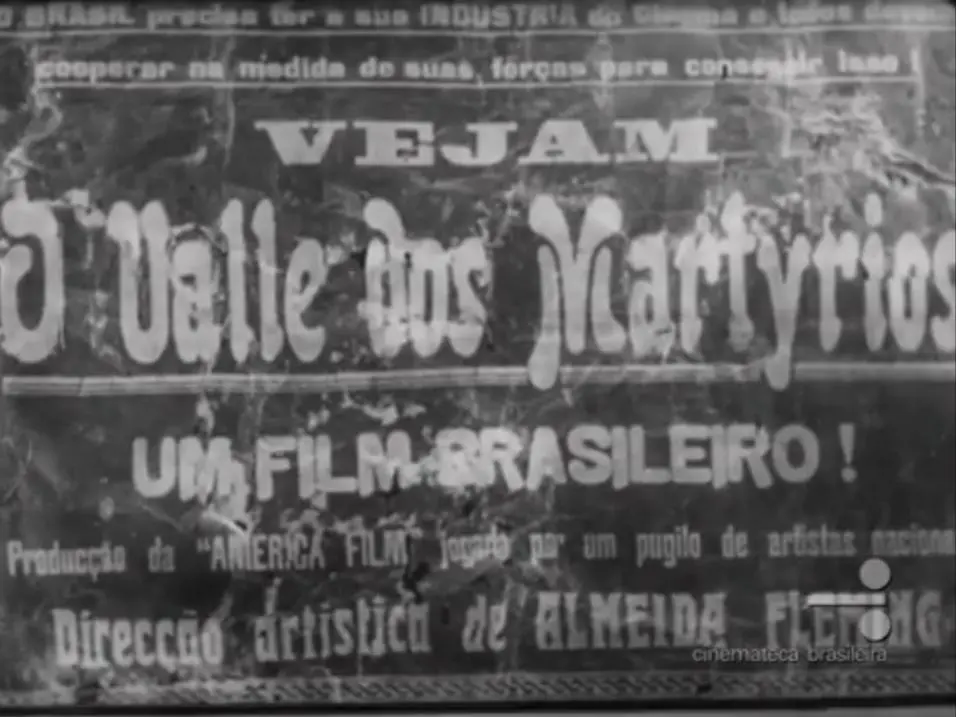
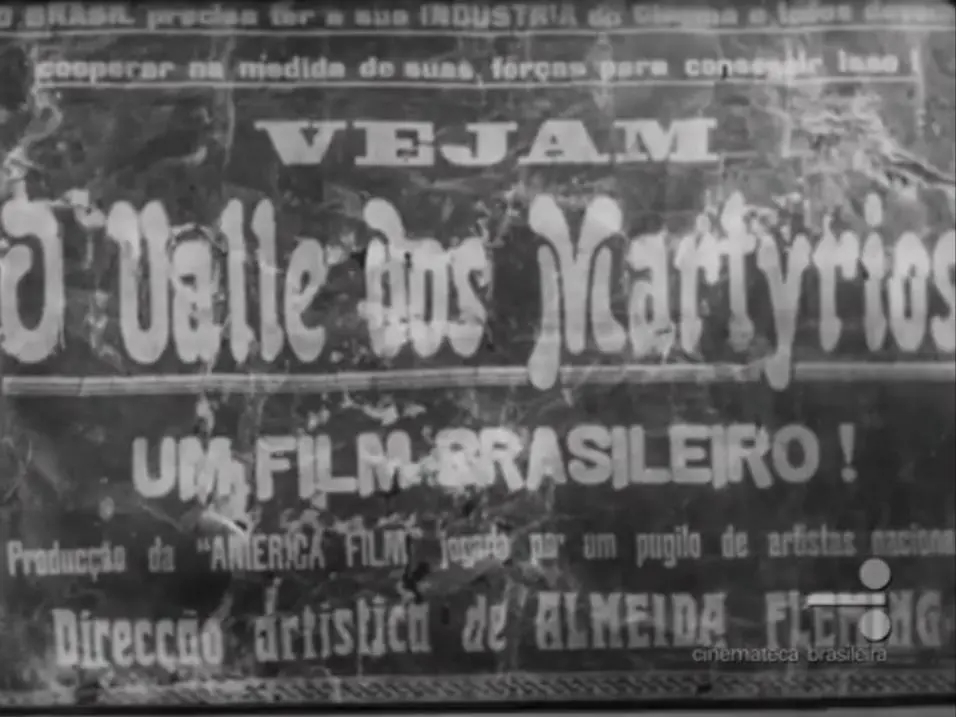
Is O Vale dos Martírios a forgotten relic or a hidden gem of early Latin American cinema? Short answer: Yes, but only if you have a high tolerance for the unhurried, heavy-handed melodrama typical of the mid-1920s. This film is for cinematic historians and those who appreciate the raw, experimental energy of silent-era storytelling; it is not for viewers who require rapid pacing or modern narrative logic.
Before we dive into the technicalities, let's establish the ground rules for this viewing experience. This film is a specific flavor of vintage drama that requires a certain mindset to enjoy.
For the casual viewer, the answer is likely no. The pacing is deliberate, bordering on glacial, and the emotional beats are telegraphed with the subtlety of a sledgehammer. However, for the student of film, it is an essential piece of the puzzle. It represents a moment when Brazilian filmmakers were trying to find a voice that wasn't just a mimicry of Hollywood.
The film asks a fundamental question: can we ever truly go back to the innocence of childhood once the world has intervened? The 'boarding school' trope acts as a metaphor for the loss of purity. When the boy returns, he is no longer the playmate; he is a stranger with a man's desires. This tension is where the film finds its pulse.
Francisco de Almeida Fleming was a man with a vision that often exceeded his resources. In O Vale dos Martírios, he utilizes the natural light of the Brazilian countryside to create a sense of place that is both beautiful and oppressive. Unlike the stylized sets found in The Devil's Circus, Fleming relies on the authenticity of the landscape.
The framing is often static, which was common for the era, but Fleming finds ways to inject dynamism through the actors' positioning. There is a specific scene where the grown daughter awaits the arrival of her 'brother' at the gate. The way the camera lingers on her hands, twisting a handkerchief, tells us more about her anxiety than any title card could. It’s simple. It’s effective. But it’s sparse.
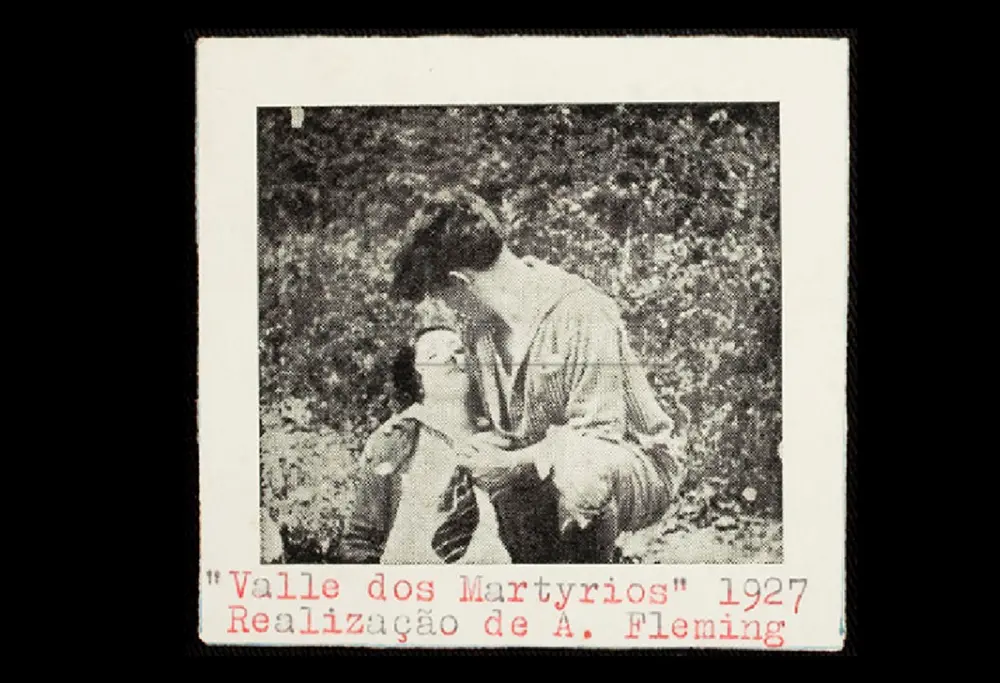
Juracy Sandall and Octávio de Paiva carry the weight of the film’s emotional core. Sandall, in particular, has an expressive face that avoids the over-the-top gesticulation often associated with silent stars. She manages to convey a sense of longing that feels grounded. When she looks at de Paiva upon his return, there is a flicker of recognition followed by a visible wall of social propriety coming up.
De Paiva has a harder job. He has to play the 'educated' man returning to his roots. His performance is somewhat stiffer, perhaps intentionally, to show the distance the boarding school has put between him and his past. This stiffness creates a believable barrier between the two leads, making their eventual emotional breakthrough feel earned, even if the script is predictable.
The cinematography by Fleming himself (who often wore many hats) is functional but occasionally inspired. The use of depth of field in the outdoor scenes allows the viewer to see the vastness of the farm, emphasizing the isolation of the characters. This isolation is a key theme; they are trapped in their social roles as much as they are trapped by the geography.
The pacing is where the film will lose most modern audiences. The first act, focusing on childhood, feels like a series of vignettes that could have been condensed. While it establishes the bond, it takes far too long to get to the 'meat' of the story. Compared to the tight narrative of When Fate Decides, O Vale dos Martírios feels like it’s wandering through the woods without a compass.
The tone is one of sustained melancholy. Even in the 'happy' childhood scenes, there is an undercurrent of doom, likely fueled by the knowledge that this paradise is temporary. The title itself, 'The Valley of Martyrdoms,' suggests that suffering is the inevitable destination of these characters.
This atmosphere is bolstered by the score (if you are watching a restored version with music). Without sound, the visual cues of shadow and light do the heavy lifting. The interiors are often dark, contrasting with the blinding brightness of the fields, symbolizing the internal conflict of the protagonists versus their external duties.
Pros:
- Authentic 1920s Brazilian locations.
- Strong lead performance by Juracy Sandall.
- Deeply felt emotional stakes.
Cons:
- Glacial pacing in the opening thirty minutes.
- Predictable plot beats.
- Limited technical innovation compared to contemporary European films like The Violinist of Florence.
O Vale dos Martírios is a 1926 Brazilian silent film directed by Francisco de Almeida Fleming. It tells the story of an adopted boy and his sister who fall in love as adults after years of separation. The film explores themes of family, social class, and the transition from childhood innocence to adult desire. It is considered a significant example of early regional filmmaking in Brazil.
Most critics look at this film as a simple romance. I disagree. I think it’s a horror movie in disguise. The 'martyrdom' isn't just about the love they can't have; it's about the father's absolute control over their lives. He 'creates' a brother for his daughter, then 'remakes' that boy into a gentleman, and finally stands back as their lives crumble under the weight of his decisions. The father is the true antagonist, a silent architect of misery.
Furthermore, the film subtly critiques the education system of the time. The boy goes to school and comes back 'ruined' for the simple life of the farm. It suggests that knowledge is a wedge that drives people apart rather than bringing them together. It’s a cynical observation for a 1926 melodrama.
O Vale dos Martírios is a flawed but fascinating artifact. It doesn't have the technical polish of Revenge, but it has a heart that is uniquely its own. It is a film that demands patience. If you give it that patience, you will find a story that, while dated, still resonates with the universal pain of longing. It works. But it’s flawed. Watch it for the history, stay for the quiet tragedy of its final moments.
"A stark reminder that in the silent era, the loudest emotions were often found in the spaces between the words."
IMDb 5.8
1913
Community
Log in to comment.