DbcultAccessing Vault...
6.3/10
Senior Film Conservator
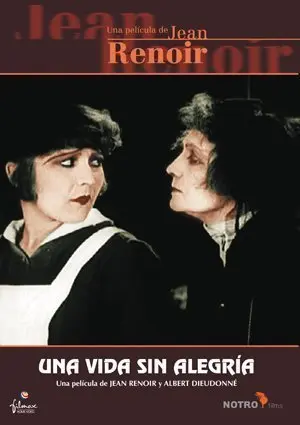
A definitive 6.3/10 rating for a film that redefined the boundaries of cult cinema. Une vie sans joie remains a cornerstone of transgressive art.
Is Une vie sans joie a foundational classic you need to see to understand cinema? Short answer: No, unless you are a dedicated student of the silent era or a Renoir completist. This film is a fascinating, if occasionally clumsy, artifact that shows a master director still learning how to hold a brush.
This film is for the cinephile who finds beauty in the rough edges of film history and those interested in the evolution of French realism. It is absolutely not for anyone who lacks the patience for the exaggerated pantomime and slow-burn pacing of the 1920s silent period.
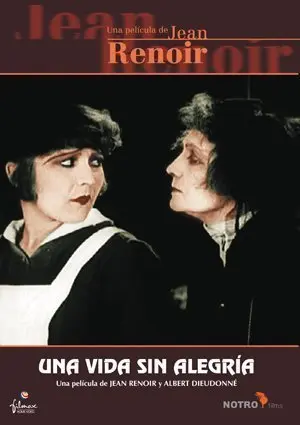
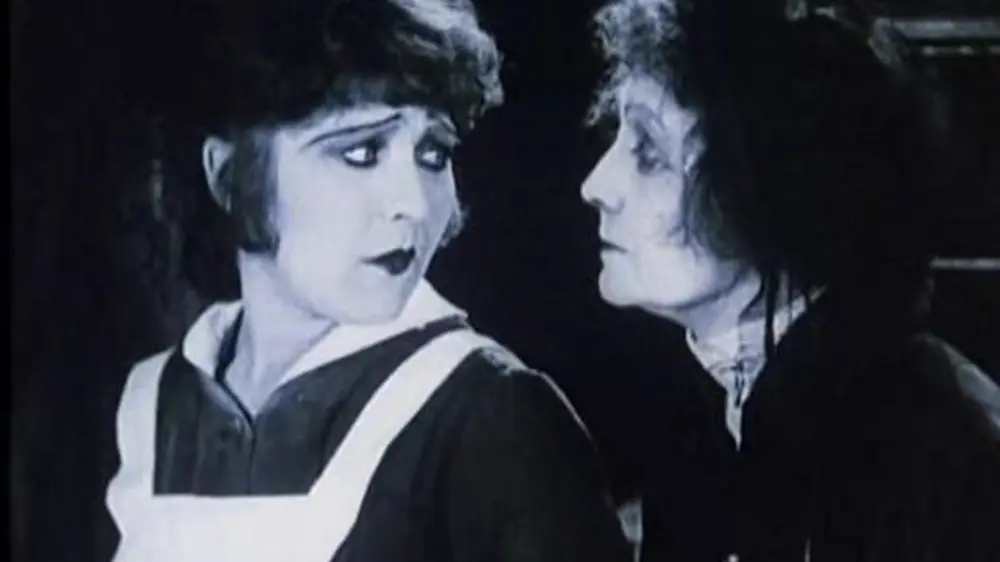
This film works because Catherine Hessling’s bizarre, doll-like physicality creates a haunting, almost surreal focal point that elevates the melodrama into something more experimental.
This film fails because the narrative structure is episodic and lacks the fluid rhythm Renoir would later perfect, making some sequences feel like disconnected sketches.
You should watch it if you want to witness the exact moment Jean Renoir transitioned from ceramics to cinema, using his first wife as the ultimate canvas for his visual ambitions.
To watch Une vie sans joie today is to watch a genius in a state of frantic gestation. Jean Renoir, who would eventually give us the poetic perfection of The Rules of the Game, started here with a project that was essentially a vanity vehicle for Catherine Hessling. Hessling, Renoir’s first wife and his father Auguste Renoir’s final model, is the film's beating, albeit strange, heart. Her performance is a jarring mixture of hyper-stylized movement and raw vulnerability. It is a choice that feels radically out of place compared to the more grounded work seen in contemporary films like The Law of the North, yet it is exactly what makes the film memorable.
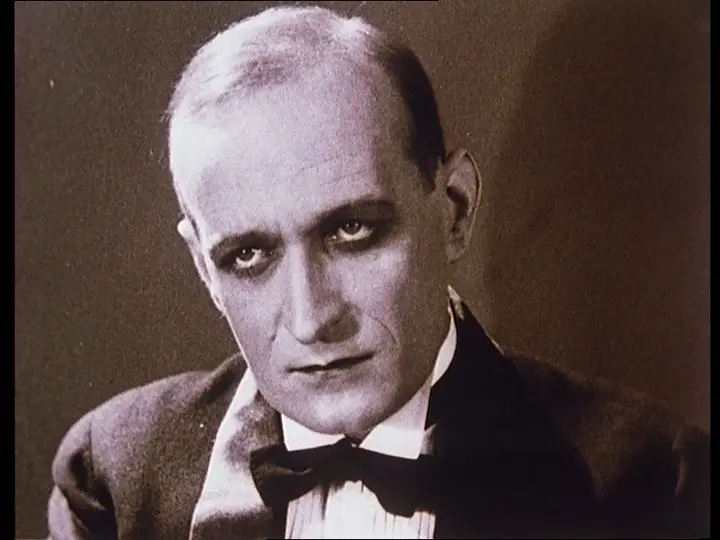
The plot itself is a standard-issue melodrama of the era. The orphan Catherine is thrust into a world of bourgeois rot. The sub-prefect, played with a sickly desperation by Louis Gauthier, is a man whose kindness toward Catherine is perpetually shadowed by his own weakness. The conflict isn't just about Catherine’s poverty; it’s about the way the middle class views the poor as either a project to be managed or a temptation to be crushed. When the townspeople begin to whisper about Catherine’s presence in the sub-prefect’s house, the film shifts from a character study into a scathing critique of provincial cruelty.
Visually, the film is a fascinating mess. There are moments where Renoir and his co-director Albert Dieudonné capture the naturalism that would become the hallmark of French cinema. The outdoor scenes have a luminosity that reminds one of Auguste Renoir’s paintings. However, the indoor sequences are often cramped and awkwardly blocked. The lighting is frequently harsh, emphasizing the heavy makeup on the actors' faces—a common trait of the era but particularly distracting here. It lacks the sweeping, epic visual scale found in Abel Gance's J'accuse!, opting instead for a claustrophobic intimacy that mirrors Catherine's social entrapment.
One specific scene stands out: Catherine standing alone in a hallway, the shadows of the staircase cutting across her face like the bars of a cage. It’s a simple, almost cliché image, but Renoir lingers on it just long enough to make the audience feel the weight of her isolation. It is in these moments—the quiet, still observations—that we see the director he would become. The 'joyless' nature of the title isn't just a thematic hook; it is baked into the very grain of the film. There is no relief here, no sudden windfall or romantic rescue that feels earned.
If you are looking for a casual weekend watch, the answer is a firm no. Une vie sans joie is difficult. It is slow. It is occasionally melodramatic to the point of absurdity. However, if you are interested in the history of the medium, it is essential. It represents the bridge between the 19th-century artistic sensibilities of the Renoir family and the 20th-century revolution of the French New Wave. You can see the seeds of the 'Renoir touch'—that humanist perspective that refuses to judge its characters too harshly—even in this early, jagged work.
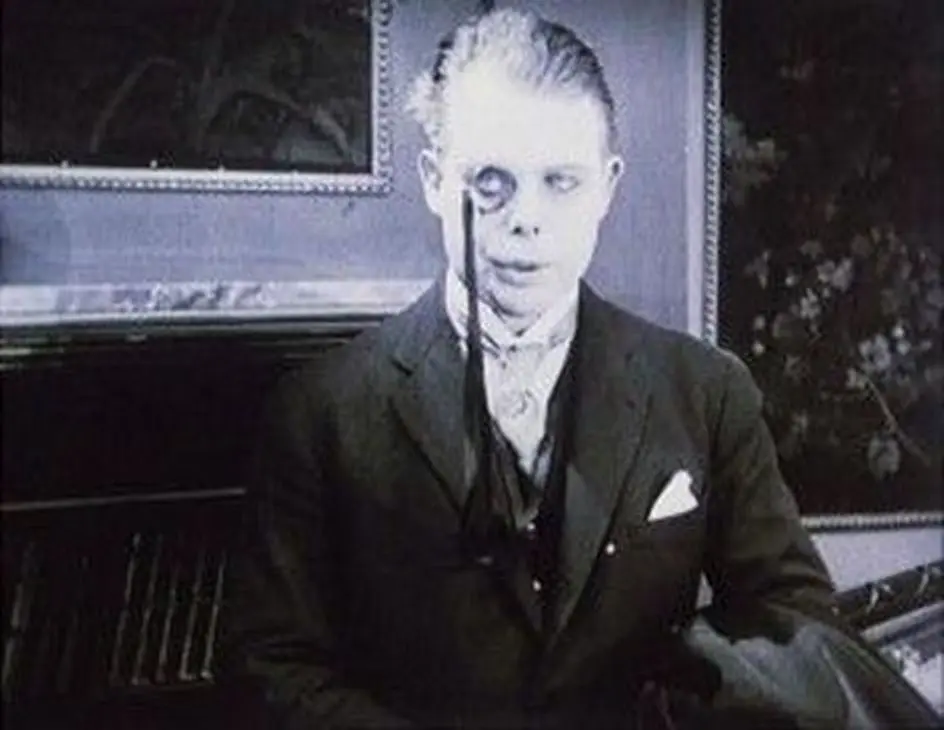
Compare this to the darker, more fantastical elements of silent cinema like Alraune. While Alraune leans into the gothic and the grotesque, Renoir stays firmly planted in the mud of reality. He is interested in how a person breaks when they have nowhere to go. It is a bleak experience, but a vital one for understanding the trajectory of European cinema.
Pros:
- Early glimpse of Jean Renoir’s directorial style.
- Strong social commentary on class and gender.
- Beautifully shot outdoor sequences that evoke Impressionist art.
- A rare look at Pierre Brasseur in one of his earliest roles.
Cons:
- The pacing can be agonizingly slow for modern audiences.
- The story relies on several tired silent-era tropes.
- The makeup and acting styles are highly dated and may feel alienating.
It is impossible to discuss this film without acknowledging the personal stakes involved. Renoir essentially funded this film to make Hessling a star. This personal obsession bleeds into every frame. The camera doesn't just watch Catherine; it worships her, even as it depicts her suffering. This creates a strange tension. We are meant to pity the character, but the director is clearly in love with the actress. This duality gives the film a psychological depth that many other silents of the time lack. It’s not just a story about an orphan; it’s a director’s love letter to his muse, written in the language of tragedy.
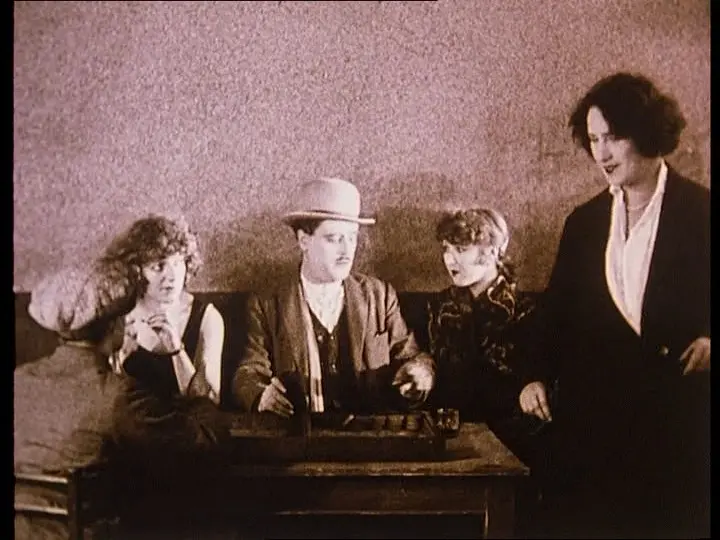
The supporting cast, including Pierre Brasseur and the director himself in a small role, provide a solid foundation, but they are all orbiting Hessling. Her face, painted with thick white greasepaint and dark, wide eyes, becomes a recurring motif. It is a mask of tragedy that refuses to crack. While some critics at the time found her acting too eccentric, seen through a modern lens, it feels like a precursor to the stylized performances of the French New Wave decades later.
Une vie sans joie is a flawed, fascinating debut. It is not a masterpiece, but it is the soil from which masterpieces grew. It works. But it’s flawed. It captures a specific moment in time where cinema was trying to find a voice that was separate from theater and painting. Renoir hadn't found his full voice yet, but he was screaming in the right direction. If you can move past the dated aesthetics, you will find a deeply felt story about the cost of being poor in a world that only values wealth and reputation. It is a grim, beautiful, and necessary piece of film history.
IMDb —
1916
Community
Log in to comment.