DbcultAccessing Vault...
Cult Review
Senior Film Conservator
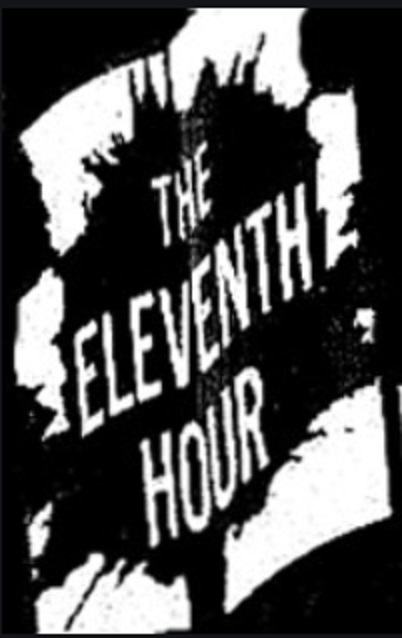
The cinematic landscape of 1912 was a vibrant, rapidly evolving tapestry, a world away from the sophisticated narratives and technical prowess we associate with film today. Yet, within this nascent industry, masterpieces were forged, stories were told, and legends were born – and, tragically, some were lost to the ravages of time. Such is the fate of The Eleventh Hour, an Australian silent film from 1912, now classified as a lost film. Its very absence casts a long, intriguing shadow, prompting a critical exploration not of what we can see, but of what we can infer, imagine, and lament about its place in cinematic history.
To speak of The Eleventh Hour is to engage in an act of historical reconstruction, a speculative journey into the heart of early Australian filmmaking. We know it existed, a tangible product of its era, penned by Leonard Willey and featuring the talents of Loris Brown, Charles Lawrence, Cyril Mackay, and Irby Marshall. These names, though perhaps unfamiliar to modern audiences, were part of the pioneering cohort that built the foundations of a national cinema, crafting stories that resonated with local sensibilities and aspirations. The title itself, The Eleventh Hour, immediately evokes a sense of impending crisis, a race against time, a climactic moment where destinies hang precariously in the balance. This was a narrative trope deeply ingrained in the melodramatic traditions of the period, designed to grip audiences with suspense and emotional intensity.
Australia, surprisingly, was a significant player in early cinema. Films like The Story of the Kelly Gang (1906) are often cited as the world's first feature-length narrative films, predating many European and American productions. This fertile ground allowed for a robust, if sometimes provincial, film industry to flourish. The Eleventh Hour would have emerged from this context, likely sharing thematic similarities with other Australian productions that often drew on local folklore, bushranger legends, or tales of rural hardship and triumph. Consider the enduring appeal of films like Robbery Under Arms (1907 or the 1911 version Robbery Under Arms), which captured the rugged spirit of the Australian frontier. One can surmise that The Eleventh Hour might have explored themes of justice, redemption, or the consequences of moral choices, set against a distinctly Australian backdrop, whether it be the harsh beauty of the outback or the burgeoning complexities of urban life.
The loss of The Eleventh Hour is not just the disappearance of a single film; it represents a gap in our understanding of a crucial period in national cultural expression. Each lost film is a lost window into the societal anxieties, aspirations, and artistic conventions of its time. We are left to piece together its potential impact through reviews, production notes, and the general trends of the era. The silent film era was characterized by its reliance on visual storytelling, heightened emotion, and the power of suggestion. Actors like Loris Brown and Charles Lawrence would have employed a theatrical acting style, their expressions and gestures communicating volumes without spoken dialogue, a skill that defined the early cinematic experience. This style, though often perceived as melodramatic by modern eyes, was a sophisticated art form in its own right, demanding immense physical and emotional control.
To fully appreciate what The Eleventh Hour might have been, we must contextualize it within the global cinematic output of 1912. This was a year brimming with diverse productions. From religious epics like From the Manger to the Cross, which meticulously recreated biblical narratives, to literary adaptations such as Oliver Twist or Les Misérables, filmmakers were exploring the full spectrum of human experience. Historical dramas like Cleopatra showcased grand spectacles, while character studies were emerging, as seen in films like Der Eid des Stephan Huller. The Australian industry, while perhaps not as lavishly funded as its American or European counterparts, was no less ambitious in its storytelling.
The title The Eleventh Hour strongly suggests a narrative built around a desperate race against time. One could envision a plot involving a wrongful accusation, where a character must unearth crucial evidence before a deadline, echoing themes of justice and injustice that were popular in the era. Or perhaps it revolved around a financial ruin averted, a love lost and regained, or a secret exposed, all culminating in a dramatic resolution at the very last moment. The tension inherent in such a premise would have been amplified by the silent film format, where the lack of dialogue forced a greater reliance on visual cues, dramatic irony, and the emotional resonance of the actors' performances. The audience would have been compelled to lean forward, to interpret every gesture, every flicker of expression, making the viewing experience intensely immersive.
Leonard Willey, as the writer, would have been responsible for crafting this intricate dance of suspense and emotion. In an era before established screenwriting conventions, writers often drew heavily from stage plays, novels, and popular serials. The narrative structure would likely have been episodic, building toward a grand climax, typical of the popular forms of entertainment. The actors – Loris Brown, Charles Lawrence, Cyril Mackay, and Irby Marshall – were the conduits through which Willey's vision would come to life. Their performances would have been crucial in conveying the nuances of character and the urgency of the plot. Without the benefit of spoken words, their physicality, their facial expressions, and their ability to project emotion across the silent screen would have been paramount. One can imagine Mackay, a prominent figure in Australian theatre and film, bringing a commanding presence, while Brown might have embodied the virtuous heroine, a common archetype of the period.
Considering the limitations of early film technology, the production of The Eleventh Hour would have been a significant undertaking. Outdoor shots, often favored in Australian productions to showcase the unique landscape, would have presented their own challenges. Indoor scenes, lit by artificial lights that were primitive by today's standards, would have required careful staging to achieve dramatic effect. Special effects, while rudimentary, were employed to enhance realism or create fantastical elements, as seen in some of the more ambitious productions of the era. The editing, too, would have played a crucial role in maintaining pace and clarity, guiding the audience through the narrative twists and turns. While we lack the visual evidence, we can appreciate the immense effort and ingenuity that went into creating such a film in 1912.
The designation of The Eleventh Hour as a lost film highlights a broader tragedy in early cinema. A staggering percentage of silent films have been irretrievably lost, victims of nitrate film's inherent instability, neglect, and the lack of foresight regarding their historical value. This loss is not merely an academic concern; it deprives us of vital cultural artifacts, preventing a complete understanding of cinematic evolution and the societal narratives they reflected. Imagine if literary works like Pilgrim's Progress or plays like As You Like It had simply vanished. The impact on our cultural heritage would be immense. The same applies to films. Each lost film is a silent testament to stories untold and experiences unshared with future generations.
The fact that The Eleventh Hour was an Australian production further underscores the significance of its disappearance. Australian cinema has often struggled for international recognition, and the loss of early works makes it harder to trace its unique trajectory and contributions. While we can still marvel at historical records like With Our King and Queen Through India or appreciate the early documentary style of Glacier National Park, the narrative films like The Eleventh Hour offer a deeper insight into the creative spirit of their time. They are cultural touchstones, reflecting the dreams and anxieties of a nation finding its voice on the global stage.
Let us indulge in a moment of critical speculation, imagining the narrative arc of The Eleventh Hour. Perhaps it involved a character, say, a young woman (Loris Brown) whose family farm is on the verge of foreclosure, and her only hope lies in proving a distant relative's hidden will before the bank's deadline. She might encounter a dashing but enigmatic stranger (Charles Lawrence) who could be either her savior or her undoing. A villainous figure (Cyril Mackay) would undoubtedly complicate matters, perhaps attempting to sabotage her efforts. The tension would mount with each passing intertitle, leading to a frantic, last-minute dash to deliver the crucial document or reveal the truth. Such a plot, while seemingly formulaic, provided a sturdy framework for exploring themes of courage, perseverance, and the ultimate triumph of good over evil, resonant with audiences of the period.
The enduring appeal of these early films, even in their lost state, lies in their historical significance and the imaginative space they create. They represent a foundational moment, a time when the language of cinema was still being invented, frame by painstaking frame. When we consider films like The Life and Death of King Richard III or Hamlet, Prince of Denmark from the same era, we see attempts to bring high culture to the masses through this new medium. The Eleventh Hour, while perhaps not a grand historical epic, would have contributed to this burgeoning art form, offering its own unique blend of drama and entertainment. Its loss reminds us of the fragility of cultural memory and the importance of continued efforts in film preservation.
Ultimately, The Eleventh Hour serves as a poignant reminder of what has been irrevocably lost from cinema's earliest years. It forces us to confront the impermanence of art and the relentless march of time. Yet, even in its absence, the film contributes to a larger narrative: the story of how cinema began, how it evolved, and the countless individuals who dedicated their talents to this then-new and exciting medium. While we cannot watch the dramatic climax unfold, or witness the performances of Brown, Lawrence, Mackay, and Marshall, the very idea of The Eleventh Hour continues to resonate, a ghostly echo from the dawn of Australian filmmaking, forever signaling a moment of critical tension that, for us, remains eternally unresolved.
IMDb —
1934
Community
Log in to comment.