DbcultAccessing Vault...
Cult Review
Senior Film Conservator
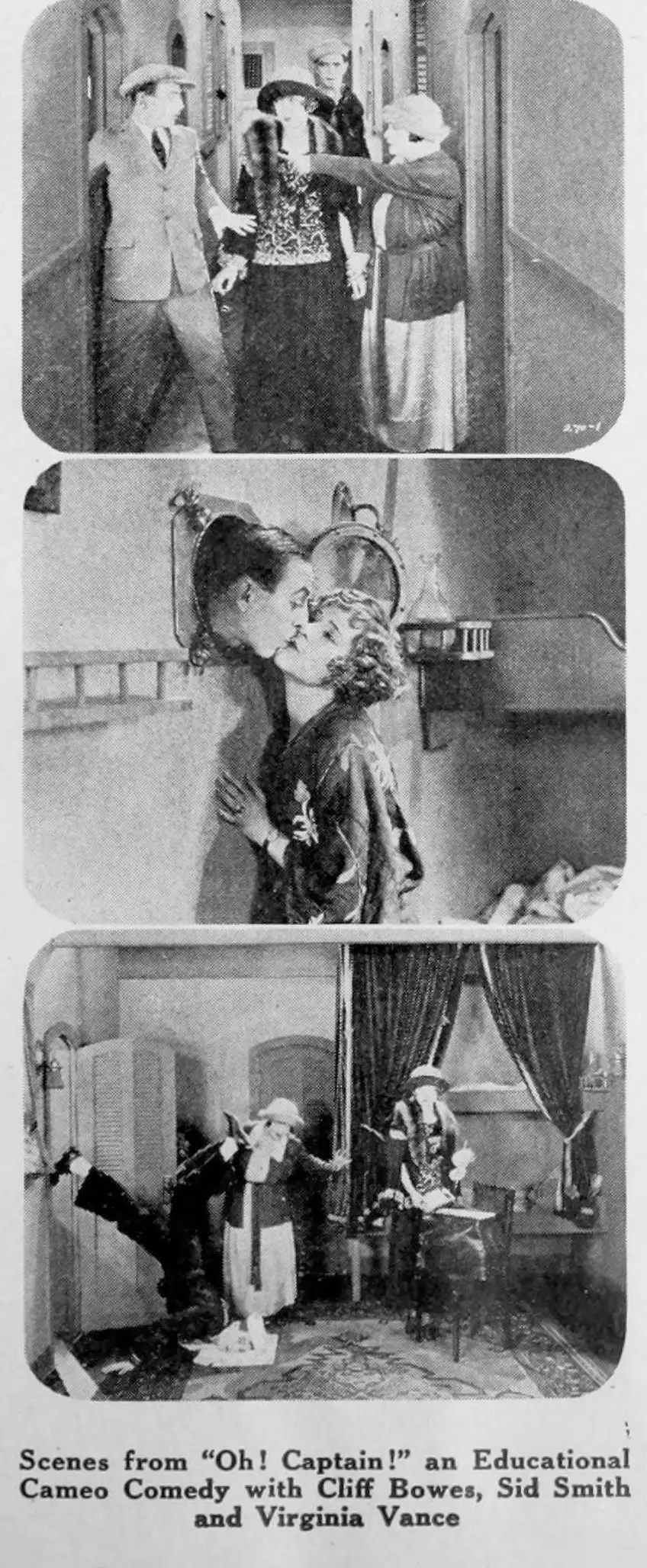
The flickering artistry of early cinema often captured the most universal of human experiences with a charming simplicity that belies profound depth. Among these treasures, 'Oh, Captain!' emerges as a delightful voyage into the heart of silent-era romance, a comedic escapade that, despite its age, still manages to elicit genuine smiles and knowing nods from contemporary audiences. This isn't merely a quaint relic; it's a testament to the enduring appeal of a well-told story, driven by vibrant characters and the timeless pursuit of love. The film’s narrative, while straightforward, is infused with a spirited energy that speaks volumes about the societal mores and romantic ideals of its time, all wrapped in a package of lighthearted adventure.
At the heart of this delightful escapade is Helen, portrayed with an endearing blend of innocence and spirited independence by Virginia Vance. Her aunt, a figure of formidable, if misguided, protectiveness, perceives the local male populace, affectionately dubbed 'porch sheiks,' as an existential threat to Helen's virtue and future. These persistent suitors, with their perhaps overly zealous courtship rituals, prompt the aunt to conceive an audacious plan: a grand ocean voyage, a maritime exile designed to whisk Helen away from temptation and ensure her continued moral purity. It’s a premise that immediately establishes the comedic tone, highlighting the generational clash between a conservative guardian and a blossoming young woman eager to experience life, and perhaps, love.
Yet, as any seasoned observer of romantic comedies knows, the best-laid plans of chaperones often go spectacularly awry. Enter Herbert, played with captivating charm and a dash of mischievous determination by Sidney Smith. Herbert is not merely another 'porch sheik'; he is the object of Helen's nascent affections, and his resolve matches the aunt's protective zeal. Discovering the aunt’s elaborate scheme, Herbert, with an ingenuity that borders on the admirable, orchestrates his own clandestine boarding onto the very same ocean liner. This pivotal twist transforms the voyage from a sanctuary of solitude into a confined, yet exhilarating, stage for a game of cat-and-mouse, or rather, suitor-and-chaperone, where the stakes are nothing less than true love.
The ocean liner itself becomes a character, its labyrinthine corridors and intimate decks serving as both obstacle and opportunity. The vastness of the sea outside contrasts sharply with the enclosed world within, creating a unique environment where stolen glances, accidental encounters, and whispered conversations take on magnified significance. The film masterfully exploits this setting, using the ship's various spaces to further the comedic misunderstandings and heartwarming moments that define Helen and Herbert's burgeoning romance. It’s a clever use of environment, reminiscent of how journeys often serve as catalysts for character development and romantic entanglement in films like The West~Bound Limited, albeit with a different mode of transport and a lighter tone.
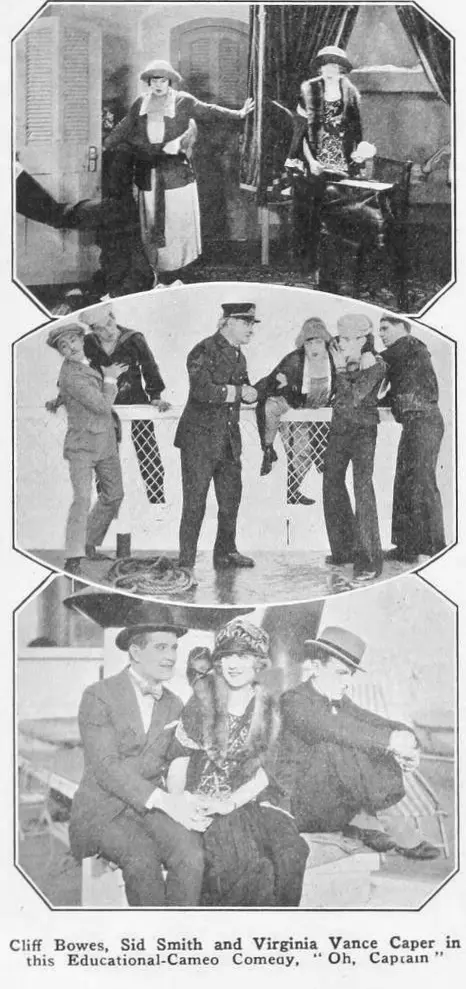
The success of 'Oh, Captain!' rests heavily on the shoulders of its principal cast, who, without the benefit of spoken dialogue, must convey a rich tapestry of emotion and intent through gesture, expression, and physical comedy. Virginia Vance, as Helen, is captivating. Her eyes sparkle with a youthful vivacity, and her subtle reactions to her aunt’s overbearing nature, coupled with her growing awareness of Herbert’s presence, are beautifully articulated. She embodies the innocent charm of a bygone era, yet her character possesses a quiet resilience that makes her deeply relatable.
Sidney Smith’s portrayal of Herbert is equally commendable. He navigates the fine line between persistent suitor and endearing romantic lead with effortless grace. His comedic timing, particularly in scenes where he narrowly avoids detection by the vigilant aunt, is impeccable. Smith’s physical presence and expressive face convey a spectrum of emotions, from hopeful anticipation to panicked evasion, making Herbert a character audiences genuinely root for. His performance elevates the romantic pursuit beyond mere farce, imbuing it with a sense of genuine affection and determination.
Cliff Bowes, as the well-meaning but ultimately ineffectual Auntie, provides the perfect comedic foil. Her exaggerated expressions of alarm and her relentless, if futile, efforts to keep Helen sequestered are a source of constant amusement. Bowes understands the nuances of silent film comedy, delivering a performance that is broad enough for laughs but grounded enough to make the character's motivations understandable, even if misguided. The interplay between these three actors forms the comedic backbone of the film, showcasing a delightful synchronicity that few ensemble casts achieve.
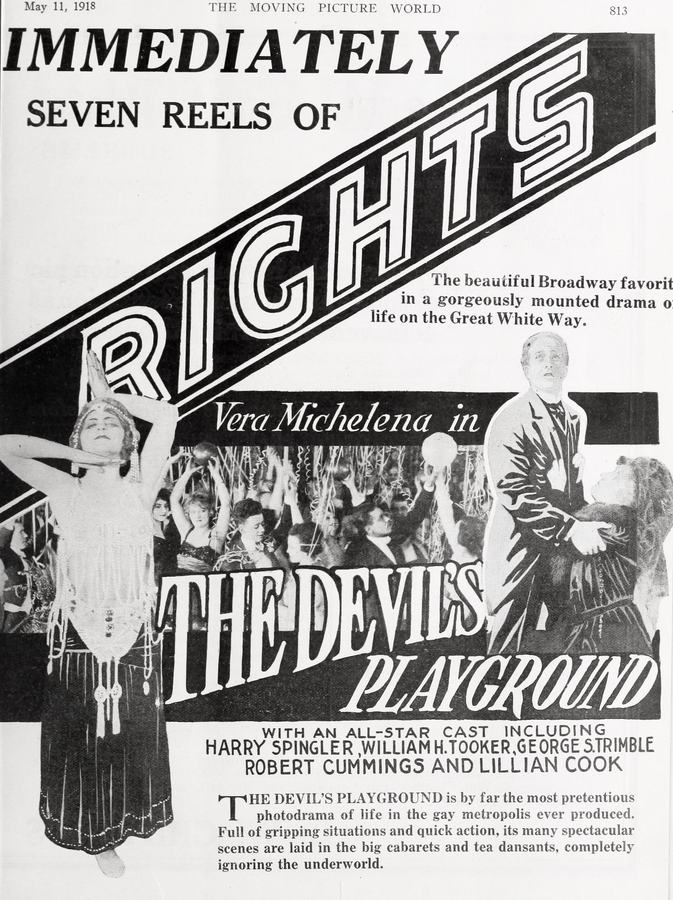
'Oh, Captain!' is more than just a series of comedic incidents; it gently explores themes that resonate across generations. The central conflict between youthful desire for autonomy and well-intentioned parental (or in this case, aunt-ly) control is a perennial one. Helen's quiet yearning for independence and Herbert's determined pursuit of his beloved symbolize the timeless struggle against societal strictures and familial expectations. It’s a narrative thread that can be found woven through many romantic tales of the era, where true love often necessitated overcoming external obstacles, much like the characters in The Right to Happiness, though perhaps with less dramatic intensity.
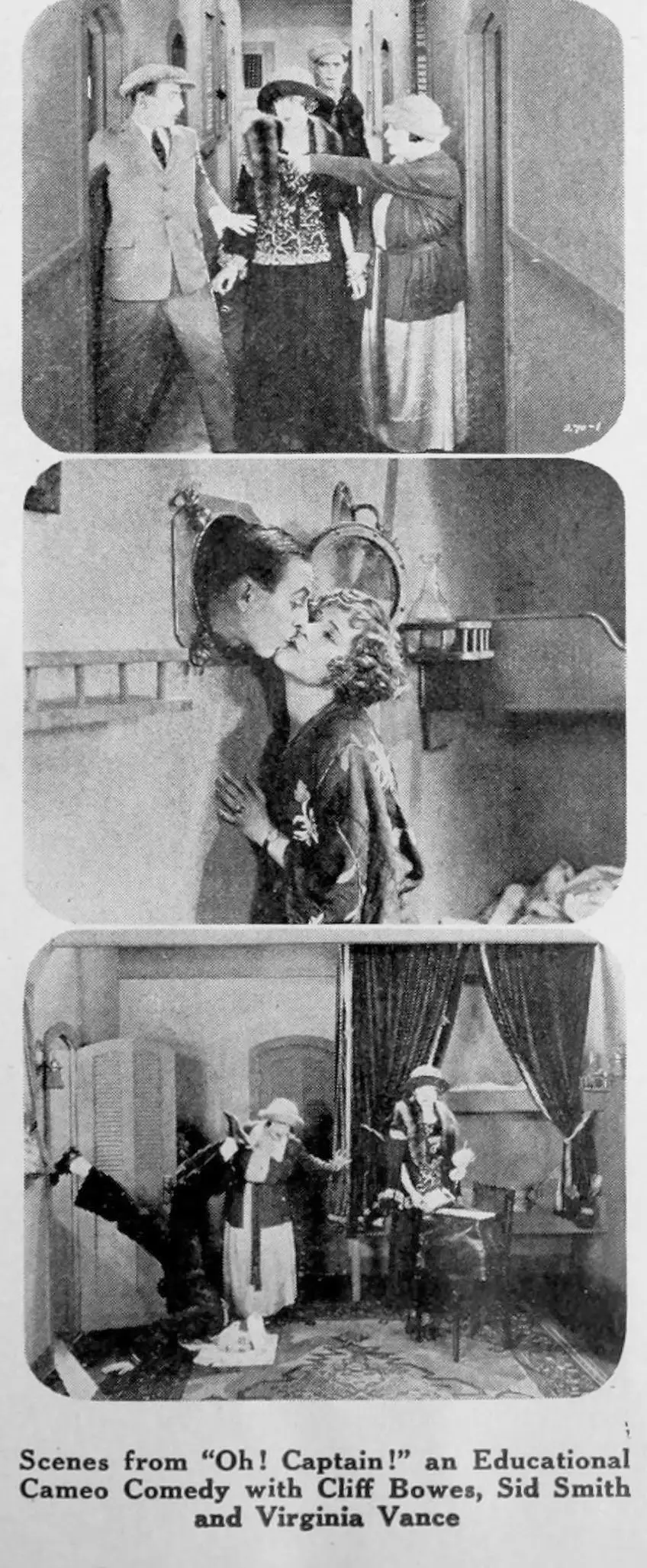
The film also subtly touches upon the evolving landscape of courtship. The 'porch sheiks' represent a more traditional, perhaps aggressive, form of male pursuit, which the aunt finds distasteful. Herbert, while persistent, embodies a more romantic, almost chivalrous, determination. This distinction, though not overtly stated, is implied through the narrative’s sympathetic portrayal of Herbert and Helen's connection. It’s a sweet, innocent depiction of romance, contrasting with the more complex societal pressures explored in films like The Girl with the Champagne Eyes, which often delved into the glittering but sometimes superficial aspects of social climbing and romantic entanglement.
The humor in 'Oh, Captain!' is largely situational and character-driven. The absurdity of the aunt’s elaborate plan, Herbert’s ingenious methods of evasion, and the inevitable misunderstandings that arise from their close proximity on the ship, all contribute to a buoyant comedic atmosphere. It’s a style of humor that relies on visual gags, exaggerated reactions, and the audience’s empathy for the young lovers, echoing the lighthearted domestic comedies prevalent at the time, such as Ma Hoggan's New Boarder, which also found comedy in everyday social interactions and minor domestic disruptions.
While the specific context of 'porch sheiks' and ocean liner escapes might feel distant, the core emotional beats of 'Oh, Captain!' remain remarkably fresh. The film’s ability to evoke genuine warmth and laughter without relying on modern cinematic techniques is a testament to its fundamental storytelling strength. It reminds us that good cinema, regardless of its technological advancements, ultimately hinges on compelling characters, engaging plots, and the universal appeal of human experience.
The direction, though uncredited in some records, ensures a brisk pace and clear visual storytelling. Each scene is framed to maximize either the comedic potential or the romantic tension, guiding the audience's eye and emotions without the need for intertitles to explain every beat. This visual acuity is a hallmark of the best silent films, transforming simple actions into eloquent statements. The use of close-ups to capture facial expressions, particularly those of Helen and Herbert, allows the audience to connect intimately with their internal worlds, enhancing the emotional resonance of their burgeoning relationship.
In an era dominated by grand spectacles and dramatic narratives, 'Oh, Captain!' offers a refreshing dose of unpretentious charm. It's a film that doesn't strive for epic pronouncements but instead finds its greatness in the small, relatable moments of human connection and comedic foibles. For those seeking to explore the delightful landscape of silent romantic comedies, this film serves as an excellent port of call, offering both historical insight and timeless entertainment. It's a gentle reminder that some stories, much like the ocean itself, possess an enduring, captivating allure that transcends the passage of time. A truly delightful discovery for any film enthusiast, it sails smoothly into the annals of silent film history as a minor classic, proving that sometimes, all it takes is a little bit of determination and a lot of heart to win the day, even against the most well-meaning of guardians.
IMDb —
1916
Community
Log in to comment.