The story of twin sisters, one raised in Russia, the other in America, and how their lives diverge and re-entangle..

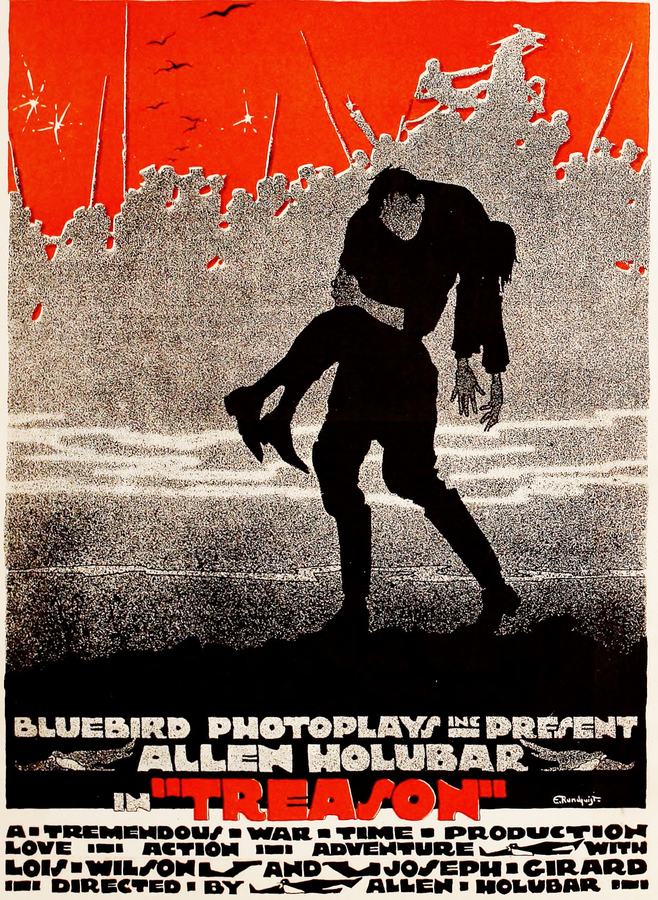
Olga Linek Scholl, Allen Holubar
United States
The Bifurcated Soul of the Silent Era In the pantheon of early American cinema, few works attempt to grapple with the seismic shifts of the global sociopolitical landscape with as much audacity as Allen Holubar’s 1919 masterwork, The Right to Happiness. At a time when the film industry was still oscillating b...

behind_the_scenes
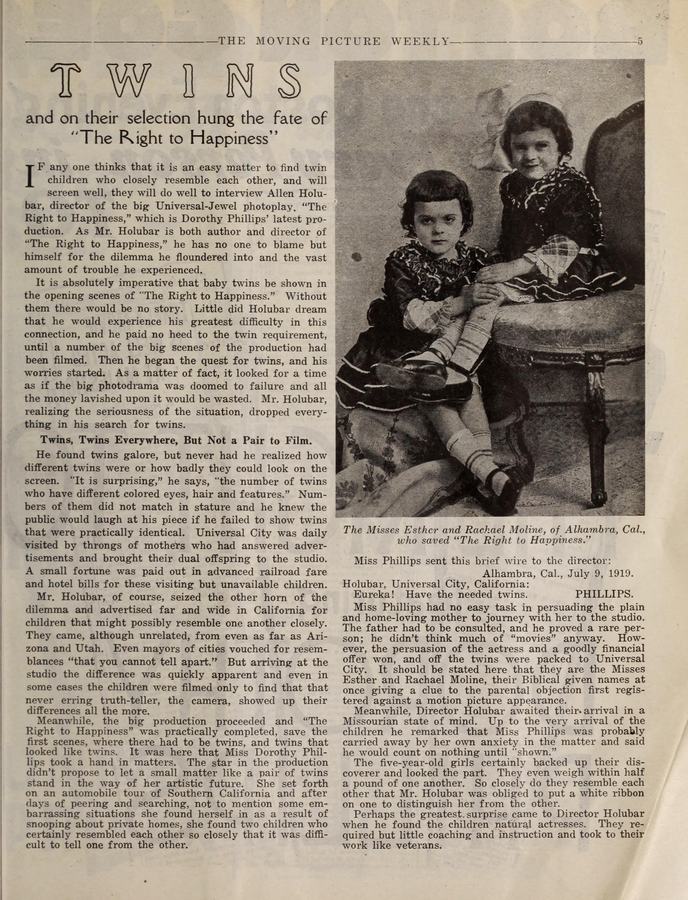
publicity
Comparing the cinematic DNA and archive impact of two defining moments in cult history.
Allen Holubar

Allen Holubar
Community
Log in to comment.
" The Bifurcated Soul of the Silent Era In the pantheon of early American cinema, few works attempt to grapple with the seismic shifts of the global sociopolitical landscape with as much audacity as Allen Holubar’s 1919 masterwork, The Right to Happiness. At a time when the film industry was still oscillating between the theatricality of the stage and the unique visual vernacular of the screen, Holubar delivered a narrative of staggering ambition. The film operates as a dualistic charact..."

Deep dive into the cult classic
Discover similar cinematic experiences
A Directorial Spotlight on Allen Holubar