DbcultAccessing Vault...
Cult Review
Senior Film Conservator
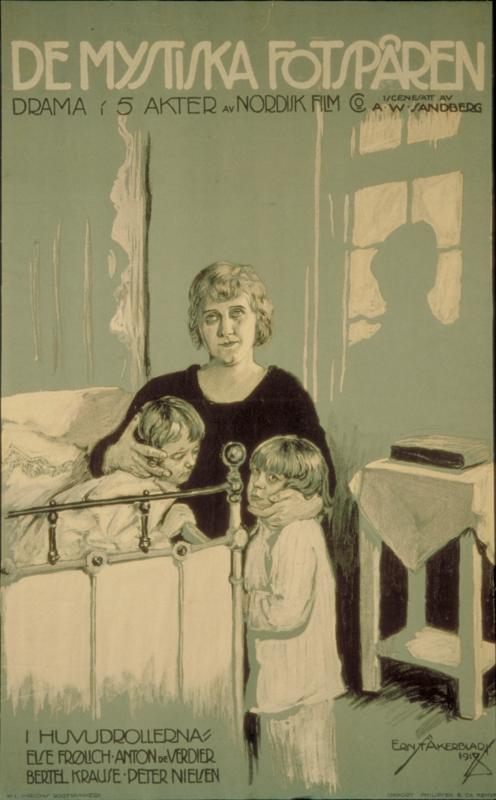
Stepping back into the hallowed halls of early 20th-century Danish cinema, one often encounters works of profound artistry and surprising psychological depth. Among these, A.W. Sandberg’s written masterpiece, De mystiske fodspor, stands as a compelling testament to the era’s storytelling prowess. While the silent film era is often remembered for its grand spectacles and melodramatic flourishes, Sandberg’s narrative, brought to life by a stellar cast including Henny Lauritzen, Carl Brisson, Else Frölich, and Anton de Verdier, delves into the more intimate, yet universally resonant, struggle between light and shadow within the human spirit. It’s a film that, even without the benefit of spoken dialogue, communicates volumes through its visual poetry and the raw, unvarnished performances of its players.

The foundational premise is deceptively simple: two brothers, one inherently virtuous, the other consumed by a creeping malevolence. Yet, from this archetypal setup, De mystiske fodspor weaves a narrative tapestry rich with moral ambiguity, societal pressures, and the tragic inevitability of choices made. The 'mysterious footprints' of the title are more than just a literal plot device; they are a powerful metaphor for the indelible marks we leave on the world, the unseen consequences that echo through lives, and the spectral presence of past deeds that refuse to be forgotten. This is not merely a tale of good versus evil in a simplistic sense, but rather a nuanced exploration of how these forces contend within the closest of bonds, how temptation can corrode the soul, and how redemption, if it comes, is often hard-won and fraught with sacrifice.

Let's delve into the performances that anchor this compelling drama. Carl Brisson, likely embodying the 'good' brother – let's call him Erik – delivers a portrayal of earnestness and moral fortitude that is both captivating and deeply empathetic. His expressive eyes and subtle gestures convey a man wrestling with profound internal conflict, often bearing the weight of his brother's transgressions. Brisson’s performance resonates with a quiet dignity, a stoicism that speaks volumes in the absence of words. He is the moral compass, often bewildered but never entirely broken by the darkness that surrounds him. His struggle feels authentic, a testament to the power of silent acting to convey complex emotional states without overt theatricality. One might draw parallels to the steadfast heroes found in films like The Law of the North, where characters are tested by extreme circumstances and forced to uphold their principles against formidable odds.

Conversely, Anton de Verdier, undoubtedly cast as the 'evil' brother – perhaps Magnus – offers a chillingly effective performance. His villainy is not cartoonish but rather insidious, a gradual descent into depravity that feels disturbingly human. De Verdier masterfully uses his physicality and facial expressions to convey cunning, avarice, and a chilling lack of remorse. The subtle curl of a lip, the predatory gleam in his eyes, the calculated slowness of his movements – all combine to create a character who is both repellant and morbidly fascinating. His presence casts a long, foreboding shadow over the entire film, a palpable sense of unease that permeates every scene he inhabits. His brand of villainy is less about grand gestures and more about the quiet, persistent erosion of decency, a trait sometimes seen in the more nuanced antagonists of films like The Trey o' Hearts, where psychological manipulation often trumps overt violence.
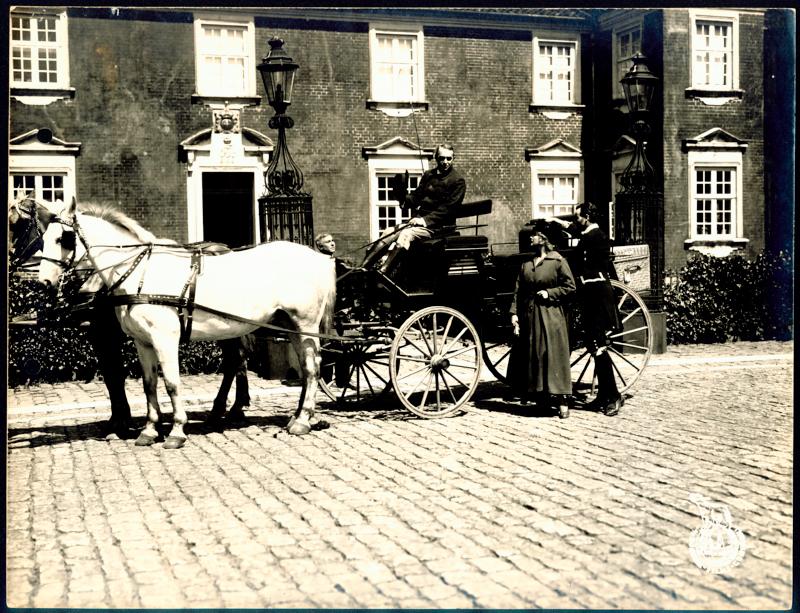
Else Frölich, likely playing the pivotal female role – perhaps a shared love interest or a figure of innocence caught between the brothers – brings a delicate yet resilient presence to the screen. Her portrayal is imbued with a vulnerability that heightens the stakes, making her a focal point for the audience’s emotional investment. Her reactions to the escalating conflict between Erik and Magnus are beautifully understated, yet powerfully communicate her distress, hope, and despair. Frölich's ability to convey profound emotion through subtle shifts in expression and posture is a hallmark of great silent film acting, placing her alongside the compelling heroines of dramas like Jane Eyre, who navigate complex emotional landscapes with grace and inner strength. Henny Lauritzen, a seasoned actress of the era, likely provides a grounding presence, perhaps as a matriarchal figure or a wise confidante, offering a sense of gravitas and moral authority that adds another layer of depth to the family dynamics.

A.W. Sandberg's contribution as a writer cannot be overstated. His narrative structure for De mystiske fodspor is a masterclass in building suspense and character development without relying on dialogue. He understands the power of visual storytelling, allowing the environment, the costumes, and the carefully choreographed movements of the actors to carry the weight of the plot. The pacing is deliberate, allowing moments of quiet contemplation to amplify the impact of dramatic revelations. Sandberg's ability to craft a story that resonates on multiple levels—as a thriller, a family drama, and a moral allegory—speaks to his profound understanding of human nature and cinematic language. His writing style eschews simplistic resolutions, instead embracing the messy, often ambiguous reality of human choices, much like the intricate plotting seen in works such as Threads of Fate, where destiny and individual actions intertwine in complex ways.
The visual aesthetic of De mystiske fodspor, while difficult to fully ascertain without specific details of the cinematography, undoubtedly relies on the expressive techniques characteristic of Danish silent film. One can imagine a rich interplay of light and shadow, chiaroscuro effects used to emphasize the moral contrast between the brothers. Close-ups would have been employed to capture the subtle nuances of the actors' faces, allowing their internal turmoil to be projected onto the screen. The use of mise-en-scène would have been crucial, with sets and props carefully chosen to reflect the characters' social standing and psychological states. The 'mysterious footprints' themselves would have been rendered with visual ingenuity, perhaps through clever editing or special effects, making them a tangible symbol of the unseen forces at play. This kind of meticulous visual design is a hallmark of the era, where every frame had to tell a story, much like the careful composition in films such as Britain Prepared, which, though a documentary, showcases an understanding of visual impact.
The film’s thematic resonance extends far beyond its immediate narrative. It grapples with universal questions: Can a person truly escape their past? Is evil an inherent quality or a learned behavior? What are the limits of familial loyalty in the face of egregious wrongdoing? These are not easy questions, and De mystiske fodspor, through its compelling drama, invites the audience to ponder them deeply. The silent medium, paradoxically, enhances this introspection, forcing the viewer to engage more actively with the visual cues and extrapolate the unspoken thoughts and feelings of the characters. It’s a participatory experience, where the audience becomes a co-creator of meaning, filling in the gaps with their own empathy and understanding. This active engagement is a powerful aspect of classic cinema, echoing the psychological depth found in narratives like The Saintly Sinner, which similarly explores moral complexities.
The supporting cast, including Peter Nielsen, Lizzie Ruge, Ulla Nielsen, and Charles Willumsen, would have contributed vital textures to this world. Even in smaller roles, silent film actors often had to create fully realized characters through mime and expressive movement. A stern father figure, a gossiping neighbor, a loyal servant—each would have added to the rich tapestry of the film's setting, grounding the heightened drama of the brothers' conflict in a believable social context. Their presence ensures that the central struggle doesn't occur in a vacuum, but within a community that observes, judges, and is ultimately affected by the unfolding events. This ensemble dynamic is crucial for building a believable world, a characteristic shared with well-structured narratives such as Strife, where communal dynamics play a significant role.
Reflecting on the legacy of De mystiske fodspor, it’s clear that its power lies in its timeless exploration of human nature. The struggle between good and evil, loyalty and betrayal, is not bound by the confines of a particular era or technological advancement. While the aesthetics of silent film might seem quaint to modern eyes, the emotional impact and thematic sophistication remain undiminished. It serves as a potent reminder that compelling storytelling transcends medium, relying instead on universal truths and nuanced characterizations. For those willing to immerse themselves in its unique language, this film offers a deeply rewarding experience, a window into a past cinematic era that still has much to teach us about the art of narrative. It’s a film that demands active viewing, rewarding patience with profound insights into the human condition. It’s a piece of history that continues to speak volumes, much like the enduring appeal of other character-driven dramas such as Lea or The Desired Woman, which rely heavily on the internal lives of their protagonists.
The enduring appeal of a film like De mystiske fodspor lies in its ability to transcend its historical context and speak to contemporary audiences. The universal themes of family conflict, moral decay, and the search for justice are as relevant today as they were when the film first premiered. It’s a testament to Sandberg’s vision and the cast’s powerful performances that these complex ideas are conveyed with such clarity and emotional force. The film, in its quiet intensity, challenges us to look inward, to consider the 'mysterious footprints' we ourselves leave behind, and the legacy of our own choices. It's a journey into the heart of darkness and the enduring, often fragile, light of hope. A true classic, deserving of rediscovery and appreciation for its artistic merit and its timeless message.
IMDb 6.6
1931
Community
Log in to comment.