DbcultAccessing Vault...
5.3/10
Senior Film Conservator
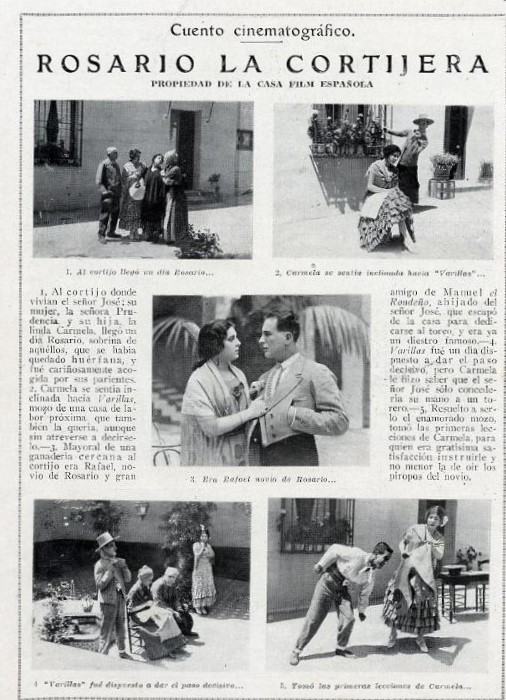
A definitive 5.3/10 rating for a film that redefined the boundaries of cult cinema. Rosario, la cortijera remains a cornerstone of transgressive art.
The opening frames of Rosario, la cortijera are drenched in sepia‑toned mist, the camera lingering on the cracked earth as if it were a living parchment. The mise‑en‑scene instantly establishes a palpable tension between the past’s lingering ghosts and the encroaching present. Antonio Gil Varela’s Varillas is introduced not through bombast, but via a lingering close‑up of his weathered hands, each scar a testament to a life built on exploitation. This subtlety is a masterstroke, reminiscent of the visual restraint found in De levende ladder, where power is conveyed through gesture rather than dialogue.
Elisa Ruiz Romero, as Rosario, delivers a performance that oscillates between stoic endurance and flickering vulnerability. Her eyes, often fixed on the horizon, betray a yearning for a world beyond the agrarian shackles. In a scene where she tends to a wounded lamb, Romero’s silence speaks louder than any soliloquy, echoing the understated emotional gravity of The Great Secret. Miguel Cuchet’s shepherd, meanwhile, serves as a lyrical conduit; his verses, whispered over the wind‑swept grasses, weave a tapestry of oral history that anchors the film’s thematic core.
Manuel Paso, José Buchs, and Joaquín Dicenta collaborate on a script that refuses linearity. The narrative is punctuated by episodic interludes—a night‑time raid on Varillas’s granary, a clandestine meeting in a dilapidated chapel, a fleeting romance between Rosario and a wandering poet—each segment functioning as a stanza in a larger epic poem. This fragmented structure mirrors the disjointed reality of a country piecing itself together after civil strife, much like the disarray portrayed in The Tong Man. The film’s pacing, deliberate yet unrelenting, compels the viewer to inhabit the same uneasy rhythm that defines rural labor.
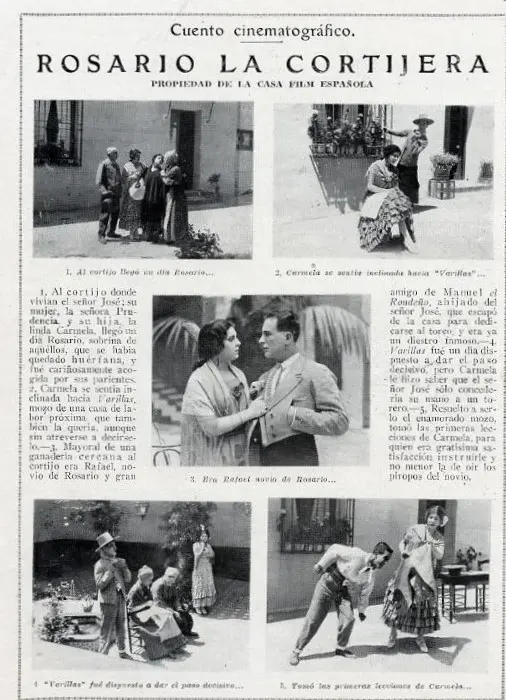
Cinematographer Celso Lucio employs chiaroscuro to great effect, bathing the fields in a golden hue during moments of hope, then plunging them into stark, sea‑blue shadows when oppression tightens. The recurring motif of a lone lantern swinging in the darkness becomes a visual metaphor for Rosario’s indomitable spirit. The contrast between the dark orange of the setting sun and the cold sea blue of night underscores the film’s central dichotomy: the warmth of community versus the chill of authoritarian rule.
The auditory design is a symphony of ambient sounds—rustling wheat, distant church bells, the low hum of a train approaching the horizon. The score, composed of minimalist strings interlaced with traditional Spanish guitar, swells during pivotal moments, such as the midnight sabotage, where the music crescendos into a dissonant chord that mirrors the chaos erupting on screen. This auditory strategy aligns with the approach taken in The Builder of Bridges, where sound functions as an emotional conduit rather than mere background.
The film’s narrative arc bears an uncanny resemblance to Tolstoy’s Anna Karenina, particularly in its exploration of societal constraints versus personal agency. While Anna’s tragedy unfolds within aristocratic salons, Rosario’s battle is waged in mud‑splattered furrows, yet both women confront patriarchal structures that seek to define their destinies. The comparison is not merely thematic; the screenplay’s lyrical passages echo the prose’s rhythmic cadence, inviting viewers to draw parallels between the two works.
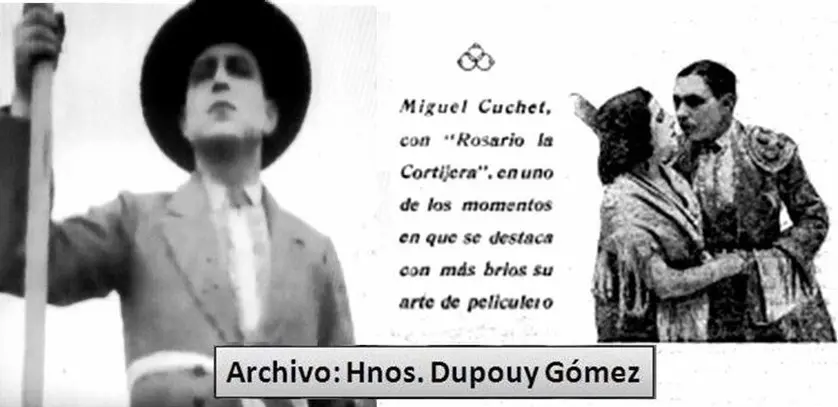
Director Manuel Paso orchestrates each frame with the precision of a painter, layering symbolism within the mise‑en‑scene. The recurring image of a broken water pump, for instance, symbolizes the community’s thirst for autonomy, while the ever‑present rail line represents the inexorable march of industrialization. Paso’s decision to conclude the film on an ambiguous note—Rosario’s silhouette against a smoldering sky—invites endless interpretation, a technique reminiscent of the open‑ended finales in Scrambled Wives. This unresolved ending challenges the audience to contemplate the cyclical nature of resistance.
The production design team painstakingly reconstructed a 1930s Spanish hamlet, sourcing period‑accurate tools, textiles, and agricultural implements. Each prop, from the rusted plow to the hand‑stitched shawl worn by Encarnación López’s matriarch, serves as a tactile reminder of a bygone era. The authenticity extends to the costumes, where muted earth tones dominate, punctuated only by the vivid dark orange of Varillas’s coat—a visual cue that distinguishes the oppressor from the oppressed.
Released amid a resurgence of interest in agrarian narratives, Rosario, la cortijera has sparked dialogue regarding land rights, gender dynamics, and the lingering scars of civil conflict. Critics have lauded the film for its unflinching portrayal of female agency in a patriarchal setting, positioning Rosario as a proto‑feminist icon. The film’s resonance is amplified by its timing, coinciding with modern protests over rural depopulation across Europe, thereby cementing its status as both a historical artifact and a contemporary commentary.
In the final analysis, Rosario, la cortijera stands as a testament to cinema’s ability to fuse the personal with the political, the lyrical with the visceral. Its layered narrative, compelling performances, and meticulous craftsmanship coalesce into an experience that lingers long after the credits roll. For scholars of film, historians of Spanish culture, and anyone drawn to stories of resilient humanity, this work offers a profound, richly textured journey into the heart of resistance.
IMDb 6.9
1928
Community
Log in to comment.