DbcultAccessing Vault...
Cult Review
Senior Film Conservator
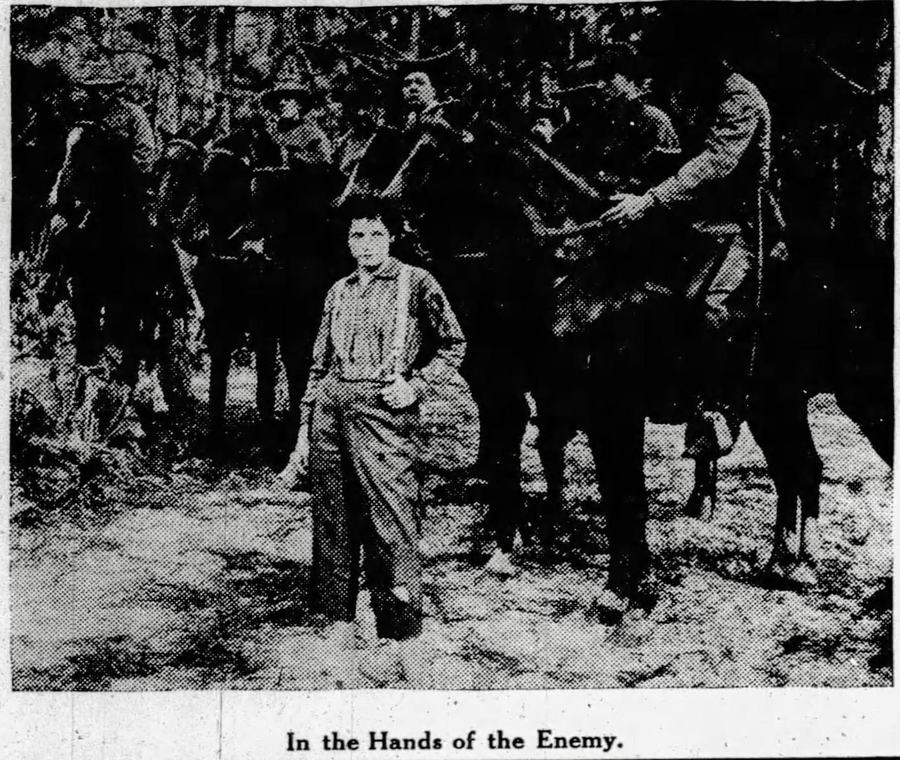
The screen crackles like fat in the skillet: nitrate flames licking at a nation already half-ash. Released in the wake of The Battle of Gettysburg and riding the same patriotic surge that would birth The Birth of a Nation three years later, On the Fighting Line is both recruitment poster and poison-pen letter to the Lost Cause. Director J.J. Clark—moonlighting from his usual acting gigs—trades footlights for mud, staging skirmishes in actual Virginia scrub, camera planted in rifle pits while blank cartridges sing past the lens. The result feels less like reenactment than embedded journalism.
Gene Gauntier, queen of the cliff and the close-up, essays Jane with feral minimalism: eyes slit against sun-dust, shoulders pitched forward as if perpetually breasting a storm. Watch the moment she hacks her hair—no florid theatrics, just a brisk sawing motion, strands drifting like spider silk across the iron tint. Gauntier lets the silence scream; her face becomes a battlefield of micro-tremors, equal parts terror and transfigured purpose. It’s a gender study a full century before the term gained tenure.
Comparative glances toward contemporaries—Joan of Arc’s saintly stoicism or The Adventures of Kathlyn’s serial peril—reveal how On the Fighting Line weaponizes femininity without sanctifying it. Jane is neither maid nor mascot; she’s the war’s unpaid quartermaster of fate.
Clark’s visual grammar alternates between tableaux worthy of From the Manger to the Cross and proto-handheld chaos. The firing-squad sequence stages depth like a Renaissance canvas: foreground stakes, middle ground Jane tethered, background sky smeared by cannon smoke. Yet when she bolts into woodland, the camera lurches after her, branches slapping the lens—an accidental vérité that prefigures combat newsreels of the Somme.
Intertitles, mercifully sparse, favor biblical cadence: “She walked through the valley of iron and came out unscarred, save by memory.” The austerity keeps rhetoric from curdling into the bombast that sinks 1812 or Spartacus knock-offs. Instead, pauses hum with cicada rhythm, letting the audience stitch dread between title cards.
Gregg, the Union spy, is sketched in chiaroscuro—at once foe and future lover. Actor Clark (pulling double duty) leans into ambiguity: his first gift of hardtack carries the smirk of a fox feeding a sparrow, yet later bedside scenes pulse with something tenderer, almost ashamed. Their romance blooms not in moonlit glades but in the reek of chloroform and gangrene, a subversion of the chaste courtships cluttering The Springtime of Life or As You Like It.
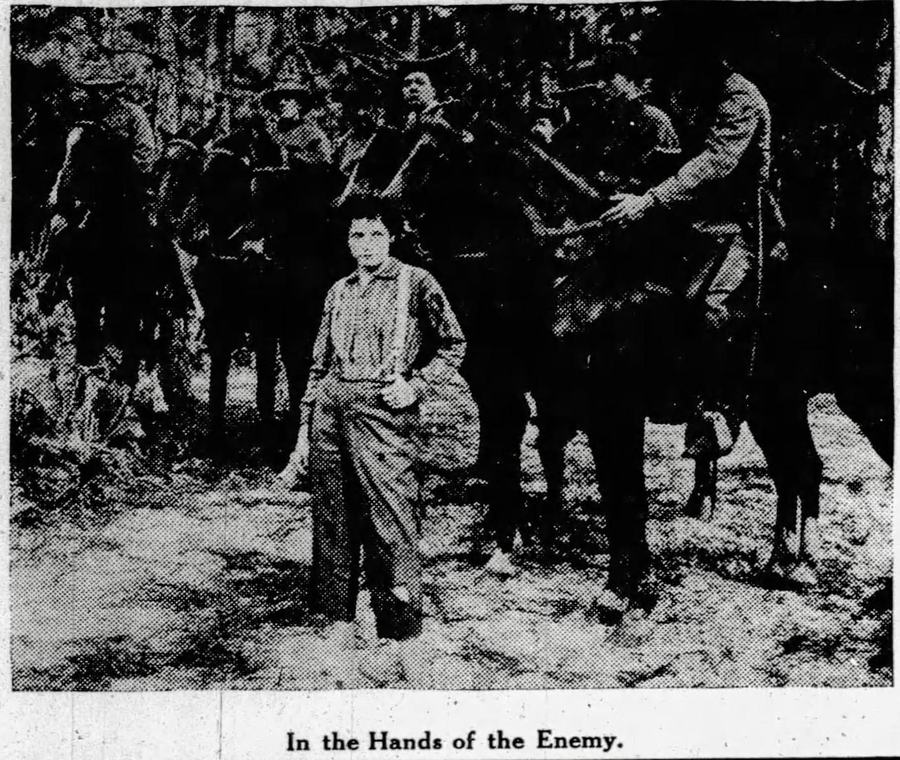
War logistics fascinate: supply wagons mired in axle-deep clay, deserters strung from dogwood like scarecrows, drummer boys beating tattoos that echo through hollow chests. The Confederate victory—engineered by Jane’s pilfered intelligence—feels less triumph than pyrrhic algebra: acres of bodies traded for a line on a map. Clark cuts from cheering graycoats to close-ups of boots sinking in blood-slurry, refusing the audience a clean hurrah.
Color tinting—cobalt night, amber dawn, sickly green for hospital tents—amplifies emotional temperature without sliding into the crayon-box whimsy of Dante’s Inferno. The final shot, a slow dissolve from Jane’s blood-spattered apron to white wedding muslin, whispers rebirth yet stains it with memory; the edit is so seamless you can almost taste iron amid the orange-blossom.
Flaws? A few. African-American characters appear mostly as backdrop—laundry-women, ditch-diggers—without the narrative centrality later reclaimed by Lime Kiln Club Field Day. And the Union officers twirl mustaches with Snidelyesque glee, though Gregg’s nuance partly compensates. Yet measured against The Battle of Shiloh or Seven Civil War, this is progressive shading, not monochrome villainy.
Score matters: surviving cue sheets call for “Annie Laurie” muted on harmonica amid crackling campfires, then Dvořák-esque strings when Jane cradles the dying. Modern festivals often commission new arrangements—try hearing it with a lone fiddle scraping through reverb; suddenly the 110-year-old images perspire.
Legacy? The DNA of every cross-dressing warrior—from A Militant Suffragette to Disney’s Mulan—owes royalties to Jane Britt. Film scholars tracing female agency in silent cinema must detour through this scarred yet indomitable 17-year-old who rewrote war’s rules with a stolen canteen and a mouthful of secrets.
Bottom line: On the Fighting Line is not merely a curio for Civil War buffs or gender-studies syllabi; it’s a pulsing, mud-caked testament to cinema’s first stab at moral ambiguity on the battlefield. Stream it if you can find a print, project it if you’re lucky enough to possess 16mm, but above all watch without blinkers—because history, like Jane, rarely waits for permission to reload.
Verdict: 9/10 — A harrowing, luminous milestone whose echoes still ricochet through every war story bold enough to let women reload the narrative.
IMDb —
1931
Community
Log in to comment.