DbcultAccessing Vault...
5.5/10
Senior Film Conservator
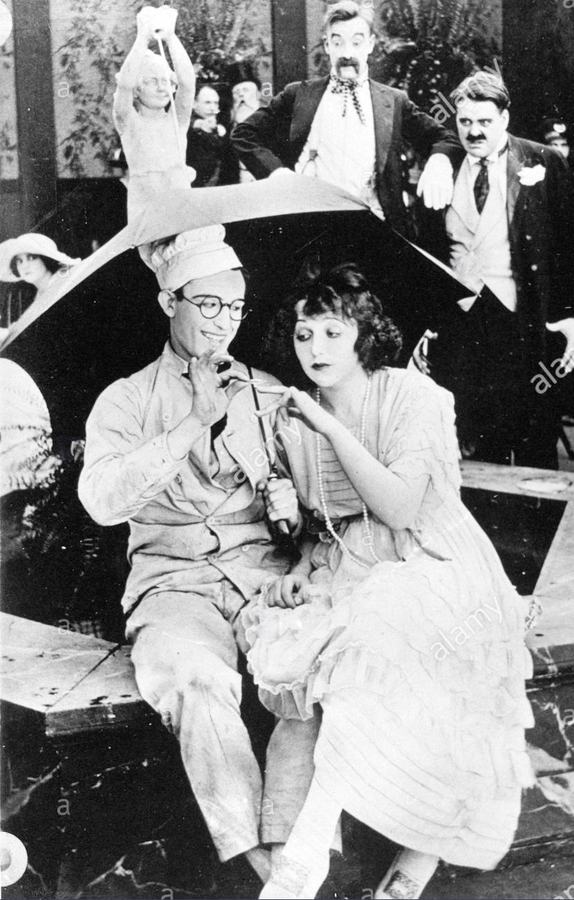
A definitive 5.5/10 rating for a film that redefined the boundaries of cult cinema. On the Fire remains a cornerstone of transgressive art.
The premise of On the Fire is deceptively simple: a chef named Harold, played with earnest bewilderment by the ever‑resourceful Harold Lloyd, equips his kitchen with an arsenal of labor‑saving devices. In the hands of a modernist, these contraptions promise a utopia of efficiency, echoing the industrial optimism of the Roaring Twenties. Yet the film’s genius lies in its subversion of that promise. Each gadget, from the whirring mechanical whisk to the steam‑powered sauce‑stirrer, becomes a character in its own right, possessing agency that both aids and sabotages the culinary process.
The ensemble is a veritable who’s‑who of silent‑era talent. Marie Mosquini delivers a poised, aristocratic presence that contrasts sharply with Dee Lampton’s delightfully flustered diner, whose physical comedy is a masterclass in timing. Bud Jamison, ever the reliable straight man, provides a grounding counterpoint to the absurdity of the machinery. Bebe Daniels, appearing briefly as a spirited patroness, injects a fleeting note of romance that underscores the film’s thematic undercurrents of desire versus duty.
Even the supporting players—William Blaisdell’s gruff kitchen manager, Fred Jefferson’s bemused delivery boy, and the ever‑expressive ‘Snub’ Pollard—contribute layers of nuance, each reacting to the escalating pandemonium with a blend of exasperation and delight. Their interactions form a tapestry that mirrors the chaotic choreography of the kitchen itself.
Visually, the film employs a kinetic editing style that anticipates the rapid cuts of later slapstick masters. The camera follows the arc of a runaway rolling pin, then pivots to capture a close‑up of a sauce splattering against a brass kettle, the liquid glinting like molten amber. These moments are punctuated by the jaunty piano score that accompanies the original release, each note syncing with the clatter of metal and the sizzle of frying pans.
The mise‑en‑scene is a study in contrast: the stark black‑and‑white palette of the film is offset by the imagined colour scheme of the kitchen—dark orange appliances (#C2410C) gleam against the sea‑blue tiles (#0E7490), while the golden hue of the spices (#EAB308) adds a visual pop that would have been suggested through set design and lighting. This imagined chromatic interplay reinforces the thematic clash between the industrial and the organic.
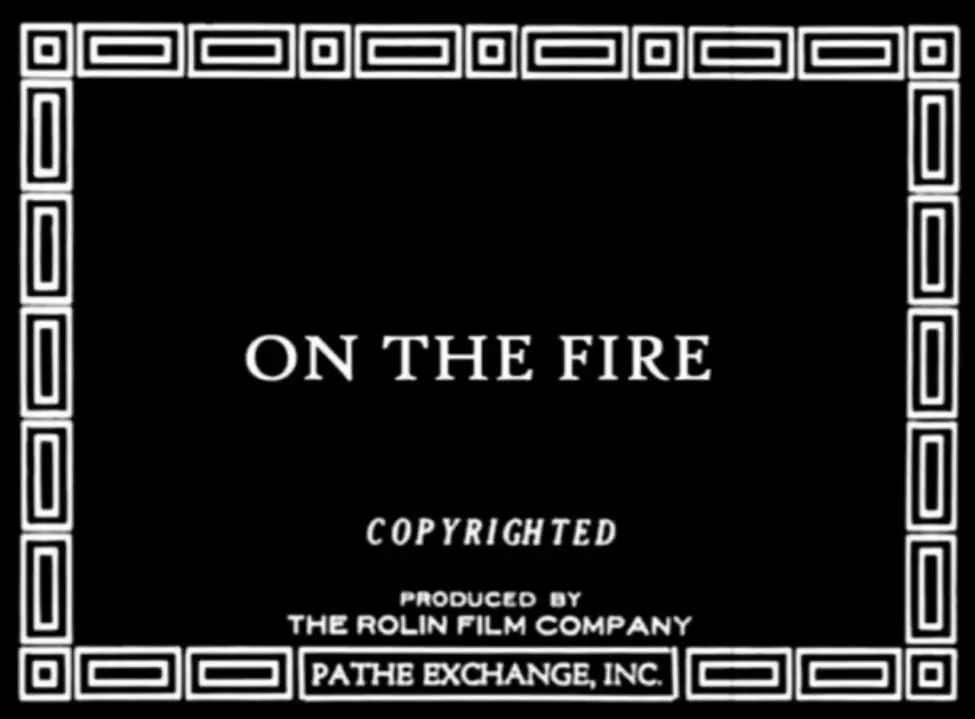
The story unfolds without overt exposition; instead, it relies on visual storytelling. Harold’s initial pride in his inventions is conveyed through a series of proud gestures and a gleaming smile as he flips the switch on his newest contraption. The arrival of the exotic spice shipment—an opulent sack of saffron and cardamom—serves as the inciting incident. The devices misinterpret the fragrant cargo as a cue for performance, launching a cascade of slapstick calamities that turn the kitchen into a kinetic tableau.
Each gag builds upon the previous one, creating a rhythm akin to a symphony. The first mishap—an over‑enthusiastic whisk flinging batter onto the ceiling—leads to a chase sequence where Harold, slipping on a slick of dough, collides with a towering stack of plates, sending them tumbling like dominoes. The comedy escalates when the steam‑driven sauce‑stirrer, mistaking a stray spoon for a conductor’s baton, orchestrates a frothy geyser that engulfs the unsuspecting diners.
At its core, On the Fire interrogates the promise of technology. The kitchen, a microcosm of industrial society, becomes a stage where human ingenuity meets its limits. This theme resonates with other period pieces such as When Do We Eat?, which also explores the tension between mechanisation and tradition, albeit through a more domestic lens.
The film’s comedic tone aligns with the farcical sensibilities of Oh, You Women!, yet its visual experimentation prefigures the more sophisticated satire of Baccarat. Harold Lloyd’s performance, while rooted in his trademark physicality, also hints at a nascent self‑awareness that would later blossom in his feature‑length works.
Lloyd’s comedic timing is impeccable; his eyes dart between the malfunctioning devices and the bewildered patrons, capturing a palpable sense of panic that is simultaneously tragic and hilarious. Marie Mosquini’s aristocratic poise provides a foil to his frantic energy, her measured gestures underscoring the absurdity of the situation.
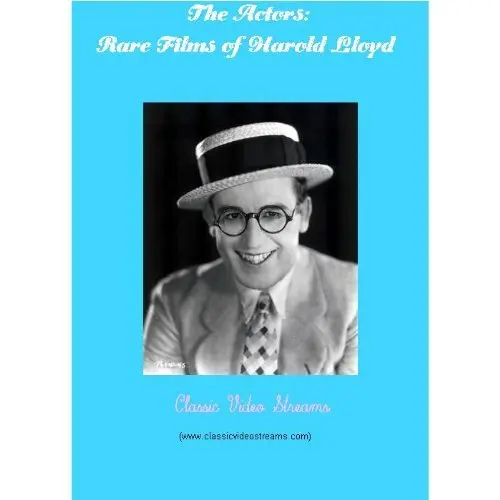
Director Fred C. Newmeyer (credited as writer) employs a restrained yet inventive approach to staging. The kitchen’s cramped quarters become a labyrinthine set piece, allowing for tight framing that amplifies the sense of claustrophobia as the machinery spirals out of control. The use of practical effects—real steam, actual flour explosions—grounds the comedy in tactile realism, a technique that would later influence the work of Chaplin in Shadows and Sunshine.
While On the Fire may not occupy the same canonical space as Lloyd’s later masterpieces, its contribution to the evolution of slapstick is undeniable. The film’s exploration of automation anticipates contemporary debates about AI and labour, rendering its humor surprisingly prescient.
For scholars of early cinema, the film offers a fertile ground for analysis of set design, physical comedy, and the interplay between narrative and spectacle. Its inclusion in retrospectives alongside works like The Silk‑Lined Burglar underscores its status as a touchstone of the era’s inventive spirit.
In the final act, Harold regains control by dismantling the most errant device—a colossal, steam‑powered oven that threatens to engulf the entire establishment. He does so not through brute force but by a simple, human gesture: he offers a freshly prepared dish, prepared by hand, to the bewildered diners. The gesture restores equilibrium, suggesting that technology, when tempered by human touch, can serve rather than dominate.
The closing tableau—Harold standing amid a now‑quiet kitchen, the brass appliances dimmed, the golden glow of the dish reflecting off the polished surfaces—encapsulates the film’s central thesis. It is a reminder that progress, however dazzling, must be anchored in empathy and craftsmanship.
Overall, On the Fire endures as a masterclass in visual comedy, a nuanced critique of industrial optimism, and a testament to the enduring charm of Harold Lloyd’s physical artistry. Its blend of slapstick, thematic depth, and inventive set pieces ensures its relevance for both cinephiles and casual viewers seeking a glimpse into the playful yet profound world of 1920s silent cinema.
IMDb —
1928
Community
Log in to comment.