DbcultAccessing Vault...
5.8/10
Senior Film Conservator
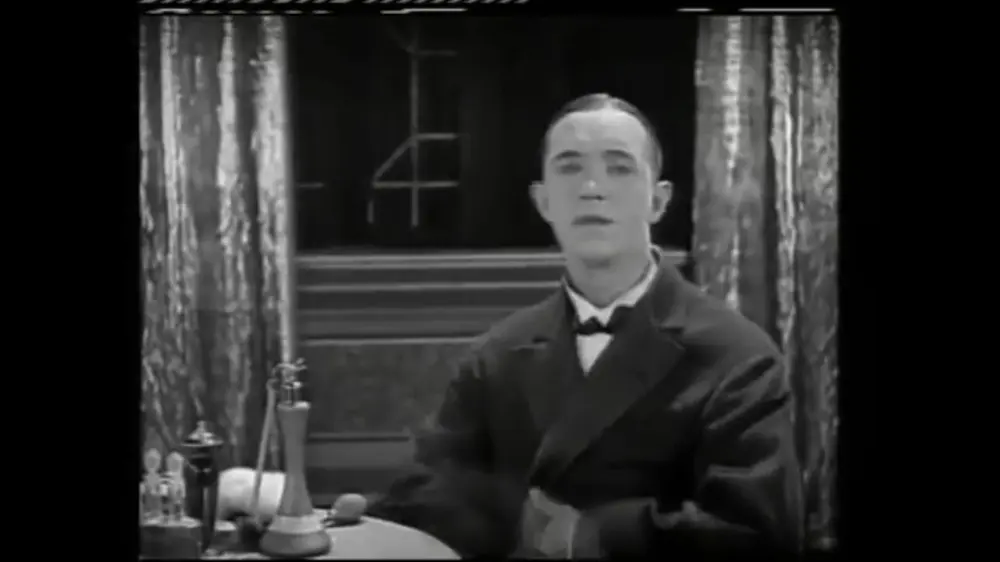
A definitive 5.8/10 rating for a film that redefined the boundaries of cult cinema. On the Front Page remains a cornerstone of transgressive art.
Is 'On the Front Page' worth watching today? Short answer: For silent film enthusiasts and Laurel completists, absolutely, but for a casual modern audience, it’s a qualified yes, best approached with an understanding of its historical context. This film is unequivocally for those who appreciate the foundational slapstick and narrative simplicity of early cinema, serving as a fascinating precursor to Laurel's later iconic partnership, but it is decidedly not for viewers seeking intricate plots, sophisticated humor, or high-fidelity production values.
At its core, On the Front Page is a document of a comedic legend in the making, a raw, unpolished gem that offers more historical insight than polished entertainment for the uninitiated. It works. But it’s flawed. This film serves as a crucial piece of the puzzle in understanding Stan Laurel's solo development before the seismic collaboration with Oliver Hardy.
This film works because of Stan Laurel’s already evident mastery of physical comedy and expressive mime, which transcends the rudimentary plot to deliver genuine laughs.
This film fails because its narrative is thin, serving merely as a flimsy scaffold for gags, and its humor, while often effective, can feel dated and repetitive to modern sensibilities.
You should watch it if you are a student of silent film, a devoted Stan Laurel fan keen to trace his artistic evolution, or simply curious about the unadulterated, chaotic energy of early cinematic comedy.
The premise of On the Front Page is a whirlwind of journalistic desperation. Our protagonist, played by Stan Laurel, is a reporter who has just been blindsided. A rival paper has scooped him on a major scandal, leaving his career hanging by a thread. The editor, a figure of stern authority, gives him a stark ultimatum: twenty-four hours to dig up something even more sensational, or face the axe. The stakes are clear, if somewhat simplistic, and the clock is ticking with an almost cartoonish urgency.
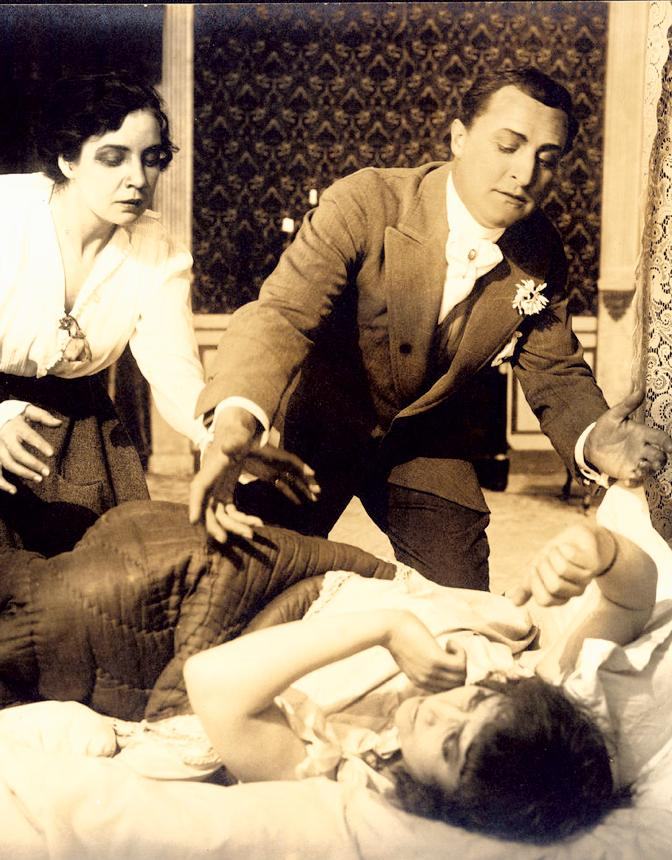
Laurel’s character, initially bewildered and defeated, finds himself wandering the unfamiliar streets late at night. It’s in this state of aimless desperation that he stumbles upon a peculiar street, one that sparks an audacious, if morally questionable, idea. His target: a seemingly respectable Countess and her butler. His plan? To manufacture a scandalous situation, catching them in a compromising position that will make headlines and resurrect his career.
This isn't a story of investigative journalism; it's a farce of opportunistic fabrication. The plot doesn't aim for realism or deep social commentary, but rather for the sheer comedic potential of a man willing to go to absurd lengths for a scoop. It’s a testament to the era's storytelling, where character motivation often took a backseat to the setup for a good gag. The audience is invited not to ponder the ethics, but to revel in the ensuing chaos.
The setup is essentially a series of escalating attempts by Laurel to create the desired 'scandal.' This involves hiding, peeking, and various clumsy maneuvers to manipulate the situation, often with unintended and hilarious consequences. The film's strength lies in its ability to quickly establish the predicament and then plunge headfirst into the physical comedy that defines silent cinema, all within the tight, self-imposed constraint of a single night.
Stan Laurel’s performance in On the Front Page is, without doubt, the film's beating heart. Even at this early stage of his career, before the iconic pairing with Oliver Hardy, Laurel’s unique comedic genius is unmistakably on display. He embodies the frantic reporter with a blend of wide-eyed innocence, bewildered desperation, and a surprising streak of cunning. His facial expressions alone are a masterclass in silent film acting, conveying a spectrum of emotions from dejection to mischievous glee.
Consider the scene where he first learns of being scooped. His shoulders slump, his eyes widen in disbelief, then narrow in a nascent determination – all without a single spoken word. This economy of expression, coupled with his distinctive physicality, sets him apart. He doesn't just react; he *feels* the scene, inviting the audience to feel it with him. His movements are precise, yet often clumsy, creating a delightful juxtaposition that would become a hallmark of his style.
Laurel's physical comedy, the very foundation of his craft, is showcased repeatedly. His attempts to sneak around the Countess's house, his contorted postures while hiding, and his elaborate, often self-defeating, maneuvers to create photographic opportunities are all executed with a masterful sense of timing. There’s a particular moment where he attempts to surreptitiously arrange objects to look incriminating, only to trip over his own feet, scattering everything. It’s a gag as old as time, yet Laurel’s execution elevates it, making it fresh and genuinely funny.
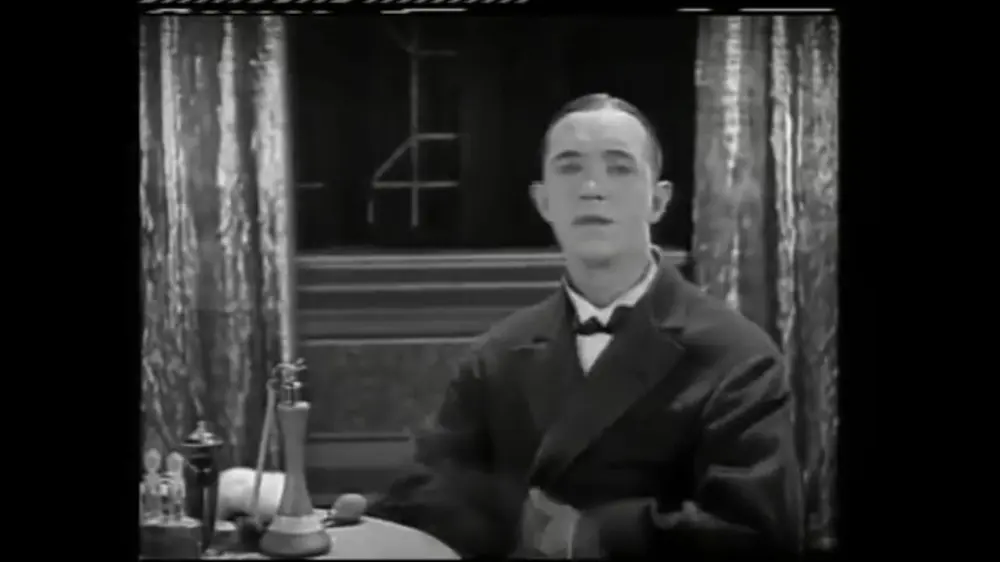
What’s fascinating is seeing the nascent elements of the 'Stan' character that would later define the duo. The childlike naivete mixed with a surprising, almost devious, streak. He’s not malicious, but he is certainly opportunistic, and his efforts to manipulate the situation are driven by a desperate, almost pathetic, need to succeed. This complexity, however rudimentary, adds a layer to his performance beyond mere slapstick. It’s less a structured comedy and more a chaotic laboratory experiment, with Laurel as the mad scientist.
Directed by James Parrott, On the Front Page exhibits the typical directorial approach of the silent era, prioritizing clear storytelling and visual gags over complex camera work or elaborate set pieces. The cinematography, while not groundbreaking, is effective in its simplicity. The camera is largely static, serving as a detached observer, allowing the physical comedy of Stan Laurel to take center stage. This approach, common for the period, ensures that the audience's focus remains squarely on the performers and their actions.
Parrott’s direction is most effective in orchestrating the comedic timing of Laurel’s antics. He understands how to frame a shot to maximize the impact of a fall, a startled expression, or a clumsy attempt at stealth. For instance, the wide shots of the Countess's parlor allow Laurel ample space to maneuver and create visual chaos, while occasional close-ups punctuate his reactions, drawing the audience into his frantic mindset. The setting, though limited, is utilized well to provide obstacles and opportunities for gags.
The use of intertitles is standard, providing necessary exposition and dialogue, but the strength of the film lies in its ability to convey meaning and humor visually. Parrott trusts Laurel's ability to communicate without words, and this trust pays off. There's a particular sequence where Laurel is attempting to hide behind a curtain, and the camera holds steady, allowing the audience to fully appreciate his awkward contortions and the inevitable, comical reveal. It’s a simple, yet potent example of silent film direction at work.
Compared to the more ambitious visual narratives seen in films like Circus Days, On the Front Page is less about grand spectacle and more about intimate, character-driven (albeit one-sided) comedy. Parrott's strength here is in letting Laurel be Laurel, providing just enough structure to hang the gags on. The film doesn't attempt to redefine cinematic language; it simply aims to deliver laughs, and in that, it largely succeeds through its straightforward and unpretentious direction.
The pacing of On the Front Page is dictated by its central conceit: a twenty-four-hour deadline. This creates an inherent sense of urgency that propels the narrative forward, often at a breathless pace. From the moment Laurel’s character receives his ultimatum, the film rarely slows down, mirroring the reporter’s own escalating desperation. This frenetic energy is a key component of its comedic appeal, preventing the thin plot from feeling stagnant.
The film rapidly moves from one gag to the next, with little time for reflection or elaborate character development. This quick succession of events, particularly once Laurel begins his scheme at the Countess’s house, creates a sense of chaotic momentum. There’s a constant anticipation of what clumsy misstep or unexpected turn of events will occur next. This rapid-fire delivery of gags keeps the audience engaged, even if the individual gags themselves vary in their comedic impact.
The tone is overtly farcical, leaning heavily into slapstick and situational irony. There’s a lightheartedness to the proceedings, despite the high stakes for the reporter’s career. The humor rarely veers into dark territory, maintaining a playful, almost innocent, mischievousness. Even as Laurel attempts to create a scandal, his character retains a certain endearing clumsiness, preventing him from appearing genuinely villainous. This ensures the audience remains on his side, rooting for his absurd success.
However, this relentless pace can also be a double-edged sword. At times, the rapid succession of gags can feel somewhat repetitive, and the lack of narrative depth means there's little emotional investment beyond the immediate comedic moment. Yet, for a silent comedy of this vintage, the sustained energy is commendable. It’s a film that understands its purpose: to make you laugh, quickly and repeatedly, through visual antics rather than intricate storytelling. The sheer audacity of the premise, combined with Laurel's committed performance, carries the tone admirably.
Yes, On the Front Page is worth watching today, but with specific expectations.
It's a foundational piece for silent film enthusiasts. It showcases Stan Laurel's early, raw talent.
This film offers a window into comedic development. It's short, punchy, and historically significant.
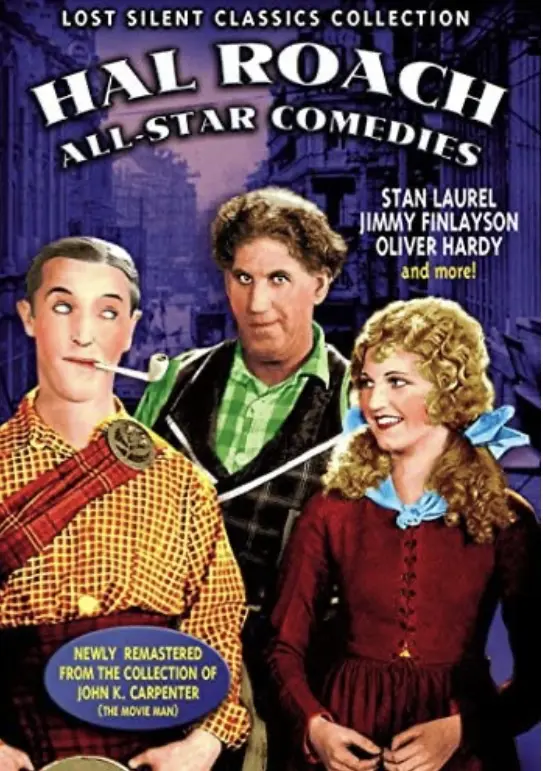
However, do not expect a modern, sophisticated narrative. The plot is thin.
Humor can feel dated or repetitive. It lacks the polish of later, more refined comedies.
Watch it for historical context and Laurel's performance. Skip it if you prefer contemporary humor.
While On the Front Page is undeniably a Stan Laurel vehicle, the supporting cast, though largely playing archetypal roles, is crucial in facilitating his comedy. Lillian Rich, as the unsuspecting Countess, provides the elegant, somewhat oblivious target for Laurel’s machinations. Her portrayal is largely straight, acting as a foil to Laurel's chaotic energy. She embodies the refined world that Laurel's character is desperately trying to disrupt, making his clumsy intrusions all the more comical.
Leo White, as the butler, similarly plays a pivotal, if understated, role. His presence is essential for the 'compromising situation' that Laurel attempts to stage. White’s character, often a figure of rigid decorum, serves as a perfect counterpart to Laurel’s unbridled antics. The humor often arises from the clash between Laurel's desperate, undignified actions and the serene, orderly world inhabited by the Countess and her staff. This dynamic is a classic comedic setup, and the supporting players fulfill their roles admirably, allowing Laurel to shine.
Other cast members like Bill Brokaw and Tyler Brooke, though perhaps with less screen time, contribute to the overall comedic tapestry. Their reactions, or lack thereof, to Laurel's increasingly bizarre behavior further highlight his isolation and desperation. The strength of these supporting roles isn't in their individual character arcs, but in their collective ability to create a believable, if exaggerated, world for Laurel's comedy to unfold within. They are the straight men to Laurel's clown, essential for the gags to land effectively.
It is a common feature of early silent comedies, as seen in films like A Virtuous Vamp, that the star performer carries the narrative, with supporting actors providing the necessary context and reactions. On the Front Page is no exception. The supporting cast effectively grounds the farcical premise, making Laurel’s outlandish plan feel just plausible enough for comedic effect, without ever stealing the spotlight from the lead.
On the Front Page offers a fascinating glimpse into Stan Laurel’s evolving comedic style, predating his legendary partnership with Oliver Hardy. While the film lacks the refined chemistry and structured gags that would define Laurel and Hardy, many of the foundational elements of Laurel’s individual genius are already clearly visible. His character here, a hapless yet determined individual who often creates his own problems, directly foreshadows the 'Stan' persona that audiences would come to adore.
The blend of innocence and cunning, the bewildered expressions, and the intricate physical comedy that often leads to escalating chaos – these are all present in On the Front Page. We see the beginnings of his signature 'slow burn' reactions, where a realization dawns gradually on his face, leading to an often comical, delayed response. This film is a crucial stepping stone, showcasing a comedian honing his craft, experimenting with the very tools that would soon make him a global icon.
One can draw parallels between the relentless, almost self-destructive pursuit of a goal here and the duo’s later misadventures. Whether it’s attempting to build a house or deliver a piano, the Laurel character often initiates a chain of events that spirals out of control, a dynamic clearly in play in this early solo effort. The film underscores that Laurel’s comedic voice was already distinct and fully formed, even if it hadn't yet found its perfect counterpart.
Comparing it to a more polished, character-driven comedy like Ruggles of Red Gap, one can appreciate the raw, almost improvisational feel of On the Front Page. It's less about a carefully constructed narrative arc and more about the sheer comedic energy emanating from Laurel himself. This film is a testament to the fact that even in these formative years, Laurel was a force of nature, laying the groundwork for a legacy that would endure for generations. It shows a craftsman at work, experimenting with the very fabric of screen comedy.
On the Front Page is a fascinating relic, a vibrant snapshot of Stan Laurel’s comedic prowess before he became half of the world's most beloved duo. It's a film that, while undeniably flawed by modern standards, crackles with the raw energy of a performer destined for greatness. Its plot is a flimsy excuse for a series of escalating gags, and its narrative sophistication is minimal, but its historical value and the sheer, unadulterated joy of watching Laurel in full, frantic flight are undeniable.
This isn't a film that will redefine your understanding of cinema, nor will it likely be remembered as a standalone classic in the way some other silent films are. It is, however, an essential piece of the puzzle for anyone tracing the lineage of physical comedy and the development of one of its most iconic practitioners. It’s a headline-grabber for a moment, an entertaining diversion, but not a film that builds a lasting legacy on its own merits.
For those willing to engage with its historical context and appreciate its unpolished charm, On the Front Page offers a delightful, if brief, journey into the chaotic world of early silent film. It’s a testament to the enduring power of a single comedian’s talent to elevate even the simplest of premises. Watch it to see where the magic began; just don't expect a polished gem, but rather a rough, sparkling diamond in the making.
IMDb —
1931
Community
Log in to comment.