DbcultAccessing Vault...
Cult Review
Senior Film Conservator
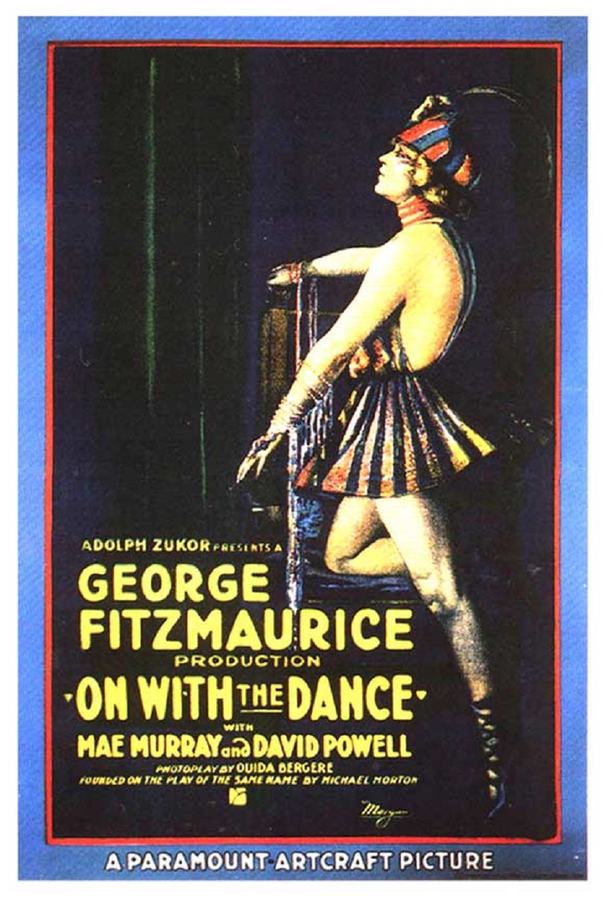
Step back in time to an era of burgeoning modernity and shifting social mores, where the silent screen captured the fervent pulse of human drama. "On with the Dance", a cinematic offering from 1920, plunges viewers into a maelstrom of ambition, romance, and ultimately, tragedy. This isn't merely a film; it's a vibrant, yet melancholic, tableau reflecting the intoxicating allure and inherent dangers of the Jazz Age, a period when traditional values clashed spectacularly with newfound freedoms. The narrative, penned by Michael Morton and Ouida Bergère, is a finely woven tapestry of interconnected lives, each thread pulling taut under the strain of desire and desperation, culminating in a climax that reverberates with the shock of sudden violence. The film's ability to encapsulate such profound human conflict without spoken dialogue speaks volumes about the artistry of early cinema and the compelling power of visual storytelling.
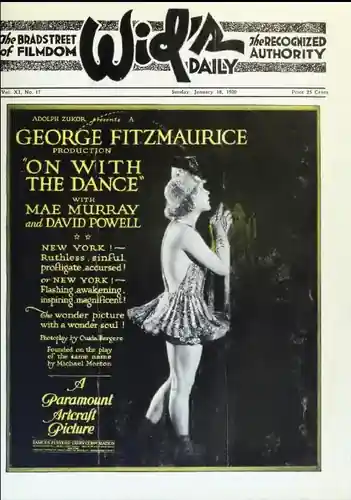
At the heart of this intricate drama is Sonia, portrayed with captivating intensity by Mae Murray. A Russian dancer, Sonia arrives in the vibrant, sprawling metropolis of New York, her spirit brimming with the promise of a new life and the pursuit of fortune. She embodies the quintessential immigrant dream, a yearning for reinvention and prosperity in a land of boundless opportunity. However, beneath the dazzling lights and the seductive rhythm of the city, a more complicated reality awaits. Her initial foray into American life sees her marry Peter Derwynt, a young architect whose earnestness and presumably stable prospects offer a semblance of security. Yet, their union, rather than a blissful haven, quickly reveals itself as a fragile construct, riddled with unspoken dissatisfactions and a simmering lack of true connection. It’s a marriage of convenience, perhaps, or one born of naive hope, destined to buckle under the weight of external pressures and internal voids. The script, while not explicitly detailing the early days of their courtship, masterfully implies the chasm that grows between them, suggesting that Sonia’s grander aspirations simply cannot be contained within the confines of Peter’s more modest world. This early disillusionment sets the stage for the dramatic shifts that follow, painting Sonia not as a villain, but as a woman adrift, searching for something more substantial than mere existence. Her ambition, a double-edged sword, drives her towards a perceived liberation that ultimately ensnares her in a different, more dangerous kind of trap. The film excels at depicting the subtle shifts in her demeanor, from wide-eyed optimism to a growing weariness, subtly hinting at the sacrifices she might be willing to make for a life beyond the ordinary.
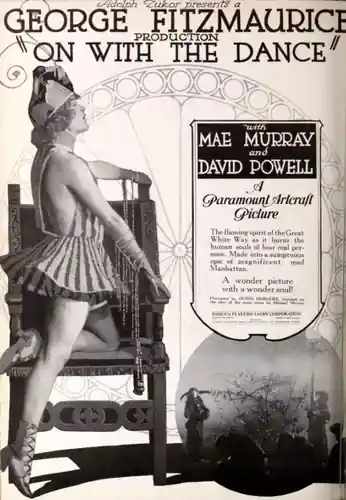
The story takes a dramatic turn with the entrance of Jimmy Sutherland, a powerful Broadway mogul, whose very presence exudes an intoxicating blend of wealth, influence, and danger. David Powell steps into this role with an undeniable charisma, embodying the kind of magnetic figure who could effortlessly sweep a vulnerable soul like Sonia off her feet. Sutherland represents everything Peter Derwynt is not: flamboyant, audacious, and seemingly capable of fulfilling every material desire. Sonia, already disillusioned by her unfulfilling marriage, finds herself irresistibly drawn into his orbit. This isn't just an affair of passion; it's a profound seduction, a journey into a world of glittering luxury and unbridled ambition that she perhaps always craved. The film subtly explores the moral compromises inherent in such a liaison, as Sonia grapples with the ethical implications of her choices against the backdrop of newfound opulence. Her descent into this gilded cage is a fascinating study in human vulnerability and the corrupting influence of power and wealth. The writers, Michael Morton and Ouida Bergère, craft a scenario where the lines between love, lust, and aspiration become increasingly blurred, making Sonia’s predicament all the more poignant and complex. This narrative arc, where a protagonist seeks solace or advancement outside of conventional marital bounds, was a potent theme in early cinema, often reflecting societal anxieties about changing gender roles and the pursuit of individual happiness over traditional duty. The film, through Sonia’s choices, asks profound questions about the true cost of chasing one's desires, particularly when those desires lead one down a path fraught with peril. Sutherland's character is a masterclass in silent-era villainy, his charming facade barely concealing a predatory nature, making his influence over Sonia both understandable and deeply unsettling. The visual contrast between Peter's restrained world and Sutherland's lavish domain serves as a powerful metaphor for Sonia's internal conflict and ultimate choice.
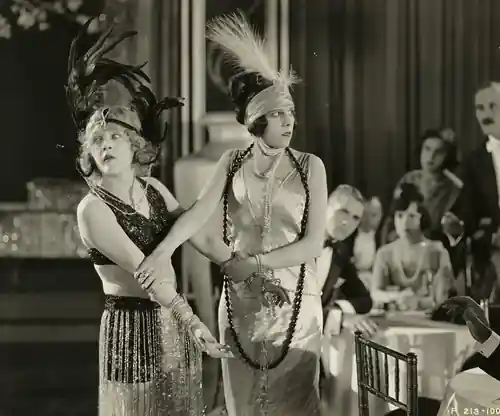
As if the central love triangle weren't intricate enough, the plot thickens with the revelation that Jimmy Sutherland's wife, a character played with understated pathos, harbors a deep, unrequited love for Peter Derwynt. This added layer of complexity transforms the narrative from a simple tale of infidelity into a labyrinthine exploration of interconnected desires and heartbreaks. It's a cruel twist of fate, an ironic mirroring of affections that binds all four characters in a suffocating embrace of longing and resentment. The wife's silent suffering, her devotion to a man who is oblivious to her affection while his own wife is entangled with her husband, creates a powerful undercurrent of tragic irony. This intricate dance of mismatched affections elevates "On with the Dance" beyond mere melodrama; it becomes a profound commentary on the human condition, where desires often clash and unfulfilled longings fuel a cycle of pain. This narrative structure, where multiple characters are caught in a web of emotional entanglement, is reminiscent of dramatic works that explore the intricacies of urban life and the hidden passions beneath societal veneers. The film effectively portrays how these private dramas, when intertwined, can escalate into something far more volatile, hinting at the inevitable catastrophe that looms on the horizon. The tension builds not just from Sonia's affair, but from the palpable, unspoken desires of Sutherland's wife, adding a layer of psychological depth that keeps the audience utterly engrossed. The silent expressions of the wife, her longing glances and resigned gestures, are particularly powerful, communicating volumes about her internal torment and the societal constraints placed upon women of her standing in that era. This quartet of characters, each yearning for something just out of reach, creates a compelling, almost suffocating atmosphere of impending doom.
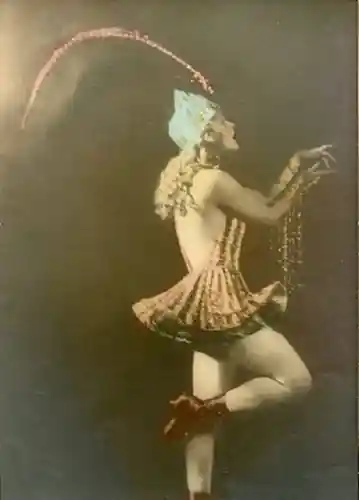
The carefully constructed facade of these intertwined relationships, already teetering on the brink, finally collapses with cataclysmic force. The murder of Jimmy Sutherland serves as the brutal, shocking climax, shattering the illusions of glamour and romance that had enshrouded the characters. This violent act isn't just a plot device; it's the inevitable consequence of unchecked desires, betrayals, and the moral decay that had been subtly simmering beneath the surface. The film, in its silent grandeur, then shifts gears, transforming into a tense mystery, a whodunit where every character becomes a suspect, and every past action is re-examined under the harsh light of scrutiny. The aftermath of the murder forces a stark reckoning, exposing the raw nerves of each individual and laying bare their true motivations and vulnerabilities. It's a dramatic pivot that challenges the audience to piece together the fragments of truth, to understand the complex interplay of events that led to such a devastating conclusion. The writers, through this violent resolution, seem to argue that the pursuit of selfish desires, particularly when they involve betraying the trust of others, carries an inherently destructive potential. The silence of the era, paradoxically, amplifies the tension here; the lack of dialogue forces the actors to convey the shock, fear, and suspicion through exaggerated expressions and body language, making the emotional impact all the more visceral. This tragic culmination isn't just an ending; it’s a profound commentary on the unforgiving nature of fate when human passions run wild, leaving a trail of irreparable damage and shattered lives. The suddenness of the violence underscores the fragility of the carefully constructed social order the characters had attempted to maintain.
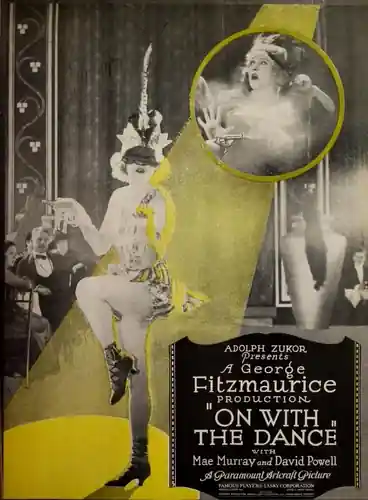
In the silent era, the power of performance rested almost entirely on the actors' ability to convey complex emotions through gesture, facial expression, and physical presence. Mae Murray, as Sonia, delivers a performance that is both nuanced and compelling. Her transformation from an hopeful immigrant to a woman entangled in a web of deceit and passion is rendered with remarkable clarity. Murray's expressive eyes and fluid movements communicate Sonia’s inner turmoil, her moments of joy, and her eventual despair, without uttering a single word. She masterfully navigates the character's internal conflicts, making Sonia a figure of both allure and pathos. Robert Schable, as Peter Derwynt, effectively portrays the earnest, perhaps somewhat naive, architect whose stable world is irrevocably shaken. His quiet strength and bewildered hurt provide a poignant counterpoint to Sonia's more volatile journey, emphasizing the profound impact of her choices on his life. David Powell, as Jimmy Sutherland, is the embodiment of charismatic villainy. He commands the screen with a powerful, almost predatory, charm that makes Sonia's attraction entirely believable, even as his moral ambiguity becomes increasingly apparent. His confident, almost swaggering, presence perfectly captures the essence of a man accustomed to getting what he wants, regardless of the cost to others. The supporting cast, including Zolya Talma, John Miltern, Peter Raymond, Ida Waterman, Holmes Herbert, Alma Tell, and James A. Furey, fill out the world of the film with convincing portrayals, each contributing to the rich tapestry of the narrative. Their collective efforts ensure that the emotional stakes remain high throughout, drawing the audience deeper into the unfolding tragedy. The silent film era demanded a unique kind of acting, one that balanced theatricality with genuine emotion, and the cast of "On with the Dance" rises to this challenge admirably, creating characters that resonate despite the passage of a century, showcasing the enduring power of non-verbal communication in storytelling.
The screenplay by Michael Morton and Ouida Bergère is a testament to the sophisticated storytelling capabilities of the silent film era. Far from being simplistic, the narrative is complex, multi-layered, and psychologically astute. They construct a world where character motivations, though often conveyed through visual cues and intertitles, feel deeply human and relatable. The pacing is deliberate, allowing for the slow burn of relationships and the gradual escalation of tension, which culminates in the shocking murder. The writers demonstrate a keen understanding of dramatic irony, particularly in the parallel affections of Sonia and Sutherland's wife. This mirroring of desires creates a profound sense of tragic inevitability. The dialogue, though unseen, is implied through the actions and reactions of the characters, and the intertitles are used judiciously to advance the plot and reveal crucial internal states, rather than simply narrating events. The structure of the film, moving from the introduction of characters and their initial circumstances to the entanglement of affairs and ultimately to a violent resolution, is a classic dramatic arc executed with considerable skill. Their ability to weave together themes of ambition, class, love, betrayal, and crime within the constraints of the silent medium speaks volumes about their craft. Compared to other films of the era, the complexity of the character relationships here is quite advanced. For instance, while a film like "Sliakot bulvarnaia" might explore the trials of Russian life or immigrant struggles, "On with the Dance" delves into the moral struggles of an immigrant attempting to navigate a new, morally ambiguous high society. The transition of Sonia from a hopeful dancer to a compromised figure is a testament to the writers' ability to craft a compelling, albeit tragic, character arc, revealing the profound costs of her choices. The script's foresight in building such intricate emotional connections and inevitable conflicts is truly remarkable for its time, demonstrating a mastery of narrative construction that transcends the technical limitations of silent cinema.
Released in 1920, "On with the Dance" stands firmly within the burgeoning cinematic landscape of the Jazz Age, a period defined by rapid social change, economic prosperity, and a loosening of traditional moral strictures. The film captures the zeitgeist of the Roaring Twenties, showcasing the glittering allure of New York's high society, the burgeoning nightlife, and the intoxicating pursuit of wealth and pleasure. Sonia's journey from a humble dancer to a woman entangled with a Broadway mogul reflects the era's fascination with upward mobility and the sometimes-perilous paths taken to achieve it. The film subtly critiques the superficiality that often accompanied this pursuit, hinting at the emptiness that can lie beneath a veneer of opulence. It's a period piece that speaks volumes about the anxieties of its time – the changing roles of women, the pressures of urban life, and the moral ambiguities of a society in flux. The themes of betrayal and murder, while timeless, resonate particularly strongly in a post-World War I world grappling with disillusionment and a sense of lost innocence. The film functions as a fascinating cultural artifact, offering a window into the aspirations and fears of a generation caught between tradition and modernity. In its depiction of moral downfall and the consequences of temptation, one might draw parallels to the grand moral allegories seen in films like "Leaves From Satan's Book", though "On with the Dance" grounds its morality play in a more contemporary, urban setting, focusing on individual choices rather than sweeping historical or biblical narratives. Similarly, the urban crime element and the unraveling of a dark secret could be seen as an early precursor to the kind of complex city dramas that would later define films like "Lights of London", though "On with the Dance" imbues its crime with a deeply personal, emotional core, making the societal reflections all the more poignant. The film's portrayal of a woman navigating the treacherous waters of ambition and romance in a rapidly modernizing world makes it a compelling historical document as well as a gripping drama.
While the prompt highlights the writers, it’s imperative to acknowledge the visual direction that brings their script to life. The cinematography, characteristic of the era, relies on strong compositions, dramatic lighting, and often close-ups to emphasize emotional states. The visual language of silent film is a nuanced art form, and "On with the Dance" employs it effectively to convey atmosphere and character. The contrasts between the opulent settings of Sutherland's world and the presumably more modest surroundings of Peter Derwynt underscore the thematic divide between aspiration and stability, visually articulating Sonia's journey from one realm to another. The use of shadow and light would have been particularly effective in creating mood and hinting at the darker undertones of the story, especially as the plot progresses towards its violent climax, imbuing scenes with a sense of foreboding or mystery. The editing, too, plays a crucial role in maintaining narrative momentum and building suspense. The rapid cuts during moments of high drama or revelation would have heightened the emotional impact, while slower, more lingering shots would have allowed the audience to absorb the weight of a character's internal struggle. The overall direction, even without a specific director named, demonstrates a clear vision for translating a complex narrative onto the silent screen, ensuring that the visual storytelling is as compelling as the written plot. This era of filmmaking was pioneering in its approach to visual rhetoric, and this film, by all accounts, leverages those emerging techniques to tell a powerful story. The careful framing of Mae Murray’s performances, in particular, would have been key to conveying Sonia’s shifting allegiances and emotional turmoil, making her journey relatable even without spoken words. The entire production works in concert to build a world that, despite its lack of sound, pulsates with life, desire, and impending doom, showcasing the sophisticated visual grammar developed by early filmmakers.
Ultimately, "On with the Dance" stands as a compelling artifact from the silent film era, a testament to the power of visual storytelling and the enduring appeal of human drama. It’s a film that speaks to universal themes of ambition, the intoxicating nature of forbidden love, the bitter sting of betrayal, and the tragic consequences of unchecked desires. While it may not possess the grand scale of some epic productions of its time, its strength lies in its intimate portrayal of personal tragedy unfolding against a backdrop of societal change. The performances are captivating, the narrative is tightly constructed, and the emotional resonance remains potent even a century later. For those interested in the evolution of cinema, or simply in a gripping tale of human folly and fate, "On with the Dance" offers a rich and rewarding viewing experience. It reminds us that long before dialogue dominated the screen, filmmakers were crafting intricate, emotionally charged stories that continue to captivate and provoke thought. The film’s ability to evoke such strong feelings without a single spoken word is a powerful reminder of the artistry inherent in silent cinema, urging modern audiences to look beyond the perceived limitations of the medium and appreciate its unique strengths. It's a journey into the heart of human passion and its devastating aftermath, proving that some stories are timeless, regardless of how they are told. The intricate web of relationships, culminating in a violent act, leaves a lasting impression, cementing its place as a significant, albeit often overlooked, piece of early cinematic history, deserving of renewed attention for its potent drama and masterful execution.
IMDb —
1931
Community
Log in to comment.