DbcultAccessing Vault...
6/10
Senior Film Conservator
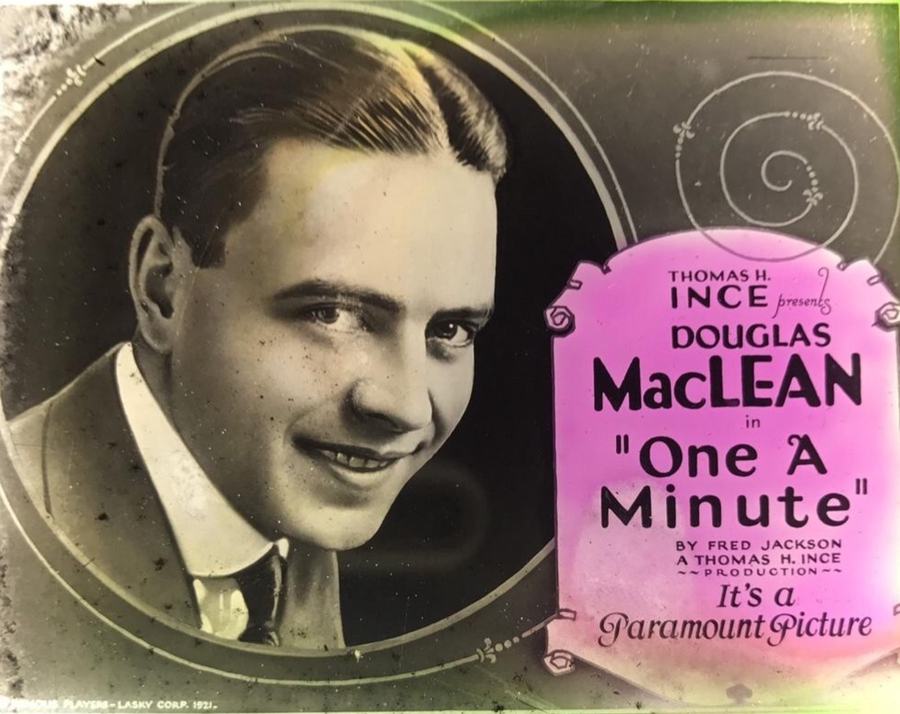
A definitive 6/10 rating for a film that redefined the boundaries of cult cinema. One a Minute remains a cornerstone of transgressive art.
One a Minute (1926), a film that oscillates between farce and moral inquiry, presents a world where the line between charlatan and visionary blurs with disarming ease. Directed with a deft hand by Frederick J. Jackson and Joseph F. Poland, the narrative hinges on the audacious premise of a young man—whose name, like many of his contemporaries, is both a cipher and a symbol—leveraging the adage 'There’s one born every minute' to peddle a fraudulent pharmaceutical marvel. The film’s title, a play on both temporal inevitability and human credulity, sets the stage for a comedic yet unsettling exploration of how easily society can be duped by the allure of quick fixes.
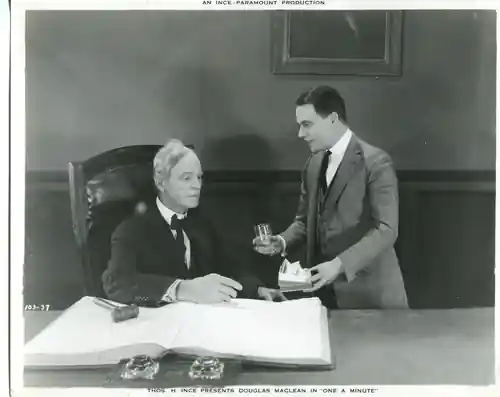
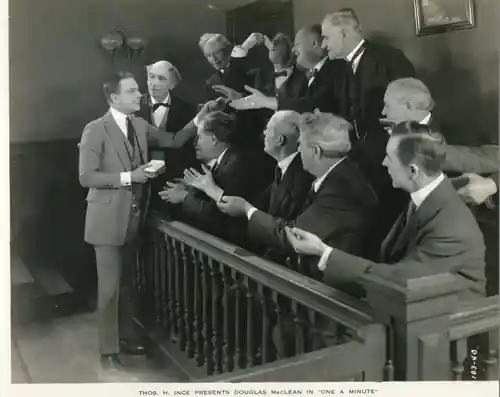
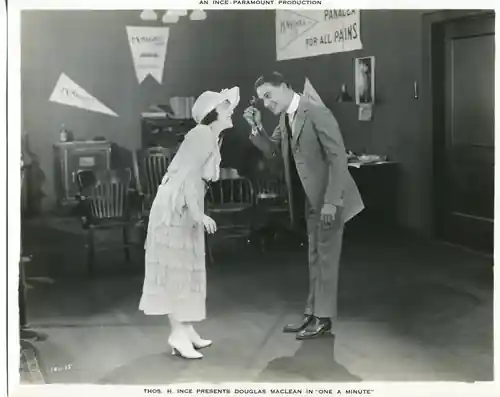
The protagonist, embodied with a blend of charm and self-awareness by Douglas MacLean, inherits a struggling drugstore, a relic of a bygone era that clings to legitimacy through its physical presence alone. His decision to concoct a 'miracle cure-all powder' is not born of malice but desperation—a reflection of the precarious economic climate that necessitates creative, albeit unethical, solutions. The powder, a visual gag in itself (a simple mix of flour, chalk, and a dash of glitter for effect), becomes a narrative device to dissect the psychology of those who seek salvation in bottles and jars. Frances Raymond’s portrayal of a skeptical yet financially strapped widow, and Georgia Sherart’s embodiment of a naive but well-meaning schoolteacher, offer contrasting perspectives on the powder’s appeal, enriching the film’s tapestry of human behavior.
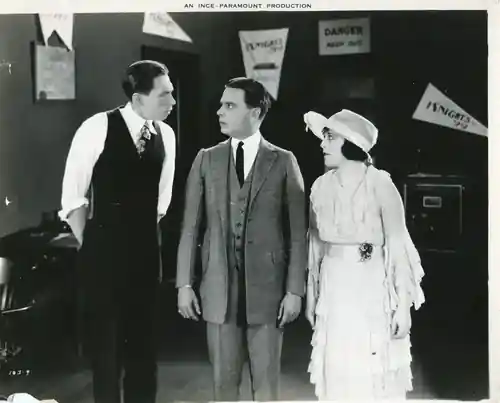
What elevates One a Minute beyond mere comedic caricature is its nuanced commentary on the mechanisms of trust. The film juxtaposes the protagonist’s initial hesitance with his gradual embrace of deception, mirroring the seductive pull of profit. Each customer interaction is a masterclass in silent film storytelling: a raised eyebrow, a furtive glance, or a exaggerated gesture conveys the transactional dance between seller and buyer. The powder’s ‘effects’—ranging from the absurd (a farmer’s cow producing milk-flavored soda) to the tragicomically mundane (a hypochondriac’s sudden confidence in their own immunity)—serve as both punchlines and parables. These vignettes, while rooted in slapstick, are layered with subtext about the societal structures that enable and perpetuate such fraud.
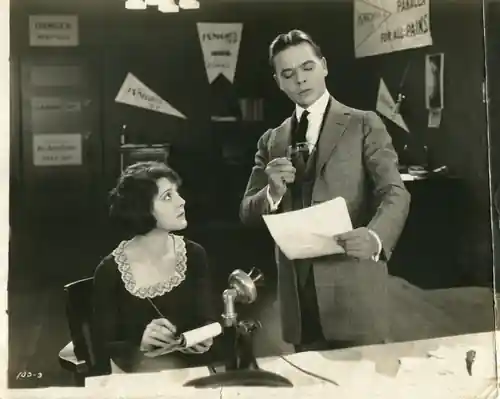
The film’s visual language is equally noteworthy. The drugstore, bathed in the warm glow of period-appropriate lighting, becomes a stage where the mundane transforms into the theatrical. Graham Pettie’s cinematography captures the cramped, cluttered space with a sense of claustrophobic intensity, emphasizing the protagonist’s isolation amid his moral compromise. The use of shadows and high-contrast lighting during scenes of clandestine powder preparation evokes a noirish tension, hinting at the darker undercurrents beneath the film’s comedic surface. This stylistic choice, while perhaps unintentional, aligns One a Minute with the emerging trends in cinematic realism that sought to marry entertainment with social critique.
Comparisons to The Despoiler (1926) are apt, as both films dissect the human capacity for self-deception, albeit through different genres. While The Despoiler leans into the thriller’s suspense, One a Minute employs humor as its primary dissection tool. The former’s exploration of greed in a mining context finds a thematic echo in the latter’s portrayal of pharmaceutical opportunism. Similarly, the film’s critique of consumerism resonates with The Woman in the Suitcase (1926), which examines the darker side of materialism through a crime narrative. These parallels underscore the era’s preoccupation with societal decay and the commodification of human needs.
At its heart, One a Minute is a film about the duality of human nature: the simultaneous desire to believe and the capacity to be deceived. The protagonist’s arc—from reluctant inheritor to unapologetic huckster—mirrors the audience’s own complicity in the stories we consume. The film’s climax, where the façade of the powder’s efficacy is shattered by an unexpected but inevitable revelation, is both cathartic and cautionary. It does not vilify the protagonist outright but instead positions him as a tragicomic figure, caught between survival instincts and ethical considerations. This ambiguity is a hallmark of the film’s sophistication, allowing it to transcend the typical tropes of silent-era narratives.
The supporting cast deserves particular mention. Marion Ruggles, as a sharp-tongued journalist determined to expose the fraud, brings a levity and moral clarity that contrasts with the protagonist’s moral ambiguity. Her scenes, particularly those involving a mock press conference where she inadvertently promotes the powder’s popularity, highlight the film’s meta-commentary on media’s role in amplifying or dismantling myths. Similarly, Patsy Ruth Miller’s cameo as a wide-eyed tourist, whose purchase of the powder becomes a viral sensation in the film’s universe, underscores the cross-cultural appeal of easy solutions to complex problems.
Technically, the film is a testament to the ingenuity of early cinema. The use of intertitles is both sparse and effective, allowing the visuals to carry the narrative weight. This restraint is particularly evident in the scene where the protagonist watches a customer’s reaction to the powder through a two-way mirror—a sequence that relies entirely on facial expressions to convey the duality of exploitation and hope. Such moments reveal the filmmakers’ confidence in their medium’s ability to communicate without over-explaining.
In the broader cinematic landscape, One a Minute occupies a unique space. It is neither a straightforward comedy nor a moralistic diatribe but a hybrid that defies easy categorization. This duality is reflective of the 1920s’ cultural milieu, a time when audiences were increasingly discerning yet susceptible to the allure of spectacle. The film’s legacy can be seen in later works that grapple with the intersection of commerce and ethics, such as The Profiteers (1927), which similarly explores the consequences of opportunism during crises.
Ultimately, One a Minute remains a curious artifact of its time, offering insights that are both historically specific and universally relevant. Its examination of how belief systems can be manipulated for profit finds new resonance in today’s context of misinformation and pharmaceutical controversies. While the film’s silent format may distance modern viewers, its themes of trust, deception, and the human tendency to seek quick fixes are as pertinent as ever. For scholars and cinephiles alike, it is a reminder of the silent era’s capacity for nuanced storytelling, wrapped in the simplicity of visual humor.
For those interested in exploring similar works, The Dazzling Miss Davison (1926) provides a contrasting take on female agency in the face of societal expectations, while Around the World in 80 Days (1956) expands the theme of global deception across a grander scale. Both films, though distinct in tone and era, echo One a Minute’s preoccupation with the tension between individual ambition and collective well-being.
IMDb 6.4
1934
Community
Log in to comment.