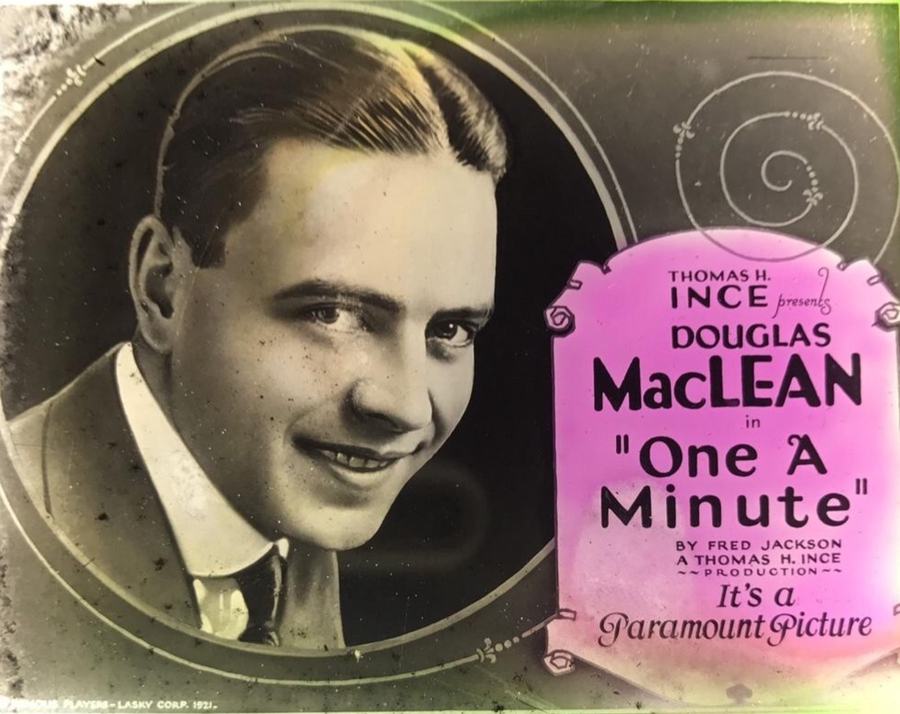
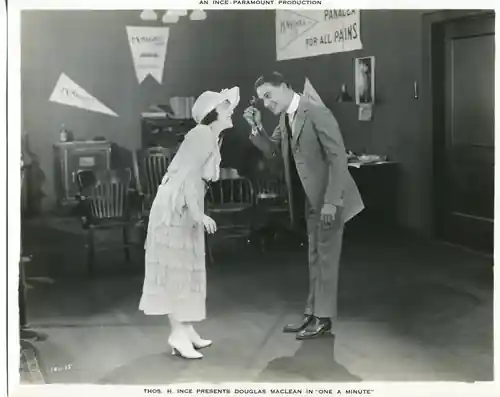
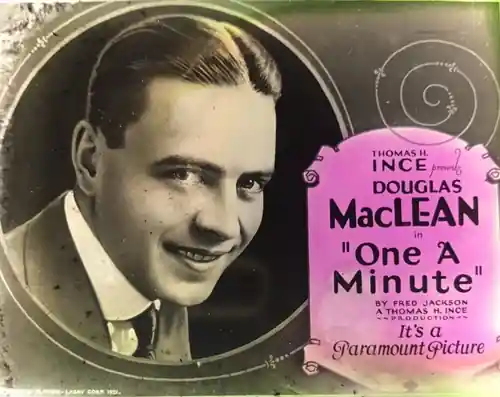
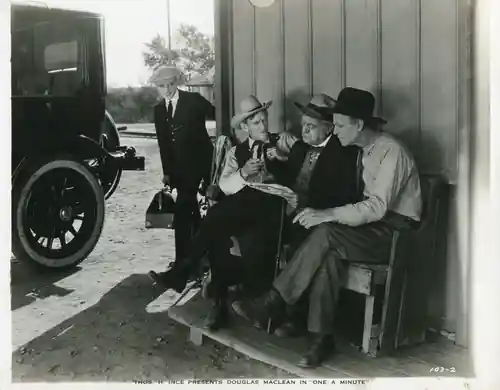
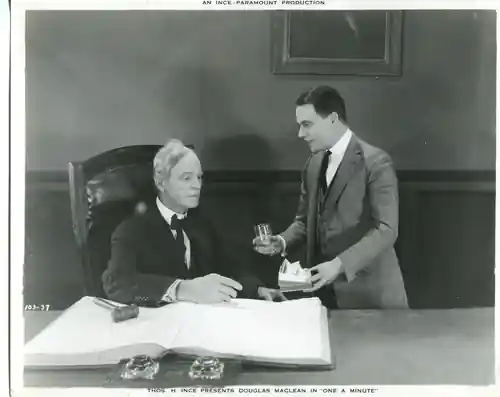
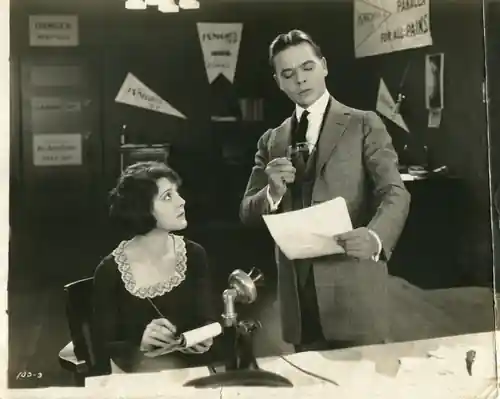
Putting Barnum's axiom "There's one born every minute" to the test, a young man tries to boost business at his newly inherited drug store by concocting and selling a phony miracle cure-all powder..
One a Minute (1926), a film that oscillates between farce and moral inquiry, presents a world where the line between charlatan and visionary blurs with disarming ease. Directed with a deft hand by Frederick J. Jackson and Joseph F. Poland, the narrative hinges on the audacious premise of a young man—whose name, like ma...
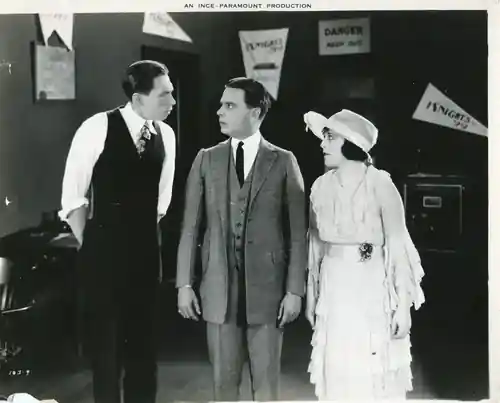
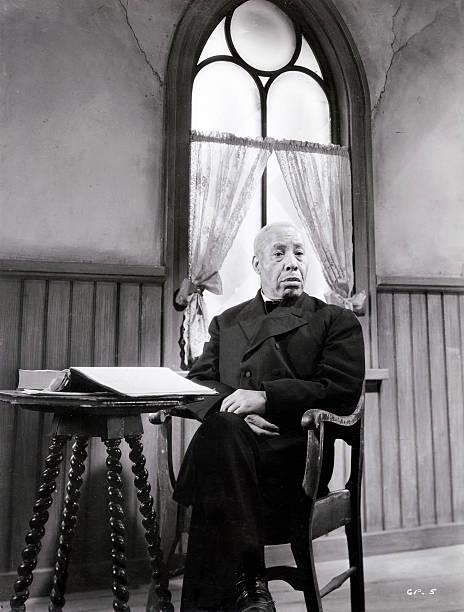
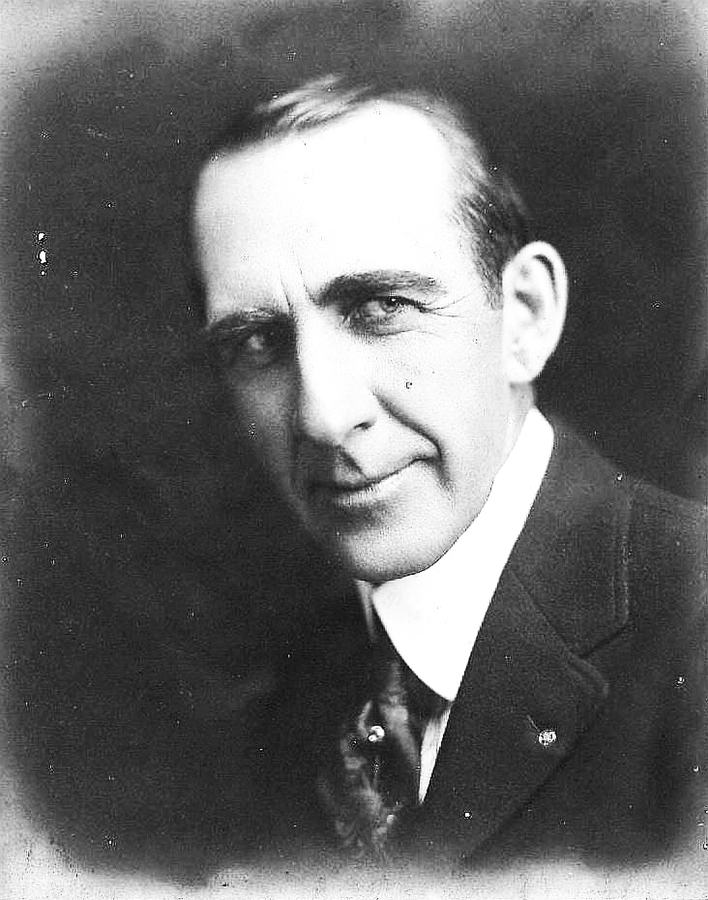
still_frame
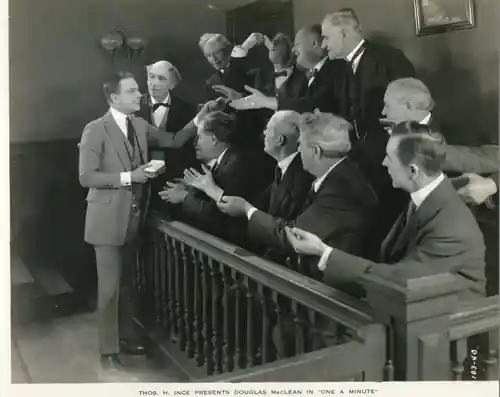
still_frame
still_frame
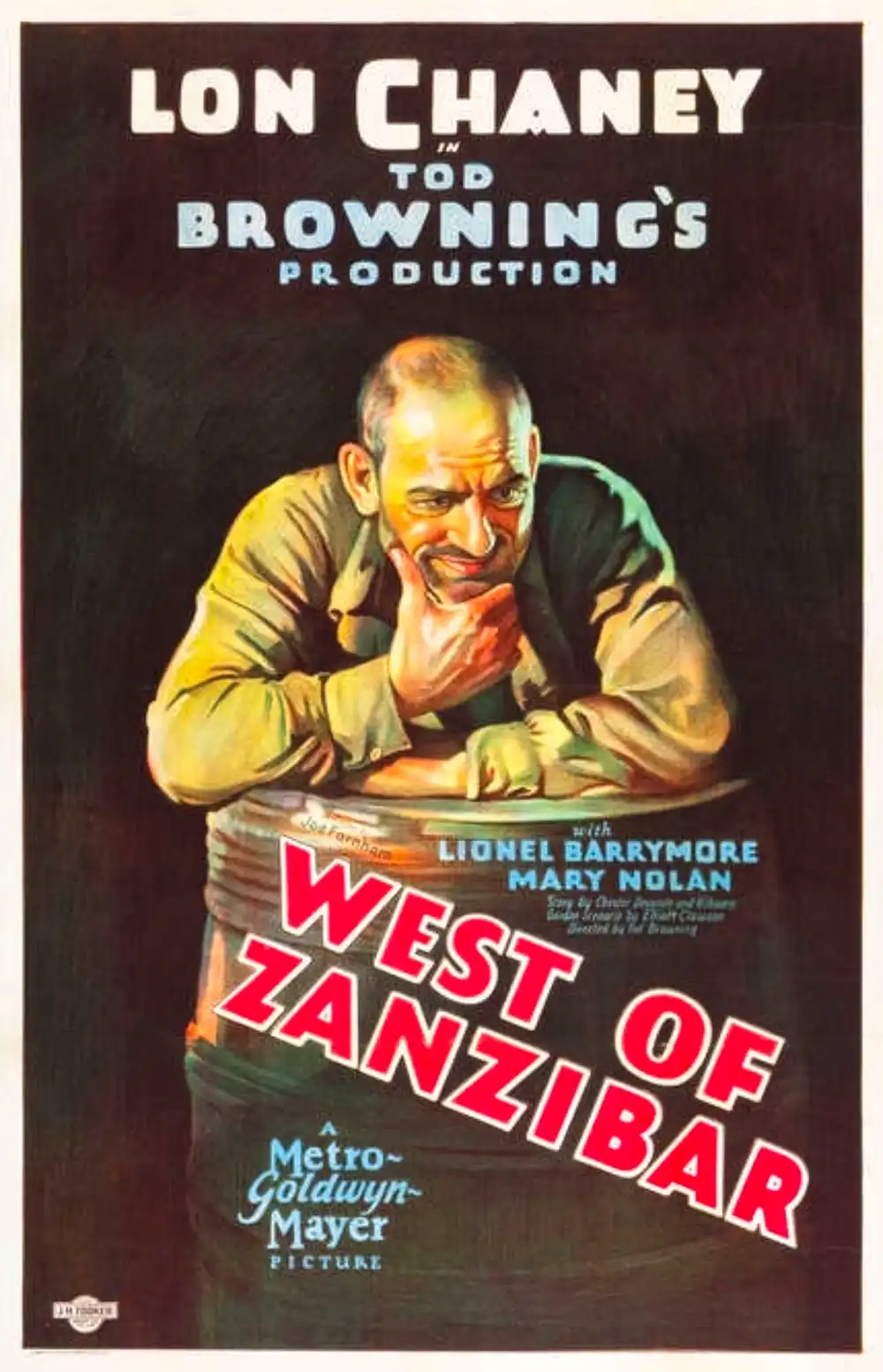
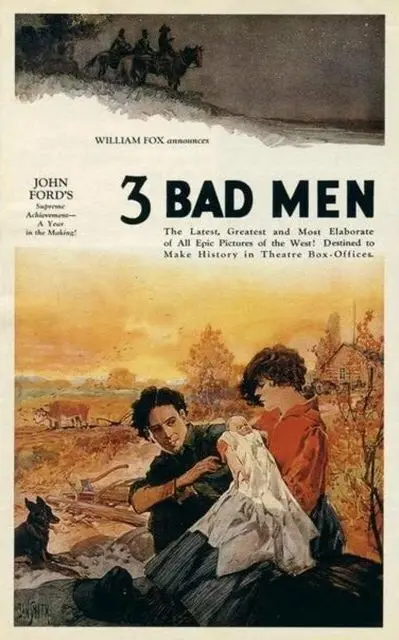
production_art
still_frame
still_frame
still_frame

still_frame
Comparing the cinematic DNA and archive impact of two defining moments in cult history.
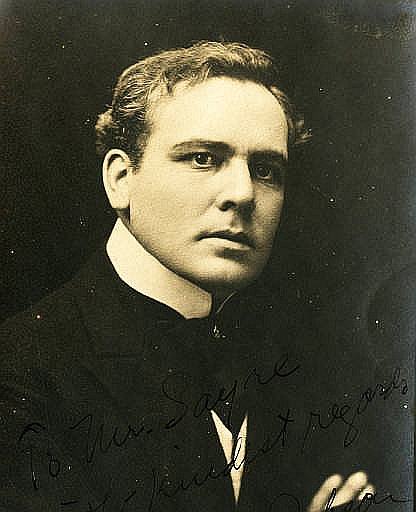
Jack Nelson

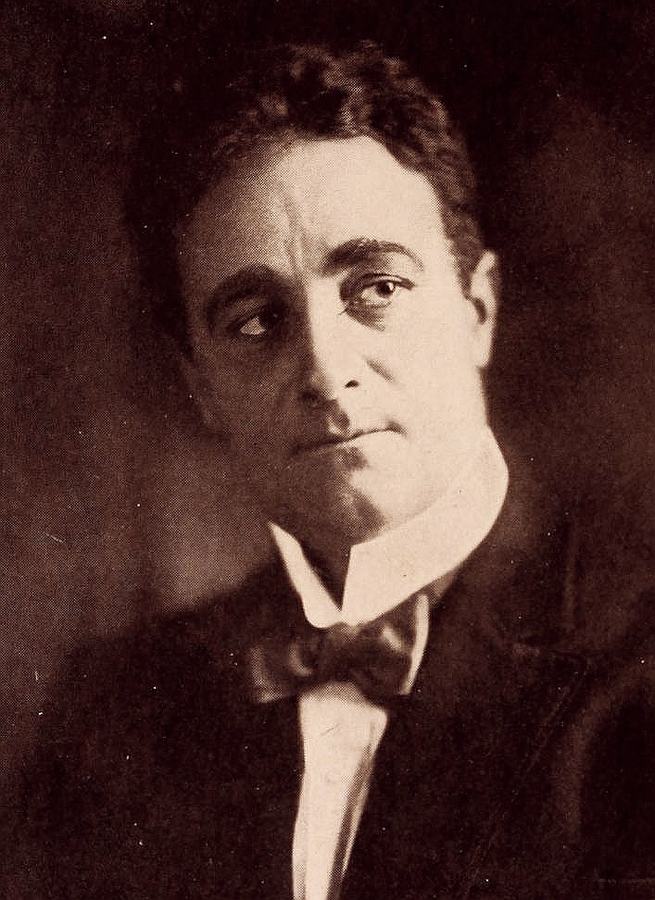
Robert Thornby
Community
Log in to comment.
"One a Minute (1926), a film that oscillates between farce and moral inquiry, presents a world where the line between charlatan and visionary blurs with disarming ease. Directed with a deft hand by Frederick J. Jackson and Joseph F. Poland, the narrative hinges on the audacious premise of a young man—whose name, like many of his contemporaries, is both a cipher and a symbol—leveraging the adage 'There’s one born every minute' to peddle a fraudulent pharmaceutical marvel. The film’s title, a play ..."
Frederick J. Jackson, Joseph F. Poland
United States
Deep dive into the cult classic
Discover similar cinematic experiences
A Directorial Spotlight on Jack Nelson