DbcultAccessing Vault...
6/10
Senior Film Conservator
A definitive 6/10 rating for a film that redefined the boundaries of cult cinema. From Rags to Britches remains a cornerstone of transgressive art.
Is 'From Rags to Britches' worth watching today? Short answer: yes, but with significant caveats that demand a specific palate. This silent-era short is a delightful, if somewhat predictable, dive into early cinematic farce, ideal for those who appreciate the foundational elements of screen comedy.
It's a film primarily for silent film aficionados, comedy historians, and anyone eager to witness Billy Bevan at the height of his physical comedic prowess. However, it's definitively not for viewers seeking complex narratives, deep character development, or a pace that aligns with modern comedic timing or sensibilities.
This film works because of its relentless physical comedy and Billy Bevan's magnetic, rubber-faced performance. He embodies the frantic energy required for such a premise, carrying much of the film's charm and making even predictable gags land with surprising efficacy.
This film fails because its plot, while a solid comedic setup, rarely transcends its initial premise, leading to a somewhat repetitive comedic rhythm and underdeveloped supporting characters who exist solely to facilitate Bevan's antics rather than contribute meaningful depth.
You should watch it if you have a genuine interest in the evolution of slapstick, cherish the unique artistry of silent cinema, and are prepared for a brisk, unpretentious comedic experience that prioritizes laughter over narrative profundity.
The year 1927 was a pivotal one for cinema, standing on the cusp of the sound revolution. Yet, amidst this seismic shift, the silent short comedy continued to thrive, perfecting a brand of physical humor that had captivated audiences for decades. 'From Rags to Britches', directed by Del Lord and written by a team including Al Giebler and Felix Adler, is a prime example of this enduring art form, showcasing the inimitable talents of Billy Bevan.
This film doesn't aim for the epic scale of a contemporary like 'Around the World in 80 Days'; instead, it revels in the confined chaos of its central premise. It’s a tightly wound spring of comedic tension, built entirely around a single, absurd stipulation. The genius of these shorts often lay in their simplicity, allowing the performers to elevate basic concepts into laugh-out-loud moments through sheer physical prowess and impeccable timing.
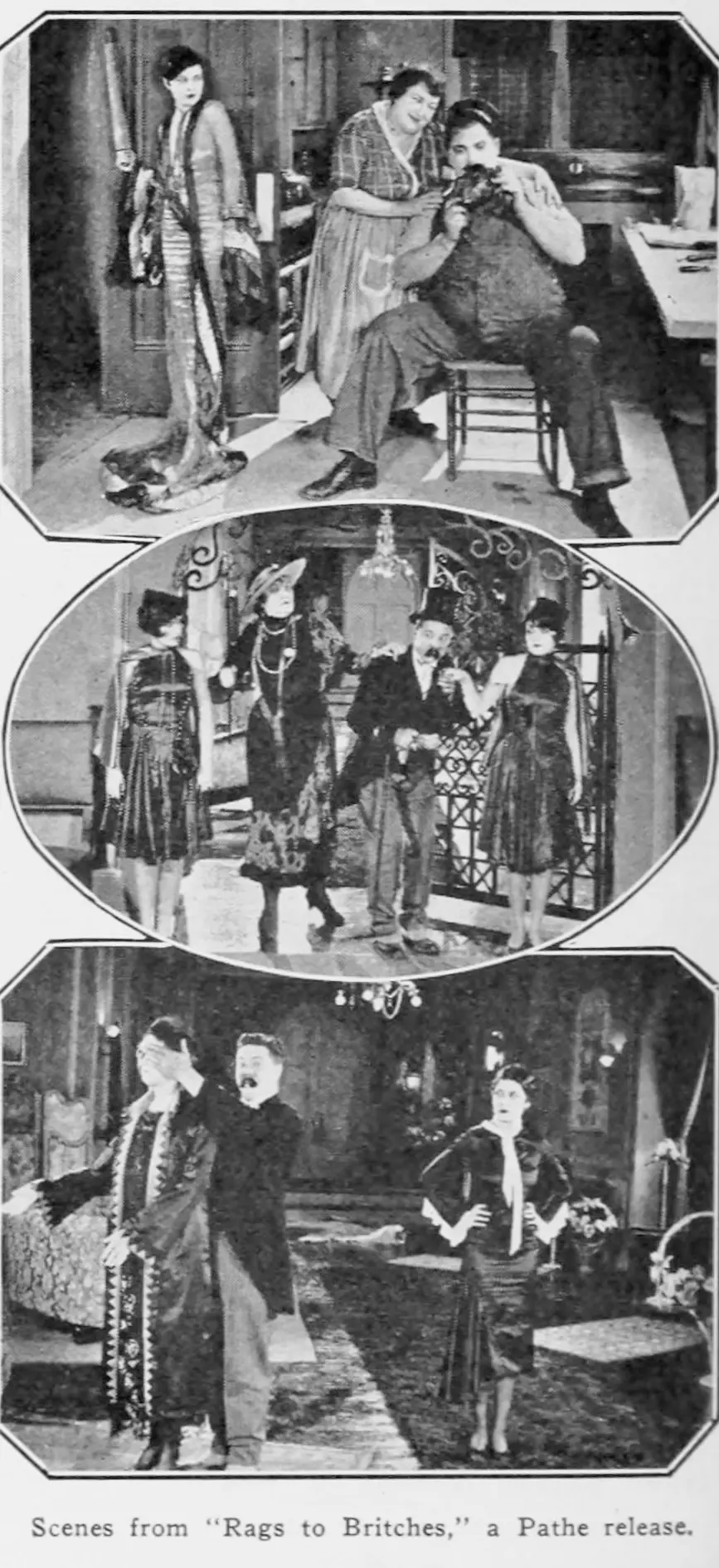
What we find here is a distillation of classic slapstick, a genre that prioritizes the immediate, visceral reaction of laughter over intricate plotting. It's a film that, despite its age, still manages to elicit chuckles, reminding us of the timeless appeal of a good old-fashioned predicament. One could argue that its very brevity and lack of pretension are its greatest strengths, allowing it to deliver its comedic payload without overstaying its welcome.
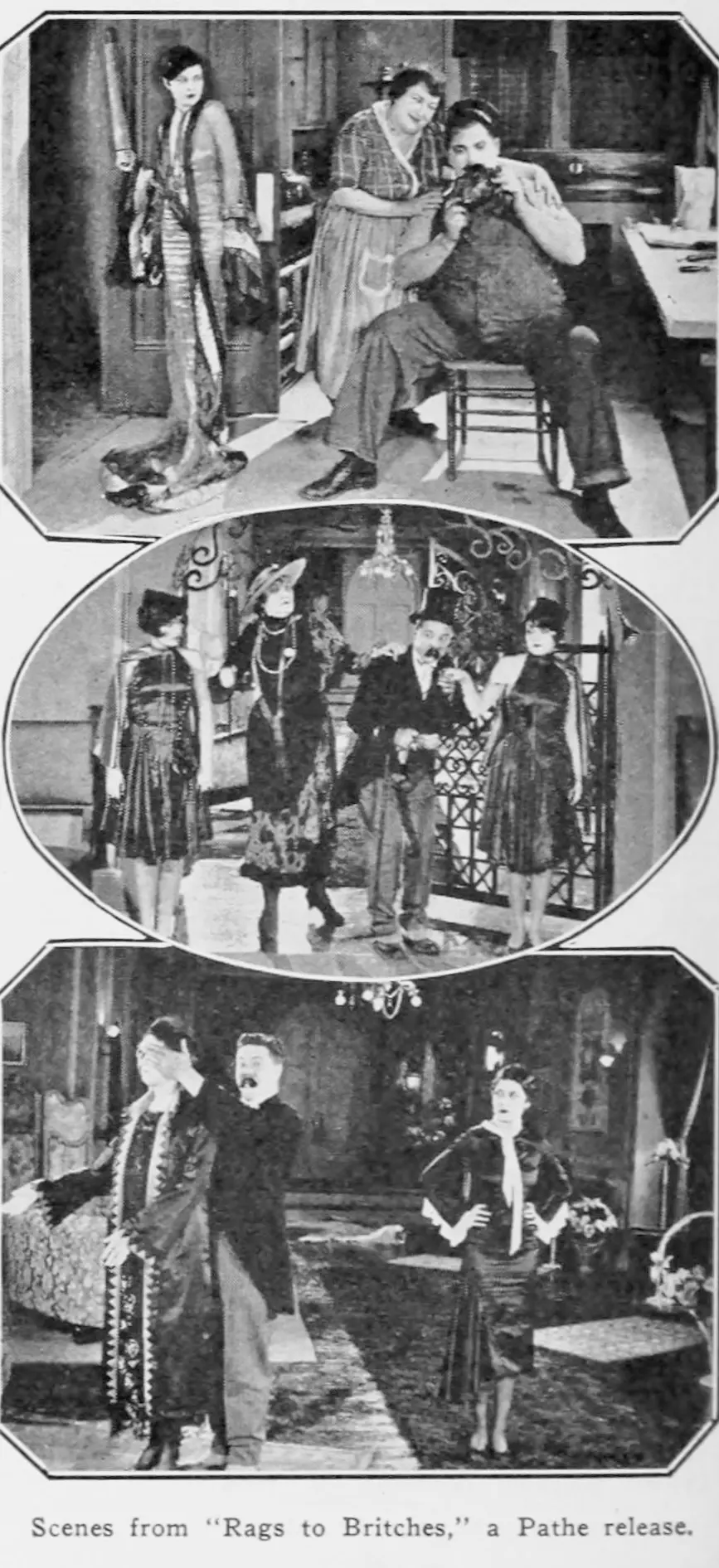
Billy Bevan, a perennial everyman of the silent screen, finds his mundane existence dramatically upended by an inheritance of a grand department store. This sudden windfall, however, comes with a rather inconvenient stipulation: he must appear unmarried to claim his new empire. The immediate comedic friction arises from the fact that Bevan is, in fact, very much married, and his wife, played by Sunshine Hart, is not one to be easily sidelined or deceived.
What ensues is a frantic, often absurd, ballet of deception as Bevan attempts to juggle his new persona as a wealthy bachelor with the ever-present reality of his domestic life. The department store itself becomes a sprawling, multi-level stage for his increasingly desperate attempts to hide his wife from prying eyes, particularly those of the stern executor and a bevy of flirtatious female customers.
The narrative, while straightforward, is an excellent vehicle for Bevan’s brand of physical comedy. It places him in a constant state of panic and improvisation, forcing him to engage in ludicrous antics to maintain his charade. This kind of plot, where a simple lie snowballs into an avalanche of complications, is a cornerstone of classic farce, and 'From Rags to Britches' executes it with a commendable, if predictable, rhythm. It's a testament to the writers' ability to craft a scenario ripe for visual gags.
Bevan’s performance is the undeniable anchor of 'From Rags to Britches'. He possesses a rubbery elasticity, a face capable of conveying a dozen emotions in a single blink, from wide-eyed panic to sheepish duplicity. His entire body is a comedic instrument, flailing, tripping, and contorting with an effortless grace that belies the precision required for such physical gags.
Consider the scene where he attempts to hide his wife in plain sight amidst the department store’s mannequins – his subtle shifts in posture, the darting glances, and the exaggerated whispers are pure physical poetry. It’s a masterclass in non-verbal communication, proving that a truly skilled silent actor can build a character's entire internal world without uttering a single word. Bevan isn't merely reacting; he's actively creating a persona of frantic desperation.
Compared to the more melancholic everyman of Chaplin or the stoic ingenuity of Keaton, Bevan’s style leans into pure, unadulterated chaos. He’s less concerned with social commentary and more with the immediate, visceral laugh derived from a man on the brink of collapse. His ability to maintain this level of energy throughout the short is remarkable, making every frame he occupies a potential source of humor. It’s a performance that, even today, feels fresh in its commitment to the absurd.
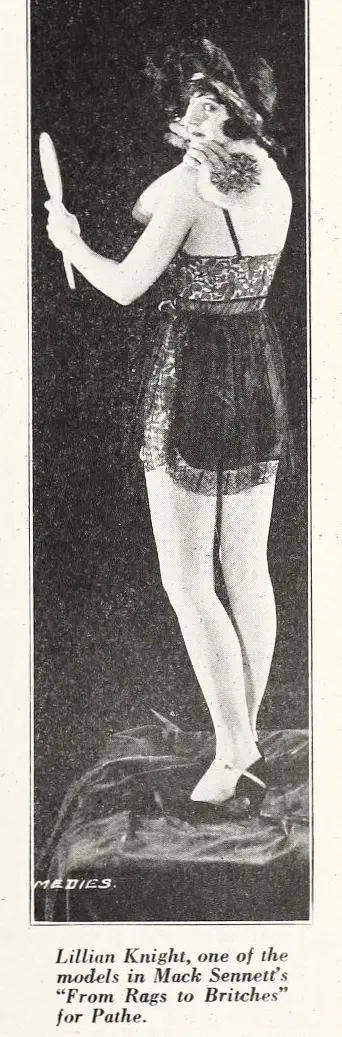
I'd argue that Bevan's unique contribution to silent comedy is often undervalued. While he might not have the same iconic status as his contemporaries, his dedication to the craft of physical humor is undeniable. He understands the mechanics of a gag, from the setup to the payoff, and executes each one with a delightful blend of exasperation and exaggerated effort that remains genuinely funny.
Del Lord, a veteran of short comedies and a key figure in the Hal Roach studios, directs 'From Rags to Britches' with a keen understanding of slapstick timing. The pacing is relentlessly brisk, moving from one farcical predicament to the next without lingering, ensuring the audience is constantly engaged in Bevan's escalating dilemma. Lord’s direction ensures that the comedic momentum never falters.
Lord’s camera work, while not groundbreaking in its technicality, is highly effective in capturing the frenetic energy of the piece. He often employs wide shots to allow Bevan’s full body comedy to shine, such as the sequence where Billy repeatedly trips over unseen obstacles while trying to escort a potential female suitor. These wider frames emphasize the physical absurdity of the situation, allowing the viewer to absorb every flailing limb and panicked expression.
There's a particular charm in the way the department store itself becomes a character, its various departments serving as convenient hiding spots or stages for escalating misunderstandings. The camera tracks Bevan as he darts through clothing racks, behind display cases, and into fitting rooms, each location offering a new opportunity for a close call with discovery. The tone is light and frothy, perfectly matched to the comedic intent, never veering into genuine drama or tension.
The cinematography, though simple by today's standards, perfectly serves the narrative. It's clean, functional, and allows the performances and gags to take center stage. There are no flashy tracking shots or elaborate lighting schemes; instead, Lord opts for clarity, ensuring that every comedic beat is visible and understandable. This directness is part of the charm of silent cinema, allowing the visual storytelling to speak for itself without distraction.
While Billy Bevan is the undisputed star, the supporting cast, particularly Sunshine Hart as his long-suffering wife, provides necessary comedic foils. Hart’s performance is characterized by a wonderfully indignant frustration, her eyes often narrowed in suspicion as she observes her husband’s increasingly outlandish behavior. She’s not just a plot device; she embodies the audience's grounded perspective amidst Bevan’s chaos, her reactions often mirroring our own incredulity.
The array of other characters, including Thelma Hill, Tiny Ward, and Ruth Taylor, from the stern executor to the various flirtatious women in the department store, serve more as archetypes than fully fleshed-out individuals. They are there to trigger gags, to be tripped over, or to misunderstand Bevan’s frantic signals. Their roles are functional, designed to propel the plot forward and provide obstacles for Bevan's deception. This can sometimes make the ensemble feel less like a cohesive unit and more like a collection of props, a common trait in many silent shorts like 'A Poor Fish', which also relied heavily on its lead's singular charisma.
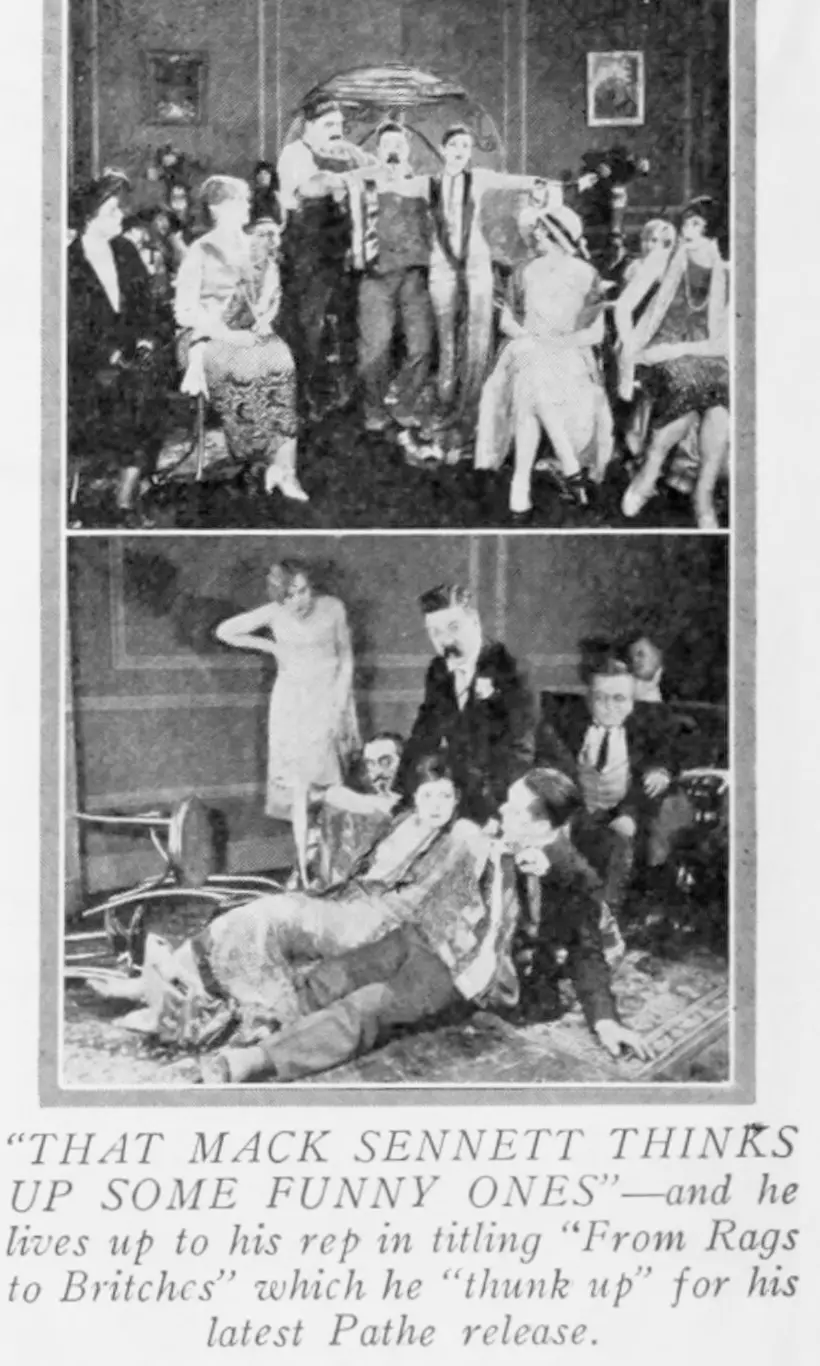
However, even within these archetypal roles, there are moments of genuine comedic contribution. The way certain characters react with wide-eyed shock or oblivious charm adds to the overall tapestry of absurdity. For instance, the sheer obliviousness of the potential female suitors, constantly interrupting Bevan’s attempts to hide his wife, amplifies the comedic tension. It's a testament to the skill of these character actors that they can make such brief appearances memorable.
I'd contend that the film, despite its comedic intent, inadvertently highlights the superficiality of social status and the lengths people will go to maintain appearances. The supporting characters, in their pursuit of wealth or flirtation, become unwitting participants in Bevan's charade, revealing a societal preoccupation with image that transcends the film’s slapstick premise. It's an unconventional observation, perhaps, for a film so dedicated to simple laughs, but one worth considering.
Yes, 'From Rags to Britches' absolutely holds historical and entertainment value today. It’s a foundational piece of slapstick comedy, showcasing the talents of one of the era’s most prolific comedians.
The film offers a direct look into the comedic sensibilities of the 1920s, a period of rapid social and cultural change reflected in its vibrant, if sometimes dated, humor. Its brevity makes it an easy watch, perfect for a quick historical cinema fix or a lighthearted diversion.
For those interested in film history, particularly the evolution of comedy and the art of silent performance, it's a must-see. For casual viewers, it's a pleasant diversion, offering genuine laughs without demanding deep intellectual engagement. It works. But it’s flawed.
It’s a film that demands a certain level of appreciation for its historical context. While some gags might feel slow or predictable to modern audiences accustomed to rapid-fire dialogue and visual effects, the sheer energy and commitment of Bevan remain infectious. It's a delightful snapshot of an era, a vibrant testament to the power of pure physical comedy.
IMDb —
1919
Community
Log in to comment.