DbcultAccessing Vault...
6.3/10
Senior Film Conservator
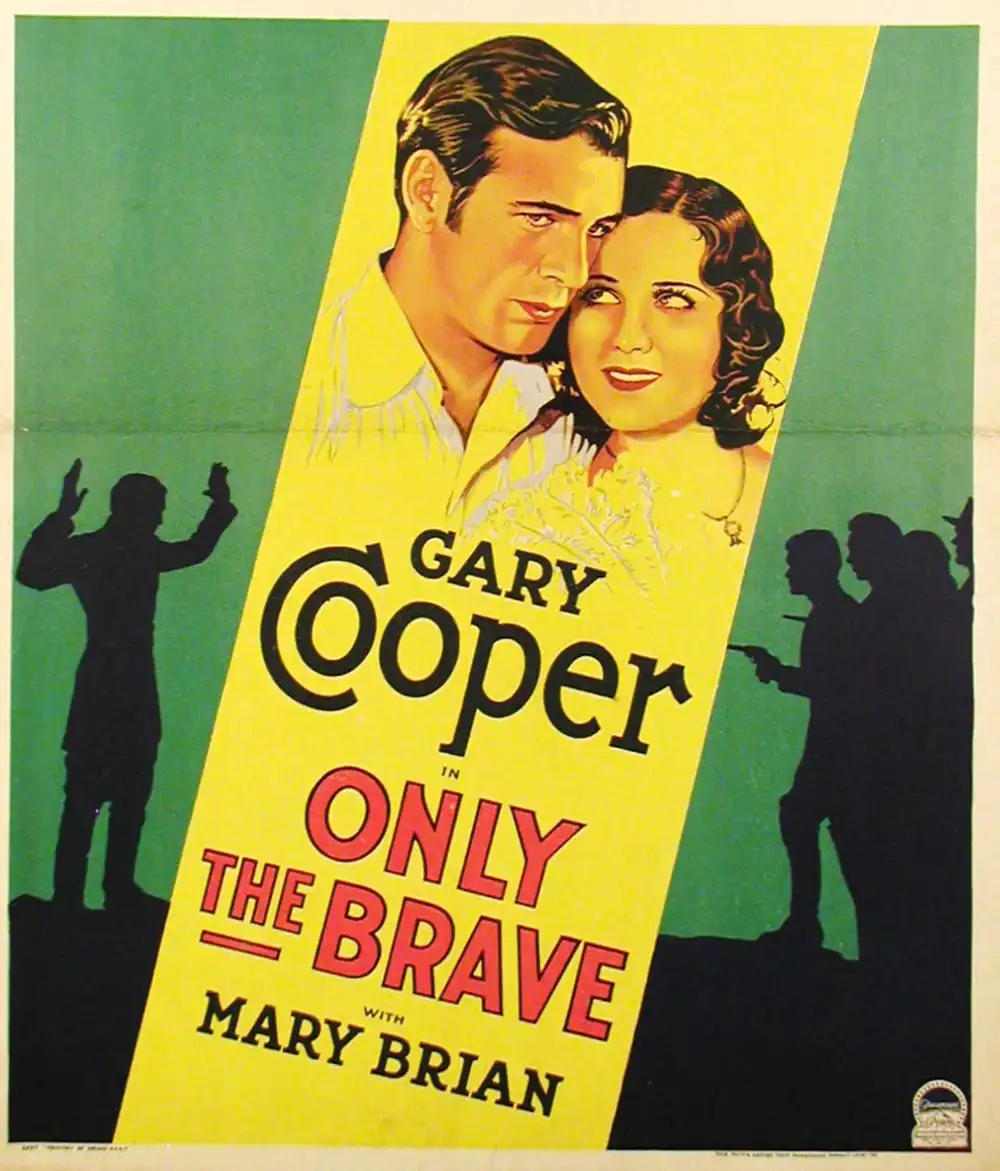
A definitive 6.3/10 rating for a film that redefined the boundaries of cult cinema. Only the Brave remains a cornerstone of transgressive art.
"Only the Brave," from way back in 1930, isn't really for your casual Friday night moviegoer, let's be honest. If you're into seeing how early Hollywood handled big dramas, or you're a serious Gary Cooper completist, then sure, give it a shot. Otherwise, folks looking for modern pacing or nuanced character stuff might find it a bit of a slog. It's a snapshot, really. 📸
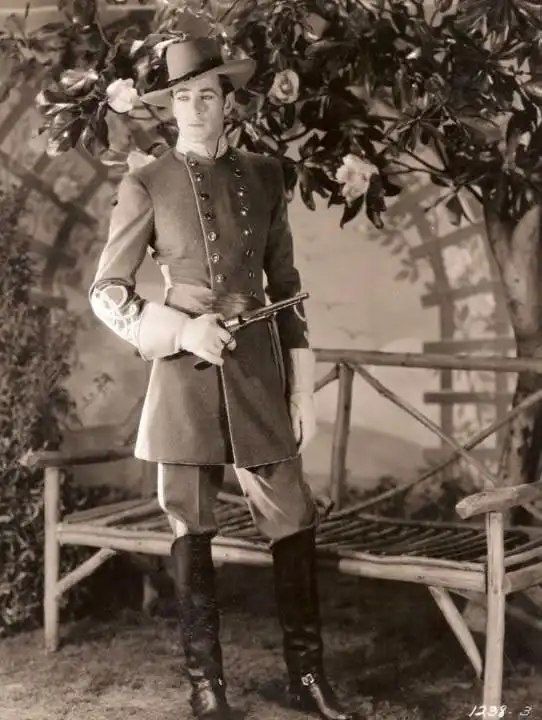
So, Cooper plays this Union captain who decides, you know, being a spy sounds like a good idea. He just kind of *volunteers*, and then he’s off. No real elaborate setup or anything, which is kinda funny by today's standards.
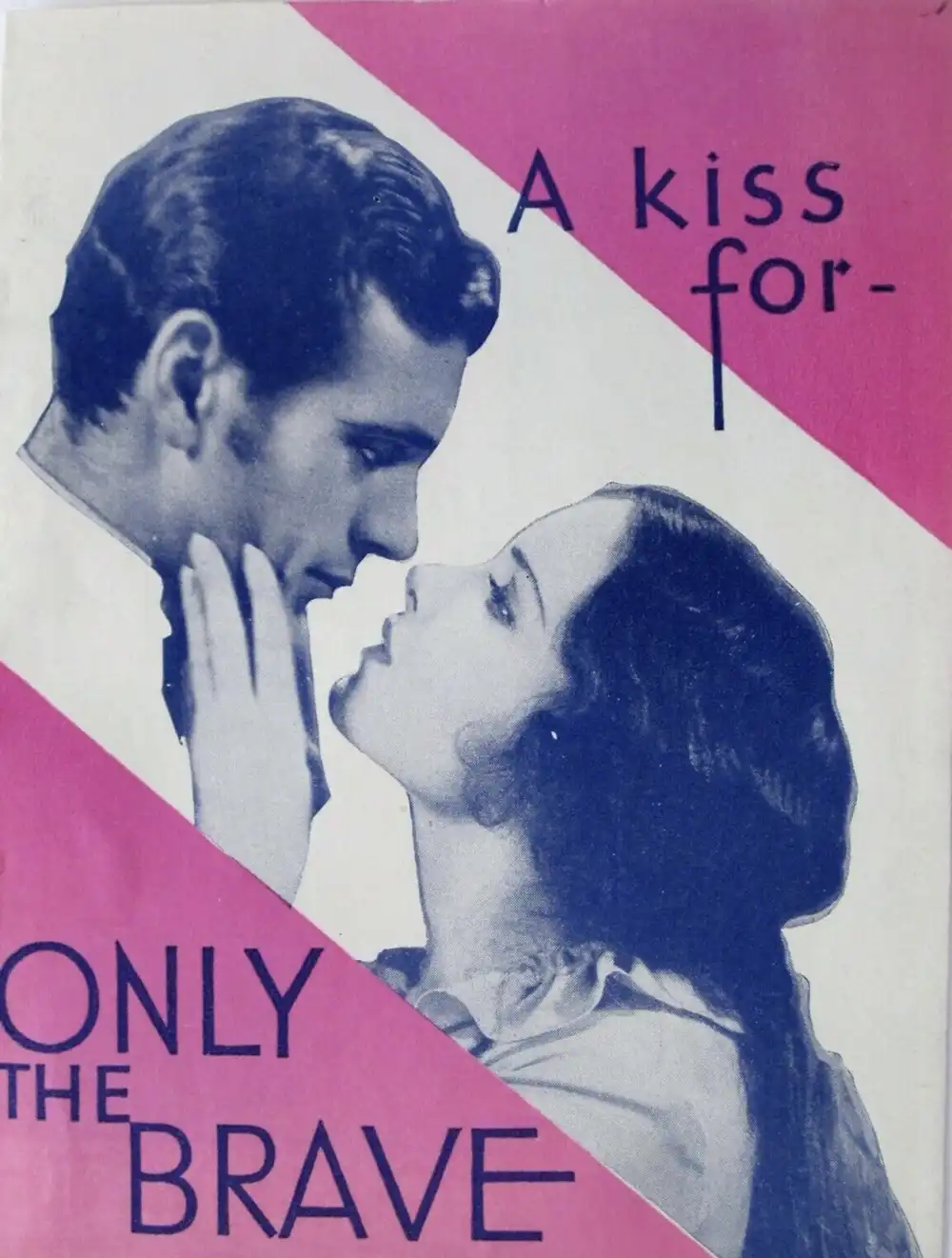
He ends up in the South and, surprise, meets a Southern belle, played by Mary Brian. She's got this undeniable *spark* to her, even when the script tries to make her a bit dramatic. You totally get why his character is immediately smitten. Their romance, though, it moves at warp speed. One scene they meet, the next they're practically soulmates. That’s classic old movie love for ya.
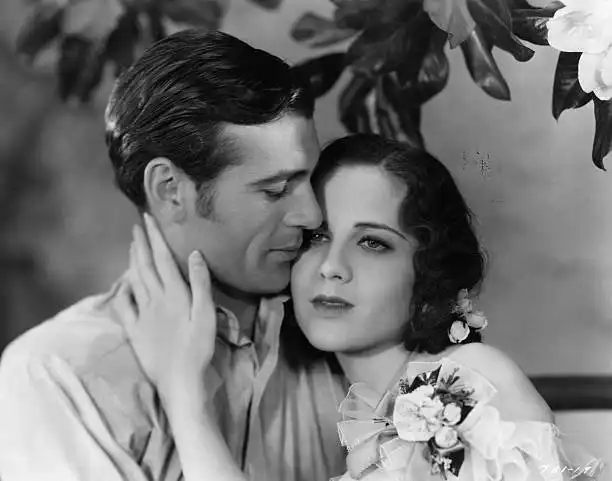
There's this moment when Cooper's character is in hiding, and the camera just *holds* on his face for what feels like a good long beat. You can really see him thinking, feeling the weight of it all. It’s a surprisingly subtle piece of acting for an early talkie. Then again, sometimes the dialogue feels like everyone is on stage, enunciating every single word. Like they're trying too hard to make sure the new sound tech works.
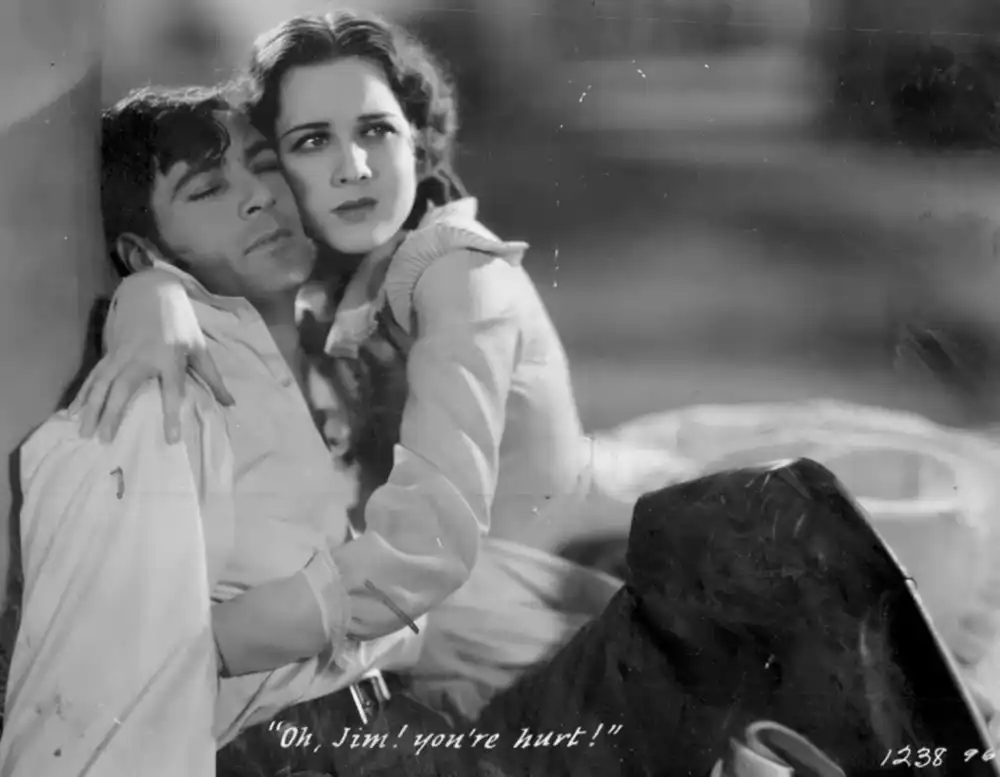
The Civil War itself? It's mostly just a backdrop for their forbidden love story. Don’t expect any deep historical dives here. It’s more like a convenient excuse for two attractive people to be on opposing sides. It's a bit like other period dramas, maybe like the feel of The Hope Chest, but with more uniforms.
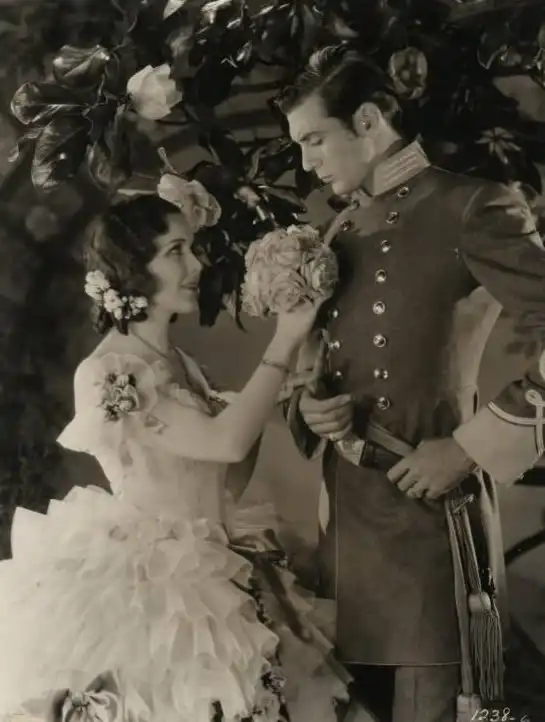
I caught one of the extras in a crowd scene almost tripping over his own feet. It was just a quick blink-and-you-miss-it thing, but it added this weird, human touch. Made it feel a little less staged, you know?
The sound quality does jump around a bit. Sometimes you have to really lean in to catch certain lines. It’s like they were whispering, even when they were clearly trying to speak up. The music, too, it’s always *there*, telling you exactly how to feel. No quiet moments, just constant dramatic swells. 🎻
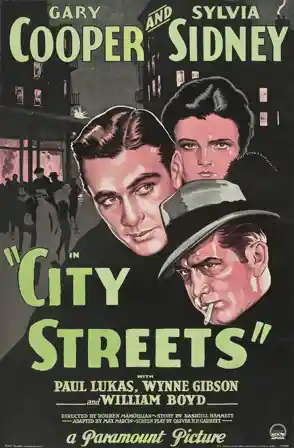
You can see the beginnings of the great Gary Cooper here, even in a pretty straightforward role. That quiet intensity, that understated charm. It’s all there, even when the plot is fairly simple. He just has that *thing*.
E.H. Calvert plays a Southern general, and there's a scene where he just lets out this deep, tired sigh after a conversation. That sigh felt incredibly real, almost more impactful than any of the big speeches. It really stuck with me.
The whole thing wraps up pretty neatly, maybe a little *too* neatly, considering everything that happens. But hey, that was often the style back then, no loose ends to fret over. It’s a fascinating look at how movies were made almost a century ago. Not a masterpiece, but definitely an interesting little piece of film history. Worth it if you’re into that kind of thing.
IMDb 6.2
1936
Community
Log in to comment.