DbcultAccessing Vault...
6.1/10
Senior Film Conservator
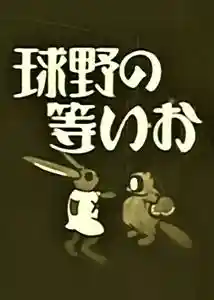
A definitive 6.1/10 rating for a film that redefined the boundaries of cult cinema. Our Baseball Match remains a cornerstone of transgressive art.
If you have about ten minutes and you want to see what Japanese animators were doing in the 1930s, you should probably watch Our Baseball Match. It is basically exactly what the title says, but with way more animal belly-drumming than you would expect from a modern sports flick.
Fans of early Disney or anyone who collects those old 'silly symphonies' vibes will have a blast with this one. If you can’t stand black and white silence or things that look like they were cut out of paper, you might want to skip it and watch The Smilin' Kid instead.
The whole thing starts with the rabbits getting ready. They look so focused, which is funny because they are basically just circles with ears.
Then the tanuki show up. In Japanese folklore, these guys are tricksters, and you can see that in how they carry themselves on the field.
The way they walk is slightly off-beat. It’s like the animation is skipping a frame on purpose just to make them look more mischievous. 🦊
There is this one moment where a tanuki drums on his belly to celebrate. It is a tiny detail, but it made me realize how much personality Yasuji Murata could squeeze out of flat paper.
The baseball game itself doesn't really follow the strict rules of the MLB. Physics are more of a suggestion here.
When the ball is hit, it flies through the air in these weird, looping arcs. It stays up there for a long time, almost like it’s waiting for the animator to decide where it should land.
I noticed that the crowd in the background is just a bunch of blobs. But they move in unison, which gives the whole scene this pulsing energy that feels very alive.
One of the rabbits has a reaction shot after a strikeout that lasts maybe three seconds too long. He just stares. It’s supposed to be sad, I think, but it ends up being hilarious because his eyes are so big. ⚾
The umpire is this big, round guy who seems very stressed out. I felt bad for him.
Managing a game between magical raccoon dogs and hyperactive rabbits seems like a nightmare job. He spends half the time just waving his arms around and looking confused.
I kept thinking about The Indians Are Coming while watching the action sequences. Not because they are similar stories, but because of that raw, early-cinema pacing where everything happens at once.
Murata’s cutout style is actually really impressive if you look closely at the joints. The characters don't just slide; they actually seem to have weight when they slide into home base.
There is a lot of dust. Like, a lot of animated dust clouds whenever someone runs.
It’s a bit messy in parts. Sometimes a character’s arm looks like its detached from their body for a split second.
But that’s the charm of it, right? It doesn't feel like it was made by a machine or a giant studio with a thousand checkers.
It feels like someone was sitting at a desk late at night, moving these little paper figures around by hand. You can almost feel the fingerprints on the edges of the frames.
The music (if you find a version with a score) usually tries to keep up with the frantic pace. Even without it, the visual rhythm is enough to keep you watching.
The ending is kind of abrupt. It doesn't have a big 'moral' or a deep message about sportsmanship.
The game just ends because the film runs out. It’s refreshing in a way. 🐰
I wish modern movies had this much confidence in just being weird and short. No need for a three-act structure or a gritty reboot of the rabbit's backstory.
If you're looking for something that feels like a piece of history but isn't boring, this is a good pick. It’s much more fun than sitting through The Burning Question, that’s for sure.
Just don't expect it to make total sense. It’s a baseball game played by forest spirits.
The physics are broken. The characters are flat. And yet, I enjoyed it more than most big-budget stuff I’ve seen lately.
One last thing—look at the way the tanuki pitcher winds up. His tail swishes in this perfect little loop. It’s the kind of small touch that makes you realize Murata really loved what he was doing.

IMDb —
1921
Community
Log in to comment.