DbcultAccessing Vault...
Cult Review
Senior Film Conservator
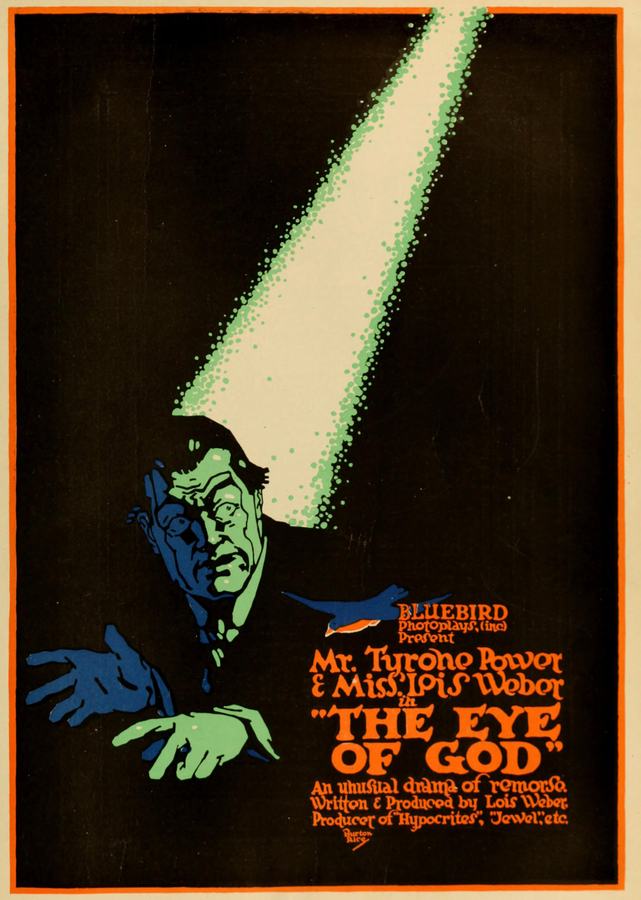
In the annals of early cinema, few figures resonate with the pioneering spirit and thematic depth of Lois Weber. A true auteur before the term gained widespread currency, Weber was not merely a director but often a writer, producer, and even an actor in her own films. Her work consistently transcended the sensationalism often characteristic of the era, plumbing the depths of human psychology and societal morality with an intellectual rigor that remains striking even today. Among her considerable achievements, "The Eye of God" stands as a testament to her profound understanding of guilt, justice, and the inescapable burden of conscience. Released in 1916, at a time when cinema was still finding its voice, Weber crafted a narrative that is both starkly dramatic and deeply introspective, utilizing the nascent language of film to explore universal themes that continue to challenge and provoke.
The film opens, unusually, with a man, Olaf, writing his memoirs from a prison cell, awaiting execution. This framing device immediately imbues the narrative with a sense of fatalism and retrospective introspection, setting a somber, reflective tone. We are invited not merely to witness events, but to understand the psychological journey that led to this grim precipice. This technique, of beginning at the end and then unraveling the past, was remarkably sophisticated for its time, demonstrating Weber's narrative ambition. The story then plunges us into Olaf’s past, portraying him as a struggling farmer, a figure etched by hardship and isolation. His life, seemingly devoid of significant external influence, is suddenly disrupted by the arrival of Renie, a woman stranded and seeking shelter. Her presence acts as a catalyst, igniting within Olaf a fervent, almost desperate, love. This initial spark, however, is not one of pure romance, but rather a harbinger of the tragedy to come. Weber masterfully uses this burgeoning affection to underscore Olaf’s vulnerability and the intensity of his emotional landscape, making his subsequent fall all the more poignant.
The plot thickens with the arrival of two more strangers, who take rooms in Olaf's modest home. It is here that the narrative takes a dark turn, illustrating the corrupting power of greed and desperation. Olaf, driven by a covetous desire for their money, commits a heinous act: he murders one of the men and wounds the other, Paul. This pivotal moment is handled with a stark realism that avoids gratuitousness, focusing instead on the moral weight of the deed. The aftermath is a chilling portrayal of injustice, as Paul, the victim of Olaf's violence, is wrongly convicted of the murder and sentenced to prison. This miscarriage of justice is a central pillar of Weber's critique of societal mechanisms, echoing concerns she would explore in other works regarding systemic flaws and individual accountability. The injustice meted out to Paul serves to amplify the moral burden that subsequently descends upon Olaf, shaping the remainder of his tormented existence.
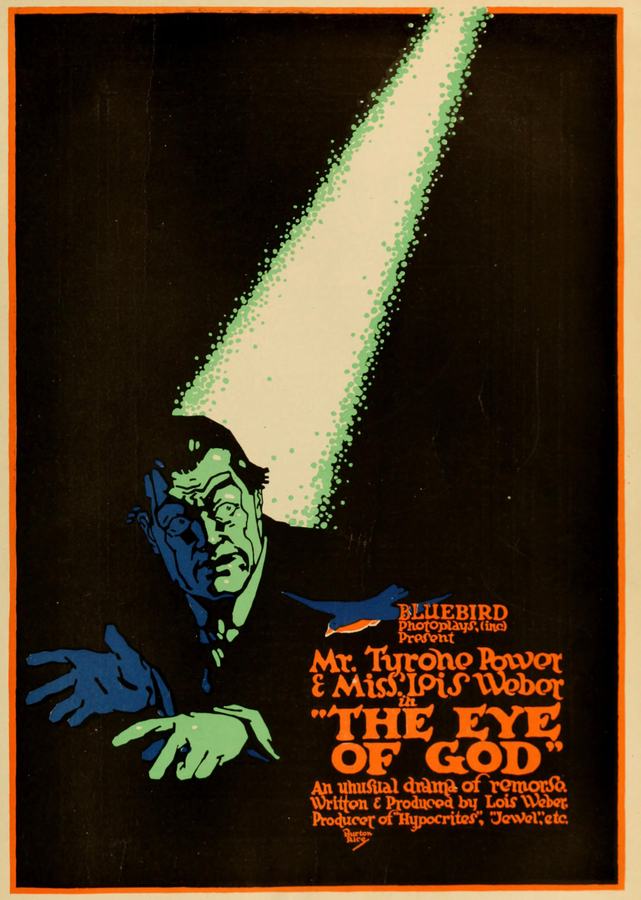
Olaf, now burdened by the crushing weight of his guilt, experiences an internal torment that Weber powerfully visualizes through the motif of the "eye of God." This metaphorical gaze represents not just divine judgment, but also the relentless self-scrutiny that plagues a guilty conscience. Unable to bear the spiritual anguish, he abandons his farm, embarking on a solitary, aimless journey, a wanderer condemned by his own actions. His physical displacement mirrors his internal alienation, a man adrift from grace and peace. Meanwhile, Renie, who was Paul's fiancée, is consumed by a fierce determination to uncover the truth and clear her beloved's name. Her unwavering resolve transforms her from a passive object of Olaf's affection into an active agent of justice, a character arc that showcases Weber's progressive portrayal of women. Renie's quest brings her back into Olaf's orbit, her suspicions about him unwavering. What follows is a gripping psychological cat-and-mouse game, as Renie, feigning renewed affection, meticulously works to extract a confession. She relentlessly accuses him, her persistence a slow, agonizing grind against his already fractured psyche, until, utterly worn down by her accusations and his own internal demons, Olaf finally breaks, confessing his crime and thereby securing Paul's long-overdue freedom. The climax is less about physical confrontation and more about the triumph of truth over deception, and the profound, inescapable power of conscience.
Tyrone Power Sr.'s portrayal of Olaf is a tour de force, embodying the complex internal struggle of a man consumed by guilt. His performance, reliant on the exaggerated yet nuanced gestures characteristic of silent film acting, conveys a profound sense of psychological torment. His eyes, in particular, often seem to betray the weight of the "eye of God" he feels upon him. Lois Weber, who also penned the screenplay, demonstrates her keen understanding of human nature, crafting a character whose villainy is tempered by a tragic vulnerability. Renie, played by Ethel Weber (Lois's sister-in-law), is equally compelling. Her transformation from a bewildered ingénue to a determined avenger is captivating, and her subtle yet powerful performance anchors the film’s moral core. Charles Gunn, as Paul, effectively conveys the injustice of his plight, eliciting audience sympathy despite his limited screen time. The chemistry, or rather the lack thereof, between Olaf and Renie in their later interactions, is deliberate, highlighting Renie's manipulative intentions and Olaf's desperate clinging to a semblance of affection.
Weber’s directorial style in "The Eye of God" is notable for its restraint and its focus on character psychology rather than overt melodrama. While some silent films of the era, such as Drama v kabare futuristov No. 13, reveled in experimental aesthetics, Weber grounded her work in a more classical narrative structure, yet imbued it with a distinct moral urgency. She employs close-ups judiciously, allowing the audience to intimately connect with the characters' emotional states. The pacing, though deliberate, builds a palpable tension, particularly during Renie's relentless pursuit of the truth. The visual language, while perhaps less flamboyant than some contemporary productions like The Lure of Millions, is nonetheless effective in conveying the bleakness of Olaf's existence and the starkness of his moral dilemma. The use of natural settings for the farming scenes lends an authenticity to Olaf's initial life, making his subsequent departure and wandering all the more significant. It’s a film that speaks through its silences and through the subtle shifts in its characters’ expressions, demanding attentive viewership.
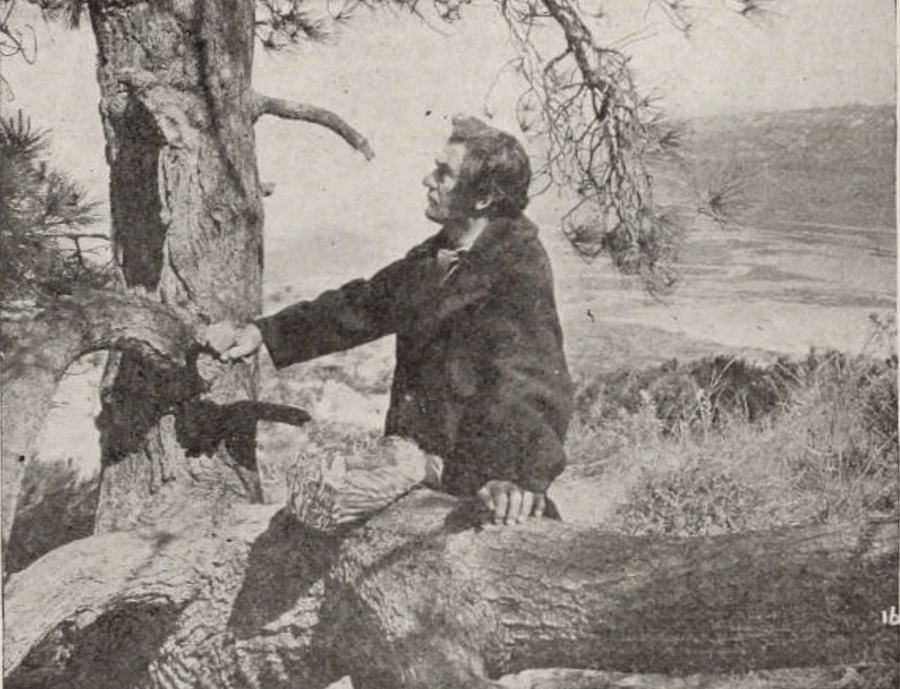
Thematic considerations are paramount in "The Eye of God." The film is, at its heart, a profound meditation on guilt and its corrosive effects. Olaf's internal struggle, his inability to escape the haunting presence of his crime, is depicted with an almost spiritual intensity. This resonates deeply with Weber's broader body of work, which frequently explored moral quandaries and the consequences of human actions. One cannot help but draw parallels to her own Hypocrisy, where social and moral failings are laid bare, albeit through a different lens. Here, the focus is intensely personal, demonstrating how an individual's transgression can unravel their entire existence. The concept of divine retribution, or at least an omnipresent moral accountability, is central. The "eye of God" is not merely a metaphor; it represents the internal moral compass that, once violated, offers no peace. This spiritual dimension elevates the film beyond a simple crime drama, positioning it as a profound exploration of conscience.
Beyond guilt, the film also scrutinizes the nature of justice, both legal and emotional. Paul's wrongful conviction highlights the fallibility of human institutions, a theme that remains tragically relevant. Renie's quest for justice, driven by love and an unwavering belief in Paul's innocence, becomes the moral engine of the story. Her methods, while manipulative, are justified within the narrative by the greater good of uncovering truth and righting a grievous wrong. This blend of personal vendetta and moral imperative makes her character particularly compelling. Weber challenges the audience to consider what constitutes true justice and whether societal mechanisms are always equipped to deliver it. The resolution, where Olaf's confession frees Paul, is not merely a happy ending but a complex act of atonement, hard-won through immense suffering. It’s a narrative arc that speaks to the power of truth, however painful its revelation.
The film’s historical context is also crucial for appreciating its significance. In 1916, women directors were a rarity, and Lois Weber stood out not just for her gender, but for the intellectual rigor and social consciousness of her films. While many studios focused on spectacle or light entertainment, Weber consistently tackled weighty subjects like birth control, capital punishment, and social inequality. Her ability to weave these themes into engaging narratives, often with a subtle yet powerful moral message, made her a unique voice. "The Eye of God" exemplifies her commitment to cinema as a medium for social commentary and psychological exploration. It predates many of the more celebrated psychological dramas of later decades, demonstrating a foresight and sophistication that often goes unacknowledged in mainstream film history.
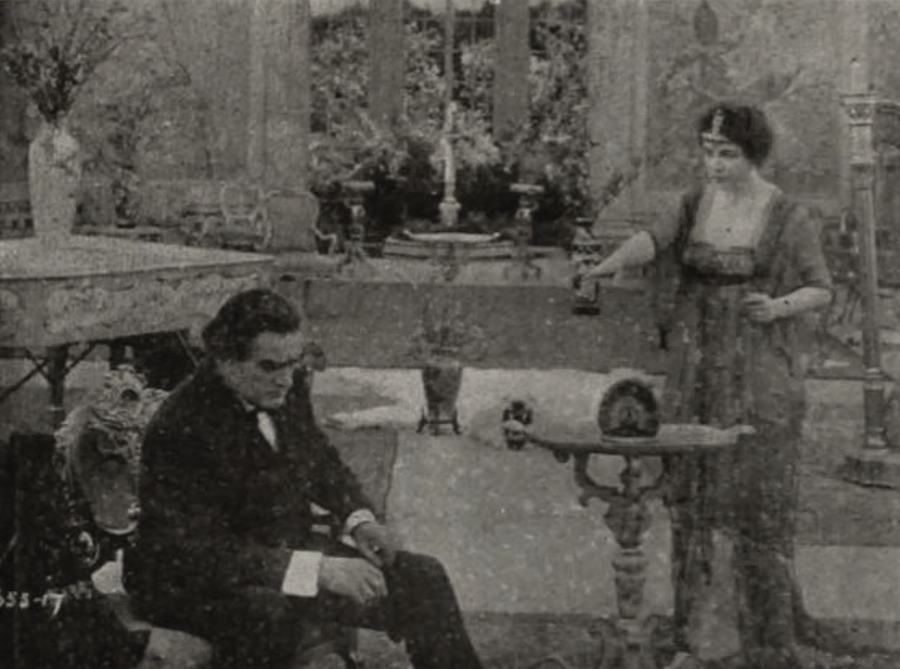
Comparing "The Eye of God" to other films of its era reveals its distinctive qualities. While films like The Target or The Country Boy might have explored aspects of rural life or personal struggle, they rarely delved into the psychological torment of guilt with such unflinching intensity. Weber’s approach here is more akin to a silent psychological thriller, where the suspense is derived not from external threats but from the internal dissolution of a man's conscience. Its focus on moral realism and the consequences of sin also sets it apart from more overtly comedic or adventurous fare like What Happened to Jones or Mister 44. Even within the realm of dramatic cinema, Weber carved out a niche for herself, creating films that were both emotionally resonant and intellectually stimulating.
The lasting impact of "The Eye of God", like much of Weber's oeuvre, lies in its timeless themes. The struggle with guilt, the pursuit of justice, and the burden of a troubled conscience are universal human experiences. Despite the technological limitations of silent film, Weber managed to convey these complex emotions with remarkable clarity and power. Her use of visual storytelling, relying on performance and carefully constructed scenes, ensures that the narrative transcends the need for spoken dialogue. The film doesn't just tell a story; it evokes a profound sense of empathy for the wronged and a chilling understanding of the transgressor's plight. It serves as a powerful reminder that true justice often requires more than just legal process; it demands a reckoning with one's own soul.
In conclusion, "The Eye of God" is more than just a historical curiosity; it is a vital piece of early cinema that continues to resonate. Lois Weber's directorial vision, her incisive writing, and the compelling performances by Tyrone Power Sr. and Ethel Weber combine to create a film of enduring power. It is a testament to the fact that profound storytelling and deep psychological exploration were not inventions of later cinematic eras, but were present at the very dawn of film as an art form. For anyone interested in the history of cinema, the evolution of narrative technique, or the timeless exploration of moral dilemmas, "The Eye of God" remains an essential viewing experience, a beacon of intellectual and artistic ambition from a truly remarkable filmmaker. Its quiet intensity and stark moral landscape leave an indelible mark, proving that the most powerful narratives often emerge from the deepest recesses of the human heart and the relentless gaze of conscience.

IMDb 6.6
1931
Community
Log in to comment.