DbcultAccessing Vault...
Cult Review
Senior Film Conservator
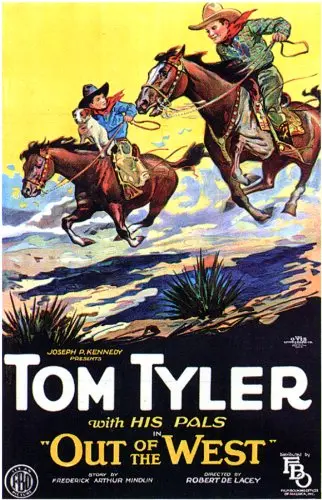
Short answer: Yes, but it's a film that requires patience and a willingness to embrace its historical context. Out of the West (1926) is a silent film that tells a story of baseball rivalry and unexpected twists, narrated through a lens of early 20th-century ranch life. If you're a fan of classic cinema, this film offers a unique glimpse into the past, complete with its charm and quirks. However, if you're looking for modern filmmaking techniques and a streamlined narrative, you might find it a bit challenging. It works because of its historical authenticity and the silent film era's distinctive storytelling techniques. It fails because of its pacing and the occasional lack of clarity. You should watch it if you're interested in seeing a classic tale of drama and sports in a setting that feels both familiar and alien.
Out of the West (1926) is a film that works because of its historical authenticity and the silent film era's distinctive storytelling techniques. The film's setting and narrative are a perfect blend of early 20th-century ranch life and a baseball rivalry that captures the essence of a simpler time. It fails because of its pacing and the occasional lack of clarity. The tension builds up slowly, and the narrative can feel disjointed at times, which might make it challenging for modern audiences to follow. However, the film is still worth watching if you're interested in seeing a classic tale of drama and sports in a setting that feels both familiar and alien.
The performances in Out of the West (1926) are a mix of the expected and the unexpected. Gertrude Claire, in the role of Bernice, the ranch owner's daughter, brings a sense of innocence and determination to the narrative. Her character's arc is particularly compelling, as she navigates the challenges of the story and finds a way to stand up for what is right. Tom Tyler, as Tom Hanley, the new pitcher, brings a fresh energy to the film, and his performance is a highlight of the movie. His character's journey from a simple ranch hand to a baseball hero is both believable and engaging. However, the supporting cast, including Beans the Dog (Frankie Darro), adds a unique charm to the film, making it more enjoyable despite the occasional lack of depth in their characters.
Under the direction of L.J. O'Connor, the film is a testament to the silent era's unique storytelling techniques. The use of visual storytelling is evident in the way the film captures the vastness of the ranch and the fast-paced action scenes. The cinematography is particularly noteworthy, with its use of wide shots to convey the grandeur of the ranch and close-ups to capture the emotions of the characters. However, the film's pacing can be a challenge, as the slow-building tension and the occasional lack of clarity can make it difficult to follow the narrative. The film's use of music and sound effects (in the silent era) adds to the overall experience, but it's not enough to fully compensate for the pacing issues.
The pacing of Out of the West (1926) is one of its most significant strengths and weaknesses. While the film builds up tension slowly, the pacing can feel uneven at times, and the narrative can feel disjointed. The slow-building tension is a deliberate choice that aligns with the film's historical context, but it can make it challenging for modern audiences to follow. The film's tone is a blend of drama and sports, with moments of humor and action that keep the audience engaged. However, the occasional lack of clarity can make it difficult to fully appreciate the film's narrative. The film's use of visual storytelling and the occasional use of sound effects (in the silent era) add to the overall experience, but it's not enough to fully compensate for the pacing issues.
Out of the West (1926) is a film that requires patience and a willingness to embrace its historical context. It's a unique glimpse into the early 20th century, complete with its charm and quirks. While the film's pacing can be a challenge, the historical authenticity and the silent film era's distinctive storytelling techniques make it a worthwhile watch for fans of classic cinema. However, if you're looking for modern filmmaking techniques and a streamlined narrative, you might find it a bit challenging. It works because of its historical authenticity and the silent film era's distinctive storytelling techniques. It fails because of its pacing and the occasional lack of clarity. You should watch it if you're interested in seeing a classic tale of drama and sports in a setting that feels both familiar and alien.
IMDb 6.5
1935
Community
Log in to comment.