DbcultAccessing Vault...
Cult Review
Senior Film Conservator
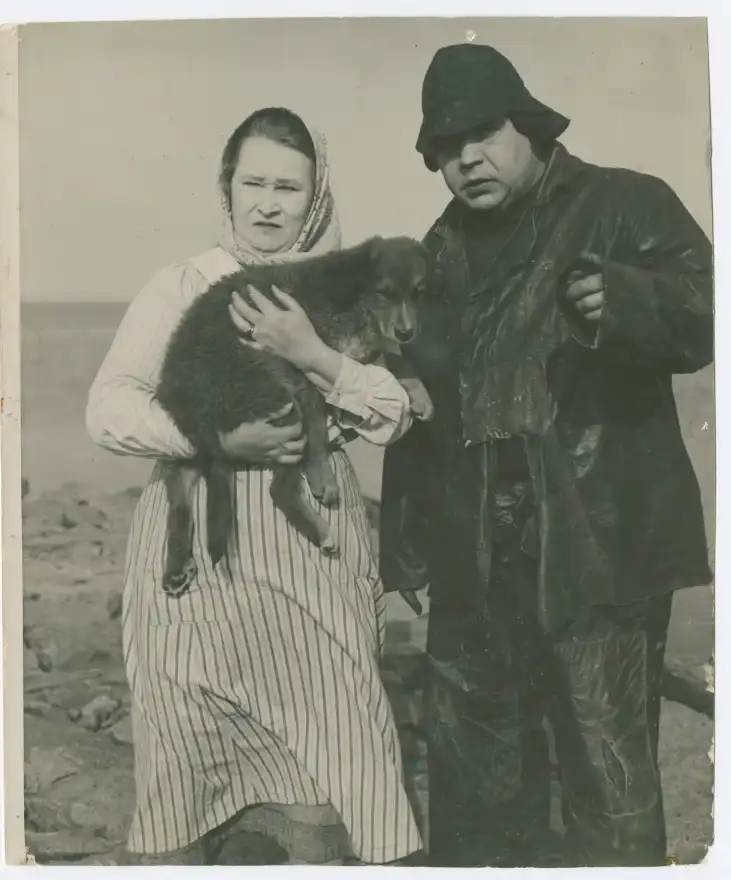
If you are looking for a lost classic that changes how you view the silent era, På kryss med Blixten is not it. This 1927 production is a stiff, often plodding example of late-silent Swedish cinema that serves primarily as a vehicle for Edvard Persson before he became the massive folk icon of the sound era. It is a film of modest ambitions that frequently trips over its own feet.
For the average viewer, no. It is too slow and the stakes are too low to maintain interest for anyone accustomed to modern pacing. However, it is a necessary watch for those tracking the development of Swedish comedy or the career of Edvard Persson. It lacks the punch of contemporary American silents like Grandma's Child, opting instead for a leisurely, almost lazy, rural charm.
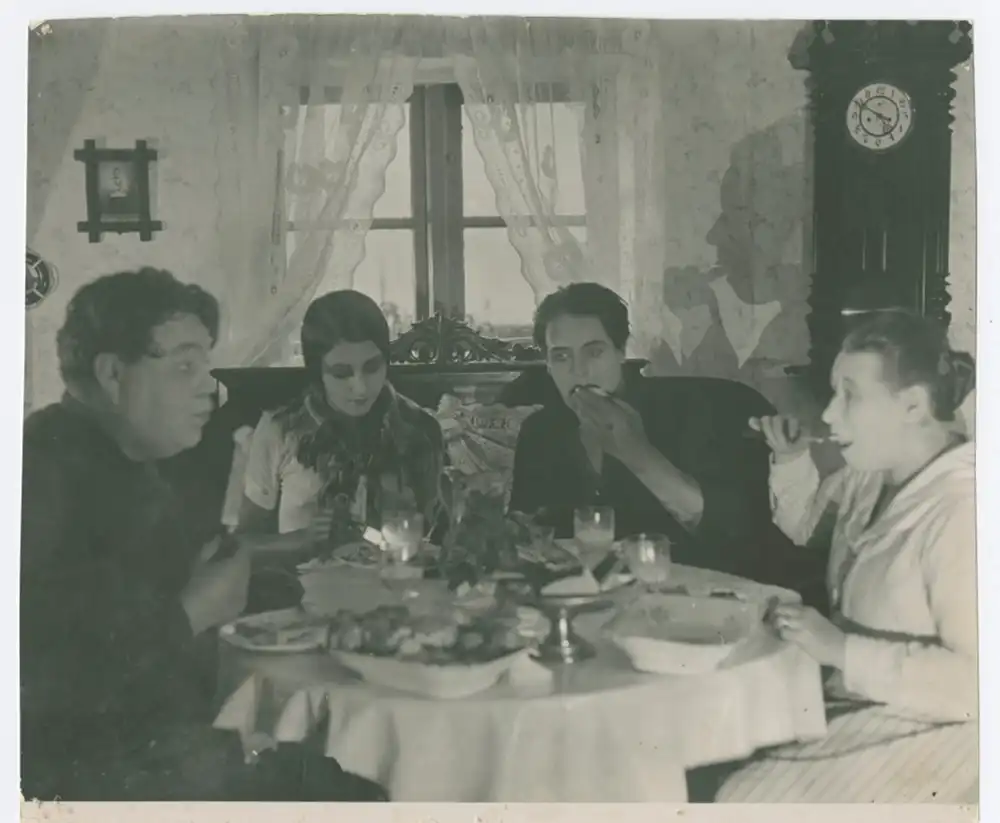
This film works because: Edvard Persson’s screen presence is undeniable. Even in this early role, he has a physical gravity that makes the surrounding actors look like cardboard cutouts.
This film fails because: The central conflict involving the Estonian Count is thin and lacks any real sense of danger or urgency. The plotting is episodic and often loses focus.
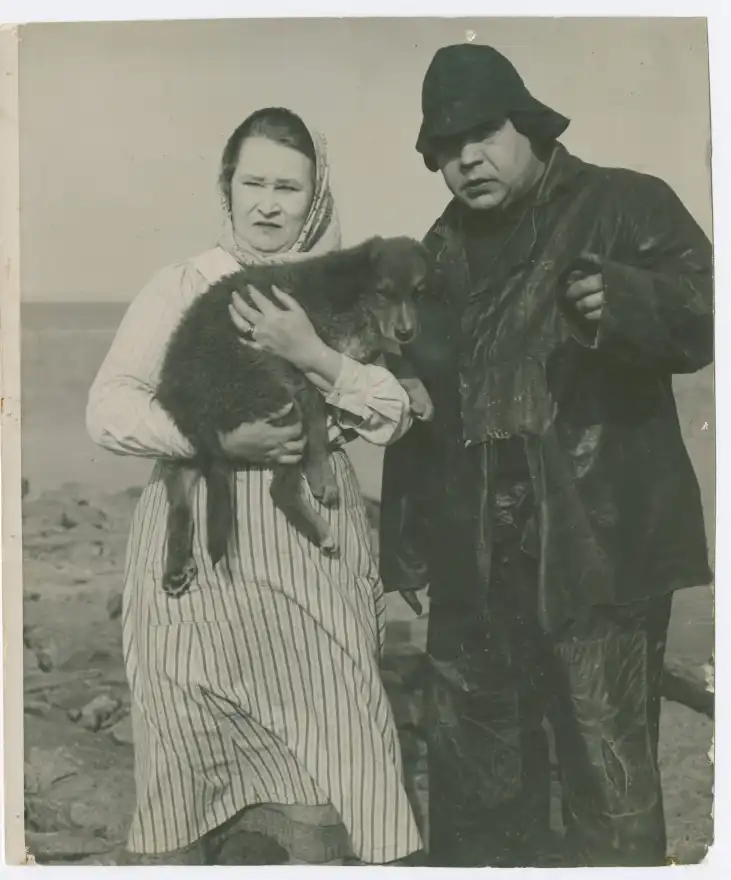
You should watch it if: You have an academic interest in the transition from silent to sound cinema in Scandinavia or you want to see the origins of the 'Blixten' character.
Edvard Persson is the only reason this film hasn't been completely forgotten. In 1927, he was already refining the persona that would make him a household name: the jovial, slightly mischievous man of the people. While the rest of the cast—particularly the 'mysterious' Estonian Count played by Knut Van der Burg—perform with the exaggerated theatricality common to the period, Persson feels grounded. He moves with a deliberate slowness that feels like a protest against the frantic energy of his co-stars.
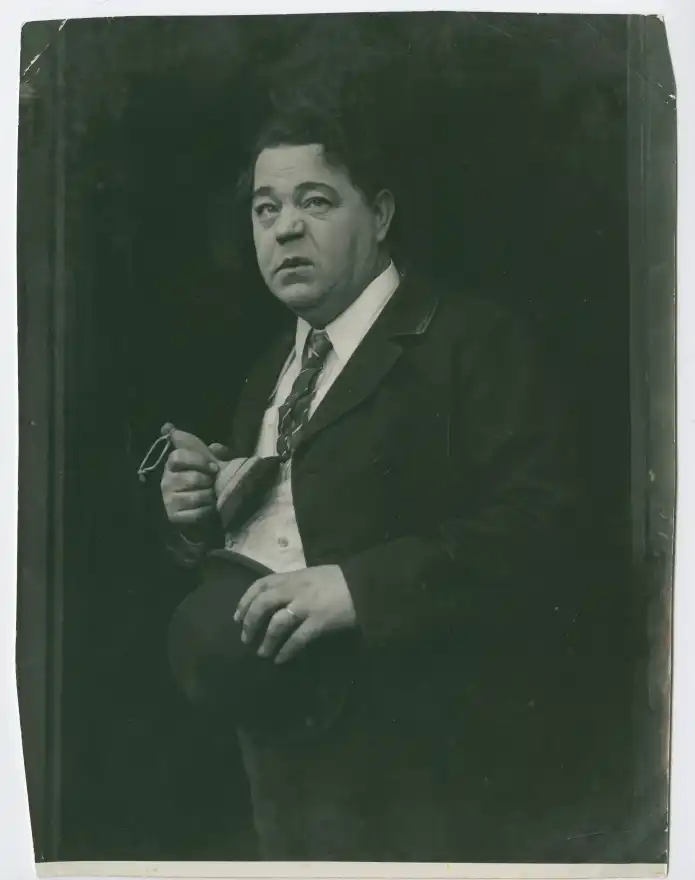
The Count himself is a bore. He is a collection of tropes—the slick hair, the predatory gaze, the vaguely foreign air of superiority—without any actual character depth. When he pursues Mary, there is no chemistry, only a series of tired plot beats. Compared to the more nuanced character work in films like The Man with the Limp, the antagonist here feels like a placeholder.
The direction by Edvard Persson himself (who also wrote the script) is functional. There is very little visual flair. The camera stays at a respectful distance, capturing the action in wide or medium shots that feel more like a filmed stage play than a movie. This lack of dynamic framing makes the already thin story feel even longer. Scenes of Mary and the Count walking through the castle grounds drag on until they lose all narrative purpose.
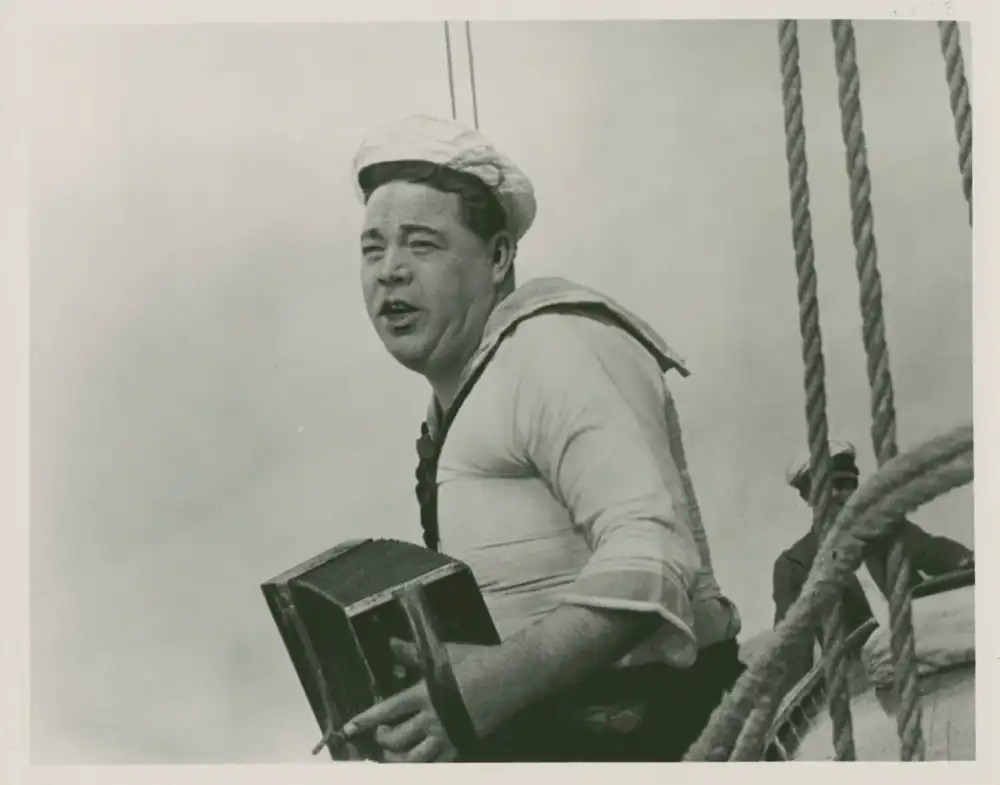
The editing is equally uninspired. Transitions are blunt. There is no attempt to build tension through cutting. In an era where filmmakers were experimenting with rapid-fire montage and expressive lighting, På kryss med Blixten feels like it was made ten years earlier than its actual release date. It is a conservative piece of filmmaking that refuses to take risks. It lacks the stylistic ambition seen in Girls, which at least attempted a more modern sensibility.
The film relies heavily on the 'Estonian Count' as a source of intrigue, but the mystery is non-existent. We know he’s the villain because the film tells us he is, not because his actions suggest any complex motivation. This is a recurring issue in silent-era fluff: the reliance on archetypes to do the heavy lifting that the script refuses to do. Mary, played by Mim Ekelund, is given even less to work with. She is a prize to be won, a beautiful daughter whose only job is to look concerned or flattered depending on who is in the room.
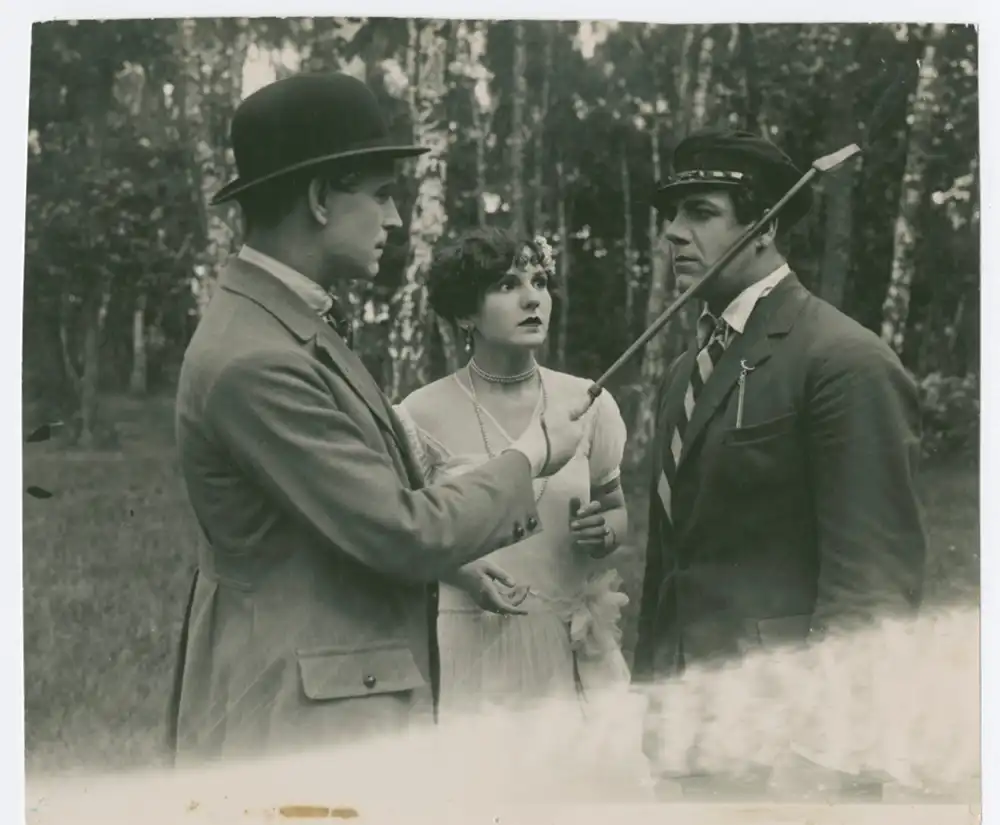
"The film operates on a level of simplicity that borders on the primitive, where every character's intention is worn on their sleeve like a badge of office."
There is a sequence involving a boat—the 'Blixten' of the title—that should provide some excitement. Instead, it’s a series of flatly lit shots of people standing on decks. The maritime setting is underutilized. What could have been a sweeping adventure feels like a weekend outing that someone happened to film. It’s frustrating because the potential for a more energetic comedy-of-errors is there, buried under layers of polite, dull staging.
Cons:
På kryss med Blixten is a minor footnote. It isn't a disaster, but it isn't particularly good either. It exists in that middle ground of archival curiosities that are more interesting to talk about than they are to actually sit through. Persson fans will find enough to justify the time, but everyone else should probably look elsewhere. It is a film that is content to be mediocre, and in the competitive world of silent cinema, mediocrity is a death sentence for longevity. It lacks the wit of The Mixed Ladies Chorus and the energy of more successful comedies of the period. Skip it unless you're writing a thesis on Swedish estate-comedies.
IMDb —
1922
Community
Log in to comment.