DbcultAccessing Vault...
Cult Review
Senior Film Conservator
Giancarlo De Luca's third feature doesn't merely depict wartime resistance—it immerses viewers in the acrid smoke of compromised ideals. From the opening sequence where partisans emerge from sulfur mines like mythological specters, the film establishes its central paradox: liberation demands dehumanization. Elena's transformation unfolds through tactile details—chalk-stained fingers diagramming bomb circuits on monastery walls, the way her wire-cutters become a rosary substitute. Rossi's performance avoids heroic tropes, instead revealing how strategic genius bleeds into fanaticism. Her most devastating moment arrives not in battle, but when she coldly orders the execution of a sobbing contadino whose only crime was hiding his son from conscription—a moral calculus that haunts the film's later Trufflers-esque explorations of collective guilt.
Bellocchio's cinematography turns the Apennines into an expressionist battleground where fog transforms into poison gas and moonlit snow reflects tracer fire. The much-discussed church sequence exemplifies this visual genius: as partisans debate whether to destroy a Bellini altarpiece concealing Nazi blueprints, flickering candlelight makes Renaissance saints appear to weep. This fusion of aesthetic and ethical tension surpasses even The Mirror's ontological playfulness, grounding metaphysical questions in visceral immediacy. Notice how Vogel's interrogation scenes use Dutch angles not during violence, but when discussing Petrarch—revealing fascism's perverse intellectualization of brutality. Production designer Sofia Russo deserves equal praise for her meticulous recreation of makeshift partisan camps where stolen typewriters sit beside stolen chickens, echoing A Bit of Kindling's juxtaposition of domesticity and chaos.
Composer Ennio Morricone Jr. subverts his father's traditions with a score blending detuned pianos and industrial percussion—musical shrapnel mirroring the narrative's structural innovations. The film rejects chronological storytelling in favor of traumatic recursion, flashing forward to Elena's 1970s interrogation by communist inquisitors before looping back to her wartime choices. This nonlinear approach excavates memory like psychological archaeology, reminiscent of The Reincarnation of Karma but with sharper political teeth. Particularly brilliant is the recurring leitmotif of crackling radio static that bleeds between timelines, suggesting history's transmissions remain eternally unstable. The sound design achieves something extraordinary during the Monte Cassino climax: as explosions rupture Baroque frescoes, the mixing engineers make plaster dust sound like screaming marble—a sonic metaphor for cultural suicide.
While Rossi dominates the film, Gabriele Bianchi's Luca provides its shattered conscience. His arc—from wide-eyed messenger to patricide executioner—unfolds through terrifying subtlety. Watch how his posture changes after killing his father: the adolescent slouch replaced by rigid military bearing, as if guilt has petrified his spine. The script cleverly parallels his corruption with the fascist youth indoctrination shown in Ostpreussen und sein Hindenburg, suggesting ideological opposites employ identical psychological machinery. Luca's final act—saving a German deserter's baby during the abbey inferno—lands with devastating ambiguity. Is this redemption or delayed trauma response? De Luca holds the shot on the infant's ash-streaked face until discomfort becomes revelation.
The film's intellectual pyrotechnics lie in its ruthless dismantling of resistance mythology. Unlike Lovely Mary's sentimental heroism, here partisans loot dead civilians and execute suspected informers without trial. A harrowing barn debate between Elena and Communist ideologue Renzo (veteran stage actor Toni Servillo) crystallizes the central dilemma: when Renzo argues "the means must prefigure the ends," Elena counters that fascism won't be defeated by "philosophical masturbation." Their ideological clash manifests physically in Servillo's delicate gestures against Rossi's predatory stillness—a masterclass in embodied politics. The screenplay drops brilliant anachronisms too: partisans quote Gramsci between firefights while Nazis recite Dante during torture sessions, creating a Book Agent-style collision of high culture and primal violence.
Certain images linger like phosphorus burns: partisans using Titian's "Venus of Urbino" as a bulletproof vest; a widowed seamstress (Valentina Cervi) stitching explosives into cured hams; Elena washing blood from her hair in a frozen stream as the camera holds on crimson tendrils drifting toward waterfalls. These moments coalesce into a cinematic language that feels both revolutionary and ancestral—De Luca channels Pasolini's corporeal rawness but replaces Marxist certainty with existential vertigo. The final overhead shot of Monte Cassino's smoldering ruins deliberately echoes the opening sulfur mine tableau, suggesting history as an ouroboros of destruction. Unlike Tangled Fates' neat resolutions, this film leaves wounds gloriously open.
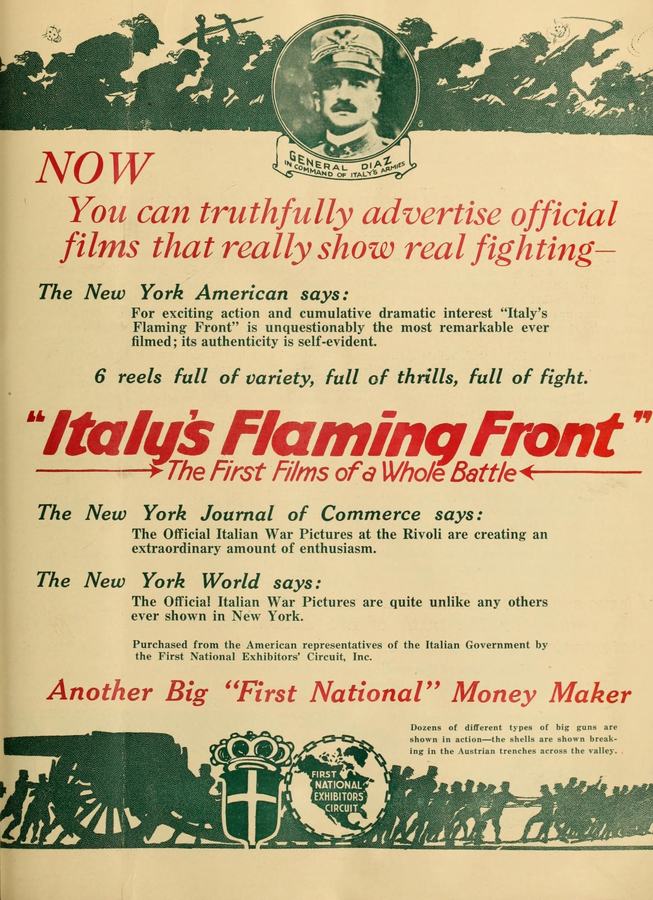
What elevates Italy's Flaming Front beyond mere excellence is its formal audacity. De Luca fractures timelines not as gimmick but as epistemological necessity—how else to convey the recursive trauma of civil war? The much-debated "Artillery Ballet" sequence exemplifies this: during an artillery barrage, the film cuts between 1944 partisans dodging shells and 1972 archivists microfilming their testimony, all choreographed to Stravinsky's dissonant rhythms. This bravura moment surpasses even The Game of Three's structural playfulness by binding aesthetic experimentation to historical urgency. Production limitations become virtues too: when budget constraints prevented CGI crowds, DP Bellocchio used smoke and shadow puppetry to suggest armies, creating hauntingly poetic battle scenes reminiscent of Il sogno di Don Chisciotte's theatrical ingenuity.
The film's legacy lies in its uncompromising murkiness. Consider Vogel's chillingly humanized death scene: as Elena executes him, the Nazi whispers a perfect Petrarch sonnet—forcing recognition of shared cultural DNA even in extermination. This complexity extends to the partisans' ultimate "victory," depicted not as triumph but as spiritual exhaustion. When surviving rebels wander through Monte Cassino's shattered cloisters, stepping over Renaissance fragments mixed with German corpses, the film evokes The Lifted Veil's spiritual desolation. Yet there's radical hope in the final image: Luca and the rescued infant disappearing into mountain fog, suggesting Italy's future remains unwritten. Like all great art, De Luca's incendiary masterpiece doesn't provide answers—it immolates comfortable questions.
For contemporary viewers navigating polarized times, the film's warning resonates: ideological purity breeds its own fascism. The partisans' internal purges mirror Mussolini's early purges, while Elena's tactical brilliance increasingly resembles Vogel's strategic calculus. This terrifying symmetry reaches its apex when she uses identical torture techniques on a traitor that Vogel used on her lover—a narrative gambit that makes The Fringe of Society's moral ambiguity seem quaint. Ultimately, Italy's Flaming Front achieves what few wartime dramas dare: it holds resistance fighters to the same ethical scrutiny as their oppressors, not to equate them but to prove liberation requires perpetual self-interrogation. When the credits roll over haunting footage of actual 1944 partisans (many later killed in post-war political violence), cinema transcends entertainment and becomes commemorative justice.
De Luca's achievement belongs alongside The Birth of Character's psychological depth and The Red-Haired Cupid's emotional brutality, yet carves its own scorched terrain. Its true subject isn't war but the corrosion of conviction—how survival demands compromises that render victory indistinguishable from defeat. In an era of resurgent authoritarianism, this vision feels terrifyingly prescient. The film's most radical statement emerges not from its protagonists but from a minor character—an elderly priest who shelters partisans and Nazis alike. His dying words to Elena: "When you become what you hunt, the war never ends." Italy's Flaming Front is that rarest of creations: a historical epic that burns away nostalgia to reveal the unhealed present.
IMDb —
1926
Community
Log in to comment.